
When it comes to growing your own delicious apples, one major concern is pests. Whether it’s aphids, codling moths, or other unwanted critters, these tiny invaders can cause significant damage and stress for gardeners. But fear not! One effective way to protect your apple crop from pests is through a simple yet clever technique: bagging apples against pests. By using the right materials and implementing some basic strategies, you can safeguard your harvest and enjoy those juicy, crunchy apples all season long. In this article, we’ll dive into the ins and outs of bagging apples, including how to choose the right bags, when to apply them, and tips for managing storage and handling. Whether you’re a seasoned gardener or just starting out, you’ll learn everything you need to know to keep your apple crop pest-free.
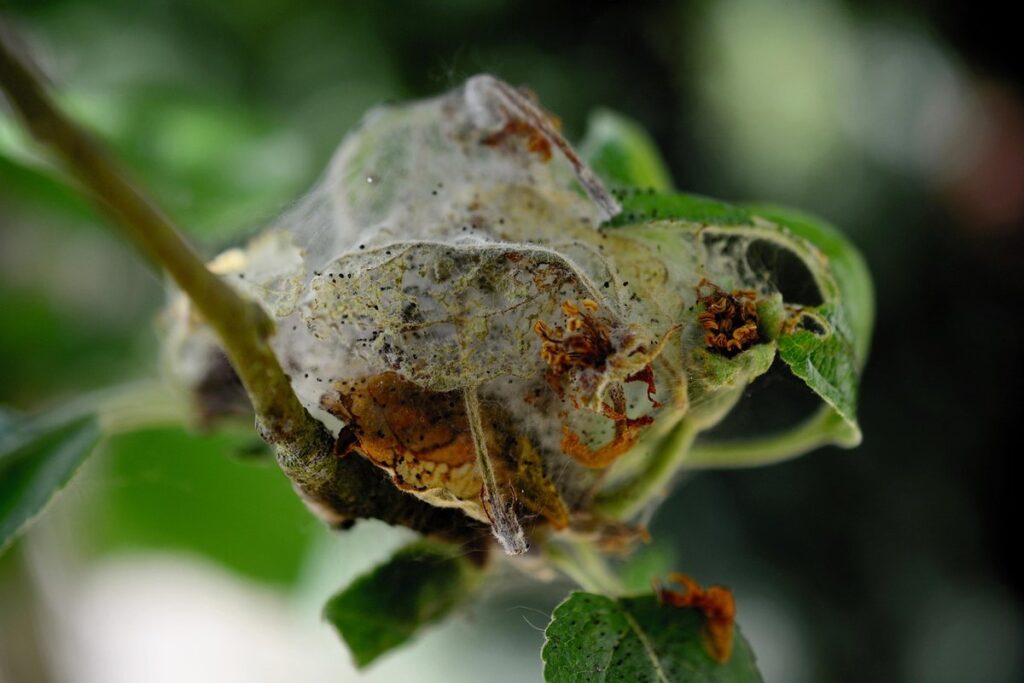
Understanding the Threats: Common Apple Pests
As you begin bagging your apples, it’s essential to understand the common pests that can damage them, such as codling moths and aphids, which are prevalent in many regions.
Identifying the Top Pests Affecting Apple Crops
When it comes to protecting apple crops from pests, identifying the most common culprits is crucial. Let’s take a closer look at three of the top pests affecting apple production: aphids, codling moths, and spider mites.
Aphids are tiny, soft-bodied insects that feed on sap, causing curled or distorted leaves. They can also transmit plant viruses, leading to significant yield losses. To manage aphid populations, farmers often use integrated pest management (IPM) techniques, such as introducing beneficial predators like ladybugs or lacewings.
Codling moths, on the other hand, are a major concern in apple production worldwide. These pests lay eggs inside apple blossoms, and their larvae feed on fruit flesh, causing damage and reducing quality. Farmers can reduce codling moth populations by adopting good sanitation practices, removing weeds that harbor eggs, and using mating disruption techniques.
Spider mites are another significant pest affecting apple crops. These tiny arachnids suck sap from leaves, leaving behind a fine web-like material. To manage spider mite infestations, farmers often use chemical controls or introduce natural predators like phytoseiulus persimilis.
By understanding the characteristics and impacts of these top pests, farmers can develop targeted strategies to prevent and control infestations, ultimately protecting their apple crops from significant yield losses.
Understanding Pest Life Cycles and Habits
Understanding pest life cycles and habits is crucial for effective apple pest management. Apple maggots, codling moths, and European earwigs are common pests that can cause significant damage to apples. Each of these pests has a unique reproductive pattern, feeding behavior, and migration route.
The apple maggot, for instance, lays eggs in the fruit, causing significant damage during its larval stage. Codling moths, on the other hand, lay their eggs in the blossoms or young fruit. The larvae then feed on the fruit’s flesh, creating holes and tunnels. European earwigs are nocturnal pests that lay eggs in the soil and have a long lifespan of up to 20 months.
To anticipate and prepare for pest infestations, farmers need to understand these life cycles. For example, apple maggots typically emerge from their pupae stage in late spring or early summer, while codling moths emerge in mid-to-late summer. By knowing the timing of these emergence periods, farmers can plan bagging strategies accordingly.
Choosing the Right Bagging Materials
When it comes to bagging apples against pests, selecting the right materials is crucial for effectiveness and longevity. Let’s explore your options for bags, ties, and other essentials.
Overview of Different Types of Bagging Materials
When it comes to bagging apples against pests, selecting the right material is crucial. There are several types of bagging materials available, each with its unique strengths and weaknesses.
Paper bags are a popular choice among apple growers due to their biodegradable nature and affordability. They allow for airflow, which helps prevent moisture buildup inside the bag and reduces the risk of fungal diseases. However, paper bags may not provide adequate protection against pests like codling moths or aphids, as they can easily penetrate the thin material.
Plastic bags, on the other hand, offer superior durability and protection against pests. They are waterproof, which helps prevent moisture damage, and can be used in conjunction with pesticides to control infestations. However, plastic bags are not biodegradable and may contribute to environmental pollution if not disposed of properly.
Mesh bags provide a compromise between breathability and pest protection. They allow for airflow while keeping pests out, making them an ideal choice for growers who want to balance the need for oxygen with the need for pest control. Mesh bags can be made from various materials, including nylon or polyester, and come in different mesh sizes to suit specific needs.
Ultimately, the choice of bagging material depends on your specific growing conditions, budget, and pest management goals. It’s essential to weigh the pros and cons of each type before making a decision.
Factors to Consider When Selecting Bagging Materials
When selecting bagging materials for your apple crop, there are several key factors to consider. The type of apple variety being protected is a crucial consideration, as some varieties are more susceptible to pests than others. For example, if you’re growing a delicate variety like the Red Delicious, you may want to opt for a breathable bag that allows for air exchange to prevent moisture buildup.
Local climate conditions also play a significant role in choosing the right bagging material. In areas with high humidity or heavy rainfall, it’s essential to select a water-resistant material that can withstand these conditions. On the other hand, if you live in a dry region, a lighter-weight bag may be sufficient.
Additionally, consider the specific pests you’re trying to protect against. For instance, if you’re dealing with codling moths, you’ll want to use bags with a smaller mesh size to prevent larvae from escaping. By taking these factors into account, you can ensure that your apple crop is properly protected and receive optimal results from bagging.
Implementing Effective Bagging Strategies
When it comes to bagging apples against pests, implementing effective strategies is crucial for a successful harvest. Let’s explore some practical methods for maximizing your yield and minimizing losses.
Pre-Bagging Preparation: Cleaning and Sanitizing
Cleaning and sanitizing are crucial steps before bagging apples against pests. A clean environment helps prevent cross-contamination of diseases and insects, ensuring the apples remain healthy throughout the process.
Start by inspecting the apples for any visible signs of pests or damage. Remove any affected fruit to prevent infestation from spreading. Next, wash the apples in a solution of 10 parts water to 1 part white vinegar, making sure to scrub the skin thoroughly. This helps loosen dirt and debris that can harbor insects.
When it comes to bagging equipment, such as bags, twine, or labels, make sure they are clean and sanitized as well. Wash the equipment in warm soapy water, then dry them with a clean towel. Avoid using bleach or harsh chemicals, which can damage some materials or leave behind residues that may attract pests.
In addition to cleaning the apples and equipment, it’s also essential to sanitize the bags themselves. Fill a bowl with 1 cup of water and 1 tablespoon of unscented chlorine bleach. Dip each bag into the solution, making sure the entire surface is saturated. Let the bags air dry before using them for bagging apples. This simple step can significantly reduce the risk of contamination and ensure your bagged apples remain healthy and pest-free.
Bagging Techniques for Optimal Pest Control
When it comes to optimizing pest control through bagging techniques, farmers have a few methods up their sleeve. One of the most common and effective ways is wrapping individual apples in paper bags or mesh sleeves. This method not only protects the apple from pests but also helps to regulate temperature and humidity levels, which can be beneficial for ripening.
Another technique involves placing multiple apples in a single bag, often referred to as “batch bagging.” This approach allows farmers to monitor and control pest populations more efficiently, as it’s easier to identify potential problems before they spread. By using a larger bag, farmers can also reduce labor costs associated with individually wrapping each apple.
It’s worth noting that the choice between these two methods depends on various factors, including the type of pests present, the severity of infestation, and personal preference. Farmers should experiment with both techniques to determine which works best for their specific orchard and pest management strategy. Regular monitoring is key to identifying what approach yields the most effective results.
Managing Bagged Apples: Storage and Handling Considerations
When storing bagged apples, it’s essential to consider how you handle and care for them to maintain their freshness and prevent pest damage. Proper storage techniques can make a big difference in extending the shelf life of your bagged apples.
Proper Storage Conditions for Bagged Apples
When storing bagged apples, it’s crucial to maintain optimal conditions to prevent spoilage and extend their shelf life. The ideal storage temperature for bagged apples is between 32°F (0°C) and 40°F (4°C), with a relative humidity of 80-90%. This range allows for slow metabolic processes, which helps preserve the fruit.
However, maintaining these conditions requires attention to ventilation. It’s essential to ensure good air circulation within the storage area to prevent moisture buildup. You can achieve this by placing the bags in a single layer or using shelving with space between each level. Avoid storing bagged apples near heating vents, radiators, or direct sunlight.
To maintain optimal conditions, monitor the storage area regularly for signs of spoilage, such as mold, yeast growth, or off-odors. Check the bags for moisture buildup and adjust ventilation as needed. Consider using a dehumidifier in areas with high humidity to prevent moisture from accumulating within the bags. By maintaining proper storage conditions, you can keep your bagged apples fresh for a longer period, reducing waste and ensuring their quality remains intact throughout the storage duration.
Safe Handling Practices for Bagged Apples
When handling bagged apples, it’s essential to adopt safe practices to prevent accidents and maintain the quality of the fruit. Proper lifting techniques are crucial to avoid straining your back and injuring yourself. When lifting a bag of apples, bend at the knees, keep your back straight, and lift with your legs rather than bending at the waist. This simple technique can significantly reduce the risk of injury.
To prevent contamination, it’s vital to maintain a clean environment when handling bagged apples. Always wash your hands before and after handling the fruit, and make sure any storage areas are free from dust, dirt, and other debris that could compromise the quality of the apples. Regularly inspect the bags for signs of damage or pests, and handle them gently to prevent bruising the fruit.
Additionally, consider using gloves when handling bagged apples to minimize the transfer of bacteria and other contaminants. This simple step can help reduce the risk of spoilage and keep your apple crop healthier for longer. By adopting these safe handling practices, you’ll not only protect yourself but also ensure that your bagged apples remain fresh and pest-free throughout their storage period.
Monitoring and Adjusting: A Continuous Improvement Process
Now that you’ve set up your apple bagging system, it’s time to monitor its effectiveness and make adjustments as needed to ensure optimal pest protection. This process is crucial for long-term success.
Regular Pest Monitoring and Inspection
Regular pest monitoring and inspection are crucial steps in protecting your apple crop from pests. By identifying potential issues early on, you can take proactive measures to prevent infestations and reduce the need for pesticides.
To track pest populations, use data collection tools such as sticky traps, pitfall traps, or pheromone traps. These methods will give you a clear picture of the types of pests present in your orchard and their population sizes. For instance, sticky traps can help identify fruit flies, while pitfall traps are effective for capturing slugs and snails.
In addition to using data collection tools, observe your trees regularly for signs of pest damage. Look for holes in leaves or stems, discoloration, or other abnormalities that could indicate a pest problem. Check the underside of leaves, where pests like aphids and spider mites often hide. By combining these methods, you’ll be able to stay ahead of potential issues and adjust your pest management strategy accordingly.
Keep records of your monitoring efforts to track trends over time. This will help you identify which pest control methods are most effective and when to apply them.
Adapting Bagging Strategies Based on Pest Activity
As you begin bagging apples against pests, it’s essential to remember that this process is not set in stone. Pest activity levels can fluctuate from season to season and even within the same orchard. This means you need to be prepared to adapt your bagging strategies as needed.
Regular monitoring of pest activity will help you identify when changes are necessary. For example, if you notice a significant increase in codling moth or aphid populations, you may want to switch from using paper bags to cloth bags or even consider introducing beneficial insects to the area. Conversely, if pest pressure is low, you can scale back on bagging efforts and focus on other management practices.
Changing bagging materials or techniques can have a significant impact on pest control outcomes. For instance, using fine-mesh bags can help prevent pests from penetrating the bag, while coarser mesh may allow some insects to pass through. By monitoring pest activity and adjusting your bagging strategies accordingly, you can optimize your apple production and minimize damage caused by pests.
Economic Considerations: Weighing Costs Against Benefits
When deciding whether to bag your apples against pests, it’s essential to consider the costs of implementing this method and weigh them against the benefits you can expect. Let’s break down these economic considerations together.
Calculating the Cost-Effectiveness of Bagging Methods
When it comes to bagging apples against pests, understanding the cost-effectiveness of different methods is crucial for farmers looking to make an informed decision. To calculate the return on investment (ROI) of bagging methods, you’ll need to consider several factors.
Start by calculating the initial investment costs, including the purchase of bags, labor requirements for application and removal, and any necessary equipment or infrastructure upgrades. For example, if you’re using reusable bags, factor in the cost of materials and production time. On the other hand, disposable bags may require frequent purchases and waste disposal costs.
Consider the long-term savings potential of bagging methods as well. By reducing pesticide use and minimizing crop damage, you can save money on chemical applications and potentially increase yields. For instance, a study found that using bagging methods reduced pesticide usage by up to 50% while maintaining or even increasing yield levels.
Balancing Pest Control with Environmental Sustainability
As an apple grower adopting bagging methods against pests, you’re likely concerned about the potential environmental impact of these practices. It’s essential to strike a balance between effective pest control and environmentally friendly methods. One key consideration is pesticide use – while necessary for protecting crops from pests, excessive or improper application can harm beneficial insects, contaminate soil and water, and even affect human health.
To mitigate these risks, consider integrating Integrated Pest Management (IPM) strategies into your bagging practices. This approach involves monitoring pest populations, using the least toxic methods first, and rotating between different control measures to prevent resistance development. For example, you can start with physical barriers like fine-mesh bags or row covers to exclude pests from your apples, then switch to organic pesticides if necessary.
Another crucial aspect is choosing environmentally responsible bagging materials. Opt for biodegradable or compostable options that won’t contribute to plastic waste and harm ecosystems. Some innovative alternatives include plant-based stickers or woven fabric wraps made from natural fibers like cotton or hemp. By adopting these sustainable practices, you can minimize your ecological footprint while still protecting your apple crop against pests.
Conclusion: Implementing Effective Bagging Strategies for Sustainable Apple Production
Implementing effective bagging strategies is crucial for sustainable apple production. By wrapping individual apples or bunches of grapes in protective bags, you can shield them from pests and diseases that thrive in humid environments. To ensure the longevity of your harvest, make it a habit to inspect your trees regularly and remove any infested fruit immediately. This not only prevents further damage but also reduces the risk of pests spreading to healthy areas of the orchard.
When selecting bags for apple protection, consider factors such as breathability, durability, and ease of application. Remember that using bags with mesh panels allows for airflow, which is essential for maintaining a healthy balance between moisture and oxygen levels around the fruit.
Frequently Asked Questions
Can I use bagged apples for cooking or baking without washing them first?
Yes, but make sure to follow proper handling practices. If you plan to cook or bake with the apples directly from their bags, avoid washing them first as this can cause water spots and potentially introduce more moisture into the bag. Instead, carefully remove any loose debris or leaves before using.
How often should I inspect my apple crop for signs of pest activity while using the bagging method?
Regularly inspect your bagged apples at least once a week during peak pest seasons (usually late spring to early summer). Look for signs of damage, such as holes, webbing, or sticky substances. Adjust your bagging strategy based on the level of infestation and monitor more frequently if necessary.
Can I use reusable bags or mesh covers instead of plastic bags?
Yes, using reusable bags or mesh covers is a great option for environmentally conscious gardeners. Just ensure that these materials are breathable and won’t retain moisture, which can lead to fungal diseases. Also, make sure they fit snugly over the apples to prevent pests from accessing them.
How do I handle a situation where codling moths have already infested some of my bagged apples?
If you discover codling moth damage on your bagged apples, carefully remove and dispose of the affected fruit. Then, re-bag any remaining healthy apples with fresh bags or mesh covers to prevent further infestation. Consider implementing additional measures like trap cropping or pheromone traps to reduce codling moth populations.
Are there any specific storage conditions I should follow for bagged apples to maintain their quality?
Store bagged apples in a cool, dry place (around 32°F – 40°F) with good air circulation. Avoid storing them near direct sunlight or heat sources. Monitor the temperature and humidity levels in your storage area to ensure optimal conditions for keeping your bagged apples fresh and pest-free.