
Are you ready to grow your own delicious avocados right in your home? With a little know-how, you can successfully cultivate an avocado tree indoors. Not only is it possible, but it’s also incredibly rewarding – imagine biting into a fresh, juicy avocado straight from the comfort of your living room! But before you start, it’s essential to choose the right variety for indoor growing and provide the perfect conditions for your tree to thrive.
In this comprehensive guide, we’ll walk you through everything you need to know about growing and caring for an avocado tree indoors. From selecting the ideal spot to harvesting those coveted avocados, we’ve got you covered. By the end of this article, you’ll be well on your way to becoming a proud avocado farmer – right in the heart of your home!
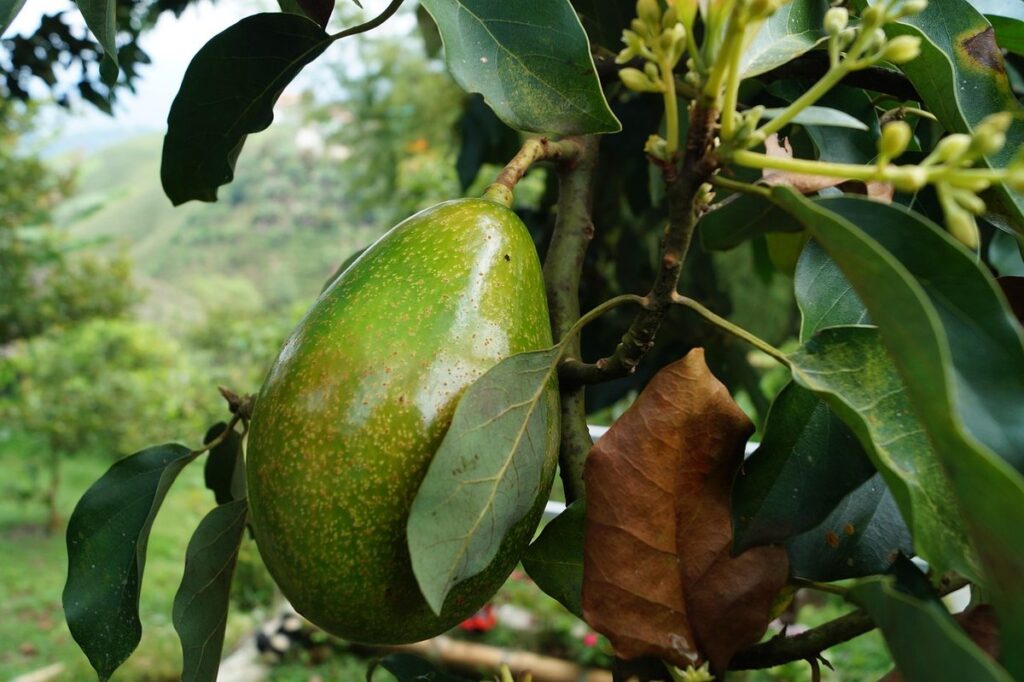
Choosing the Right Variety
When it comes to growing an avocado tree indoors, selecting the right variety is crucial for its success. With so many options available, we’ll help you choose the perfect one for your space and climate.
Selecting a Dwarf or Compact Variety
When it comes to growing an avocado tree indoors, selecting a compact variety is crucial for success. These varieties are bred specifically for container gardening and can thrive in smaller spaces with proper care. One popular compact variety is the ‘Hass’, known for its small leaves and compact growth habit, making it perfect for indoor containers.
Another excellent option is the ‘Fuerte’ avocado tree, which produces delicious fruit and can grow up to 6-8 feet tall when mature. However, in a container setting, it will remain much smaller, around 3-4 feet tall. The ‘Bacon’ variety is also well-suited for indoor growth, with its small leaves and dwarfing rootstock.
When choosing between these varieties, consider your climate and desired fruit production. For example, if you live in a cooler climate, the ‘Fuerte’ might be a better option as it can tolerate temperatures as low as 25°F (-4°C).
Considering Other Factors
When selecting an avocado tree variety for indoor care, it’s essential to consider factors beyond just its origin and growth habits. Climate is a crucial factor, as some varieties thrive in warmer temperatures while others prefer cooler conditions. If you live in a region with high humidity or experience extreme temperature fluctuations, choose a variety that can adapt to these conditions.
Lighting is another critical aspect to consider. Avocado trees need bright, indirect light to photosynthesize and grow well indoors. Varieties like ‘Hass’ and ‘Fuerte’ are more tolerant of low light conditions than others, but they’ll still require supplemental lighting during the winter months or in areas with limited natural light.
Lastly, think about your indoor space constraints. Compact varieties like ‘Bacon’ or ‘Wurtz’ are ideal for small apartments or offices, while larger trees may be better suited for spacious homes or greenhouses. Assess your available space and choose a tree that fits comfortably within it, allowing for proper air circulation and maintenance access.
Preparing the Container and Soil
Before planting your avocado tree, let’s get its new home ready by preparing a suitable container and soil that will provide optimal growing conditions for your tree to thrive indoors. This is crucial for healthy growth.
Selecting a Suitable Container
When it comes to selecting a suitable container for your indoor avocado tree, choosing the right one is crucial for healthy root growth. A well-draining container with good aeration is essential to prevent waterlogged soil and root rot.
Opt for containers made from breathable materials such as terra cotta or ceramic pots. These allow for airflow and moisture release, reducing the risk of overwatering. Avoid plastic or metal containers, which can retain heat and moisture, leading to root problems. When it comes to size, choose a container that is at least 14-16 inches deep to accommodate the avocado tree’s extensive root system.
A good rule of thumb is to select a container with drainage holes in the bottom to prevent water from accumulating. If your chosen pot doesn’t have pre-drilled holes, you can always add them yourself using a drill or a sharp object. Consider repurposing old containers like wooden barrels or clay pots – just make sure they are clean and free of any chemicals that might harm your tree.
Creating a Well-Draining Mix
When it comes to growing an avocado tree indoors, having a well-draining potting mix is crucial. Avocado trees prefer moist soil but not waterlogged conditions, which can lead to root rot and other problems. To create a well-draining mix specifically designed for avocado trees, you’ll want to include ingredients that improve drainage while still retaining moisture.
Perlite, vermiculite, or sand are great additions to your potting mix. Perlite, in particular, is an excellent choice because it allows excess water to escape quickly, preventing root rot and other issues. You can add 10-20% perlite to your potting mix for improved drainage. Vermiculite, on the other hand, retains moisture well while still allowing air to reach the roots. Sand helps to further improve drainage by providing aeration.
When combining these ingredients, remember that the ratio of each component is key. Aim for a mix that’s 50% potting soil, 20-30% perlite or vermiculite, and 10-20% sand. This will give your avocado tree a healthy balance of moisture retention and drainage. By using this well-draining mix, you’ll be able to keep your tree happy and thriving indoors.
Planting and Watering
When it comes to growing a healthy avocado tree indoors, planting and watering correctly are crucial steps that require attention to detail. Get ready to learn how to plant your tree like a pro!
Planting the Avocado Tree
When planting an avocado tree in a container, it’s essential to choose a well-draining potting mix and a container that is at least 14-16 inches deep. This will provide the root system with enough room to grow and prevent waterlogged soil.
To minimize transplant shock, handle the roots gently when removing the tree from its original container or seedling tray. Avoid exposing the roots to direct sunlight or extreme temperatures. If you’re starting with a seedling, wait until it has at least two sets of leaves before planting in a larger container.
When placing the avocado tree in its new pot, make sure the graft union (if applicable) is above the soil level. This will help prevent water from accumulating around the graft and reduce the risk of root rot. Water thoroughly after planting, but avoid overwatering, which can lead to root rot and other issues.
Keep an eye on your tree’s condition in the first few weeks after transplanting, and adjust its care accordingly. With proper attention, your avocado tree should begin to establish itself within a few months, eventually producing fruit.
Watering Requirements
Watering is one of the most critical aspects of indoor avocado tree care. Over-watering can be just as detrimental as under-watering, so it’s essential to strike a balance. A general rule of thumb is to water your indoor avocado tree when the top 1-2 inches of soil feel dry to the touch. Check the moisture level by sticking your finger into the soil or using a moisture meter.
Water your tree thoroughly until you see water coming out of the drainage holes, but avoid getting water on the leaves to prevent fungal diseases. Watering frequency will depend on factors like temperature, humidity, and pot size. As a rough estimate, indoor avocado trees require watering every 4-7 days in the spring and summer months when they’re actively growing. During the fall and winter months, you can reduce watering to once every 10-14 days.
Keep an eye out for signs of over-watering like yellowing leaves or droopy branches. On the other hand, under-watering may cause leaf scorch or a crunchy texture on the leaves’ edges. Monitor your tree’s response to watering and adjust your schedule accordingly. Adjust the frequency based on environmental conditions, and avoid over-correcting by increasing water intervals too quickly.
Providing Optimal Conditions
To grow a thriving avocado tree indoors, it’s essential to replicate its natural environment by providing optimal conditions for temperature and humidity. Let’s dive into the specifics of creating a suitable space.
Lighting and Temperature Requirements
To provide optimal conditions for your indoor avocado tree, it’s essential to understand its specific lighting and temperature requirements. East- and west-facing windows are ideal for avocado trees, as they receive gentle, indirect sunlight that promotes healthy growth. Avoid placing your tree near south-facing windows, which can be too intense and cause scorching.
Maintaining a consistent temperature between 65°F to 75°F (18°C to 24°C) is crucial, especially during the winter months when indoor temperatures often drop. Avocado trees prefer cooler temperatures, but they can tolerate warmer temperatures up to 85°F (29°C). However, extreme temperatures above 90°F (32°C) or below 55°F (13°C) can cause damage and stress.
To meet your tree’s temperature needs, use a space heater or a cooling system if necessary. Keep in mind that air conditioning units can dry out the air, so ensure you’re using a humidifier to maintain a humidity level between 50% to 60%. By providing the right lighting and temperature conditions, you’ll be well on your way to growing a thriving avocado tree indoors.
Humidity and Air Circulation
Maintaining optimal humidity levels and air circulation is crucial for indoor avocado tree care. Avocado trees thrive in humid environments, typically between 50-60% relative humidity. This range allows the tree to absorb moisture efficiently, promoting healthy growth. On the other hand, high humidity can lead to fungal diseases like root rot, which can be detrimental to your tree’s health.
To create a humid environment for your avocado tree, place it near an east- or west-facing window where direct sunlight won’t cause excessive heat buildup. You can also use a humidifier nearby to maintain the desired humidity level. However, avoid placing the tree in low-humidity areas like basements or attics.
Good air circulation is equally important for preventing fungal diseases. Make sure there’s enough space between your avocado tree and surrounding walls or objects to allow for airflow. Regularly inspect the tree for signs of disease and remove any infected leaves or branches to prevent the spread of infection.
Fertilizing and Pruning
Proper fertilization is key to promoting healthy growth, while pruning helps maintain a desirable shape and encourages fruiting. Let’s dive into these essential steps together.
Fertilization Schedule and Types
Regular fertilization is essential for an avocado tree’s healthy growth and fruit production indoors. As the tree relies on you for its nutrient supply, choosing the right type of fertilizer and following a consistent application schedule are crucial.
You can opt for either balanced or organic fertilizers, depending on your preference and the specific needs of your tree. Balanced fertilizers contain nitrogen (N), phosphorus (P), and potassium (K) in equal proportions. Organic options, such as fish emulsion or compost tea, provide a slow release of nutrients while promoting soil health.
For indoor avocado trees, it’s recommended to fertilize once a month during the growing season (spring and summer). Dilute the fertilizer to half the recommended strength to prevent burning your tree’s roots. During the dormant period (fall and winter), reduce fertilization to every 2-3 months. Keep in mind that over-fertilization can be detrimental, so monitor your tree’s response and adjust the schedule accordingly.
To ensure you’re providing the best nutrients for your avocado tree, consider getting a soil test done every 6-12 months to determine its nutrient levels and pH. This will help you tailor your fertilization plan and make informed decisions about your tree’s care.
Pruning Techniques
Pruning is an essential part of indoor avocado tree care, as it helps maintain shape, promotes healthy growth, and prevents pest infestations. To prune your avocado tree effectively, start by removing any dead or damaged branches, which can spread disease and attract pests. Use clean pruning tools to cut the branch at a 45-degree angle, just above a bud or a node.
For shaping, focus on maintaining a central leader or a single main trunk. Remove any competing growths that may be taking away from the tree’s overall structure. Thin out the branches to allow for better air circulation and sunlight penetration. This will also encourage fruiting and prevent over-shading of lower branches.
When it comes to pest management, prune infested areas immediately to prevent further damage. For example, if you notice aphids or whiteflies on a particular branch, cut it off entirely and dispose of it outside the home. By pruning regularly, you’ll be able to monitor your tree’s health closely and address any issues promptly.
Common Issues and Troubleshooting
As you care for your indoor avocado tree, it’s not uncommon to encounter a few setbacks along the way – we’ve got some common issues covered in this section. Let’s troubleshoot together and get your tree thriving again!
Pest Management and Prevention
As you care for your indoor avocado tree, it’s essential to be aware of common pests that can infest these plants. Spider mites and mealybugs are two of the most prevalent issues you may encounter.
Spider mites are tiny, spider-like creatures that feed on the sap of your avocado tree, causing yellowing leaves and a fine webbing on the plant’s surface. To prevent an infestation, inspect your tree regularly for signs of these pests, especially during dry spells when they thrive. If you notice any webbing or actual mites, treat the issue promptly with neem oil or insecticidal soap.
Mealybugs, on the other hand, are small, white, cottony insects that secrete a sticky substance called honeydew, which attracts ants and promotes mold growth. To prevent mealybug infestations, keep your avocado tree’s environment clean and dust-free. Regularly wipe down the leaves with a damp cloth to remove any debris or pests.
Preventing pest issues requires attention to your tree’s surroundings. Ensure proper air circulation, maintain optimal humidity levels between 40-60%, and avoid overwatering, which can create an ideal breeding ground for pests.
Diseases and Fungal Infections
As an indoor avocado tree owner, it’s essential to be aware of common diseases that can affect your tree’s health. Root rot, leaf spot, and powdery mildew are some of the most prevalent issues you may encounter.
Root rot is often caused by overwatering, which leads to a fungal infection in the roots. Symptoms include yellowing leaves, droopy branches, and a soft, mushy texture on the trunk and branches. To diagnose root rot, gently remove your tree from its pot, inspecting the roots for any signs of decay.
Leaf spot can manifest as small, circular lesions on the leaves, often accompanied by a black or grayish patch in the center. This disease is usually caused by fungal spores carried by water droplets or insects. Treat leaf spot with copper-based fungicides and maintain good air circulation around your tree.
Powdery mildew appears as a white, powdery coating on the leaves and stems. It thrives in humid environments and can be treated with neem oil or sulfur-based fungicides. Keep an eye out for these signs to prevent diseases from taking hold and ensure your indoor avocado tree stays healthy and thriving. Regularly inspecting your tree’s roots and leaves will help you catch any issues early on, allowing for prompt treatment and prevention of further damage.
Harvesting Avocados Indoors
Now that you’ve successfully grown your avocado tree indoors, it’s time to reap the rewards and learn how to harvest its delicious fruit right from your own home. We’ll walk you through the steps of harvesting avocados indoors.
When to Expect Fruit Production
When you’re growing an avocado tree indoors, it can take some time to see those delicious fruits grow on your own tree. Typically, you can expect fruit production anywhere from 3 to 5 years after planting. However, this timeframe can be influenced by several factors.
For example, the variety of avocado tree you’ve chosen can play a significant role in determining how soon it will produce fruit. Some varieties, such as ‘Hass’ and ‘Fuerte’, tend to mature faster than others like ‘Pinkerton’ or ‘Bacon’. Additionally, the growing conditions indoors – including temperature, humidity, light exposure, and nutrient availability – all contribute to the tree’s overall health and productivity.
To encourage healthy fruit production, ensure your avocado tree is receiving sufficient light (at least 6 hours of direct sunlight) and maintaining a suitable temperature range between 65-75°F. Regular fertilization with a balanced fertilizer during the growing season will also help promote fruiting. By providing optimal conditions, you can enjoy homegrown avocados in no time!
Harvesting Techniques and Tips
When it’s time to harvest your indoor avocado tree, you’ll want to make sure you’re doing it at the right moment. Avocados are typically ready to pick when they’re fully ripe and have a slight give when pressed gently. However, it’s essential to balance this with the need for the fruit to still be firm enough to handle without bruising.
Timing is crucial in harvesting avocados indoors. Check on your tree regularly, ideally every 7-10 days, as the fruits will turn from green to yellow or purple depending on the variety. The exact timing may vary depending on factors like temperature, light exposure, and the specific cultivar you’re growing.
To handle the fruit safely, gently twist it from the tree, taking care not to damage any adjacent branches or leaves. Once harvested, store your avocados in a cool, dry place, away from direct sunlight. This will help prolong their shelf life and prevent spoilage. For optimal freshness, consume them within 3-5 days of harvest.
When storing, consider keeping them stem-side down on the counter or in a container to prevent moisture from accumulating and causing rot. By following these guidelines, you’ll be able to enjoy your homegrown avocados at their peak flavor and quality.
Frequently Asked Questions
How do I know if my avocado tree is getting enough light indoors?
To ensure your avocado tree receives sufficient light, place it near an east- or west-facing window that allows for gentle, indirect sunlight. You can also consider using grow lights to supplement natural light, especially during the winter months when daylight hours are shorter.
Can I use tap water for my indoor avocado tree, or does it require filtered or distilled water?
Yes, you can use tap water for your indoor avocado tree. However, be aware that tap water may contain high levels of minerals, which could potentially cause nutrient imbalances in the soil. To avoid this, consider using a water filter or letting the tap water sit for 24 hours before watering to allow some of the excess minerals to dissipate.
How often should I fertilize my indoor avocado tree during its first year?
During the first year, fertilize your indoor avocado tree with a balanced fertilizer (20-20-20) once a month. As the tree matures and grows more rapidly, you can switch to a fruit-tree specific fertilizer that’s higher in phosphorus to promote fruiting.
What are some common pests that can affect my indoor avocado tree, and how do I prevent them?
Common pests like spider mites, mealybugs, and scale can infest your indoor avocado tree. To prevent these issues, regularly inspect your plant for any signs of pest activity. If you notice any problems, use neem oil or insecticidal soap to treat the affected areas.
Can I grow multiple avocado trees indoors in close proximity, or will they compete for resources?
It’s possible to grow multiple avocado trees indoors, but make sure to provide each tree with enough space and resources (light, water, nutrients) to prevent competition. Consider growing dwarf or compact varieties that are naturally more tolerant of close spacing.