
Are you growing semi-dwarf peach trees in your backyard? You’re probably eager to know how much fruit they’ll produce, and whether you can count on them for a bountiful harvest. Understanding the average yield of a semi-dwarf peach tree is crucial if you want to optimize its performance. But what factors influence the amount of peaches it produces? Climate, soil quality, and proper pruning techniques play a significant role in determining the yield. In this article, we’ll dive into the expert tips on watering, fertilization, and pest control that will help you maximize your semi-dwarf peach trees’ fruit production. By following these guidelines, you can ensure optimal performance and enjoy a plentiful harvest from your peach tree.
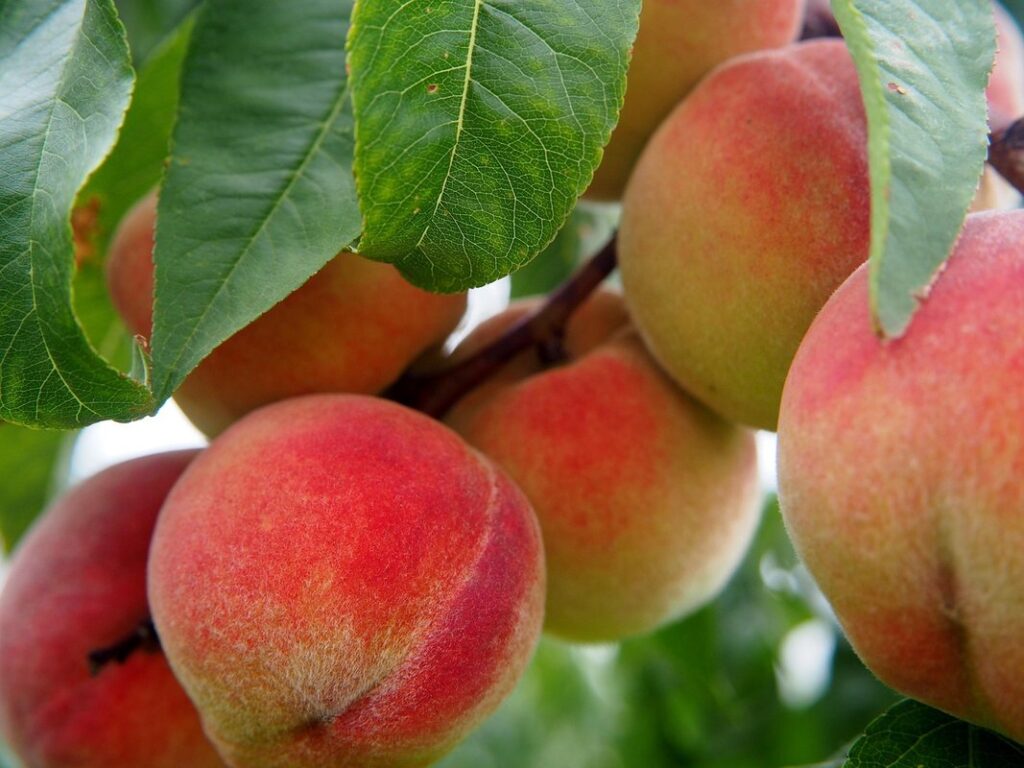
What is a Semi-Dwarf Peach Tree?
If you’re new to growing peach trees, it’s essential to understand what makes a semi-dwarf tree unique, and how that impacts its yield potential. Let’s start by exploring the characteristics of these compact trees.
Definition and Characteristics
Semi-dwarf peach trees are a type of fruit tree that has gained popularity among gardeners and orchardists due to their compact size and high productivity. These trees differ from standard peach trees in several ways, making them an ideal choice for small spaces or commercial growers looking for increased yields.
One of the primary advantages of semi-dwarf peach trees is their reduced size, typically growing between 6-12 feet tall. This compact stature allows for easier maintenance, pruning, and harvesting, making it perfect for home gardeners with limited space. Additionally, semi-dwarf peach trees tend to produce more fruit per square foot compared to standard peach trees.
In fact, some semi-dwarf varieties can yield up to 20-30 pounds of peaches per year, which is significantly higher than the average yield of a standard peach tree. This increased productivity is due in part to the tree’s ability to produce multiple branches and flowers, resulting in a more abundant harvest.
Benefits for Home Gardeners
As a home gardener, you’re likely looking for ways to maximize space and reduce maintenance while still enjoying the benefits of growing your own fruit. That’s where semi-dwarf peach trees come in – they offer a perfect solution for small spaces and busy gardeners. One of the main advantages of these compact trees is that they require minimal space, making them ideal for urban gardens or backyards with limited room.
Semi-dwarf peach trees are also remarkably easy to maintain, as they don’t need regular pruning like full-size trees do. This means you’ll save time and effort on upkeep, allowing you to focus on other aspects of your garden. Plus, their smaller size makes them less susceptible to pests and diseases, reducing the risk of damage and loss. To get the most out of your semi-dwarf peach tree, be sure to plant it in a location with full sun (at least 6 hours of direct sunlight) and well-draining soil.
By choosing a semi-dwarf peach tree for your home garden, you’ll enjoy a bountiful harvest of delicious peaches with minimal fuss and effort.
Climate and Soil Requirements for Optimal Yield
To achieve optimal yield from your semi-dwarf peach tree, it’s essential to understand the specific climate and soil requirements that will support its growth. This involves creating a suitable environment for your tree to thrive in.
Effect of Temperature on Fruit Production
When it comes to growing peach trees, temperature plays a crucial role in determining the optimal yield. Different regions have varying temperature requirements for peach tree growth and fruit production.
In general, peach trees thrive in temperatures between 65°F and 85°F (18°C and 30°C). During the dormant season, temperatures below 35°F (2°C) can cause damage to the tree’s buds and flowers. On the other hand, high temperatures above 90°F (32°C) can lead to sunburn and heat stress.
For optimal fruit production, peach trees require a specific temperature range during the growing season. In regions with mild winters, such as California or Spain, peach trees can thrive in temperatures up to 95°F (35°C). However, in areas with harsher climates, such as those in the northeastern United States or southern Canada, peach trees may not tolerate temperatures above 85°F (30°C).
To ensure optimal yield, it’s essential to choose a peach tree variety that is suitable for your region’s climate. Some popular varieties for warm regions include ‘Crimson Lady’ and ‘O’Henry’, while cooler regions might prefer ‘Red Haven’ or ‘Belle of Georgia’.
Importance of Well-Draining Soil
When it comes to growing a semi-dwarf peach tree, having well-draining soil is crucial for its health and optimal yield. Waterlogged soil can lead to root rot, nutrient deficiencies, and other issues that can significantly impact your tree’s productivity.
The type of soil you have will also play a significant role in determining the overall performance of your peach tree. Sandy soils drain quickly but may lack essential nutrients, while clay soils retain water but can be difficult for roots to penetrate. If you’re growing on heavy clay or dense soils, consider improving drainage by incorporating organic matter like compost or well-rotted manure.
In addition to soil type, the pH level is also vital for peach tree growth. Aim for a slightly acidic to neutral pH (around 6.0-7.0) to ensure your tree’s nutrient uptake is optimal. If you’re unsure about your soil conditions, consider getting it tested and adjusting accordingly. By taking steps to improve soil drainage and adjust the pH level as needed, you’ll be well on your way to promoting healthy growth and increasing the average yield of your semi-dwarf peach tree.
Factors Affecting Yield: Pruning, Watering, and Fertilization
To optimize your semi-dwarf peach tree’s yield, let’s dive into the key factors of pruning, watering, and fertilization that can significantly impact its production. Proper care is crucial for a healthy and thriving tree.
Best Pruning Practices for Semi-Dwarf Peach Trees
When it comes to maximizing the yield of your semi-dwarf peach tree, pruning is a crucial aspect that often gets overlooked. Proper pruning techniques can promote healthy growth, encourage fruiting, and even prevent disease from taking hold.
To prune your semi-dwarf peach tree effectively, start by removing any dead or diseased branches. This will help prevent the spread of disease and reduce the risk of pests. Next, identify any crossing branches that are rubbing against each other – these should be removed to allow for proper air circulation and sunlight penetration.
When cutting back branches, make your cuts at a 45-degree angle just above a bud or lateral branch. This will encourage new growth from the cut area and help maintain the tree’s shape. It’s also essential to thin out some of the fruiting wood in late winter or early spring, removing about one-third of the oldest canes to promote new fruiting.
By following these pruning techniques, you’ll be able to optimize your semi-dwarf peach tree’s growth potential and set it up for a bountiful harvest.
Importance of Adequate Watering
Water is essential for peach tree growth, and inadequate watering can lead to reduced yields and even tree death. Over-watering can cause root rot, while under-watering results in stressed trees that are more susceptible to pests and diseases.
To determine optimal watering schedules, it’s crucial to consider factors like climate, soil type, and tree age. In regions with high temperatures or low rainfall, peach trees may require more frequent watering. For instance, in areas where annual rainfall is below 20 inches, supplemental irrigation may be necessary.
A simple way to check if your tree needs water is by inserting a finger into the soil up to the knuckle. If the soil feels dry, it’s time for irrigation. You can also use a moisture meter or observe changes in leaf color and droopiness to gauge watering needs.
As a general rule of thumb, aim to provide 1-2 inches of water per week during growing seasons. This may involve either rainfall or supplemental irrigation. Keep an eye on weather forecasts to adjust your schedule accordingly.
Common Challenges and Their Impact on Yield
When growing semi-dwarf peach trees, it’s essential to be aware of common challenges that can affect their yield, from pests and diseases to weather conditions. Let’s explore these obstacles together.
Disease Management and Prevention
Semi-dwarf peach trees are susceptible to various diseases that can significantly impact their yield. One of the most common issues is powdery mildew, a fungal disease that causes white powdery patches on leaves and stems. This infection occurs when excess moisture and high temperatures create an ideal environment for fungi growth.
Another prevalent issue is brown rot, caused by the fungus Monilinia fructicola. It manifests as soft, brown spots or lesions on fruit and can quickly spread to infect other parts of the tree. Both powdery mildew and brown rot are often linked to poor air circulation and inadequate pruning practices.
To manage these diseases effectively, it’s essential to maintain good hygiene in your orchard. Regularly remove any infected plant material, disinfect pruning tools, and ensure proper spacing between trees for improved airflow. By implementing these preventive measures and monitoring your trees regularly, you can significantly reduce the risk of disease and promote a healthy yield.
When choosing peach tree cultivars, look for varieties with built-in resistance to specific diseases, such as ‘Red Haven’ or ‘Crimson Lady’. By combining these strategies, you’ll be well-equipped to handle common challenges affecting semi-dwarf peach trees.
Pest Control and Management
Pests can significantly impact the yield of semi-dwarf peach trees. Common pests that target these trees include aphids, whiteflies, spider mites, and codling moths. Aphids, for example, feed on sap, causing curled or distorted leaves and stunted growth, while codling moths lay eggs in fruit, leading to infested and unmarketable produce.
The impact of pests on yield is substantial, with studies showing that a 10% reduction in peach tree yield can be attributed to pest damage. To control these pests, growers often turn to chemical pesticides. However, these chemicals can also harm beneficial insects, such as bees and ladybugs, which are essential for pollination and biological pest control.
Organic control methods offer a more targeted approach to managing pests. Neem oil, for instance, is a natural pesticide that disrupts insect growth and development, while pyrethrin sprays repel and kill pests without harming beneficial insects. Growers can also use physical barriers, such as fine mesh or row covers, to prevent pests from reaching the trees in the first place. Regular monitoring of trees and prompt action when pest populations rise are crucial for minimizing damage and maintaining optimal yield.
Measuring and Maximizing Yield: Tips for Home Gardeners
To maximize your semi-dwarf peach tree’s yield, it’s essential to understand how to measure and optimize its production throughout the growing season. We’ll explore tips to help you get the most from your tree.
Monitoring Fruit Production Cycles
As you wait for your semi-dwarf peach tree to bear fruit, it’s essential to keep track of its production cycles. This will help you anticipate when the harvests are coming and plan accordingly. Monitoring your tree’s cycle can be as simple as keeping a calendar or using a garden app to mark key dates.
To start, observe your tree’s growth patterns and note when the flowers bloom in spring. Typically, peach trees take around 2-3 weeks from flower pollination to fruit set. Once you’ve established this timeline for your specific tree, use it to anticipate when your peaches will be ready for harvest.
Hand-thinning is a crucial strategy for monitoring production cycles. Remove excess fruit, usually one or two per cluster, to promote healthy growth and prevent over-burdening of the tree’s branches. This will also help you avoid having too many ripe fruits at once, which can lead to spoilage or wasted yield.
Post-Harvest Care for Optimal Regrowth
When you’re done harvesting peaches from your semi-dwarf tree, it’s essential to prioritize post-harvest care. This is a critical phase that directly impacts the tree’s ability to regrow and produce fruit again next season. Proper pruning, fertilization, and disease protection are key techniques to focus on.
Pruning involves cutting back branches to promote new growth, encourage air circulation, and remove diseased or damaged areas. Prune your semi-dwarf peach tree in late winter or early spring, removing any dead, diseased, or crossing branches. Make clean cuts just above a bud or lateral branch using sharp, sterilized pruning tools.
Fertilize your tree in early spring with a balanced, fruit-tree specific fertilizer following the manufacturer’s instructions. This will provide essential nutrients for regrowth and fruit development. For example, a 10-10-10 NPK (nitrogen-phosphorus-potassium) ratio is suitable for peach trees.
Protect your tree from diseases such as brown rot and powdery mildew by maintaining good air circulation, removing infected areas, and applying fungicides if necessary. Regular monitoring of the tree’s health will help you catch any issues before they spread.
Economic Considerations: Calculating Costs and Benefits
When evaluating the potential return on investment for your semi-dwarf peach tree, it’s essential to consider both upfront costs and long-term benefits. This section will walk you through calculating these economic factors.
Initial Investment vs. Long-Term Savings
When it comes to semi-dwarf peach trees, understanding the initial investment versus long-term savings is crucial for determining their overall value. The upfront cost of purchasing and planting a semi-dwarf peach tree can range from $50 to $200, depending on factors like the tree’s size, age, and quality.
However, these costs pale in comparison to the long-term benefits. Semi-dwarf peach trees are bred to be more compact and require less maintenance than standard varieties, which means you’ll save money on pruning, training, and fertilization. In fact, a study by the University of California found that semi-dwarf peach trees can reduce labor costs by up to 30% compared to traditional varieties.
Over time, your semi-dwarf peach tree will also begin to produce fruit, generating revenue through sales or home consumption. With an average yield of 10-20 bushels per year, you can expect to harvest around $500-$1,000 worth of peaches annually. When factoring in the long-term savings and increased yields, the initial investment of a semi-dwarf peach tree becomes a wise choice for fruit enthusiasts and small-scale farmers alike.
To maximize your return on investment, consider the following tips: choose a high-quality tree from a reputable nursery, plant it in a location with optimal sunlight and soil conditions, and provide regular care to promote healthy growth. With proper maintenance and patience, your semi-dwarf peach tree will become a lucrative asset for years to come.
Potential Income Streams for Home Gardeners
As you enjoy the fruits of your labor from your semi-dwarf peach tree, you may wonder if there’s a way to monetize that bounty. Many home gardeners are now tapping into their harvests to earn some extra income, and it’s easier than you think.
One option is to sell excess fruit directly to friends, family, or neighbors who may be interested in buying fresh, locally grown produce. You can also consider selling your peaches at local farmer’s markets, roadside stands, or even through community-supported agriculture (CSA) programs. To determine which market is most viable, research the demand for peaches in your area and assess the competition.
You could also explore value-added products like jams, jellies, preserves, or dried fruit to give your harvest a longer shelf life and increase its appeal to customers. Online platforms like Etsy or local craft fairs can be great places to showcase and sell these products. Before getting started, consider factors like production costs, pricing strategies, and the time required for preparation and marketing. With some planning and creativity, you can turn your peach tree’s bounty into a profitable venture.
Frequently Asked Questions
Can I expect the yield of my semi-dwarf peach tree to increase over time?
Yes, with proper care and maintenance, your semi-dwarf peach tree’s yield can increase significantly over the years. Factors such as regular pruning, optimal watering, and fertilization will contribute to its overall productivity. Be patient and enjoy the benefits of a well-maintained tree.
How often should I prune my semi-dwarf peach tree for maximum fruit production?
Pruning is crucial for maintaining your semi-dwarf peach tree’s optimal yield potential. Prune your tree annually, focusing on removing any dead, diseased, or damaged branches. Cut back the tip of new growth to encourage bushy growth and promote fruiting. This will ensure a bountiful harvest.
What are some common mistakes that can reduce my semi-dwarf peach tree’s yield?
Common errors like overwatering, poor pruning techniques, and inadequate fertilization can significantly impact your semi-dwarf peach tree’s productivity. Be aware of these pitfalls to avoid them and optimize your tree’s performance. Regular monitoring and adjustments will help you achieve maximum yields.
Can I grow multiple semi-dwarf peach trees in a small backyard?
Yes, it is possible to grow several semi-dwarf peach trees in a small space. However, ensure adequate spacing (around 10-15 feet) between each tree to prevent overcrowding and disease transmission. Proper pruning and training will also help promote healthy growth and maximize yields.
How do I calculate the potential income from my semi-dwarf peach tree harvest?
To estimate your earnings, research local market prices for fresh peaches or frozen/dried products. Calculate your yield based on the average weight of fruit per year (typically around 10-20 pounds per tree). Then, multiply this number by the average price per pound to determine your potential income. This will give you a better understanding of your semi-dwarf peach tree’s financial value.