
Are you tired of relying on store-bought vegetables during the cold winter months? If so, you’re in luck because Austrian winter peas are here to revolutionize your cooking and gardening routine. This nutrient-rich legume is specifically bred for its ability to thrive in chilly climates, making it a game-changer for gardeners living in areas with harsh winters. But that’s not all – Austrian winter peas also pack a punch when it comes to nutrition, providing an impressive amount of protein, fiber, and other essential vitamins and minerals. In this article, we’ll delve into the benefits of growing and consuming Austrian winter peas, share some delicious recipes, and offer expert tips on how to cultivate these superfoods in your own backyard.
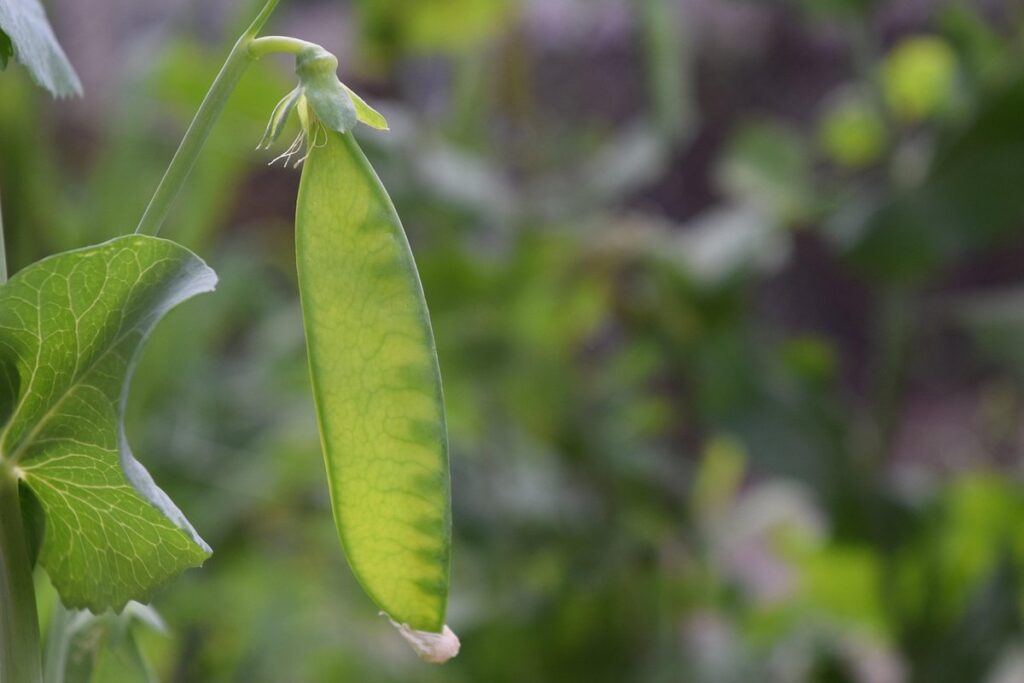
History and Cultural Significance of Austrian Winter Peas
Austrian winter peas have a rich history that spans centuries, originating from traditional European cuisine where they were prized for their hardiness and flavor. Let’s explore this fascinating heritage together!
Origins and Early Adoption in Austria
Winter peas were introduced to Austria through the Mediterranean region via the Silk Road trade route. The earliest written records of their cultivation date back to the 16th century, where they were grown as a winter crop due to their hardiness and ability to thrive in cooler temperatures.
Initially, Austrian farmers adopted winter pea cultivation with enthusiasm, particularly in the Alpine regions. They discovered that these versatile legumes could be used not only for food but also as a nitrogen-fixing companion plant for other crops. Early cultivation practices involved planting winter peas directly into soil after harvesting the previous summer’s crops, allowing them to establish themselves before the onset of winter.
Austrian peasants recognized the value of winter peas for their high protein content and ability to tolerate harsh weather conditions. As a result, they integrated these easy-to-grow legumes into their traditional farming practices, often intercropping them with other staples like wheat and rye.
Traditional Uses in Austrian Cuisine
In traditional Austrian cuisine, winter peas are a staple ingredient that adds depth and flavor to various dishes. One of the most iconic uses of winter peas is in the classic Viennese soup, Eintopf, which translates to “one pot” in English. This hearty soup is made with winter peas, beef or pork, vegetables, and bread, all cooked together in one large pot.
Winter peas are also a key ingredient in Austrian goulash, a paprika-spiced stew that’s popular throughout the country. Simply sauté onions, garlic, and paprika in oil, add diced meat (beef or pork), winter peas, tomatoes, and broth, and let it simmer for at least an hour.
Another traditional recipe featuring winter peas is Austrian-style pea salad, where they’re mixed with potatoes, carrots, onions, and sometimes ham or bacon. The key to making this dish is to use high-quality ingredients, such as fresh herbs like parsley and dill, and a good balance of salt and vinegar.
Winter peas are also used in Austrian Christmas dishes, particularly in the Christmas Eve dinner. They’re often served with roasted meat, vegetables, and bread, or made into a side dish like braised red cabbage with winter peas and apples.
Benefits and Nutritional Value of Winter Peas
Austrian winter peas are not only a joy to grow, but they’re also packed with nutritional goodness. Let’s dive into their impressive benefits and explore what makes them such a healthy addition to your diet.
Protein Content and Versatility
Winter peas are an excellent source of protein, making them an attractive option for vegetarians and vegans. In fact, they contain around 22% protein by dry weight, which is comparable to that of soybeans. This high protein content makes winter peas a versatile ingredient that can be used as a substitute for animal-based protein sources in various dishes.
You can incorporate winter peas into your diet in a variety of ways. Try using them as a meat substitute in stir-fries or stews, or blend them into protein-rich smoothies and juices. Winter peas also pair well with grains like rice and quinoa to create complete protein profiles. For example, pairing cooked winter peas with brown rice and almonds provides all the essential amino acids your body needs.
When substituting animal-based proteins with winter peas, keep in mind that they have a milder flavor than beans or legumes. So feel free to experiment with different seasonings and spices to bring out their natural sweetness. With their impressive protein content and versatility, it’s no wonder why winter peas are becoming increasingly popular among health-conscious foodies and gardeners alike.
Other Nutrient-Dense Properties
In addition to their high protein content, winter peas are also an excellent source of other essential nutrients that contribute to their nutritional value. One key benefit is their rich fiber content, which can help support healthy digestion and bowel function. In fact, just one cup of cooked winter peas contains a impressive 13 grams of dietary fiber.
Winter peas are also a good source of various vitamins and minerals, including iron, zinc, potassium, and vitamin K. These micronutrients play important roles in maintaining overall health, from supporting immune function to regulating blood pressure. For example, the high levels of potassium found in winter peas can help lower blood pressure by balancing out sodium levels in the body.
To get the most nutritional benefits from your winter pea crop, be sure to eat them raw or lightly cooked to preserve their delicate nutrient profile. You can also add them to salads, soups, and other dishes for an extra boost of fiber, vitamins, and minerals. By incorporating winter peas into your diet, you’ll not only enjoy a delicious and versatile legume but also reap the rewards of improved overall health and well-being.
Growing Winter Peas: Tips and Techniques
To grow Austrian winter peas successfully, you’ll want to focus on providing them with the right conditions and care, which we cover in detail below. Let’s dive into some essential tips for growing a bountiful crop.
Climate and Soil Requirements
When growing Austrian winter peas, it’s essential to provide them with the right climate and soil conditions. Winter peas thrive in temperatures between 40°F (4°C) and 70°F (21°C), making them an excellent choice for cool-season production. They can tolerate light frosts but may be damaged by prolonged exposure to extreme cold.
In terms of moisture, winter peas require about 20-25 inches of rainfall or irrigation throughout the growing season. Aim to provide consistent moisture, especially during the first few weeks after planting, when the seeds are germinating and seedlings are developing their root system. Avoid overwatering, which can lead to root rot and other issues.
Soil pH between 6.0 and 7.0 is ideal for winter peas. They prefer well-draining soil with a mix of organic matter, such as compost or manure, to promote healthy growth and nitrogen fixation. If your soil lacks these qualities, consider creating a raised bed or amending the existing soil with the necessary nutrients and amendments. By providing the right climate and soil conditions, you’ll be on your way to growing a bountiful crop of Austrian winter peas.
Sowing and Harvesting Instructions
When sowing Austrian winter peas, make sure the soil is at least 45°F (7°C) to facilitate germination. Sow seeds about 1 inch deep and 2-3 inches apart in rows that are 18-24 inches apart. This will give the seedlings room to spread out as they mature.
As your plants grow, you’ll need to provide support for them. You can use a trellis or a fence to keep the vines from spreading too far. Make sure the support is sturdy and tall enough to allow the peas to climb without becoming top-heavy.
Timing your harvest is crucial to getting the best flavor and texture out of your Austrian winter peas. Check on your plants regularly, looking for the peas to be plump and full of flavor. You can usually expect to start harvesting in about 60-70 days after sowing. Pick the peas when they’re bright green and tender, as they will continue to grow if left on the plant too long.
Remember that Austrian winter peas are a cool-season crop, so be sure to harvest them before the temperatures rise too high. Regular harvesting will encourage your plants to produce more flowers and pods, ensuring you get the most out of your crop.
Cooking and Preparing Winter Peas
Now that you’ve harvested your Austrian winter peas, let’s talk about how to cook them to bring out their natural sweetness. From boiling to roasting, we’ll explore some delicious ways to prepare these tender legumes.
Simple Recipes for Beginners
Winter peas are incredibly versatile, and one of their best qualities is that they can be used in a variety of dishes. As a beginner, you might be wondering where to start with cooking winter peas. Fortunately, there are plenty of simple recipes that showcase the incredible flavor and nutritional benefits of these little legumes.
One easy recipe for beginners is a hearty winter pea soup. Simply sauté some onions, garlic, and carrots in olive oil, then add a cup or two of dried winter peas, along with four cups of vegetable broth and a teaspoon of dried thyme. Let the mixture simmer until the peas are tender, about 30-40 minutes. Season with salt and pepper to taste.
Another simple recipe is roasted winter pea salad. Toss together one cup of fresh winter peas, two tablespoons olive oil, one tablespoon lemon juice, and a pinch of salt. Roast in the oven at 400°F for about 15-20 minutes, or until tender. Let cool, then toss with some chopped herbs like parsley or chives.
You can also try adding cooked winter peas to pasta dishes or risottos for added protein and flavor. For example, toss cooked spaghetti with olive oil, parmesan cheese, and a cup of cooked winter peas for a delicious weeknight dinner.
More Complex Dishes and Pairing Suggestions
When it comes to cooking with Austrian winter peas, the possibilities are endless. These versatile legumes can be used in a variety of dishes, from hearty stews and soups to elegant salads and side dishes. For more advanced cooks, consider making a traditional Austrian dish like Erbsensuppe, a creamy pea soup flavored with pork and vegetables.
You can also use winter peas as a substitute for snap peas or snow peas in stir-fries and sautés. Simply blanch the peas in boiling water until tender, then toss them with garlic, ginger, and your choice of protein (such as chicken or tofu) and serve over rice or noodles. For a vegetarian option, try pairing winter peas with roasted sweet potatoes and a tangy lemon-tahini sauce.
If you’re feeling adventurous, experiment with international flavors by adding Korean chili flakes to your pea stir-fry or using Indian spices like cumin and coriander to flavor a warm pea and barley salad. The key is to balance the delicate sweetness of the peas with bold, aromatic flavors that will make each bite sing.
Austrian Winter Peas vs. Other Varieties
Let’s dive into how Austrian winter peas compare to other varieties, including their growth habits and yields.
Comparison to English Garden Peas
When it comes to growing and enjoying peas, Austrian winter peas often get compared to their more traditional counterpart: English garden peas. While both varieties share some similarities, they also have distinct differences that set them apart.
Growth habits are one of the main differences between the two. English garden peas tend to be vining plants that require a trellis or other support to grow, whereas Austrian winter peas are compact and bushy, making them perfect for smaller gardens or containers. This difference in growth habit also affects the way they’re harvested – English garden peas need to be picked continuously as pods form, while Austrian winter peas can be left on the plant to mature before being gathered all at once.
In terms of flavor profiles, Austrian winter peas have a milder and sweeter taste compared to English garden peas, which are often described as sweet but also slightly earthy. This makes Austrian winter peas an excellent choice for adding to soups, stews, or salads without overpowering the other flavors. Additionally, the mature seeds of Austrian winter peas can be saved and replanted, making them a more sustainable option in the long run.
If you’re already familiar with growing English garden peas, switching to Austrian winter peas is relatively straightforward. Simply adjust your planting schedule to accommodate their earlier maturity date (usually around 50-60 days), and enjoy the benefits of this hardy and versatile legume variety.
Comparison to Sugar Snap Peas
When it comes to choosing between Austrian winter peas and sugar snap peas, there are several distinct characteristics that set them apart. One of the main advantages of Austrian winter peas is their hardiness and ability to thrive in colder temperatures, making them an ideal choice for gardeners living in areas with harsh winters. In contrast, sugar snap peas are typically more delicate and require a longer growing season.
Another key difference lies in their flavor profiles. Austrian winter peas have a sweeter, nuttier taste that’s often described as more robust than sugar snap peas. This is due to the fact that they’re harvested when mature, rather than at the tender-pod stage like sugar snaps. Additionally, Austrian winter peas are higher in protein and fiber compared to their counterparts.
If you’re looking for a variety that can be harvested year-round, Austrian winter peas are the clear winner. With proper care, they can produce multiple crops throughout the season, making them a more sustainable choice for gardeners.
Where to Buy and How to Store Winter Peas
Now that you’ve harvested your Austrian winter peas, let’s talk about where to buy them next season and how to store them properly for optimal flavor and nutrition.
Sources for Seeds and Plants
When it comes to sourcing seeds or plants for Austrian Winter Peas, you have several options. Online retailers such as Burpee, Seed Savers Exchange, and Renee’s Garden Seeds offer a wide variety of seed types, including those specifically bred for winter production. These online stores often provide detailed descriptions of the seed varieties, their growth habits, and ideal growing conditions.
If you prefer to buy from local nurseries or gardening suppliers, consider visiting nearby botanical gardens or extension offices for advice on selecting the right type of pea for your climate and region. Many local nurseries also offer a selection of Austrian Winter Peas seeds or plants in the spring, after their order has been received from seed companies.
For those who prefer to purchase directly from reputable seed banks, companies like High Mowing Seeds and Baker Creek Heirloom Seeds specialize in organic and heirloom varieties, including peas. When purchasing seeds online, ensure that they are suitable for your USDA Hardiness Zone and climate by checking the specific growing instructions provided with each order.
Storage Tips for Fresh and Frozen Peas
Storing winter peas properly is crucial to maintaining their flavor, texture, and nutritional value. When it comes to fresh peas, you can store them in a cool, dry place like the refrigerator. Remove any stems or leaves that may be soggy or damaged, as these can cause moisture to accumulate and lead to spoilage.
Wrap the peas in a breathable material like paper towels or a mesh bag to maintain humidity and prevent moisture buildup. Store them in a shallow container to allow for air circulation. For optimal freshness, use them within 3-5 days of purchase.
Frozen winter peas are also a great option for long-term storage. To freeze, blanch the peas in boiling water for 2-3 minutes to inactivate enzymes that can cause spoilage. Shock them in an ice bath and then transfer them to an airtight container or freezer bag. Frozen peas will retain their flavor and nutritional value for up to 8 months.
When choosing frozen peas, look for those that have been flash-frozen immediately after harvesting to preserve their quality. Avoid washing the peas before freezing, as excess moisture can lead to freezer burn.
Frequently Asked Questions
Can I grow Austrian winter peas in containers or indoor spaces if I live in a harsh climate?
Yes, you can definitely grow Austrian winter peas in containers or indoor spaces, making them an ideal choice for gardeners living in areas with extreme winters. They require minimal space and can thrive in temperatures as low as 40°F (4°C). Use a large container with good drainage and follow the same sowing and harvesting instructions mentioned earlier.
How long do Austrian winter peas take to mature from seed?
Austrian winter peas typically take around 60-70 days to mature from seed, but this can vary depending on your specific climate and growing conditions. To ensure optimal growth, make sure to sow seeds in late summer or early fall when the weather starts to cool down.
Can I eat Austrian winter peas raw or must they be cooked?
While Austrian winter peas are technically edible raw, cooking them is highly recommended for optimal flavor and digestibility. Raw peas can be a bit tough and fibrous, whereas cooked peas become tender and sweeter. Try adding them to salads or using them in soups and stews.
How do I preserve my harvested Austrian winter peas for longer storage?
To keep your harvested Austrian winter peas fresh for an extended period, consider freezing or dehydrating them. You can also store them in airtight containers in the refrigerator for up to 5 days. For longer-term preservation, freeze-drying or vacuum-sealing are excellent options.
Can I grow Austrian winter peas alongside other vegetables or will they compete for resources?
Austrian winter peas are relatively low-maintenance and won’t compete aggressively with other vegetables for resources. However, it’s essential to provide them with a balanced diet of nitrogen-rich soil amendments and adequate water supply. Planting them alongside other legumes like carrots or beets can also promote beneficial relationships and reduced pest susceptibility.