
You’re probably no stranger to the sweet serenade of crickets or the occasional chirp of birds, but have you ever stopped to listen for the faint ribbiting sounds in your own garden? Small green frogs are often hiding in plain sight, bringing a wealth of benefits to your ecosystem. Not only do these tiny amphibians help control pests and maintain the balance of nature, but they’re also a delight to observe up close.
In this article, we’ll delve into the world of small green frogs and explore how you can create a frog-friendly garden in your own yard. We’ll discuss the simple changes you can make to attract these tiny visitors, from providing the perfect habitat to choosing plants that support their well-being. By learning how to invite small green frogs into your garden, you’ll not only be creating a more sustainable space but also gaining a unique opportunity to appreciate these fascinating creatures in action.
Understanding the Basics
Before we dive into more advanced topics, let’s start by covering the fundamental facts about these tiny amphibians and their habitat needs. This will give you a solid foundation to work from as you learn more.
What Are Small Green Frogs?
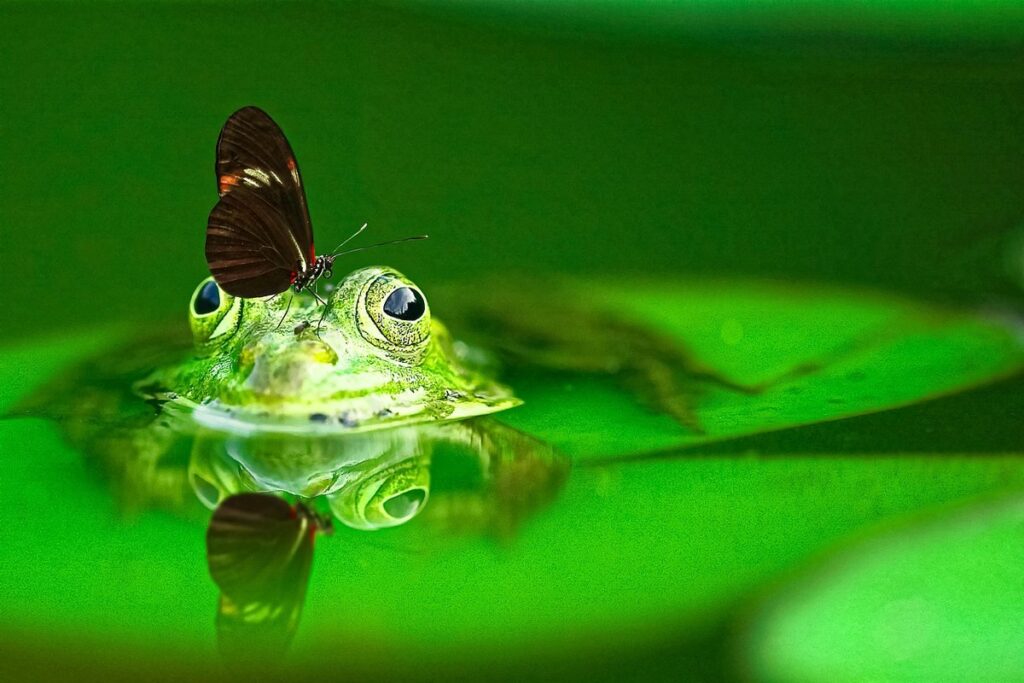
Small green frogs are a common sight in many gardens, but they can be tricky to identify. If you’re lucky enough to spot one, take a closer look and you’ll notice they have a few distinct physical characteristics that set them apart from other frog species.
One of the most striking features of small green frogs is their vibrant green coloration. This camouflage helps them blend in with their surroundings, making it easier for them to sneak up on unsuspecting insects. They typically range in size from about 1-3 inches (2.5-7.6 cm) in length, although some species can grow slightly larger.
As you observe these tiny frogs, you might notice that they have a distinctive rounded body shape and short legs. Don’t be surprised if you see them hopping around on the ground or perched on a nearby leaf – small green frogs are agile jumpers!
It’s worth noting that there are several species of small green frogs found in gardens, including the American Green Treefrog (Hyla cinerea) and the European Common Frog (Rana esculenta). While their physical characteristics may vary slightly, they all share that iconic green hue.
Life Cycle and Habitat
The life cycle of small green frogs is a fascinating process that spans several stages. It begins with the female frog laying her eggs in a safe and sheltered location, such as near a pond or a water feature in your garden. The eggs are typically laid in clusters and can range from 10 to 20 individuals.
After about two to four weeks, the eggs hatch into tadpoles. These tiny creatures feed on algae and small aquatic plants, using their gills to breathe underwater. During this stage, they undergo a process called metamorphosis, where they transform from fish-like creatures to frog-like ones.
As the tadpoles grow, they begin to develop lungs and lose their gills. This process usually takes around 2-3 months. Once they have fully transformed into adult frogs, they start to venture out of the water and onto land, where they can hunt for insects and other small invertebrates.
When creating a frog-friendly garden, consider planting native vegetation that provides shelter and food sources for these tiny creatures. Include plants like cattails, water lilies, and irises, which offer both shelter and breeding grounds for small green frogs. Also, ensure there is access to still or slow-moving water where they can lay their eggs and tadpoles can undergo metamorphosis.
By creating a welcoming environment in your garden, you can encourage these tiny amphibians to thrive and become an integral part of your ecosystem.
Attracting Small Green Frogs to Your Garden
Now that we’ve discussed the benefits of having small green frogs in your garden, let’s focus on how to attract them to create a thriving ecosystem. To draw these tiny amphibians in, you’ll need to provide the right environment and food sources.
Creating a Frog-Friendly Environment
To create a frog-friendly environment in your garden, you’ll want to focus on attracting small green frogs with native vegetation. Planting native plants and flowers will not only provide the perfect hiding spots for these tiny creatures but also ensure they have access to their preferred food sources. For example, native grasses and wildflowers are ideal choices as they attract various insects that small green frogs feed on.
In addition to planting native vegetation, it’s essential to provide a reliable water source. Frogs need water to survive, so consider installing a shallow dish or birdbath with fresh water and some rocks or twigs for them to climb onto. Make sure the water is changed regularly to prevent mosquito breeding and maintain a healthy ecosystem.
Reducing pesticide use in your garden will also contribute to creating a frog-friendly environment. These chemicals can be toxic to frogs, so opt for organic gardening methods instead. By maintaining a balanced ecosystem, you’ll not only attract small green frogs but also other beneficial wildlife, like birds and butterflies.
Tips for Attracting Specific Species
When it comes to attracting specific species of small green frogs to your garden, understanding their unique preferences and needs is crucial. For instance, the American Green Tree Frog (Hyla cinerea) thrives in gardens with an abundance of ants, which are a staple in its diet. To attract this species, create ant-friendly habitats by planting native flowers that produce nectar-rich blooms, such as lavender or coneflower.
On the other hand, the Cuban Tree Frog (Osteopilus septentrionalis) requires more substantial shelter to feel secure. Provide rocks, logs, or other hiding places for these frogs to bask and hide from predators. For species like the Pacific Chorus Frog (Pseudacris regilla), which breeds in the spring, create a shallow water source with aquatic plants like cattails or water lilies.
To attract breeding individuals of specific frog species, consider the time of year they typically breed. Some species, such as the Wood Frog (Rana sylvatica), release their eggs in early spring, while others, like the Spring Peeper (Pseudacris crucifer), do so later in the season.
Benefits of Having Small Green Frogs in Your Garden
Let’s dive into the wonderful benefits of having small green frogs in your garden, from pest control to unique entertainment value. You’ll be thrilled at what these tiny friends can bring to your outdoor space!
Ecological Importance
Having small green frogs in your garden is not only delightful to watch, but it also plays a vital role in maintaining a healthy ecosystem. These tiny amphibians are ecological superheroes that contribute significantly to pest control, nutrient cycling, and biodiversity.
When it comes to pest control, small green frogs feed on insects like mosquitoes, flies, and even ticks – all of which can be nuisance pests. In fact, research has shown that a single frog can consume up to 10% of its body weight in insects daily! By controlling insect populations, these frogs help reduce the need for pesticides and maintain a balanced ecosystem.
In addition to pest control, small green frogs also participate in nutrient cycling by helping to break down organic matter. Their waste acts as a natural fertilizer, providing essential nutrients to plants and promoting soil health.
To encourage biodiversity, consider creating a frog-friendly habitat in your garden. This can be achieved by incorporating water features, such as ponds or birdbaths, and leaving some areas of the garden undisturbed with native vegetation. By doing so, you’ll not only attract small green frogs but also other beneficial wildlife like birds, bees, and butterflies.
Gardening and Landscaping Benefits
Having small green frogs in your garden comes with numerous benefits that go beyond their cute and tiny presence. One of the most significant advantages is the role they play in pollination and seed dispersal. As these little creatures hop around, they transfer pollen between plants, just like bees do, but without the buzzing noise. This process not only helps in fertilizing flowers but also aids in the reproduction of plants.
In addition to pollination, small green frogs also contribute to seed dispersal by consuming seeds and then depositing them elsewhere in their droppings. This natural process ensures that plant species are spread across your garden, promoting biodiversity. By attracting these tiny frogs, you’ll not only create a thriving ecosystem but also enjoy an explosion of colorful blooms and lush foliage.
To encourage small green frogs to stay in your garden, provide them with a water source and create a frog-friendly habitat by incorporating native plants that offer shelter and food. This simple yet effective approach will reward you with a vibrant and balanced ecosystem.
Common Issues with Small Green Frogs
When it comes to living with small green frogs in your garden, you might encounter a few challenges that can be frustrating and puzzling. Let’s take a closer look at some common issues they can cause.
Predators and Threats
As you’ve welcomed small green frogs into your garden, it’s essential to acknowledge the potential threats they face. Snakes are one of their primary predators, and species like garter snakes, king snakes, and rat snakes are known to feed on them. Birds such as blue jays, robins, and American crows also prey on small green frogs, often targeting them when they’re near water or basking in the sun.
Habitat destruction is another significant threat to these tiny amphibians. Human activities like deforestation, urbanization, and the creation of ponds with poor water quality can lead to the loss of their natural habitats. To mitigate these risks, consider creating a frog-friendly environment by maintaining a diverse range of plants, reducing pesticide use, and implementing conservation practices.
By being aware of these potential threats, you can take steps to protect your small green frogs. Install birdhouses or feeders away from your pond to distract birds from hunting near water. Similarly, provide a secure shelter for your frogs using rocks or logs, and maintain a clean environment by removing debris and ensuring good water quality.
Health Risks and Concerns
When it comes to small green frogs in your garden, it’s essential to be aware of the potential health risks they may pose. While these tiny amphibians are harmless and can even be beneficial for your ecosystem, there are certain situations where their presence might not be as welcoming.
Skin irritation is one common concern associated with small green frogs. Their secretions, while meant to help them communicate and defend themselves, can cause mild skin irritation or allergic reactions in some people. If you’re sensitive to amphibian secretions, handling these tiny frogs could lead to redness, itching, or even blistering.
Disease transmission is another concern. Small green frogs can carry diseases like Batrachochytrium dendrobatidis (Bd), a fungal infection that affects amphibians worldwide. While it’s rare for humans to contract Bd from small green frogs, it’s still possible if you have an open wound or are immunocompromised.
To minimize the risk of skin irritation and disease transmission, wash your hands thoroughly after handling small green frogs or their habitats. Wear protective clothing, like gloves, when interacting with them, especially if you’re sensitive to amphibian secretions. Regularly disinfect any surfaces or equipment that come into contact with these tiny creatures.
Best Practices for Coexisting with Small Green Frogs
Living alongside small green frogs requires a balance of kindness and caution, so let’s explore some essential best practices to ensure harmonious coexistence in your garden. By following these tips, you can peacefully share space with these tiny amphibians.
How to Observe and Study Them Safely
When encountering small green frogs in your garden, it’s essential to observe and study them safely to avoid disrupting their behavior or causing harm. Start by approaching the area quietly and calmly, allowing the frogs to feel at ease. Observe from a safe distance, using binoculars if necessary, to prevent scaring them away.
Respect their habitat by not disturbing their nesting sites or eggs. Small green frogs typically lay their eggs in clusters on vegetation above water or in damp areas. Avoid touching or handling the frogs, as this can cause them stress and even lead to injury.
Keep a record of your observations, noting details such as time, location, and behavior. This will help you track their habits and adapt your coexistence strategies accordingly. By adopting these guidelines, you’ll be able to safely observe and study small green frogs in your garden while preserving their natural habitat and way of life.
Human-Frog Conflict Resolution
Resolving territorial disputes between humans and small green frogs can be a delicate matter. The first step is to identify the root cause of the conflict. Is it the frog’s desire for food, shelter, or breeding grounds? Understanding their needs will help you find solutions that work for both parties. For instance, if the frog is after your garden’s insects, consider implementing natural pest control methods like attracting beneficial insects or using physical barriers to protect your plants.
To prevent territorial disputes from arising in the first place, establish a “frog-friendly” zone within your garden. This can be done by creating a small pond or a designated area with shallow water and vegetation that provides cover for the frogs. By giving them their own space, you’ll reduce competition for resources and minimize encounters between humans and frogs.
Remember, small green frogs are an integral part of our ecosystem, and coexisting with them requires patience and understanding.
Conclusion: Embracing Small Green Frogs in Your Garden
Now that you’ve learned how to coexist and appreciate these tiny visitors, let’s explore ways to intentionally welcome small green frogs into your garden ecosystem.
Recap of Key Takeaways
As you conclude this journey into the world of small green frogs in your garden, it’s essential to recap the key takeaways from our comprehensive guide. By now, you should have a deeper understanding of these fascinating creatures and how they can enhance your outdoor space.
Firstly, we’ve discussed the importance of creating a frog-friendly habitat in your garden. This involves incorporating features such as ponds, water sources, and hiding spots to attract small green frogs. Remember that these amphibians thrive in areas with plenty of moisture and vegetation.
We also explored the benefits of having small green frogs in your garden, including natural pest control, improved ecosystem health, and even aesthetic appeal. By embracing these tiny creatures, you’ll not only contribute to a balanced environment but also create a unique and engaging experience for yourself and your family.
To effectively attract small green frogs to your garden, consider implementing the following strategies:
* Provide shallow water sources, such as birdbaths or dish ponds, to facilitate easy access
* Incorporate native plants that offer shelter and food sources
* Avoid using pesticides, which can harm frog populations
* Create a diverse and layered environment by incorporating rocks, logs, and other features
By applying these tips and insights, you’ll be well on your way to creating a welcoming haven for small green frogs. Remember to appreciate these creatures from a safe distance, respecting their habitat and well-being.
As you continue to explore the world of small green frogs in your garden, keep in mind that these remarkable animals have much to teach us about coexistence, adaptability, and the importance of preserving our natural ecosystems.
Frequently Asked Questions
Can I attract small green frogs to my garden if it’s surrounded by a pond or lake?
While ponds and lakes can be beneficial for amphibians, they may not directly impact the presence of small green frogs in your garden. These tiny creatures often prefer shallow water with slow-moving currents, like a birdbath or shallow dish filled with fresh water. Consider adding one of these features to create a frog-friendly habitat in your garden.
How can I identify if my garden already has a population of small green frogs?
Look for signs of their presence such as eggs, tadpoles, or actual sightings during breeding season (usually spring and early summer). Keep an eye out for other indicators like vegetation eaten back to the ground or holes dug into soil. If you spot any of these signs, it’s likely that your garden is home to small green frogs.
What should I do if I notice a large number of small green frogs in my garden?
If you have a high concentration of small green frogs, it might be due to an overabundance of food or suitable habitat. Consider implementing some simple changes like removing excess vegetation, providing alternative food sources (like insects), or adding some shallow water features.
Can I keep small green frogs as pets if they live in my garden?
No, while it may seem tempting, keeping small green frogs as pets is not recommended. They have specific care requirements and can be sensitive to handling, making them challenging to maintain outside of their natural habitat.
How do I balance creating a frog-friendly environment with other gardening goals, like reducing pests and maintaining plant health?
Focus on creating a balanced ecosystem that benefits both your garden’s ecosystem services (like pest control) and the small green frogs. Use integrated pest management techniques and choose plants that support both biodiversity and healthy soil conditions. This approach will help minimize conflicts between your gardening goals and the needs of small green frogs in your garden.