
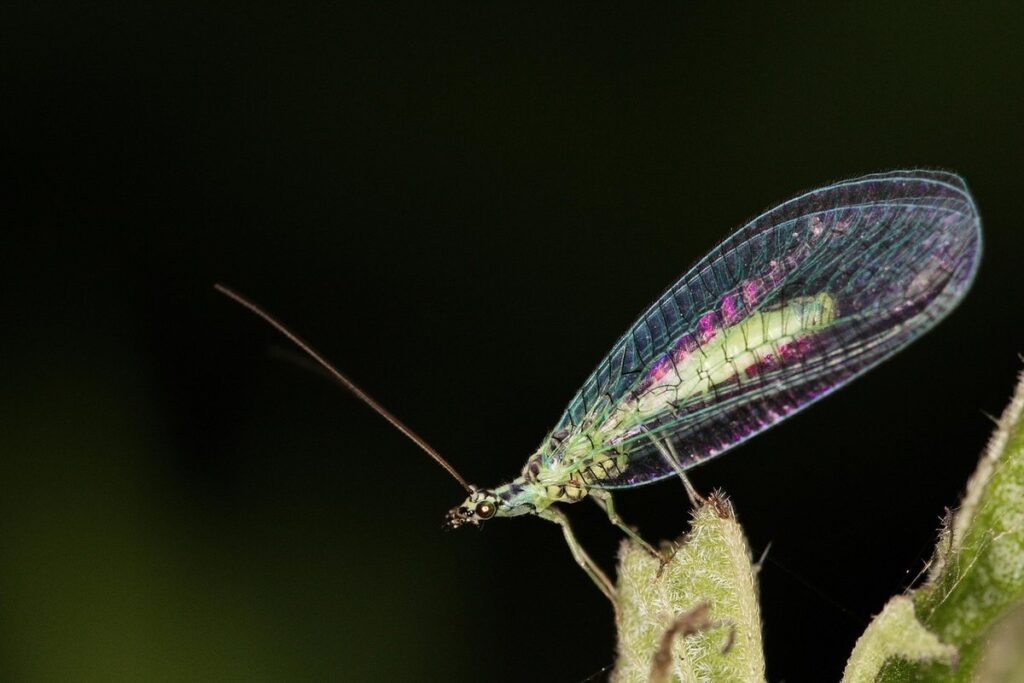
Lacewings are often overlooked as one of the most beneficial insects in our gardens. However, these delicate creatures play a crucial role in maintaining ecological balance by controlling pest populations and contributing to pollination and seed production. If you’re looking for a natural way to manage garden pests or simply want to create a more vibrant ecosystem, then learning about lacewings is a great place to start. In this article, we’ll delve into the world of lacewings and explore how these beneficial insects can support your gardening endeavors. We’ll discuss how to attract lacewings to your garden, their role in controlling pests, and how they contribute to pollination and seed production – giving you a comprehensive understanding of the many benefits of lacewings in your garden.
Introduction to Lacewings
Welcome to our exploration of lacewings, a fascinating and beneficial insect that’s sure to become your new garden friend. Let’s dive into what makes them so special.
What Are Lacewings?
Lacewings are delicate, yet powerful insects that play a crucial role in maintaining a balanced ecosystem in your garden. These insects belong to the order Neuroptera and have been around for millions of years, making them one of the oldest living insects on Earth.
The life cycle of lacewings consists of four stages: egg, larva, pupa, and adult. Lacewing eggs are typically laid on leaves or stems of plants, where the larvae emerge after a few days to feed on aphids, whiteflies, and other pests that can harm your garden. The larvae go through several molts as they grow, eventually entering the pupal stage before emerging as adult lacewings.
As beneficial insects, lacewings serve as a natural pest control mechanism in your garden. They prey on various pests, including aphids, mealybugs, and spider mites, helping to prevent infestations that can damage plants.
Importance of Lacewings in Ecosystems
Lacewings play a vital role in maintaining a balanced ecosystem, making them an essential component of a healthy garden. These delicate insects serve as both predators and prey, occupying multiple positions within the food chain. As predators, lacewings feed on aphids, whiteflies, and other soft-bodied pests that can cause significant damage to plants. A single lacewing can consume up to 60 times its own body weight in a day, making them highly effective at controlling pest populations.
In addition to their predatory role, lacewings also serve as an important food source for other animals. They are preyed upon by birds, spiders, and other insects, which helps to maintain the balance of these ecosystems. For example, robins and blue tits have been known to feed on lacewings in gardens, demonstrating the interconnectedness of these creatures.
To encourage lacewings in your garden, consider planting a diverse range of flowers that provide nectar for adults, such as angelica or fennel. By creating a welcoming environment for lacewings, you can reap the benefits of their pest-controlling abilities and contribute to a balanced ecosystem.
Attracting Lacewings to Your Garden
To attract lacewings to your garden, create a welcoming environment by planting nectar-rich flowers and providing sheltered spots for these delicate insects to nest. This is crucial for their survival.
Creating a Lacewing-Friendly Environment
To create an environment that attracts lacewings to your garden, it’s essential to understand what these beneficial insects need to thrive. Lacewings are attracted to a wide range of flowers and vegetables that are rich in nectar, pollen, and aphids – their primary food source.
Some of the best plants to include in your garden are those from the carrot, dill, fennel, angelica, and parsley families. These plants provide an abundance of nectar and pollen for lacewings, encouraging them to stay and breed within your garden. Consider incorporating these plants into your herb or vegetable garden, as they not only attract lacewings but also repel other pests.
In addition to planting specific flowers and vegetables, maintain a healthy balance of beneficial insects in your garden by avoiding the use of pesticides. Lacewings are naturally drawn to areas with a diverse range of microorganisms, so incorporating compost tea or worm casting into your soil can provide the necessary nutrients for these beneficial insects to thrive.
Avoiding Pesticides and Other Deterrents
When it comes to attracting lacewings and other beneficial insects to your garden, it’s essential to create an environment that welcomes them with open wings. Unfortunately, many garden chemicals can have the opposite effect, repelling these helpful insects and disrupting their delicate ecosystem.
Pesticides, in particular, are a major turn-off for lacewings and other beneficial insects. These chemicals can be toxic to them, causing harm or even death. For example, studies have shown that neonicotinoids, a common type of pesticide, can reduce lacewing populations by up to 70%. This is why it’s crucial to use integrated pest management techniques instead, focusing on natural methods like hand-picking pests and encouraging beneficial insects.
Other garden chemicals, such as insecticidal soap and pyrethrin, can also deter lacewings. These products may seem harmless, but they can still affect the delicate balance of your ecosystem. To avoid this, opt for organic gardening practices that promote a healthy environment for all beneficial insects.
Some practical tips to keep in mind: avoid spraying chemicals during peak insect activity hours (usually early morning or late afternoon), and instead use targeted methods like introducing beneficial nematodes or attracting natural predators with plants like dill and fennel. By creating a lacewing-friendly garden, you’ll not only attract these beneficial insects but also enjoy a more balanced and thriving ecosystem.
Benefits of Having Lacewings in Your Garden
Now that you know how beneficial lacewings can be, let’s dive into the advantages they bring to your garden, from pest control to pollination.
Controlling Pest Populations
One of the most significant benefits of having lacewings in your garden is their role in controlling pest populations. Lacewings are natural predators that feed on aphids, whiteflies, and caterpillars, making them a valuable asset to any gardener’s arsenal.
These beneficial insects play a crucial part in maintaining ecological balance within your garden ecosystem. They hunt down and devour pests, preventing infestations and reducing the need for chemical pesticides. For instance, lacewings are particularly effective against aphids, which can quickly multiply and damage plants if left unchecked. A single lacewing adult can consume up to 20 times its own body weight in aphids daily!
To encourage lacewings in your garden, consider planting nectar-rich flowers that attract these beneficial insects. Marigolds, cosmos, and sunflowers are all excellent choices. Additionally, avoid using broad-spectrum pesticides, which can harm lacewings and other beneficial insects. By creating a welcoming environment for lacewings, you’ll be taking a proactive step towards maintaining a balanced ecosystem in your garden.
Remember, lacewings are just one part of the bigger picture when it comes to integrated pest management. They work alongside other beneficial insects like ladybugs and parasitic wasps to provide a holistic approach to controlling pest populations.
Pollination and Seed Production
Lacewings are not only effective predators that control pests in your garden, but they also play a vital role in pollination and seed production. As adult lacewings feed on nectar from flowers, they transfer pollen, facilitating the reproduction of plants. This process is crucial for many plant species, including those that rely heavily on cross-pollination.
In addition to pollination, lacewings contribute to seed production by enabling plants to produce viable seeds. The presence of lacewings in your garden can lead to increased fruit set and improved seed quality. For example, a study on the effects of lacewing populations on tomato yield found that gardens with high lacewing numbers had significantly higher fruit production compared to those with low lacewing populations.
To attract more lacewings to your garden and promote pollination and seed production, consider planting a diverse range of flowers that provide nectar-rich blooms. Incorporate plants like marigolds, calendulas, and cosmos into your garden design. These flowers will not only attract lacewings but also other beneficial insects and pollinators.
By incorporating these simple steps into your gardening routine, you can create a welcoming environment for lacewings and reap the benefits of their contributions to pollination and seed production.
Lacewing Life Cycle and Reproduction
To understand why lacewings are such valuable garden allies, it’s essential to grasp their life cycle and reproductive habits. Let’s take a closer look at how they grow and thrive.
The Life Cycle of a Lacewing
As you observe lacewings flitting about your garden, it’s fascinating to learn about their life cycle. These delicate creatures undergo a remarkable transformation from egg to adult, each stage crucial for their survival and the health of your garden.
Their journey begins with eggs, usually laid on the underside of leaves by the female lacewing. These tiny, white or yellowish eggs are vulnerable to predators but are also protected by the mother’s care. After 3-5 days, the eggs hatch into larvae, commonly known as aphid lions due to their voracious appetite for pests.
The larvae feed on a variety of insects, including aphids, mealybugs, and even whiteflies, making them an invaluable asset to your garden ecosystem. As they grow, they shed their skin several times before entering the pupal stage, where they transform into adults within 1-2 weeks. Adult lacewings emerge with delicate wings, ready to begin the cycle anew.
By understanding the life cycle of lacewings, you can appreciate the vital role they play in maintaining a balanced garden ecosystem and make informed decisions about how to support their presence.
Mating and Egg-Laying Habits
Lacewings are known for their impressive courtship rituals and unique mating habits. Adult lacewings engage in a complex dance to attract mates, which involves flying erratically and displaying their striking colors. Once a female is successfully wooed, she will begin searching for suitable plants on which to lay her eggs.
The females have an incredible ability to detect the chemical composition of plant leaves, allowing them to pinpoint the perfect spot for egg-laying. They prefer plants with high levels of nectar and those that are less attractive to other insects, minimizing competition. When a female lacewing finds the ideal location, she will insert her ovipositor into the leaf tissue and deposit eggs.
This strategic placement of eggs ensures the larvae have access to an abundant food source upon hatching. It’s essential for gardeners to provide a diverse range of plants that cater to the complex needs of lacewings, thereby supporting their life cycle and encouraging them to lay more eggs.
Encouraging Lacewings to Stay in Your Garden
To keep these beneficial insects visiting your garden regularly, it’s essential to create a welcoming environment that meets their needs and preferences. Consider providing a constant food supply and suitable habitat for lacewings.
Providing Food Sources
Lacewings are attracted to gardens that provide an abundance of food sources, particularly nectar-rich flowers and insects. These delicate creatures rely on a constant supply of energy-rich resources to fuel their activity and support the development of their larvae.
When it comes to flowers, lacewings are drawn to those with long, tube-shaped blooms, such as foxgloves, salvias, and honeysuckles. Planting these species in your garden will not only provide a source of nectar but also attract other beneficial pollinators like bees and butterflies. Consider planting a variety of flowers that bloom at different times to ensure a constant supply of nectar throughout the growing season.
In addition to flowers, lacewings also feed on soft-bodied insects like aphids, whiteflies, and caterpillars. Encourage these pests in your garden by providing an array of host plants for their preferred prey species. For example, if you’re trying to attract lacewings that prey on aphids, consider planting a variety of rosemary, thyme, or oregano – all of which are natural repellents for aphid populations.
Creating a Safe Haven
Creating a safe haven for lacewings is crucial to encourage them to stay in your garden. By adopting organic gardening methods, you can significantly reduce the use of pesticides and other chemicals that may harm these beneficial insects. Instead, opt for natural methods like attracting predators, introducing beneficial nematodes, or using neem oil to control pests.
Another key aspect of creating a safe haven is reducing garden stress. Lacewings thrive in gardens with diverse vegetation, so aim to plant a variety of flowers and herbs that provide nectar and pollen sources throughout the growing season. Include plants like marigolds, calendulas, and fennel, which are known to attract lacewings.
When designing your safe haven, consider providing sheltered spots for lacewings to roost during harsh weather conditions. A sunny spot with some leaf litter or a nearby rock wall can provide the necessary protection. By creating this safe space, you’ll be inviting lacewings to settle and multiply in your garden, contributing to a more balanced ecosystem.
Conclusion: Maximizing the Benefits of Lacewings in Your Garden
To maximize the benefits of lacewings in your garden, it’s essential to create a welcoming environment for these beneficial insects. Provide a source of water and shelter by incorporating plants like willows or birch trees into your landscape design. Additionally, consider planting a diverse range of flowers that bloom at different times throughout the growing season to ensure a consistent food supply for lacewings.
By implementing these strategies, you can create a thriving ecosystem where lacewings can flourish and provide their numerous benefits, from controlling pests to pollinating plants. As you continue to enjoy the advantages of having lacewings in your garden, remember to appreciate the unique beauty they bring with their delicate wings and agile flight patterns. With a little planning and patience, you’ll be able to reap the rewards of these incredible insects for years to come.
Frequently Asked Questions
How do I know if I have lacewings in my garden already?
Start by observing your garden closely, especially during the warmest part of the day when lacewings are most active. Look for delicate, net-like patterns on leaves or stems – this is a sure sign of lacewing presence! You can also check for eggs and larvae on plant surfaces.
Can I attract lacewings to my garden if I’ve been using pesticides recently?
Yes, unfortunately, the use of pesticides can harm or repel lacewings. To attract them, switch to organic gardening methods immediately. Remove any pesticide residues by washing plants with soap and water, then introduce native flowers that provide nectar for adult lacewings.
How long does it take for lacewing larvae to develop from egg to adult?
The entire lifecycle of a lacewing typically lasts around 4-6 weeks in temperate climates. This includes the egg stage (about 3 days), larval stage (around 2 weeks), pupal stage (about 1 week), and finally, the adult emergence.
Can I provide supplemental food sources for lacewings beyond native flowers?
Yes, you can supplement their diet with commercial insecticidal soap or neem oil, which can serve as an alternative food source. However, remember that lacewings prefer a diverse diet consisting of various insects and pollen-rich plants.
How do I ensure my garden provides a safe haven for lacewings to thrive?
Lacewings need shelter from harsh weather conditions and predators. Provide sheltered areas using native plant species or create a lacewing habitat by planting clusters of flowers that attract these beneficial insects.