
If you’re an avid gardener or simply someone who cares about the environment, chances are you’ve noticed the vital role that pollinators play in our ecosystem. From bees and butterflies to hummingbirds and even bats, these tiny creatures are responsible for fertilizing countless flowers, including those of the versatile ivy plant. Ivy’s delicate white, pink, or purple blooms may seem insignificant on their own, but when it comes to supporting pollinators, they’re a crucial component in the grand dance of plant reproduction. In this article, we’ll delve into the importance of ivy flowers for pollinators and explore practical tips on how to create a welcoming space for these vital visitors in your urban garden or backyard oasis. We’ll cover everything from choosing the right plants to designing spaces that encourage pollinator activity.
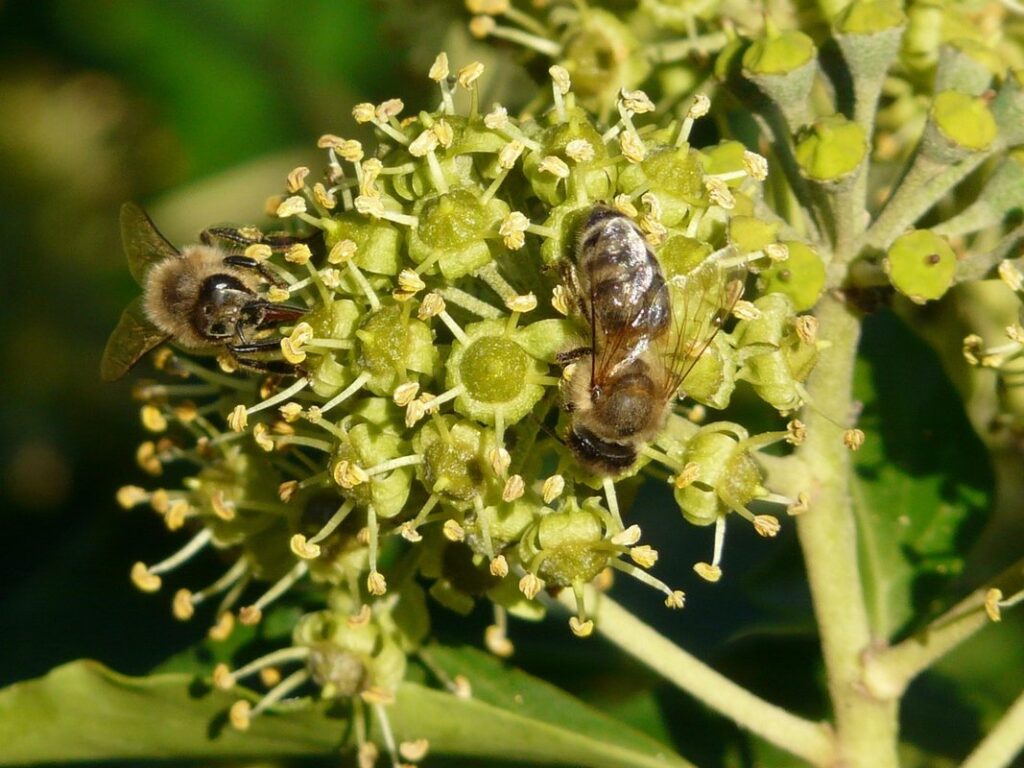
The Importance of Pollinators in Ecosystems
Pollinators play a vital role in our ecosystems, and without them, many plant species would struggle to reproduce. Let’s dive into why they’re so crucial for the health of nature.
Role of Pollinators in Plant Reproduction
Pollinators play a vital role in facilitating plant reproduction, which has a direct impact on food production and ecosystem health. Without pollinators like bees, butterflies, and hummingbirds, many plants would be unable to reproduce. This is especially true for ivy flowers, which rely heavily on these animals to transfer pollen from one flower to another.
In fact, it’s estimated that one-third of all the food we eat is directly or indirectly dependent on animal pollination. Without this process, crops like almonds, avocados, and apples would be severely impacted. In the context of ivy flowers, pollinators help facilitate the reproduction process by transferring pollen between flowers, allowing for seed production.
To support these important relationships, gardeners can create pollinator-friendly environments by planting a diverse range of flowers that provide nectar and pollen. This includes not only ivy flowers but also other plants like coneflowers, sunflowers, and lavender. By doing so, we can help ensure the continued health and productivity of our ecosystems, as well as the beauty and diversity of plant species like ivy.
Threats to Pollinator Populations
Pollinator populations are facing numerous threats that put their very existence at risk. Habitat loss is one of the most significant concerns, as natural habitats such as meadows and forests are being cleared for urbanization and agriculture. The destruction of these areas not only reduces the availability of food sources but also eliminates shelter and nesting sites for pollinators.
Pesticide use is another major threat to pollinator populations. While pesticides may seem like a solution to pest control, they often harm or kill non-target species, including beneficial insects like bees and butterflies. In fact, studies have shown that exposure to certain pesticides can impair the learning and memory of honeybees, making it difficult for them to navigate and find food.
Climate change is also having a profound impact on pollinator populations. Rising temperatures and changing precipitation patterns disrupt the delicate balance of ecosystems, making it challenging for plants and pollinators to adapt. For example, warmer winters can trigger early blooming in some plant species, but this can be disastrous for pollinators that have evolved to bloom at specific times.
Disease is another significant threat to pollinator populations. The varroa mite infestation, for instance, has led to the loss of millions of honeybees worldwide. Climate change also contributes to disease spread by altering the dynamics of pathogen-host interactions.
It’s essential that we take action to address these threats and ensure the long-term health of pollinator populations. By planting a variety of flowers that provide a constant source of nectar and pollen, creating habitat-rich areas in our gardens, reducing pesticide use, and supporting conservation efforts, we can all play a role in safeguarding the beauty of the natural world.
Types of Ivy Flowers That Attract Pollinators
Let’s dive into some of the most attractive ivy flowers that will draw in pollinators to your garden, creating a beautiful and beneficial relationship. From Boston ivy to English ivy, we’ve got you covered!
English Ivy (Hedera helix)
English ivy (Hedera helix) is a highly sought-after plant by pollinators due to its unique characteristics. One of its standout features is the nectar-rich properties of its flowers, which attract bees, butterflies, and other pollinating insects. The flowers’ intricate shape and fragrance further entice these visitors, making English ivy an ideal addition to any garden or indoor space.
One of the most beneficial aspects of English ivy for pollinators is its ability to grow in shaded areas. This flexibility allows it to thrive in spaces where other plants might struggle, such as under trees or on north-facing walls. As a result, English ivy provides a vital source of sustenance for pollinators that might not have access to more sun-drenched areas.
To incorporate English ivy into your garden and support local pollinators, consider planting it in areas with filtered sunlight. With proper care, this versatile plant will flourish and attract an array of beneficial insects. By doing so, you’ll be contributing to the health and well-being of your local ecosystem while enjoying the beauty of these charming flowers.
Boston Ivy (Parthenocissus tricuspidata)
Boston ivy (Parthenocissus tricuspidata) is a versatile and attractive plant that attracts a variety of pollinator species. Its adaptability to different environments and soil types allows it to thrive in many regions, making it a popular choice for gardeners. The plant’s heart-shaped leaves display a vibrant green color during the spring and summer months, providing a rich source of nectar and pollen for pollinators.
In autumn, Boston ivy transforms into a kaleidoscope of colors, with shades of red, orange, and purple adding to its appeal. This striking foliage serves as a vital food source for pollinators like bees, butterflies, and hummingbirds during the transition from summer to winter. The plant’s ability to attract a wide range of pollinator species makes it an excellent addition to any garden or landscape. To maximize Boston ivy’s pollination potential, consider providing a consistent water supply and pruning the plant regularly to promote healthy growth and encourage blooming.
By incorporating Boston ivy into your garden, you can create a welcoming environment for pollinators while enjoying its stunning beauty and adaptability.
How Pollinators Interact with Ivy Flowers
As we delve into the intricate world of ivy flowers and pollinators, let’s take a closer look at how these tiny creatures interact with our beloved ivy blooms. We’ll examine their fascinating relationship up close.
Bee Pollination of Ivy Flowers
Bees play a vital role in pollinating ivy flowers, transferring pollen between plants as they move from bloom to bloom. As they land on an ivy flower to collect nectar, their hairy bodies pick up pollen grains that then stick to their legs and body. When they visit another ivy flower, some of this pollen is transferred to the new plant, facilitating pollination.
Bees collect nectar from ivy flowers as a source of energy for their colonies. They use their long tongues (proboscis) to extract nectar from the flower’s center. The high sugar content in nectar makes it an essential resource for bees, especially during times when other food sources are scarce.
To support bee pollination of ivy flowers in your garden:
* Plant a variety of ivy species that bloom at different times to provide a constant source of nectar and pollen.
* Avoid using pesticides, which can harm or kill pollinators. Instead, adopt integrated pest management techniques that prioritize natural methods of controlling pests.
* Create a bee-friendly environment by including a mix of flowers with different shapes, sizes, and colors to attract a variety of pollinators.
Butterfly and Moth Interaction with Ivy Flowers
Butterflies and moths are often overlooked when it comes to pollinators, but they too play a vital role in the ecosystem. Like bees and other insects, these creatures rely on ivy flowers for food and shelter. The nectar-rich blooms of ivy plants provide a much-needed source of energy for butterflies and moths, particularly during their migration periods.
In fact, some species of butterflies, such as the Small White Butterfly, are exclusively dependent on ivy flowers for their survival. These delicate creatures can’t thrive without access to these plants’ nectar. Moths, too, benefit from the shelter provided by ivy leaves and stems, which protect them from harsh weather conditions and predators.
To create a butterfly-friendly environment in your garden, consider planting English or Boston ivy species, both of which are known to attract a variety of moth and butterfly species. Plant multiple ivy flowers together to create a pollinator hot spot, and avoid using pesticides that can harm these beneficial insects. By doing so, you’ll be supporting the local ecosystem and fostering a beautiful relationship between your garden and its visitors.
Planting Ivy Flowers to Support Pollinators
Now that you know how ivy flowers can benefit pollinators, let’s dive into the specifics of planting these beautiful blooms in your garden. You’ll learn the best ways to cultivate a thriving ivy flower patch that pollinators will adore.
Choosing the Right Location
When it comes to choosing the right location for planting ivy flowers that will attract pollinators, several key factors come into play. Sunlight is one of the most crucial considerations – while some ivy varieties can tolerate shade, most prefer full sun to partial shade to bloom their best. Consider a spot that receives at least 4-6 hours of direct sunlight per day.
Soil type also plays a significant role in the success of your ivy flowers. Pollinators are attracted to certain plant species that thrive in specific soil conditions, so choose an area with well-draining soil rich in organic matter. If you’re unsure about your soil’s quality, consider getting it tested before planting.
Another vital factor is proximity to water sources – pollinators need a source of water for drinking and to cool their bodies on hot days. Avoid areas that are prone to flooding or where water tends to collect. Instead, opt for a spot near a gentle stream or a small pond that provides a reliable water source without posing a risk of overwatering.
When selecting a location, also consider the space’s wind patterns – some ivy varieties can be sensitive to strong winds, which may damage their delicate stems and leaves. Opt for a sheltered area to ensure your plants receive optimal conditions.
Tips for Caring for Pollinator-Friendly Ivy Plants
To keep your pollinator-friendly ivy plants thriving and attractive to their favorite visitors, regular care is essential. Water them deeply but infrequently to encourage deep root growth, which will help the plant withstand drought conditions. Aim for about 1-2 inches of water per week, either from rainfall or irrigation.
Provide bright, indirect light for your ivy plants – direct sunlight can cause leaf scorch and reduce their ability to attract pollinators. Fertilize them lightly during the growing season with a balanced, water-soluble fertilizer to promote healthy growth and blooming. Prune your ivy regularly to maintain its shape and encourage bushy growth, which will increase nectar production for pollinators.
Avoid over-fertilizing or using chemical pesticides on your ivy plants, as these can harm the very pollinators you’re trying to attract. Instead, use natural pest control methods like introducing beneficial insects or hand-picking pests when necessary. By following these care tips and providing a welcoming environment, you’ll ensure that your ivy plants remain a popular destination for pollinators all season long.
Ivy Flowers in Urban Gardens
When it comes to choosing flowers for your urban garden, ivy blooms are a great option for attracting pollinators and adding some greenery. Let’s take a closer look at how they thrive in city settings.
Designing an Ivy-Rich Garden for Pollinators
When designing an ivy-rich garden for pollinators, it’s essential to create a diverse and thriving ecosystem. This can be achieved by incorporating a variety of plant species that provide nectar-rich flowers, host plants, and shelter for these beneficial insects.
To get started, choose a mix of evergreen and deciduous ivies, such as English Ivy (Hedera helix) and Clematis alpina. These will not only provide year-round interest but also serve as a habitat for pollinators during different seasons. Consider adding native flowers like lavender, coneflower, or black-eyed Susan to your garden. These plants are often rich in nectar and pollen, making them attractive to bees, butterflies, and other pollinators.
When selecting plants, remember to consider their specific needs and growing conditions. For example, some ivies prefer partial shade, while others thrive in full sun. Also, ensure that you choose a mix of annuals and perennials to provide a constant source of nectar throughout the growing season. By incorporating these simple steps into your garden design, you can create a haven for pollinators that’s both beautiful and beneficial for their well-being.
Benefits of Incorporating Ivy in Urban Green Spaces
Incorporating ivy flowers into urban green spaces can have numerous benefits for both the environment and the community. By planting ivy, you’re not only supporting local pollinators but also contributing to increased biodiversity in urban areas.
Ivy plants are often overlooked as a resource for wildlife, but they provide a wealth of food sources, including nectar-rich flowers that attract bees, butterflies, and other beneficial insects. Urban areas can be particularly challenging environments for pollinators due to the lack of green spaces and native plant species. By incorporating ivy into these areas, you’re helping to bridge this gap.
Not only do ivy plants support local wildlife, but they also provide opportunities for community engagement with pollinator conservation efforts. You can start by creating a community garden or a green space in an urban park where people can come together to plant and maintain ivy flowers. This not only fosters a sense of community but also helps raise awareness about the importance of pollinator conservation.
To get started, consider selecting native ivy species that are well-suited for your region’s climate and soil conditions. You’ll also want to choose locations with good sunlight and soil quality to ensure the health and longevity of your plants. By following these simple steps, you can help create a haven for local pollinators and contribute to a more biodiverse urban environment.
Conclusion: Nurturing the Relationship Between Ivy Flowers and Pollinators
As you’ve learned throughout this post, the relationship between ivy flowers and pollinators is truly special. By planting ivy species that are rich in nectar and pollen, such as English ivy or Boston ivy, you can create a haven for bees, butterflies, and other beneficial insects. To nurture this relationship further, consider adding native plants to your garden that bloom at different times of the year, providing a constant source of food for pollinators. You can also avoid using pesticides, which can harm these delicate creatures. By making a few simple changes to your gardening habits, you can help ensure the continued health and happiness of both ivy flowers and pollinators. This beautiful relationship is one that’s worth preserving, so get started today!
Frequently Asked Questions
How can I ensure my ivy plants are healthy enough to attract pollinators?
Make sure your ivy plants receive adequate sunlight, water, and nutrients. Deadheading spent blooms can encourage more flowers to grow, which will increase the chances of attracting pollinators.
Can I use pesticides in my garden if I’m trying to attract pollinators?
Yes, using pesticides is not recommended when trying to attract pollinators. These chemicals can harm or kill beneficial insects and disrupt the ecosystem balance.
How do I identify the type of ivy flowers that are most attractive to specific types of pollinators, such as bees or butterflies?
Research the specific flower preferences of your desired pollinator species. For example, bees tend to prefer smaller, tubular flowers like those found on English Ivy (Hedera helix). This knowledge will help you choose the right ivy plants for your garden.
Can I grow ivy in a container if my yard has limited space?
Yes, you can grow ivy in containers. Make sure the pot is large enough to provide adequate root growth and choose a well-draining potting mix to prevent waterlogged soil. This will allow you to still attract pollinators even with limited space.
What are some common mistakes to avoid when designing an ivy-rich garden for pollinators?
Avoid over-maintenance, as this can disrupt the natural balance of your ecosystem. Also, be mindful of the placement of your ivy plants, ensuring they receive enough sunlight and are easily accessible to pollinators.