
Are you looking for a natural and effective way to boost your garden’s pollination? Look no further than mason bees! These incredible insects are some of the best pollinators around, and with a little knowledge and effort, you can attract them to your garden and reap the rewards. By learning how to attract and maintain healthy mason bee populations, you’ll not only increase your crop yields but also reduce your reliance on pesticides – a win-win for both your plants and the environment.
In this article, we’ll delve into the world of mason bees and provide you with practical tips and tricks for creating a welcoming habitat for these valuable pollinators. From selecting the right flowers to providing the perfect nesting sites, we’ll cover everything you need to know to attract healthy mason bees and watch your garden thrive.
Introduction to Mason Bees
Mason bees are incredibly efficient pollinators, but before you can welcome them into your garden, let’s start from the beginning and explore what makes them so special.
What are Mason Bees?
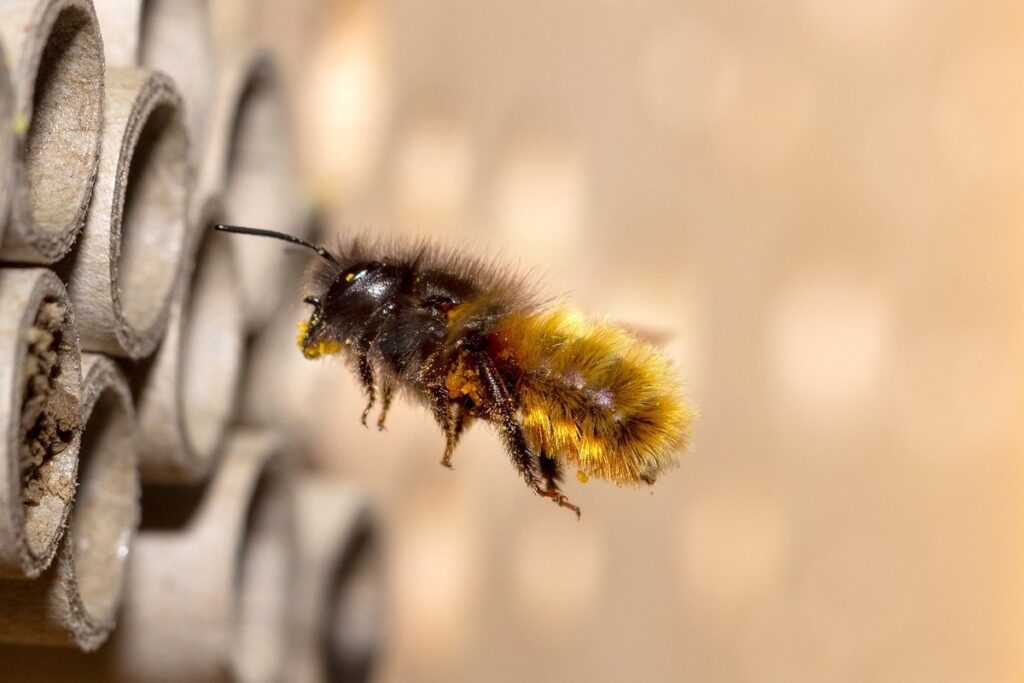
Mason bees are one of the most effective pollinators for gardens and agricultural fields. These tiny, solitary bees are crucial for the reproduction of numerous plant species, including fruits, vegetables, and nuts. What sets mason bees apart from other pollinators is their unique behavior and characteristics.
One key characteristic of mason bees is their ability to visit flowers more frequently than other bee species, thanks to their strong flying ability and robust bodies. This results in a higher pollination rate for plants that require cross-pollination. Another notable feature is the female mason bee’s nesting habits, where she collects mud and constructs intricate cells within pre-existing cavities or holes.
This specialized behavior allows mason bees to thrive in areas with limited space and resources, making them an attractive choice for gardeners and farmers seeking effective pollinators. In fact, studies have shown that a single female mason bee can pollinate over 100 flowers per day, making them one of the most efficient pollinators in their category.
This is particularly relevant for plant species that rely on solitary bees for reproduction, such as apple, blueberry, and cherry trees. By attracting mason bees to your garden or farm, you’re not only ensuring a bountiful harvest but also contributing to the preservation of these vital pollinators.
Benefits of Mason Bees in Pollination
Using mason bees for pollination comes with numerous benefits that can boost crop yields and enhance ecosystem health. One of the primary advantages is increased crop yields. Mason bees are incredibly efficient at transferring pollen between plants, leading to more successful fertilization and healthier crops. Studies have shown that areas where mason bees are present often experience a 20-30% increase in fruit and vegetable production.
Another significant benefit of using mason bees for pollination is the reduction in pesticide use. As mason bees are solitary creatures, they don’t get affected by pesticides, making them an ideal alternative to commercial bee colonies. This leads to fewer chemicals being used on crops, which has a positive impact on both human and environmental health.
By incorporating mason bees into your pollination strategy, you can also enhance ecosystem health. As they forage for nectar, mason bees contribute to the pollination of local wildflowers and other plants, promoting biodiversity and supporting local ecosystems.
Types of Mason Bees
There are several species of mason bees, each with unique characteristics and traits that make them valuable pollinators for your garden. Let’s take a closer look at some of the most common types.
Solitary vs. Social Mason Bees
When it comes to mason bees, not all species are created equal. While some types of mason bees live alone, others thrive in social colonies. Understanding the difference between solitary and social mason bee species is crucial for successful pollination.
Solitary mason bees, such as Osmia lignaria, nest individually in pre-existing holes or cavities. They lay their eggs and provision food for their young without any assistance from other bees. These bees are typically less aggressive and easier to handle than social masons. In contrast, social mason bees like Osmia cornifrons live in colonies with a single queen bee and thousands of worker bees.
Social mason bees require more space and resources due to their complex colony structure. They need specialized nesting equipment, such as communal nesting boxes or tubes, which can accommodate multiple females. Solitary masons, on the other hand, are content with simpler nesting setups like bare wood or bamboo tubes. If you’re new to mason bee keeping, starting with solitary species can be a great way to gain experience before moving to social colonies.
Common Mason Bee Species Found in Backyards
When it comes to mason bee species found in backyards, there are several common ones you might encounter. The California mason bee (Osmia lignaria) is one of the most widely distributed and well-studied species. These bees are native to North America and are known for their impressive pollination abilities. They’re particularly fond of fruit trees like apple, cherry, and plum.
Another common mason bee species found in backyards is the blue orchard mason bee (Osmia lignaria rubi). While they look similar to the California mason bee, these bees have a distinctive blue sheen on their thorax. They’re also excellent pollinators of fruit trees, especially apple and cherry.
If you notice either of these species in your backyard, it’s essential to provide them with the right conditions to thrive. This includes creating a mason bee hotel or nesting box specifically designed for these bees. By offering a welcoming habitat, you can encourage these beneficial insects to make themselves at home and pollinate your plants with ease.
Creating a Mason Bee-Friendly Environment
To create a haven for these busy pollinators, you’ll want to consider the type of plants that attract mason bees and provide them with suitable nesting sites. Choose the right flowers and structures.
Choosing the Right Location for Your Mason Bee House
When selecting a location for your mason bee house, it’s essential to consider factors that will ensure the health and well-being of these beneficial pollinators. First and foremost, choose a spot that receives direct sunlight, ideally south-facing, as mason bees rely on warmth to regulate their body temperature.
However, be mindful of extreme heat, which can be detrimental to the bees’ survival. A location with partial shade or dappled sunlight during peak summer hours is ideal. Additionally, ensure your mason bee house is shielded from harsh winds, which can cause damage and dislodge the cocoons.
Another crucial factor is proximity to water sources. Mason bees need access to fresh water for drinking and egg-laying purposes. Place your mason bee house near a source of water, such as a birdbath or shallow dish filled with fresh water. A distance of 10-20 feet between the water source and the bee house is recommended.
When installing your mason bee house, consider the surrounding environment as well. Avoid placing it near areas with high pesticide use or close to invasive plant species that may compete with native vegetation. By selecting a suitable location, you’ll be creating an optimal environment for your mason bees to thrive and pollinate your garden effectively.
Building or Purchasing a Mason Bee House
When it comes to creating a mason bee-friendly environment, one of the most crucial steps is providing a safe and inviting space for these pollinators. A well-designed mason bee house can be the perfect haven for mason bees to nest and lay their eggs.
To build or purchase an optimal mason bee house, you’ll want to consider materials that are durable, weather-resistant, and non-toxic. Cedar, pine, and cypress woods are popular choices due to their natural resistance to rot and insects. Avoid using pressure-treated wood, as the chemicals can harm the bees. When building your own mason bee house, ensure it has a sloping roof or an overhanging eave to shield the entrance from rain.
The design of the nesting tubes is also crucial for optimal bee health. Opt for 6-8 mm diameter tubes that mimic the natural nesting sites of mason bees in tree bark and branches. Arrange the tubes at different angles to provide a range of nesting options. Some commercial mason bee houses come pre-drilled with tubes, making it easy to install.
When purchasing a mason bee house, look for one made from sustainably sourced materials and has been designed specifically with mason bees in mind. A well-designed mason bee house can host up to 1,000 bees and provide years of successful pollination.
Maintaining Healthy Mason Bees
To ensure a thriving colony, it’s essential to provide your mason bees with the right conditions and care. Let’s dive into some practical tips for maintaining healthy mason bees.
Providing Adequate Food and Water Sources
Providing adequate food and water sources is crucial for mason bees throughout their life cycle. As these pollinators rely heavily on nectar and pollen for energy, having a reliable food source can boost their populations and pollination efficiency.
During the larval stage, mason bee larvae require a diet rich in protein from pollen. To support this, create a pollen station near your mason bee nesting box by offering a shallow dish of water with a small amount of oil or butter to prevent pollen from floating away. Replace this mixture regularly to ensure freshness.
Adult mason bees need access to nectar-rich flowers for energy. Plant a variety of blooming plants that provide a consistent nectar source, such as lavender, coneflowers, and black-eyed susans. Ensure these flowers are located near the nesting box to facilitate easy access.
Water is also essential for adult mason bees, who need it to regulate their body temperature and maintain proper hydration. Provide a shallow dish of water with rocks or twigs for landing sites, as mason bees prefer to drink from still bodies of water rather than running streams.
Maintaining clean drinking sources is critical, so change the water regularly to prevent bacterial growth. By providing a reliable food and water source, you can support your mason bee population’s health and promote effective pollination in your garden or farm.
Managing Pests and Diseases in Your Mason Bee Population
As you tend to your mason bee population, it’s essential to be aware of potential pests and diseases that can affect their health. Mason bees are particularly susceptible to parasites and fungal infections, which can compromise the success of your pollination efforts.
One common pest is the mite, specifically the Acarapis oatus, which feeds on the hemolymph of mason bees. To manage this issue, keep a close eye on your bee’s behavior; if you notice excessive grooming or lethargy, it may be a sign of infestation. Use a gentle pesticide like pyrethrin to treat affected areas.
Fungal infections can also occur due to moisture and humidity levels in the hive. Regularly inspect the nesting site for signs of mold or fungus, and ensure proper ventilation to prevent moisture buildup. To further protect your bees, implement good hygiene practices such as cleaning tools and equipment regularly, disinfecting with a 1:10 bleach solution, and replacing nesting material annually.
Monitor your bees’ behavior and keep an eye out for any unusual patterns; early detection is key in managing these issues effectively.
Encouraging Native Pollinators in the Garden
To attract a diverse array of pollinators, it’s essential to create a welcoming environment that caters to their specific needs and preferences. This includes planting native flowers and shrubs that are rich in nectar and pollen.
Creating a Pollinator-Friendly Garden
Creating a pollinator-friendly garden is essential to attracting mason bees and other native pollinators. When designing your garden, consider the needs of these beneficial insects. Plant selection is crucial, as mason bees are attracted to flowers that provide nectar and pollen. Incorporate a variety of native plants that bloom at different times to ensure a constant food source throughout the growing season.
Some excellent choices for mason bee-friendly plants include lavender, coneflower, black-eyed Susan, and sunflower. These plants not only attract mason bees but also other pollinators like butterflies and hummingbirds. Consider using a mix of annuals and perennials to provide a dynamic and diverse garden ecosystem.
When designing your garden, incorporate a few essential elements: native stone or rock features for nesting sites, a water source (such as a shallow dish or birdbath), and minimal pesticide use. By creating a pollinator-friendly garden, you’ll be providing the perfect environment for mason bees to thrive and do their vital pollination work.
Integrating Mason Bees into Your Gardening Routine
Integrating mason bees into your gardening routine is easier than you think. Start by installing a mason bee house in a sunny spot, ideally between 3-6 feet off the ground to protect them from predators and harsh weather conditions. Choose a location near your garden or orchard where they can easily forage.
To monitor the effectiveness of your mason bee house, observe the number of bees emerging each spring and note their activity patterns. Look for signs of infestation, such as holes in the nesting material or dead bees outside the house. These cues will help you assess whether your mason bee population is thriving.
A well-placed mason bee house can be a game-changer for your garden’s pollination. Each female mason bee can collect pollen and nectar from over 1,000 flowers in a single day, making them incredibly valuable pollinators. With proper care and maintenance, your mason bee population will grow, ensuring a constant supply of these beneficial insects to support your garden’s health.
To ensure the longevity of your mason bees, maintain a clean house by gently removing debris and replacing any damaged nesting material each spring. Also, plant a diverse range of flowers that provide nectar and pollen during different times of the year, catering to the specific needs of your local pollinators.
Troubleshooting Common Issues with Mason Bee Houses
If you’re experiencing issues with your mason bee house, don’t worry – we’ve got you covered. This section will walk you through common problems and their easy-to-fix solutions.
Identifying and Addressing Common Problems
When it comes to mason bee houses, some common issues may arise that can affect their effectiveness. One of the most frustrating problems is low nesting activity. If you’re not seeing many bees occupying the house, there could be several reasons for this. First, check if the house is in a suitable location with adequate sunlight and protection from harsh weather conditions.
Another possibility is that the mason bee species you’ve chosen may not be well-suited to your local climate or region. Different species have varying preferences when it comes to nesting sites and temperatures, so make sure you’ve selected a species that’s adapted to your area. Also, consider adding a water source nearby, as mason bees need access to water for drinking and cooling their bodies.
If you suspect pest infestations are the issue, inspect the house thoroughly for signs of damage or presence of other insects. Keep in mind that some pests, like wasps, can be attracted to the same food sources as mason bees, so take steps to deter them by using natural repellents or separating your bee and wasp-friendly plants.
Keep an eye out for parasites, such as mites or beetles, which can harm both the bees and the nest. To maintain a healthy environment for your mason bees, clean the house regularly, removing any debris or dead insects that may be attracting pests.
Best Practices for Maintaining Healthy Mason Bees
To keep your mason bee population thriving, regular maintenance of their habitat is crucial. Start by cleaning out the bee house at least once a year, ideally after the bees have finished nesting in the fall. Remove any debris or dead bees, and inspect each hole for signs of damage or pest infestation. Disinfect the interior with a mild soap solution to prevent disease from spreading.
Regular monitoring is also vital. Check on your mason bees every few days during peak activity (usually late spring to early summer) to look for signs of disease, such as white powdery patches or dark streaks on their bodies. Be on the lookout for pests like parasitic wasps or small beetles that might be preying on your mason bees.
If you notice any issues, take action promptly. Remove affected bees and clean the area thoroughly to prevent further infestation. Consider adding a mesh screen or fine-mesh netting around the entrance holes to keep out unwanted visitors. By staying vigilant and maintaining a healthy environment, you can help ensure the success of your mason bee population for years to come.
Frequently Asked Questions
How can I ensure that my mason bee house is not too far from the flowers they need to pollinate?
To maximize efficiency, place your mason bee house near a variety of nectar-rich flowers that bloom at different times throughout the growing season. This will provide a constant source of food for the bees as they move in and out of their nesting site. Consider installing multiple houses or placing them within 5-10 feet of your garden beds to encourage frequent visits.
What are some common pests that might threaten my mason bee population, and how can I manage them?
Mason bees are susceptible to spider mites, aphids, and small wasps that may attempt to lay eggs inside the nesting tubes. To minimize this risk, keep your mason bee house clean by removing any debris or dead bees, and consider using diatomaceous earth or neem oil to deter pests.
Can I use a pre-made mason bee house or should I build one myself?
Both options are viable. Pre-made houses often come with a simpler installation process but may not be as cost-effective in the long run. Building your own house allows for customization and can be more budget-friendly, but requires more effort and expertise.
How do I know if my mason bees are healthy or if they’re struggling due to environmental factors?
Regularly inspect your mason bee house for signs of disease, parasites, or environmental stressors like extreme temperatures or lack of food. Look for visible damage, unusual odors, or the presence of dead bees. Also, pay attention to changes in behavior, such as reduced activity levels or difficulty finding nesting sites.
Can I use a single type of mason bee species or is it better to attract multiple species?
While some mason bee species are more prolific pollinators than others, using a variety can be beneficial for maintaining a balanced ecosystem. Some species may prefer different types of flowers or nesting materials, so consider installing multiple houses with distinct features to attract a diverse range of bees.
Are there any specific tips for managing and maintaining the mason bee house during extreme weather conditions?
Yes! During harsh weather conditions like heavy rain or intense heat, ensure that your mason bee house is securely anchored to prevent damage. You may also need to provide additional protection by covering the entrance with a mesh screen or using a waterproof coating on the nesting tubes.
What’s the best way to know if my mason bees are successfully pollinating my plants?
Keep an eye out for increased fruit and flower set, as well as improved yields in your garden. Mason bees tend to work during cooler parts of the day, so observe them during this time when they’re most active.