
Ladybugs are more than just a charming addition to your garden – they’re actually one of its most valuable assets. These tiny insects play a huge role in keeping pests under control, pollinating flowers, and even fertilizing plants naturally. By attracting ladybugs to your garden, you’ll be opening the door to a world of benefits for your plants.
But how can you make sure these beneficial bugs stick around? And what’s the best way to create an environment that supports their population? In this article, we’ll explore some practical tips on attracting and conserving ladybugs in your garden. You’ll learn how to provide them with the right food sources, shelter, and conditions to thrive – and reap the rewards of a healthy, balanced ecosystem.
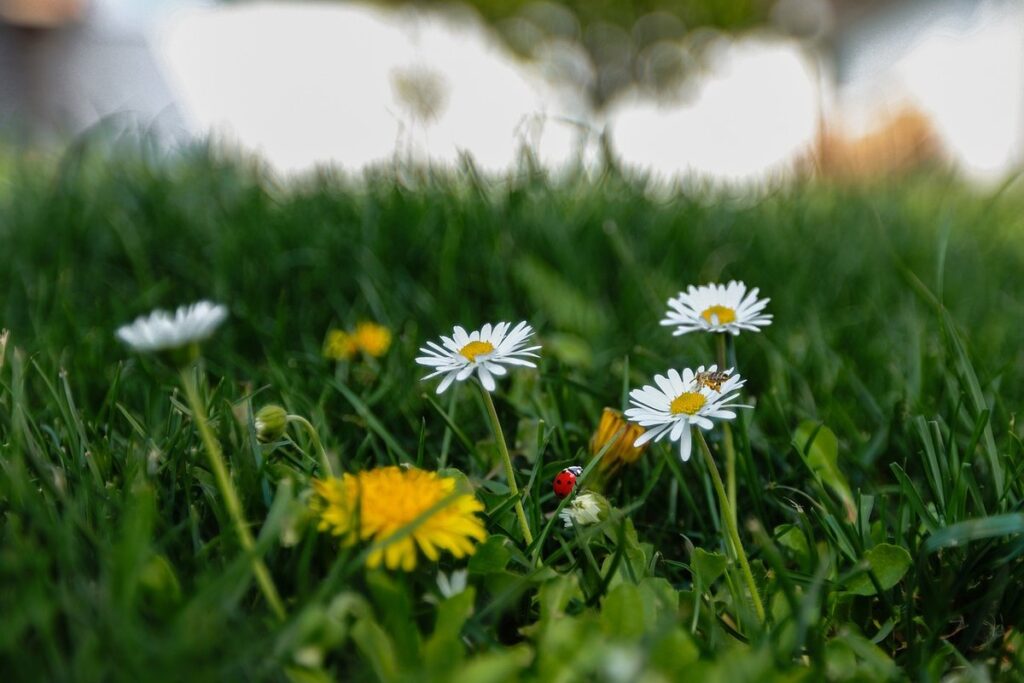
Introduction to Ladybugs in Gardens
Welcome to our garden, where ladybugs play a vital role in keeping pests under control. In this section, we’ll explore how these beneficial insects can become your new gardening friends.
Importance of Ladybugs in Gardening
Ladybugs play a vital role in maintaining a healthy garden ecosystem. As both predators and prey, they are a crucial part of the food chain. These tiny insects feed on aphids, whiteflies, mealybugs, and other soft-bodied pests that can cause significant damage to plants.
By controlling pest populations, ladybugs help maintain balance within the garden environment. This not only prevents potential harm to plants but also reduces the need for pesticides, making gardening a more sustainable practice. In fact, studies have shown that gardens with a diverse population of beneficial insects like ladybugs require fewer chemical interventions than those without.
A single ladybug can consume up to 60 aphids per hour, making them a potent force against garden pests. To attract and encourage ladybugs in your garden, incorporate plants that are rich in nectar and pollen, such as marigolds, zinnias, and cosmos. By creating a welcoming environment for these beneficial insects, you can reap the rewards of a healthy and thriving garden ecosystem.
Types of Ladybugs Found in Gardens
When it comes to ladybugs in gardens, there are several species that can be found. The most common ones are the Seven-spotted Ladybug (Coccinella septempunctata), the Multicolored Asian Lady Beetle (Harmonia axyridis), and the Convergent Lady Beetle (Hippodamia convergens). Each of these species has unique characteristics that can be beneficial or detrimental to your garden.
The Seven-spotted Ladybug is known for its distinctive red and black spots, and it’s a natural predator of aphids, mealybugs, and scale insects. They’re also excellent pollinators, visiting flowers to feed on nectar. On the other hand, the Multicolored Asian Lady Beetle can be a pest in some gardens, as it can secrete a foul-smelling fluid when threatened or injured.
The Convergent Lady Beetle is another beneficial species that preys on aphids and scales. However, they’re also known to eat pollen and nectar, which can sometimes lead to an imbalance in the garden ecosystem.
To identify these ladybug species in your garden, look for their distinctive markings, color patterns, or behaviors. For example, the Seven-spotted Ladybug is often seen near aphid-infested plants, while the Multicolored Asian Lady Beetle tends to congregate on sunny windowsills or walls. By recognizing these characteristics, you can appreciate and learn from these beneficial insects in your garden.
Attracting Ladybugs to Your Garden
To attract ladybugs to your garden, you’ll want to focus on creating a welcoming environment that offers them an abundance of their favorite foods and shelter. Let’s explore some simple tips to get started!
Plant Selection for Ladybug Attraction
When it comes to attracting ladybugs to your garden, selecting the right plants is crucial. Ladybugs are attracted to a variety of flowers and herbs that provide them with food, shelter, and protection from predators. Some of the best plants for attracting ladybugs include marigolds, sunflowers, and lavender.
Marigolds (Tagetes spp.) are particularly attractive to ladybugs, as they bloom throughout the summer months and produce nectar-rich flowers. These bright yellow and orange blooms also repel nematodes and other pests that can harm your garden. Plant marigold seeds directly in the ground or start them indoors 4-6 weeks before the last frost date.
Sunflowers (Helianthus annuus) are another excellent choice for attracting ladybugs. Their tall stalks provide a perch for these beneficial insects to hunt and bask in the warm sunlight. Ladybugs also feed on aphids and other pests that can damage sunflower blooms.
Lavender (Lavandula spp.) is a low-maintenance option that attracts ladybugs with its fragrant flowers and silvery foliage. This drought-tolerant herb repels moths, flies, and other pests, making it an excellent addition to your garden’s pest control strategy.
Creating a Ladybug-Friendly Environment
To create a ladybug-friendly environment in your garden, it’s essential to provide them with the right conditions. Ladybugs thrive in areas that receive at least 6 hours of direct sunlight per day. This warm and sunny spot will help regulate their body temperature, allowing them to hunt effectively and live longer.
Water is also crucial for ladybug survival. Make sure to have a shallow dish or birdbath filled with fresh water nearby. Ladybugs need water to drink and often use it as a landing site while hunting. A good rule of thumb is to change the water at least twice a week to keep it clean and free from bacteria.
Soil quality plays a significant role in attracting ladybugs to your garden. They prefer well-draining soil that’s rich in organic matter, such as compost or manure. Avoid using pesticides or herbicides, as these can harm ladybugs and other beneficial insects. By incorporating natural gardening practices, you’ll be creating an environment that ladybugs will love and return to time and again.
Benefits of Having Ladybugs in Your Garden
Having ladybugs in your garden can bring numerous benefits, including natural pest control and a healthy ecosystem that promotes biodiversity. In this next part, we’ll explore the advantages of having these beneficial insects around.
Natural Pest Control
When it comes to managing pests in your garden, ladybugs are some of the best natural pest control agents you can have on your side. These tiny insects feed on aphids, whiteflies, and other common garden pests, helping to keep their populations under control.
Aphids, in particular, are a major target for ladybugs. These small, soft-bodied insects feed on plant sap, causing curled or distorted leaves, stunted growth, and reduced yields. Ladybugs will typically lay their eggs near aphid colonies, ensuring that when the larvae hatch, they’ll have an ample food supply.
Ladybugs also prey on other garden pests like mealybugs, scale, and spider mites. A single ladybug can consume hundreds of aphids in its lifetime, making them a valuable asset to any organic gardener. To encourage ladybugs to visit your garden, plant a diverse range of flowers that attract their favorite food sources, such as marigolds, sunflowers, and dill. By creating a welcoming environment for these beneficial insects, you can reap the rewards of natural pest control without relying on chemicals or other artificial methods.
Pollination and Fertilization
When ladybugs visit your garden, they’re not just enjoying the nectar from flowers; they’re also playing a crucial role in pollination and fertilization. As important as bees are to pollination, ladybugs contribute significantly too. Unlike bees that focus on one type of flower at a time, ladybugs flit between multiple blooms within minutes, transferring pollen and facilitating cross-pollination.
In fact, some species of ladybugs can visit up to 20 flowers per minute! This rapid movement allows them to efficiently transfer pollen between plants, contributing to the reproduction process. Ladybugs also help pollinate night-blooming flowers that bees may not be able to reach due to their nocturnal nature. By having ladybugs in your garden, you’re supporting a more diverse and thriving ecosystem.
To maximize the benefits of ladybug pollination, ensure your garden includes a variety of flowering plants that bloom at different times, providing a constant source of nectar for these beneficial insects.
Common Problems Encountered with Ladybug Populations
As you learn more about ladybugs, it’s not uncommon to encounter some issues that might impact their populations and effectiveness in your garden. Let’s explore some common problems you may face with these beneficial insects.
Declining Ladybug Numbers
Declining ladybug numbers are a concerning trend that affects not only garden ecosystems but also the environment as a whole. One of the primary causes for this decline is the widespread use of pesticides. These chemicals can be lethal to ladybugs, disrupting their life cycle and reducing their populations. Furthermore, habitat destruction due to urbanization and intensive agriculture has led to a loss of suitable habitats for these beneficial insects.
Climate change also plays a significant role in declining ladybug numbers. Rising temperatures can disrupt the delicate timing of ladybug migrations, making it challenging for them to find food and mates. As a result, their populations suffer. According to recent studies, certain species of ladybugs are disappearing at an alarming rate due to these factors.
To combat this issue, gardeners can adopt more sustainable practices, such as reducing pesticide use or opting for organic gardening methods. This not only benefits the environment but also encourages the growth of healthy ladybug populations. By creating a welcoming environment for these beneficial insects, you can help ensure their survival and reap the rewards of having them in your garden.
Ladybug Predators and Parasites
When ladybug populations are present in your garden, they’re often at the top of the food chain. However, their numbers can be affected by animals that prey on them or parasites that infest them.
Birds, such as swallows and robins, feed on adult ladybugs during peak activity periods. These birds have a keen eye for spotting ladybugs on leaves or flowers, making it challenging to protect the latter from predators. Another common predator is spiders, which spin intricate webs to catch unsuspecting ladybugs in flight.
Wasps are also known to be ladybug predators, as they often attack their victims mid-air. These wasp attacks can lead to significant losses for your garden’s ladybug population if not addressed promptly. To minimize this issue, consider using netting or mesh coverings around plants most frequently visited by ladybugs.
In addition to these external threats, parasites like aphids and scale insects also affect ladybugs. These pests infest the ladybug’s body, weakening its immune system and potentially killing it. Keeping your garden pest-free can be achieved through regular monitoring and targeted control methods.
How to Encourage Ladybug Reproduction in Your Garden
To attract more ladybugs and encourage them to reproduce, you’ll want to create a welcoming environment that provides the right conditions for their survival and success. This includes certain plant species and garden design features.
Providing Shelter and Food Sources
When it comes to encouraging ladybug reproduction in your garden, providing sheltered areas with food sources is crucial. Ladybugs are attracted to gardens that offer a mix of vegetation and water features, making them perfect candidates for attracting these beneficial insects.
To create a welcoming habitat for ladybugs, focus on incorporating plants that offer shelter and food simultaneously. Consider planting tall sunflowers or dill near shorter herbs like basil or mint. These structures provide vertical support for ladybugs to climb, allowing them to escape extreme temperatures while also offering nearby nectar-rich flowers for feeding.
Water sources are equally essential. A shallow dish of fresh water placed in a sunny area will attract female ladybugs looking to hydrate and lay eggs. Some popular alternatives include birdbaths or small ponds with rocks and twigs for perching. To make it even more appealing, add a few ladybug-friendly food sources like aphid-infested plants or a shallow tray filled with crushed eggshells.
Minimizing Pesticide Use
When it comes to encouraging ladybug reproduction in your garden, minimizing pesticide use is crucial. Ladybugs are sensitive to chemicals and can be harmed by even small amounts of pesticides. In fact, research has shown that exposure to neonicotinoids, a common class of insecticides, can lead to population declines of up to 80%.
To protect ladybug populations, consider adopting an integrated pest management (IPM) approach in your garden. This involves using physical barriers, hand-picking pests, and introducing beneficial insects like ladybugs and lacewings to control pest populations.
Here are some practical tips for reducing pesticide use:
* Hand-pick pests regularly to prevent infestations
* Use fine-mesh screens to keep pests out of plants
* Plant a diverse range of flowers that attract beneficial insects
* Consider using natural predators or parasites to control pest populations
Remember, the goal is not to eradicate every single pest, but to maintain a balanced ecosystem where ladybugs can thrive. By reducing pesticide use and adopting an IPM approach, you’ll create a welcoming environment for these beneficial insects to reproduce and multiply.
Conclusion: Embracing Ladybugs as Garden Allies
As you’ve learned how to attract and care for these beneficial insects, now it’s time to make the most of their presence in your garden. We’ll explore ways to incorporate them into your gardening routine seamlessly.
Final Thoughts on Ladybug Benefits
As we conclude our comprehensive guide to ladybugs in the garden, it’s essential to reiterate the importance of these beneficial insects. Ladybugs bring a multitude of benefits to your garden ecosystem, from natural pest control to serving as indicators of overall garden health.
By cultivating a ladybug-friendly environment, you’re essentially creating a balanced and thriving garden ecosystem. Ladybugs help regulate aphid populations, which can be a major concern for many gardeners. A single ladybug can consume up to 60 aphids per hour, making them a valuable asset in maintaining a healthy balance of pests and beneficial insects.
To maximize the benefits of having ladybugs in your garden, consider providing a diverse range of host plants that cater to different ladybug species. Some popular options include marigold, dill, and fennel. By creating a welcoming habitat for these beneficial insects, you’ll not only enjoy their pest-control services but also contribute to the overall biodiversity of your garden ecosystem.
Remember, every garden is unique, so it’s crucial to tailor your approach to accommodate the specific needs of your ladybug population. With patience, observation, and a little creativity, you can create a haven that supports the well-being of both your plants and these incredible beneficial insects.
Encouraging Community Involvement
As we conclude our comprehensive guide to ladybugs in the garden, we want to encourage you to take an active role in embracing these beneficial insects as allies in your gardening endeavors. One of the most effective ways to promote a healthy and thriving ecosystem is by involving your community in conservation efforts.
Consider sharing your experiences with attracting and conserving ladybugs on social media platforms or online forums dedicated to gardening and wildlife conservation. By doing so, you can connect with like-minded individuals who share your passion for creating harmonious gardens that support the local insect population.
You could also host a workshop or event in your community garden to educate others about the importance of ladybug-friendly habitats and how to create them. Invite experts to share their knowledge on ladybug behavior, biology, and conservation strategies. This collective effort will not only foster a sense of community but also inspire others to join you in protecting these vital pollinators.
By working together and sharing your experiences, we can collectively make a positive impact on the local ecosystem and ensure the continued presence of these beautiful creatures in our gardens for years to come.
Frequently Asked Questions
What if I have a garden with mostly acid-loving plants, but ladybugs prefer alkaline environments?
While it’s true that some ladybug species thrive in slightly alkaline conditions, there are still many beneficial species that can adapt to acidic environments. Consider incorporating plants like marigolds or sunflowers, which not only tolerate acidity but also attract ladybugs and other beneficial insects.
Can I use pesticides despite knowing the benefits of attracting ladybugs?
Yes. While it’s ideal to minimize pesticide use, sometimes a severe pest infestation may necessitate temporary measures. However, be aware that frequent chemical applications can harm or repel beneficial insects like ladybugs, undermining their value in your garden ecosystem. Use integrated pest management strategies and consider introducing natural predators to control pest populations.
How do I prevent attracting pests that might harm my ladybug population?
To maintain a balanced garden ecosystem, it’s essential to attract a diverse range of beneficial insects, including ladybugs. By incorporating plants that repel pests and provide shelter for beneficial insects, you can create an environment where both species coexist harmoniously. For example, basil repels aphids and attracts beneficial wasps.
Can I use commercial ladybug food supplements in addition to natural sources?
Yes. While offering natural food sources like aphid-infested plants or flowers with nectar is crucial for supporting a healthy ladybug population, supplementing with commercial foods can be beneficial during times of scarcity or extreme weather conditions. Choose products specifically formulated for ladybugs and follow the recommended application rates.
How do I measure the success of my ladybug conservation efforts?
Measuring the effectiveness of your conservation strategies requires tracking key indicators like pest populations, plant health, and ladybug numbers over time. Keep a garden journal to record observations, note changes in plant growth, and monitor for signs of increased beneficial insect activity. Adjust your tactics accordingly based on these data points.