
As a gardener, you’re likely no stranger to the joy of watching your plants thrive. But have you ever stopped to consider the tiny creatures that help make that happen? Ladybugs, with their spotted coats and voracious appetites for pests, are some of the most valuable allies in any garden. Yet, despite their importance, many of us struggle to attract and maintain a healthy ladybug population. In this article, we’ll explore the secrets to luring these beneficial insects into your garden and keeping them coming back for more. We’ll cover the best plants to choose, how to provide food and shelter, and tips on monitoring your populations to ensure they’re happy and healthy. By the end of it, you’ll be well on your way to creating a ladybug-friendly haven in your own backyard.
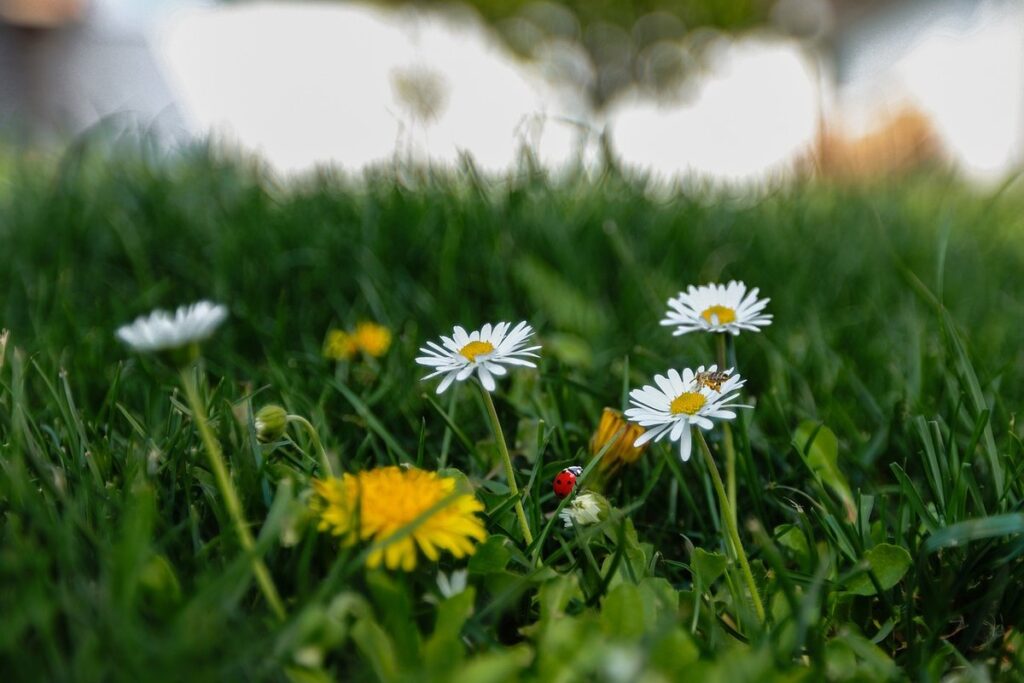
Understanding Ladybugs and Their Importance in Gardens
Let’s take a closer look at ladybugs, their fascinating life cycle, and what makes them such valuable allies in your garden. We’ll explore why they’re crucial for a healthy ecosystem.
Types of Ladybugs Found in Gardens
When it comes to gardening, one of the most beneficial insects you can attract is the ladybug. These small, colorful beetles are natural predators that feed on aphids, whiteflies, and other pests that can damage plants. But did you know there are several types of ladybugs found in gardens? Let’s take a closer look at some of the most common species.
The Seven-spotted Ladybug (Coccinella septempunctata) is one of the most recognizable and widespread ladybug species. They have distinctive red and black spots and are known for their voracious appetite for aphids. The Multicolored Asian Ladybug (Harmonia axyridis), on the other hand, has a more varied appearance with different color patterns depending on its geographic location.
The Spotted Cucumber Beetle’s ladybug counterpart, the Seven-spotted Ladybug’s cousin, is also found in gardens. These ladybugs are attracted to plants like marigolds and dill, which provide them with food and shelter. To encourage these beneficial insects in your garden, plant a diverse range of flowers that bloom at different times to ensure a constant food source throughout the growing season.
By understanding the different types of ladybugs found in gardens, you can take steps to create an environment that supports their populations and helps control pest outbreaks naturally. This not only reduces the need for pesticides but also adds a touch of beauty and charm to your garden with these delightful insects.
Benefits of Attracting Ladybugs to Your Garden
Having ladybugs in your garden can bring about numerous benefits that enhance its overall health and productivity. One of the primary advantages is their role as natural pest control agents. Ladybugs feed on aphids, whiteflies, and other pests that can damage plants, reducing the need for pesticides and maintaining a balanced ecosystem.
Ladybugs also contribute to pollination by transferring pollen between flowers as they feed on nectar. This process may seem minor, but it’s essential for plant reproduction, ensuring a steady supply of fruits, vegetables, and flowers in your garden.
In addition to these benefits, ladybugs can help control scale insects and mealybugs that harm plants. By attracting them to your garden, you’re creating a self-sustaining ecosystem where beneficial insects work together to maintain harmony.
To attract ladybugs to your garden, focus on incorporating ladybug-friendly plants, such as marigolds, cosmos, and sunflowers, into your landscape design. These plants provide the necessary food sources for ladybugs, encouraging them to stay and multiply in your garden.
Choosing the Right Plants for Ladybugs
When it comes to attracting ladybugs to your garden, selecting the right plants is crucial – so let’s dive into the top picks that’ll entice these beneficial bugs.
Selecting Ladybug-Friendly Herbs and Flowers
When it comes to attracting ladybugs to your garden, incorporating ladybug-friendly herbs and flowers is a great place to start. Ladybugs are particularly fond of plants with high nectar and pollen content, so focus on selecting a variety of blooms that offer these resources.
Consider planting marigold, calendula, and dill in your garden – all three of these options are known ladybug magnets! Marigolds, for instance, have bright orange and yellow flowers that emit strong scents that attract aphid-eating ladybugs. Calendula, with its delicate petals and vibrant colors, is another favorite among ladybugs, providing them with a rich source of nectar.
Dill, on the other hand, is a popular choice for attracting both beneficial insects like ladybugs and predatory wasps. You can grow dill as a companion plant alongside cucumbers, tomatoes, or lettuce – its tall stalks provide an excellent spot for ladybugs to perch while they hunt nearby aphids.
When selecting herbs and flowers for your garden, choose varieties that are native to your region and suitable for local growing conditions.
Creating a Ladybug-Friendly Garden Design
When designing a ladybug-friendly garden, it’s essential to consider the specific needs of these beneficial insects. Ladybugs thrive in warm, sunny spots with minimal shade, so choose locations for plants that receive direct sunlight for at least six hours a day.
To create an inviting habitat for ladybugs, group plants together to form small “hotspots” that provide shelter and warmth. Planting native flowers, shrubs, or trees will also attract local ladybug populations. Some examples of ladybug-attracting plants include marigolds, sunflowers, dill, and fennel.
Consider using a layered approach in your garden design, with taller plants in the background and shorter ones towards the front. This will create visual interest while allowing ladybugs to move freely through the space. Finally, avoid using pesticides, which can harm or kill ladybugs, and instead adopt integrated pest management techniques that promote a balanced ecosystem. By incorporating these design elements, you’ll be well on your way to creating a welcoming habitat for these beneficial insects.
Attracting Ladybugs with Food and Shelter
To successfully attract these beneficial insects, we’ll focus on providing food sources through nectar-rich flowers and creating sheltered habitats for them to thrive. Let’s dive into the details of how to make your garden a ladybug haven!
Providing Ladybug Food Sources
Ladybugs are voracious eaters, and their diet consists mainly of aphids, scale insects, mealybugs, and other soft-bodied insects. To provide a welcoming environment for these beneficial bugs, it’s essential to offer an abundance of food sources. One way to do this is by cultivating plants that attract aphid colonies, such as angelica, fennel, or dill. These plants serve as ladybug restaurants, providing a constant supply of their favorite snack.
In addition to aphids, ladybugs also feed on nectar-rich flowers like marigolds, calendulas, and zinnias. Planting these flowers in your garden will not only provide a food source for the ladybugs but also attract other beneficial insects, creating a balanced ecosystem. Consider planting a mix of flowers that bloom at different times to ensure a constant nectar supply throughout the growing season.
When selecting plants, choose varieties that are easy to grow and maintain, as you’ll want to avoid any potential stress on the environment. By providing an abundance of food sources, you’ll create a welcoming space for ladybugs to thrive and multiply, ensuring their presence in your garden for years to come.
Creating Ladybug Habitats and Shelters
When creating ladybug habitats and shelters in your garden, it’s essential to mimic their natural environments. Ladybugs are often found in areas with dense vegetation, so incorporating plants like lavender, rosemary, and thyme can attract them to your garden. These herbs not only provide shelter but also food for the ladybugs.
To create a ladybug-friendly habitat, consider adding rocks, logs, or other organic matter that provides hiding spots for the insects. Ladybugs often hide in these areas during the winter months or when predators are present. You can also plant native flowers and grasses that offer seeds, pollen, and nectar as food sources.
When designing your ladybug shelter, keep in mind that it should be safe from harsh weather conditions and provide protection from wind and rain. A south-facing wall or a shaded area can serve as an ideal location for a ladybug shelter. By incorporating these elements into your garden design, you’ll create a welcoming environment for ladybugs to inhabit and thrive.
Incorporating both food sources and shelters will encourage ladybugs to stay in your garden and multiply, ensuring a balanced ecosystem and reduced pest populations.
Encouraging Ladybugs to Stay in Your Garden
Once you’ve successfully planted ladybugs in your garden, it’s essential to create a welcoming environment that encourages them to stay. Here are some tips for keeping these beneficial insects happy and healthy.
Factors Affecting Ladybug Longevity in Gardens
Ladybugs are highly dependent on their environment to survive, and several factors can affect their longevity in gardens. One of the most significant factors is weather conditions. Extreme temperatures, both hot and cold, can be detrimental to ladybug health. Prolonged exposure to scorching heat can lead to dehydration, while freezing temperatures can cause their bodies to shut down.
Another crucial factor affecting ladybug longevity is pests. Ladybugs feed on aphids, whiteflies, and other garden pests, so if these pests are absent or scarce, ladybugs may struggle to find food sources. This can lead to malnutrition and a weakened immune system, making them more susceptible to diseases.
Diseases such as fungal infections and bacterial spot can also affect ladybug populations. These diseases can be spread through contaminated water or food sources. To mitigate these risks, gardeners can create a diverse range of flowers that provide nectar-rich food sources for ladybugs, while also promoting beneficial soil microbes that aid in disease prevention.
Regular monitoring of ladybug colonies and prompt intervention when necessary is essential to maintaining their health and longevity.
Strategies for Keeping Ladybugs Healthy
To keep your ladybug population thriving, it’s essential to create a healthy environment for them. One of the most critical factors is avoiding pesticides, which can be toxic to these beneficial insects. Instead, adopt integrated pest management (IPM) techniques that focus on natural methods like attracting beneficial insects, practicing good garden hygiene, and hand-picking pests.
Adequate food and shelter are also crucial for a healthy ladybug population. Ladybugs feed on aphids, scale insects, and other soft-bodied insects, so ensure you have a diverse range of plants in your garden that attract these pests. Plant nectar-rich flowers like marigolds, sunflowers, or zinnias to provide a constant food source. Additionally, create shelter by leaving some areas of the garden undisturbed, providing rocks or logs for ladybugs to hide behind.
Provide a shallow water source, like a birdbath with fresh water and a few rocks or twigs for perching, and ladybugs will have everything they need to thrive in your garden.
Monitoring and Managing Your Ladybug Population
Once you’ve welcomed ladybugs into your garden, it’s essential to monitor their population to ensure they’re thriving and multiplying. This means keeping an eye out for signs of success and taking corrective action if needed.
Identifying Common Ladybug Pests
When introducing ladybugs to your garden, it’s essential to be aware of potential pests that can either complement or compete with these beneficial insects. Some common ladybug pests that may inhabit your garden include the multicolored Asian lady beetle (Harmonia axyridis) and the seven-spotted lady beetle (Coccinella septempunctata).
These species, while harmless to humans, can be detrimental to your garden’s ecosystem if not managed properly. For instance, the multicolored Asian lady beetle is known to secrete a foul-tasting fluid when threatened, which can stain surfaces and cause skin irritation in some individuals. Conversely, the seven-spotted lady beetle feeds on pollen and nectar but also consumes aphids and other small insects.
To identify these pests, look for distinctive markings such as spots or stripes on their elytra (wing covers). You may also notice their behavior; multicolored Asian lady beetles tend to congregate in large numbers, while seven-spotted lady beetles are typically solitary.
Tips for Monitoring and Controlling Ladybug Populations
To effectively monitor and control ladybug populations in your garden, it’s essential to identify pest ladybugs from beneficial ones. Pest ladybugs can be identified by their larger size, typically 6-8 mm long, and a distinctive black or dark brown color with white spots on the thorax. On the other hand, beneficial ladybugs are usually smaller (around 4-5 mm), oval-shaped, and brightly colored.
To control pest ladybugs, remove any overwintering sites such as debris, weeds, and hollow plant stems where they may have taken shelter during winter months. Keep your garden clean by regularly removing weeds and debris that can harbor pests. Use physical barriers like fine mesh to cover plants, preventing pest ladybugs from reaching them.
When it comes to natural control methods, introduce beneficial nematodes or lacewings into the environment as a biological control measure. These predators feed on pest ladybug larvae and eggs, helping maintain a balance between beneficial and pest populations in your garden.
Troubleshooting Ladybug Issues in Your Garden
If you’ve planted ladybugs in your garden, but they’re not thriving as expected, it’s time to troubleshoot common issues that might be affecting their survival. Don’t worry, we’ll walk you through potential problems and solutions.
Common Problems with Attracting Ladybugs
Attracting ladybugs to your garden can be a bit more challenging than you think. Despite their reputation as beneficial insects, some issues may arise when trying to entice these lovely creatures to your garden. One common problem is the presence of invasive species that outcompete ladybugs for food and resources.
For instance, certain aphid-feeding wasps can dominate the market, making it difficult for ladybugs to find a meal. Similarly, overcrowding in gardens can also deter ladybugs as they prefer a balanced environment with an optimal number of plants and insects.
Another issue is the lack of suitable host plants for ladybug larvae. Ladybugs rely on specific plant species for their development, so ensuring you have these plants in your garden can make a significant difference.
To overcome these challenges, it’s essential to create a diverse and balanced ecosystem in your garden. By doing so, you’ll not only attract ladybugs but also other beneficial insects, creating a thriving environment that supports the local biodiversity.
Solutions for Overcoming Ladybug-Related Challenges
If ladybug-related challenges are hindering your garden’s progress, don’t worry – we’ve got you covered. Common issues like ladybug infestations, damage to plants, and the presence of pests can be overwhelming, but they’re not insurmountable. To tackle these problems effectively, identify the root cause first. Ask yourself: are ladybugs being drawn to your garden due to an abundance of aphids or other soft-bodied insects? Or are they causing harm by feeding on beneficial plants?
Once you’ve pinpointed the issue, it’s time for a tailored approach. If ladybugs are overpopulating and infesting your garden, consider introducing natural predators like lacewings or parasitic wasps to maintain balance. In cases where ladybugs are being lured in due to an aphid problem, focus on integrated pest management strategies that target the root cause (aphids) rather than just controlling their symptoms.
To minimize ladybug-related damage and preserve beneficial insects, implement a multi-faceted approach: diversify your plant selection, promote natural habitats for beneficial insects, and adopt targeted control methods. With a little patience and persistence, you can overcome these challenges and create an even more thriving garden ecosystem.
Frequently Asked Questions
Can I release ladybugs from a store or pet shop into my garden?
Yes, releasing ladybugs from a store or pet shop can be a great way to introduce them to your garden. However, make sure you choose a reputable seller and follow their guidelines for handling and releasing the insects. Also, ensure that the climate in your area is suitable for the specific species of ladybug you’re introducing.
How often should I release ladybugs into my garden?
The frequency of releasing ladybugs depends on various factors such as pest levels, weather conditions, and the size of your garden. A general rule of thumb is to release a few dozen ladybugs at a time, spaced out over several weeks or months, to maintain a healthy population.
What are some common ladybug predators I should be aware of?
Ladybird beetles have natural predators like birds, spiders, and other insects that feed on them. Be aware of these potential threats and consider using methods such as netting or physical barriers to protect your ladybugs.
How long does it take for a released ladybug population to establish itself in my garden?
Establishing a self-sustaining ladybug population can take several weeks to months, depending on factors like food availability, shelter, and climate. Be patient and continue providing the necessary conditions for them to thrive.
Can I attract both adult and larvae ladybugs to my garden with the same plants and strategies?
While some plants are beneficial for attracting adult ladybugs, others may be more suitable for their larvae. Consider planting a mix of nectar-rich flowers, herbs, and vegetation that cater to different life stages of ladybugs.
Should I worry about over-reliance on ladybugs for pest control in my garden?
Yes, relying too heavily on ladybugs can lead to an imbalance in your ecosystem. It’s essential to adopt integrated pest management strategies that combine various methods, such as biological control, cultural controls, and chemical controls, to maintain a balanced environment.