
Are you tired of watching those dazzling hummingbirds flit around your garden without stopping to visit? If so, it’s time to create a haven that’s irresistible to these beautiful birds! Hummingbird-friendly flowers are the key to attracting these avian wonders to your outdoor space. Not only do they add vibrant colors and textures to your landscape, but they also provide a vital source of nectar for hummingbirds as they fuel up on energy-rich food. In this article, we’ll show you how to select the perfect flowers, set up a water source, and offer supplemental food to create a thriving ecosystem that hummingbirds just can’t resist. By following our tips, you’ll be well on your way to attracting these stunning visitors to your garden!
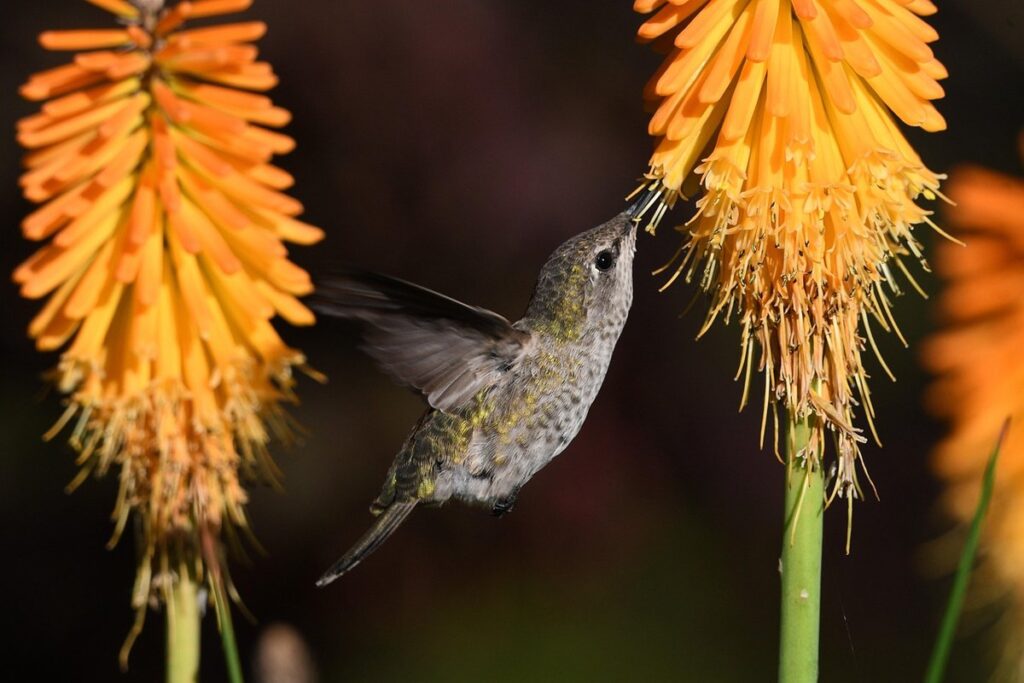
Types of Hummingbirds and Their Favorite Flowers
There are over 330 species of hummingbirds, each with unique characteristics and preferences when it comes to the flowers they adore. Let’s take a closer look at some popular types and their favorite blooms.
Subsection 1.1: Understanding Hummingbird Species and Their Preferences
When it comes to attracting hummingbirds to your garden, understanding their species and preferences is crucial. These tiny birds are found in various regions across North America, each with its unique characteristics and favorite flowers.
There are over 300 species of hummingbirds, but some of the most common ones include the Ruby-throated Hummingbird, Anna’s Hummingbird, and the Rufous Hummingbird. The Ruby-throated Hummingbird is found in eastern North America, while Anna’s Hummingbird inhabits the Pacific Northwest region.
When it comes to their preferences, hummingbirds are attracted to flowers with high nectar content, particularly trumpet-shaped flowers like honeysuckle, fuchsia, and lantana. In particular, they love the long, tube-shaped flowers of coral bells (Heuchera), bee balm (Monarda), and salvias.
In terms of color preferences, hummingbirds are drawn to red, orange, and purple flowers, but also visit flowers with high nectar content regardless of their color. For example, the tubular flowers of orange marigolds can be a favorite among hummingbirds.
Subsection 1.2: Identifying Hummingbird-Friendly Flower Families
When it comes to identifying hummingbird-friendly flower families, there are certain characteristics that these birds just can’t resist. Hummingbirds are particularly drawn to flowers with specific shapes and features that allow them to access nectar easily.
One of the most effective types of flowers for attracting hummingbirds is those with trumpet-shaped blooms. These flowers have a long, tube-like shape that hummingbirds can insert their beaks into, allowing them to reach the sweet nectar inside. Honeysuckle (Lonicera spp.) and Fuchsia (Fuchsia spp.) are great examples of flower families that fit this description.
Tubular flowers are also a favorite among hummingbirds, as they provide a long, narrow passage for the birds to extract nectar from. Salvias (Salvia spp.), Lantana (Lantana spp.), and Penstemon (Penstemon spp.) all have tubular shapes that make them attractive to these birds.
When selecting flowers for your garden, consider adding some of these trumpet-shaped and tubular varieties to attract hummingbirds. By choosing plants with long tubes or trumpet-shaped blooms, you’ll be creating a welcoming environment for these beautiful birds to visit and feed on the nectar-rich flowers in your garden.
Choosing the Right Flowers for Your Hummingbird Garden
When selecting flowers for your hummingbird garden, consider the types of blooms that will provide a rich source of nectar to draw these birds in. Look for tubular-shaped flowers with long tubes.
Subsection 2.1: Selecting Plants Based on Climate and Region
When selecting plants for your hummingbird garden, it’s essential to consider your location’s climate, soil type, and available sunlight. This will ensure that the flowers you choose not only attract hummingbirds but also thrive in their environment.
Start by checking the hardiness zone map to determine which zones are suitable for your area. Different regions have varying temperature ranges, rainfall levels, and humidity, all of which impact plant growth. For example, if you live in a tropical climate like Hawaii or Florida, you’ll want to choose plants that can handle high temperatures and humidity. On the other hand, if you reside in a cooler region like the Pacific Northwest, opt for plants adapted to temperate climates.
Next, consider your soil type. Hummingbirds are attracted to flowers with deep tubes that contain nectar, so look for plants with tubular or trumpet-shaped blooms. These flowers often require well-draining soil and full sun to partial shade conditions. Check if the plant requires acidic, alkaline, or neutral soil pH levels to ensure compatibility with your garden’s soil composition.
In regions with hot summers, choose drought-tolerant plants that conserve water and provide nectar during periods of dryness. Examples include Salvias, Coral Honeysuckle, and Lantana. In cooler climates, prioritize plants like Trumpet Vine, Cardinal Flower, and Penstemon, which offer abundant nectar sources during shorter growing seasons.
Ultimately, your selection should balance the needs of both hummingbirds and your garden’s unique conditions. By considering climate, soil type, and sunlight when choosing flowers, you’ll create a haven that attracts these magnificent creatures while showcasing vibrant blooms.
Subsection 2.2: Considerations for Small Spaces and Urban Gardens
When it comes to creating a hummingbird-friendly garden in small spaces or urban areas, you might think that’s impossible. But don’t worry, there are plenty of options for attracting these beautiful birds to even the tiniest of gardens.
First and foremost, consider using compact or dwarf varieties of flowers that still provide nectar-rich blooms. For example, the hummingbird-friendly ‘Dwarf Trumpet Vine’ (Campsis radicans ‘Stolzer’) can grow up to 3 feet tall, making it perfect for small spaces. Similarly, ‘Miniature Cardinal Flower’ (Lobelia erinus) is a smaller version of the popular Cardinal Flower that’s just as attractive to hummingbirds.
Another option is to use hanging baskets or containers to make the most of your space. Fill them with a mix of flowers that provide nectar and shelter for hummingbirds, such as Fuchsia or Honeysuckle. And remember, even a small garden can be effective if you choose the right plants and position them in a spot that receives partial shade.
Remember, every little bit counts when it comes to creating a hummingbird-friendly garden. Even a few pots of nectar-rich flowers on your balcony or patio can make a big difference to these beautiful birds.
Planting and Caring for Hummingbird-Friendly Flowers
To create a haven for hummingbirds, you’ll want to focus on planting flowers that thrive in your local climate and meet their specific needs for nectar and pollen. This section will guide you through the process of selecting and caring for these beautiful blooms.
Subsection 3.1: Tips for Proper Plant Placement and Spacing
When it comes to attracting hummingbirds to your garden, proper plant placement and spacing is crucial for their survival. These tiny birds beat their wings up to 80 times per second, generating a tremendous amount of heat, so they need plants with adequate space to allow for airflow and sunlight penetration.
To ensure the health and well-being of these beautiful creatures, it’s essential to plant hummingbird-friendly flowers at the right distance from each other. A good rule of thumb is to space plants 12-18 inches apart, depending on their mature size. This allows for enough room for air circulation and prevents moisture buildup that can lead to disease.
Some examples of hummingbird-friendly flowers with different spacing requirements include trumpet-shaped flowers like honeysuckle and fuchsia (6-8 inches apart) and tubular flowers like salvias and bee balm (12-18 inches apart). Keep in mind that native plants generally have more space between them, so consider using these in your garden for a natural look.
Subsection 3.2: Watering and Fertilization Best Practices
Water is essential for plant growth, and hummingbirds love flowers with nectar-rich blooms. To keep your garden healthy and thriving, it’s crucial to establish a regular watering schedule. Hummingbirds prefer moist soil, but overwatering can lead to root rot and other issues. Aim to water your plants when the top 2-3 inches of soil feel dry to the touch. For example, if you’re planting bee balm or coral bells, water them deeply once or twice a week during hot summer months.
When it comes to fertilization, choose a balanced, water-soluble fertilizer (20-20-20) and follow the instructions on the label. You can also use compost tea as a natural alternative. Apply fertilizer during the growing season (spring-fall), but avoid overfertilizing, which can harm hummingbirds and other beneficial wildlife. Mulching is another essential practice to retain moisture, suppress weeds, and regulate soil temperature. Use organic mulch like wood chips or bark, applying 2-3 inches around plants. This will create a humid microclimate that benefits both plants and hummingbirds.
Some popular hummingbird-friendly flowers require more frequent watering than others. For instance, salvias and trumpet vines need consistent moisture to produce abundant blooms.
Maintenance and Troubleshooting for a Hummingbird-Friendly Garden
Now that you’ve created a haven for hummingbirds, let’s dive into the essential tasks to keep your garden thriving and attracting these beautiful birds year-round. Regular maintenance is crucial to ensure your flowers bloom and your visitors return.
Subsection 4.1: Identifying Pests and Diseases That Affect Hummingbird Flowers
As you tend to your hummingbird-friendly garden, it’s essential to be aware of common pests and diseases that can harm these beautiful plants. Regular monitoring will help you catch issues early on, preventing damage to the flowers and ensuring their continued ability to attract hummingbirds.
Some prevalent pests that target hummingbird-attracting plants include aphids, whiteflies, and spider mites. These tiny insects feed on plant sap, causing curled or distorted leaves. To manage infestations, use neem oil sprays or insecticidal soap, targeting the undersides of leaves where these pests often hide. For example, a study by the University of California found that neem oil reduced aphid populations by 90% in just three days.
Diseases such as powdery mildew and leaf spot can also impact your hummingbird flowers. Preventative measures include providing adequate air circulation, ensuring good drainage, and removing infected leaves. If a problem arises, treat with fungicides like copper-based products or sulfur. Always follow label instructions carefully to avoid harming beneficial insects or the environment.
Regularly inspecting your plants for signs of pests and diseases will help you address issues promptly and maintain a thriving, hummingbird-friendly garden.
Subsection 4.2: Dealing With Seasonal Changes and Garden Maintenance
As the seasons change, it’s essential to adapt your hummingbird-friendly garden to ensure it remains a haven for these beautiful birds. Pruning and deadheading are crucial tasks that not only maintain the health of your plants but also encourage new growth and nectar production.
In the spring, focus on pruning back perennials and shrubs to promote new growth and encourage a robust display of flowers. Remove any dead or damaged branches, as these can attract pests and diseases. Be sure to cut just above a node (where a leaf meets the stem), as this will help the plant recover quickly.
Summer is the perfect time for deadheading, which involves removing spent flowers to encourage more blooms. This simple task not only keeps your garden looking tidy but also stimulates plants to produce nectar-rich flowers that hummingbirds adore. Simply snip off the faded bloom at the base of the flower stem using scissors or pinch it off with your fingers.
In preparation for winter dormancy, allow some plants to fade and set seed, as these will provide food for birds during the cold months. Also, mulch around the base of perennials to protect them from frost and extreme temperatures. By following these simple steps, you’ll be able to create a thriving hummingbird-friendly garden that adapts seamlessly to changing seasons.
Hummingbirds and Ecosystem Balance
As we explore the world of hummingbird-friendly flowers, it’s essential to consider how these beautiful birds contribute to ecosystem balance and vice versa. Their presence can have a significant impact on your garden’s delicate harmony.
Subsection 5.1: The Role of Hummingbirds in Pollination and Seed Dispersal
When it comes to hummingbird-friendly flowers, their role extends far beyond just providing nectar for these beautiful birds. Hummingbirds play a crucial part in pollination and seed dispersal, making them a vital component of ecosystem balance.
As hummingbirds move from flower to flower in search of food, they inadvertently transfer pollen between plants, facilitating the reproduction process. This is particularly evident with tubular flowers like trumpet vines and honeysuckle, which have long, narrow shapes that perfectly fit the hummingbird’s beak and tongue. For instance, the bright red trumpet-shaped flowers of the Cardinal Flower (Lobelia cardinalis) are a favorite among hummingbirds, not only for their nectar but also because they’re an ideal pollination site.
When it comes to seed dispersal, hummingbirds play a key role in spreading seeds across different parts of the garden or even beyond. For example, when they eat berries from shrubs like coral bells (Heuchera spp.) or fuchsia plants, the seeds pass through their digestive system intact and are deposited elsewhere, often far from where they started.
Incorporating plants that are attractive to hummingbirds not only brings color and vibrancy to your garden but also supports biodiversity by contributing to pollination and seed dispersal processes.
Subsection 5.2: Creating a Balanced Garden Ecosystem
Creating a balanced garden ecosystem is crucial for attracting and supporting hummingbirds. To achieve this harmony, start by incorporating native plants that are specific to your region. These plants have evolved alongside the local wildlife, including hummingbirds, making them an ideal choice. For example, in California, plant species like bee balm and salvias thrive in the state’s dry climate.
Maintaining biodiversity is also essential for a balanced garden ecosystem. Aim for a mix of plants that cater to different pollinators, such as bees, butterflies, and hummingbirds. This diversity will provide a consistent food source for these birds throughout the growing season. A good rule of thumb is to include at least 10-15 plant species in your garden.
It’s equally important to minimize invasive species, which can outcompete native plants and disrupt the delicate balance of the ecosystem. Research local nurseries and gardening clubs to identify non-native plants that are safe for your region. By making these conscious choices, you’ll create a welcoming environment for hummingbirds and support their survival in the long term.
In terms of specific plant combinations, consider grouping plants with similar growing conditions together. This will simplify maintenance tasks and ensure that each species receives the right amount of water, sunlight, and nutrients.
Additional Tips for Attracting Hummingbirds
To further boost your chances of attracting these stunning birds, consider adding a few extra elements to your hummingbird-friendly garden. These simple tips will give you an edge in the hummingbird-attracting stakes.
Subsection 6.1: Providing a Source of Water for Hummingbirds
Providing a reliable source of water is essential for attracting and supporting hummingbirds in your garden. These birds need to replenish their energy reserves frequently, and water plays a vital role in this process. A shallow dish or birdbath specifically designed for hummingbirds can be an effective addition to your garden.
When installing a birdbath or shallow dish, consider the following:
* Use fresh water daily to prevent bacterial growth.
* Position the water source near flowers that attract hummingbirds, making it easier for them to refuel while foraging for nectar-rich blooms.
* Place rocks or twigs in the water to provide perches for hummingbirds to land on while drinking and bathing.
* Ensure the water is shallow enough for hummingbirds to easily access – no more than 2-3 inches deep.
By providing a reliable source of water, you’ll create a welcoming environment that will attract and support these beautiful birds in your garden.
Subsection 6.2: Offering Supplemental Food Sources and Nectar-Feeders
While providing a constant source of nectar-rich flowers is essential for attracting hummingbirds to your garden, supplementing their diet with sugar-water feeders can be beneficial, especially during periods of extreme drought or when the local flower bloom is scarce. Sugar-water feeders are simple to set up and require minimal maintenance.
To create a sugar-water feeder, mix four parts water with one part granulated white sugar in a ratio that’s ideal for hummingbirds’ specific nutritional needs. It’s essential to use a 4:1 ratio as using more sugar can harm the birds. Use a clean, well-maintained feeder and replace the solution every three to five days to prevent bacterial growth.
When placing your feeder, position it near a window or in an area where you can easily monitor its cleanliness to ensure hummingbirds don’t fall prey to disease-spreading bacteria that can thrive on contaminated feeders. Consider using nectar-feeders specifically designed with built-in ant moats and bee guards to keep pests at bay.
Conclusion
As you’ve finished reading this guide on hummingbird-friendly flowers, it’s time to take action! Remember that these beautiful birds are attracted to nectar-rich flowers, so be sure to plant a variety of tubular blooms in your garden. Consider incorporating red salvia, coral bells, and trumpet vines into your landscape design. Not only will they attract hummingbirds, but they’ll also add vibrant colors and textures to your garden.
By following the tips outlined in this guide, you’ll be well on your way to creating a hummingbird-friendly oasis in your own backyard. Don’t forget to provide a source of water for these birds to drink from, as they need it just as much as nectar to survive. With a little planning and creativity, you can create a haven for these irreplaceable creatures.
Frequently Asked Questions
Can I plant hummingbird-friendly flowers in areas with heavy shade?
Yes, while many hummingbirds prefer full sun, some species can thrive in partial or even full shade. When selecting plants for shaded areas, choose varieties that have similar nectar profiles to their sun-loving counterparts, such as Trumpet Vine (Campsis radicans) or Cardinal Flower (Lobelia cardinalis). Keep in mind that plants will still require adequate water and nutrients.
How often should I change the nectar in my hummingbird feeder?
It’s essential to clean and refill your nectar feeder regularly to prevent mold and bacterial growth. Change the nectar every 3-5 days, especially during hot weather or when you notice a decrease in bird activity. Use a ratio of four parts water to one part sugar to make the nectar solution.
What are some tips for attracting hummingbirds to my garden if I have limited space?
Even small gardens can become hummingbird magnets with strategic planning. Consider using container gardening, hanging baskets, or vertical planters to maximize space. Choose compact varieties of flowers that provide a similar nectar profile to their larger counterparts. Don’t forget to include a source of water and supplemental food for these birds.
Can I use pesticides in my garden if I want to attract hummingbirds?
No, using pesticides can harm or even kill hummingbirds, so it’s crucial to maintain an organic and sustainable gardening practice. Instead, adopt integrated pest management (IPM) techniques that minimize chemical use and promote beneficial insects. This approach will create a balanced ecosystem that supports both plants and wildlife.
How do I ensure my hummingbird garden remains attractive throughout the growing season?
Hummingbirds are attracted to flowers in various stages of bloom, so it’s essential to have a diverse range of plants with staggered blooming periods. Consider planting native species or selecting a mix of annuals and perennials that provide continuous nectar sources. Regularly prune and replace dead flowers to maintain the garden’s appeal and encourage repeat visits from these beautiful birds.