
Attracting hummingbirds to your garden can be a thrilling experience, especially for bird enthusiasts and nature lovers. These iridescent birds are not only a delight to watch but also bring a sense of joy and wonder to our surroundings. However, did you know that creating a hummingbird-friendly environment is relatively easy? By incorporating the right plants, nectar sources, and water features into your garden design, you can attract these beautiful creatures and keep them visiting all year round. In this article, we’ll share expert tips on how to create a hummingbird paradise in your own backyard, from selecting the perfect plants that provide the necessary nutrients to setting up a water feature that will become their go-to spot for hydration.
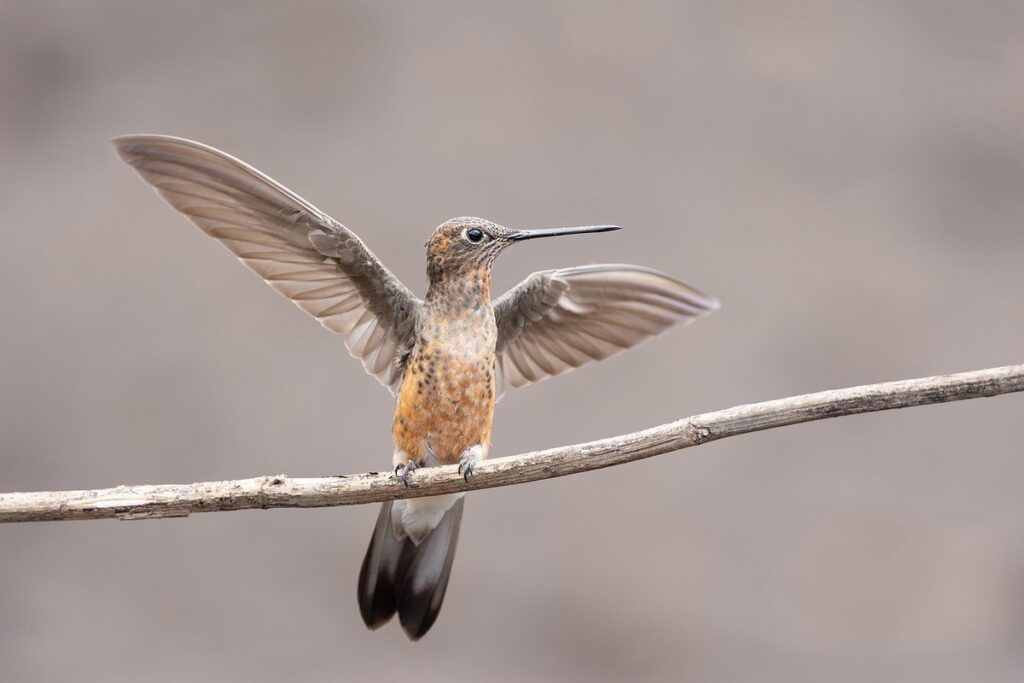
Creating a Hummingbird-Friendly Environment
To attract hummingbirds to your garden, creating a welcoming environment is key – let’s focus on designing a haven that will draw these beautiful birds in.
Choosing the Right Plants
When it comes to attracting hummingbirds to your garden, choosing the right plants is crucial. Hummingbirds are drawn to flowers and shrubs that provide a rich source of nectar, their primary source of energy. Some of the best options for hummingbird-friendly plants include trumpet-shaped flowers like honeysuckle, fuchsia, and cardinal flower, as well as red salvia and coral bells.
It’s essential to use native plants in your garden, as they are adapted to the local climate and soil conditions, making them a more sustainable option. Native plants also provide shelter and protection for hummingbirds, offering a safe haven from predators and harsh weather conditions. For example, shrubs like azalea and rhododendron not only produce nectar-rich flowers but also provide dense foliage that protects hummingbirds from the elements.
To create a thriving hummingbird-friendly ecosystem, aim to plant a variety of native species that bloom at different times throughout the growing season. This will ensure a constant source of nectar for visiting hummingbirds and support their high metabolism.
Providing the Right Nectar Sources
Hummingbirds are attracted to nectar-rich flowers that provide them with the energy they need to fuel their high metabolism. To create a hummingbird-friendly environment, it’s essential to offer a variety of flowers with different shapes, colors, and scents. Tubular flowers like trumpet-shaped honeysuckle, fuchsia, and Salvias are ideal as they allow hummingbirds to easily access the nectar with their long beaks.
When selecting plants, consider adding red, orange, or purple blooms, as these colors are highly visible to hummingbirds. However, it’s not just about the color – also look for flowers with strong scents like honeysuckle and jasmine, which will guide the birds to the source of nectar. Plant a mix of annuals and perennials to provide a constant supply of nectar throughout the growing season.
In terms of placement, position plants near feeders or water sources to create a “nectar station” that hummingbirds can easily access. Also, consider placing plants in areas with full sun to partial shade, as most hummingbird-attracting flowers prefer these conditions.
Attracting Hummingbirds with Water Features
One of the most attractive features you can add to your garden is a water source, as hummingbirds are naturally drawn to running water and will often visit fountains or birdbaths.
Creating a Hummingbird-Friendly Pond or Birdbath
When it comes to attracting hummingbirds to your garden, providing a reliable source of water is just as crucial as offering nectar-rich flowers. Hummingbirds need water for drinking and bathing, so incorporating a pond or birdbath into your yard’s design can be a game-changer. To create an attractive and safe watering hole, consider the following key features:
* Depth: Ensure your pond or birdbath is at least 2-3 inches deep to allow hummingbirds to comfortably perch and drink without feeling exposed.
* Slope: A gentle slope or ramp leading into the water will make it easier for hummingbirds to access the pond or birdbath, especially if they’re not confident swimmers.
* Placement: Position your water feature in a spot that receives partial shade, as direct sunlight can cause water to evaporate quickly. Also, consider placing it near a feeder or flowers to create a welcoming hub for hummingbirds.
By incorporating these design elements, you’ll be well on your way to creating a haven for hummingbirds in your garden.
Adding Moving Water Features
Incorporating moving water features into your garden design is a great way to entice hummingbirds to visit and stay. These features can provide an additional source of nectar-rich droplets that these birds rely on for energy.
One of the benefits of fountains or misting systems is that they create a constant flow of water, which attracts hummingbirds from afar. They’ll be drawn in by the sight and sound of moving water, and will appreciate the opportunity to drink from it and even catch insects in mid-air.
To get the most out of a moving water feature for your hummingbird visitors, consider placing it near a feeder or nectar-rich flower patch. This will allow them to easily transition between drinking from the water feature and refueling with nectar. You can also experiment with different types of moving water features, such as small pumps or solar-powered misters, to find what works best for your garden’s unique conditions.
By incorporating a moving water feature into your garden design, you’ll create a welcoming environment that hummingbirds will return to again and again.
Creating a Hummingbird-Friendly Habitat
To create a haven that hummingbirds will love, you’ll want to focus on plants with tubular flowers and those that bloom at various times to provide a constant source of nectar.
Planting for Year-Round Nectar Production
When it comes to creating a hummingbird-friendly habitat, planting nectar-rich flowers that produce year-round blooms is crucial. However, many gardeners focus on plants that burst into bloom during peak seasons, leaving a gap in nectar production for the rest of the year. To avoid this, choose plants with overlapping blooming times to ensure a constant food source for hummingbirds.
Some excellent options include coral bells (Heuchera spp.), which produce nectar-rich flowers from spring to fall, and bee balm (Monarda didyma), which blooms in mid-summer but has red tubular flowers that remain attractive to hummingbirds during the winter months. Other plants like trumpet vine (Campsis radicans) and cardinal flower (Lobelia cardinalis) offer nectar-rich flowers from spring to fall, with some species continuing to bloom through the winter.
To create a diverse and year-round nectar source for hummingbirds, consider grouping plants with different blooming periods together. For example, pair early-blooming flowers like honeysuckle (Lonicera spp.) with later-bloomers like salvias (Salvia spp.). This strategy will ensure that your garden remains a hub of activity for these fascinating birds throughout the seasons.
Incorporating Shelter and Perches
When it comes to creating a hummingbird-friendly habitat, providing sheltered areas and perches is crucial for these tiny creatures. Hummingbirds need a safe place to rest and observe their surroundings, which can be challenging given their rapid wingbeat of up to 80 times per second.
To incorporate sheltered areas into your garden, consider planting native shrubs or trees that offer dense foliage. These plants not only provide shade but also attract nectar-rich flowers, which are essential for hummingbirds’ diet. Some excellent options include azaleas, rhododendrons, and viburnums. When selecting plants, choose species that are native to your region, as they will require less maintenance and support the local ecosystem.
In addition to native plants, you can install birdhouses specifically designed for hummingbirds. These tiny abodes typically have a narrow entrance and a small interior space to accommodate the birds’ unique physiology. Place them in areas with partial shade and near a nectar-rich feeder to make it easy for the hummingbirds to access their new home.
Using Hummingbird Feeders Wisely
When it comes to attracting hummingbirds, feeding them wisely is crucial. This means choosing the right feeder and placing it in a spot that attracts these tiny birds without over-relying on sugar water.
Choosing the Right Type of Feeder
When it comes to choosing the right type of hummingbird feeder, there are several options available. One popular feature is the ant moat, which prevents ants from reaching the nectar and feeding on it. These feeders typically have a small channel or reservoir around the base that holds water, and ants can’t climb up the sides to reach the food.
Another option is the bee guard, which keeps bees away from the feeder. Bees are attracted to the sweet smell of nectar, but they can be aggressive when competing for it. A bee guard will have small holes or openings that allow hummingbirds to access the nectar but keep larger bees out.
Consider your garden’s specific needs and the types of pests you’re trying to control when selecting a feeder type. If ants are a problem in your area, an ant moat feeder might be the best choice. On the other hand, if bees are more prevalent, look for feeders with bee guards.
Some popular brands offer combination feeders that have both ant moats and bee guards, providing extra protection against multiple types of pests.
Mixing the Perfect Nectar Recipe
When it comes to attracting hummingbirds to your garden, providing them with a sweet and energy-rich nectar is essential. The ideal recipe for hummingbird nectar is simple: four parts water to one part granulated white sugar. This ratio allows the birds to easily metabolize the sugars, which they rely on for fuel.
Using artificial sweeteners like honey or maple syrup is not recommended, as these contain complex compounds that can be difficult for hummingbirds to digest. In fact, feeding them such substances can even harm their health. Always opt for plain white sugar, and never add food coloring or red dye, as these can also be toxic to the birds.
To maintain clean and hygienic feeders, change the nectar mixture every three to four days, or more frequently if you live in an area with high temperatures or rainfall. Also, scrub the feeder thoroughly with soap and water before refilling it each time. This will help prevent mold growth and bacterial contamination that can harm your feathered friends.
Hummingbird-Friendly Garden Design Tips
To create a hummingbird haven, consider incorporating native plants with long, tube-shaped flowers that provide nectar deep within their blooms. This will attract these beautiful birds to your garden.
Maximizing Visual Appeal
When it comes to designing a hummingbird-friendly garden, it’s not just about selecting the right plants – it’s also about creating an inviting and visually appealing space that attracts these iridescent birds. One of the key strategies for maximizing visual appeal is placement: hummingbirds are naturally drawn to areas with high levels of sunlight and warmth, so consider placing your nectar-rich flowers in south-facing spots or using mirrors to reflect light onto your plants.
Color schemes play a crucial role in attracting hummingbirds as well. These birds are particularly fond of bright reds, oranges, and purples, so incorporate plenty of flowers that feature these hues into your garden design. Consider pairing deep-red trumpet-shaped flowers like Salvias with vibrant orange Lantana or purple Verbena for a visually striking effect.
In terms of texture, hummingbirds prefer plants with tube-like or bell-shaped blooms that make it easy for them to feed on nectar. Incorporate a mix of plant textures into your garden design, such as delicate Fuchsia, sturdy Salvias, and wispy Bee Balm, to create visual interest and attract these birds to specific areas of your garden.
Incorporating Wildlife-Friendly Features
When designing a hummingbird-friendly garden, it’s essential to consider additional features that can enhance its wildlife-friendliness. One way to do this is by incorporating compost piles into your garden design. Compost piles provide a nutrient-rich source of food for beneficial microorganisms and insects, which in turn support the hummingbirds’ favorite nectar sources.
Consider creating a small compost area near your garden beds, where you can add kitchen scraps, leaves, and other organic materials to break down naturally. As the compost piles mature, they’ll attract beneficial insects like beetles and ants that help pollinate plants and control pests.
Another feature worth considering is a pollinator hotel or insect hotel. These structures provide shelter and habitat for solitary bees, wasps, and other beneficial insects that are essential for hummingbird-friendly gardens. By incorporating these features into your design, you’ll create a thriving ecosystem that supports the entire food chain, not just hummingbirds.
You can build or purchase a pollinator hotel made from natural materials like bamboo, straws, or hollow reeds. Place it in a sunny spot near your garden beds to attract beneficial insects and enhance biodiversity. By taking these simple steps, you’ll create a haven for hummingbirds and other wildlife, making your garden a true sanctuary.
Tips for Attracting Hummingbirds Year-Round
To attract hummingbirds year-round, you’ll want to consider planting nectar-rich flowers that provide a constant source of energy. Incorporating trees and shrubs that offer shelter is also crucial for their survival.
Seasonal Plant Selection
When it comes to attracting hummingbirds year-round, selecting plants that provide nectar during different seasons is crucial. Hummingbirds rely on a constant food source to survive, and choosing the right plants can make all the difference.
To ensure a steady supply of nectar, look for plants with overlapping blooming times. For example, plant early-blooming flowers like honeysuckle or fuchsia in the spring, followed by mid-season blooms like coral bells or trumpet vine in the summer. This will provide hummingbirds with a consistent source of food throughout the growing season.
In regions with mild winters, you can also incorporate plants that bloom during this time, such as winter honeysuckle or Christmas cactus. Conversely, if you live in an area with harsh winters, choose plants that go dormant during this period and bloom again come springtime, like dogwood or redbud.
When designing your garden, consider the changing seasonal conditions and select plants accordingly. This will help create a thriving ecosystem that supports these beautiful birds all year round.
Managing Garden Maintenance
To keep your hummingbird-friendly garden thriving throughout the year, regular maintenance is essential. Pruning is one of the most crucial tasks to ensure healthy plants and continued nectar production for our feathered friends.
Prune your flowers and shrubs according to their specific needs. For example, trumpet-shaped flowers like honeysuckle and fuchsia require regular pruning to maintain shape and promote new growth. On the other hand, Salvias need only occasional trimming to prevent them from becoming leggy.
Seasonal adjustments are also vital for maintaining a hummingbird-friendly garden. In spring, remove any dead plant material and replace it with fresh mulch to retain moisture and suppress weeds. During summer, keep an eye out for pests like aphids and spider mites, which can quickly destroy plants. Use organic pest control methods whenever possible, such as neem oil or insecticidal soap, to avoid harming hummingbirds.
In fall, reduce watering to allow plants to enter dormancy, but continue providing nectar-rich flowers to fuel the hummingbirds’ migratory journey.
Conclusion
In conclusion, attracting hummingbirds to your garden requires patience, dedication, and a thoughtful approach. By following the steps outlined in this guide, you’ll be well on your way to creating a haven for these beautiful creatures. Remember that consistency is key – ensure that your feeders are filled regularly, and your flowers are blooming throughout the growing season. Don’t get discouraged if it takes some time to notice an increase in hummingbird activity; it’s normal for them to take their time exploring new gardens. Keep in mind that every garden is unique, so be prepared to make adjustments as you observe what works best for your specific environment. With persistence and a willingness to adapt, you’ll soon be enjoying the delight of hummingbirds flitting through your garden, adding a touch of magic to your outdoor space.
Frequently Asked Questions
What if I have a small garden or balcony – can I still attract hummingbirds?
Yes, you can still create a hummingbird-friendly environment on a small scale! Focus on selecting compact plants that are rich in nectar, and consider using a hanging basket or container garden. You can also use a small water feature, like a birdbath or even a shallow dish with fresh water, to provide a drinking spot for the birds.
How often should I refill my hummingbird feeder, and what’s the best way to clean it?
Hummingbirds rely on nectar-rich feeders as an essential energy source. Refill your feeder every 3-5 days, depending on usage. Clean your feeder thoroughly with soap and water at least once a week to prevent mold buildup and bacterial growth.
Can I use artificial flowers or decorations that mimic hummingbird-friendly plants?
While artificial flowers can add visual appeal, it’s best to stick with real plants that provide nectar and attract hummingbirds naturally. Artificial flowers might not offer the same benefits as real ones, and hummingbirds may not be attracted to them in the long run.
How do I ensure a consistent water source for my hummingbirds during cold winter months?
In regions where winters are harsh, consider using a heated birdbath or changing your water feature to one that won’t freeze. You can also provide a shallow dish with fresh water and change it frequently to keep it free of ice.
What types of plants are suitable for year-round nectar production in warmer climates?
In warmer climates, choose plants like lantana, hibiscus, and bougainvillea, which are known for their prolonged blooming periods. These plants will provide a consistent source of nectar throughout the year, attracting hummingbirds during both spring and fall migrations.