
Cucumbers are one of the most widely grown vegetables around the world, but they’re often plagued by pests and diseases that can decimate entire crops. That’s where beneficial insects come in – like ladybugs and lacewings, which are natural predators that feed on cucumber pests and keep the ecosystem balanced. But beneficial insects do more than just control pests; they also pollinate plants, promoting healthy growth and increasing yields.
In this article, we’ll delve into the world of cucumber beneficial insects and explore their importance in maintaining a healthy and thriving garden or farm. We’ll take a closer look at which insects are best suited for protecting cucumbers, how to attract them to your garden, and some practical tips on creating an insect-friendly environment that promotes pollination and pest control. By the end of this article, you’ll have a better understanding of the crucial role beneficial insects play in cucumber cultivation.
Introduction to Beneficial Insects
Let’s dive into the fascinating world of beneficial insects that thrive alongside your cucumber plants, including ladybugs and lacewings. We’ll explore their importance in your garden ecosystem.
What are Beneficial Insects?
Beneficial insects are the unsung heroes of your garden, working tirelessly behind the scenes to maintain ecosystem balance and promote healthy plant growth. These tiny wonders come in many forms, including ladybugs, lacewings, parasitic wasps, and hoverflies, each with their unique set of skills and characteristics.
Ladybugs, for example, are voracious aphid-eaters, feeding on these pesky insects to prevent them from taking over your cucumber plants. Lacewings, on the other hand, are expert predators that feed on a wide range of pests, including aphids, whiteflies, and caterpillars. Parasitic wasps, meanwhile, lay their eggs inside pest larvae, where they develop into adults that emerge to continue the predatory cycle.
To attract beneficial insects to your garden, create a welcoming environment by incorporating diverse plant species, reducing pesticide use, and providing shelter through nesting sites or sheltered areas. By doing so, you’ll be creating a haven for these good bugs, which will in turn help maintain balance in your ecosystem and promote the health of your cucumber plants.
Types of Beneficial Insects Found in Cucumbers
When it comes to growing cucumbers, having beneficial insects around can be a game-changer. These good bugs not only pollinate your plants but also help control pests that might damage them. In this section, we’ll explore the types of beneficial insects you can expect to find in your cucumber patch.
Hoverflies, also known as flower flies, are one of the most common beneficial insects associated with cucumbers. These small, delicate-looking insects lay their eggs near aphid colonies, where their larvae feed on the pests. A single hoverfly female can lay up to 500 eggs at a time, making them a valuable asset in your garden.
Mason bees are another beneficial insect that visits cucumber flowers for nectar and pollen. These solitary bees collect plant material to build their nests and are often seen carrying pollen baskets or “pollen pots” on their legs. As they move from flower to flower, mason bees transfer pollen and facilitate pollination, allowing your cucumbers to set fruit.
Predatory ground beetles are also beneficial insects that live among cucumber plants. These small, usually brown or black beetles feed on aphids, slugs, and other pests that might damage your cucumbers. By introducing these beetles into your garden, you can create a balanced ecosystem where good bugs control bad ones.
To attract these beneficial insects to your cucumber patch, try incorporating native wildflowers into your garden design. These flowers provide nectar and pollen for hoverflies, mason bees, and other pollinators. Planting a diverse range of flowers also encourages a variety of beneficial insects to visit your garden.
The Importance of Beneficial Insects in Cucumber Gardens
When it comes to maintaining a thriving cucumber garden, it’s essential to consider the vital role beneficial insects play in keeping pests at bay and promoting healthy growth. This section dives into their importance in your garden.
Pest Control and Crop Protection
Beneficial insects play a crucial role in controlling pest populations and maintaining crop health in cucumber gardens. These “good bugs” help mitigate the damage caused by pests like aphids, whiteflies, and spider mites that can spread diseases and destroy crops.
For instance, lacewings are known to prey on aphid eggs and larvae, while ladybugs consume aphids, scale insects, and mealybugs. In a study conducted in a cucumber farm, introducing lacewings and ladybugs resulted in a 70% reduction in pest populations within two weeks. This not only reduced the need for pesticides but also minimized crop damage.
To encourage beneficial insects in your cucumber garden, focus on creating a diverse ecosystem by planting a mix of flowers that attract pollinators and predators. For example, marigolds repel nematodes, while dill attracts aphid-eating wasps. By introducing these beneficial bugs and creating an inviting environment for them to thrive, you can significantly reduce your reliance on chemical pesticides and maintain healthy cucumbers.
Pollination and Seed Production
Pollination is a vital process that occurs within cucumber gardens, and beneficial insects play a significant role in this process. Bees are one of the most crucial pollinators of cucumber plants. These tiny creatures visit flowers to collect nectar, inadvertently transferring pollen between them. This cross-pollination allows for seed production, which is essential for plant reproduction.
The impact of bees on cucumber crops cannot be overstated. Research has shown that without adequate bee pollination, cucumber yields can drop by up to 20%. To encourage beneficial insects like bees in your garden, incorporate bee-friendly plants, such as lavender or coneflower, into your crop rotation. Additionally, avoid using broad-spectrum pesticides, which can harm these vital pollinators.
When it comes to seed production, beneficial insects also play a key role. Wasps and flies are often responsible for the transfer of pollen between flowers. By attracting these beneficial insects with a diverse range of plants, you can create an environment conducive to efficient seed set. By implementing these simple measures, you can significantly improve your cucumber crop’s pollination process, resulting in healthier, more productive plants.
Identifying Beneficial Insects in Your Cucumber Garden
To help you effectively spot and appreciate these beneficial insects, let’s take a closer look at some of the most common species found in cucumber gardens.
Physical Characteristics of Common Beneficial Insects
When it comes to identifying beneficial insects in your cucumber garden, understanding their physical characteristics is crucial. One of the most common and beneficial insects for cucumbers is the lacewing. These delicate, pale yellow or white insects have transparent wings with a distinctive lace-like pattern. They are typically 1-2 cm long and have a narrow body. Lacewings are often mistaken for flies due to their wing structure.
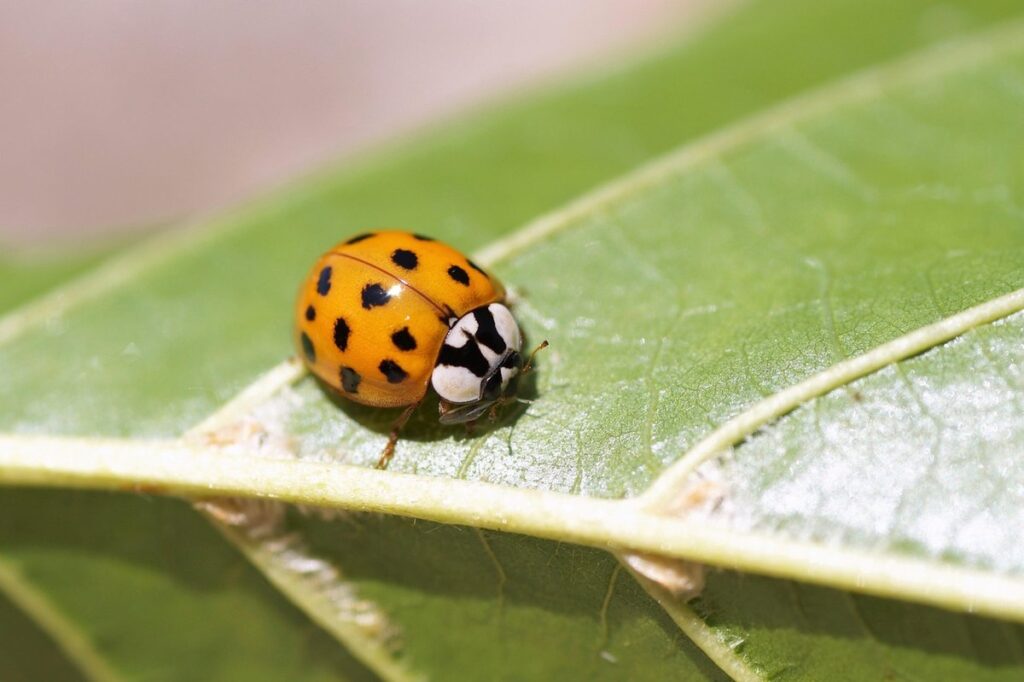
Another important beneficial insect for cucumber gardens is the ladybug. Ladybugs are small, oval-shaped beetles that range in color from yellow to red with black spots. They are usually around 6-8 mm long and have a distinctive rounded back. Ladybugs feed on aphids, making them a valuable asset to your garden.
Hoverflies, also known as flower flies, are another beneficial insect for cucumbers. These insects resemble small wasps but are actually harmless to humans. Hoverflies are typically around 1-2 cm long and have bright colors with distinctive stripes or spots. They are easily recognizable due to their large eyes and iridescent wings.
To accurately identify these beneficial insects, take a closer look at their physical characteristics. Observe their body shape, size, color, and any distinct markings or patterns. By doing so, you can confidently welcome these “good bugs” into your cucumber garden and reap the rewards of a healthier, more balanced ecosystem.
Behavioral Patterns and Habitat Preferences
To create an environment that attracts beneficial insects to your cucumber garden, it’s crucial to understand their behavioral patterns and habitat preferences. Beneficial insects like lacewings, parasitic wasps, and hoverflies are naturally drawn to areas with an abundance of their preferred food sources.
For instance, the adult stages of these beneficial insects are often attracted to flowers rich in nectar and pollen, such as marigolds, dill, and fennel. Planting these flowers around your cucumber patch can help draw beneficial insects to the area. On the other hand, larvae typically prefer leaves with high levels of aphid infestation.
When selecting plants for your beneficial insect garden, consider factors like flower color, scent, and bloom timing. Beneficial insects are also more likely to inhabit areas with a mix of open spaces and sheltered spots, such as nearby weeds or leaf litter. By incorporating these elements into your garden design, you can create an inviting environment that welcomes beneficial insects and supports their role in controlling pests naturally.
Creating a Conducive Environment for Beneficial Insects
To create a haven for beneficial insects, you’ll need to consider factors such as plant diversity, habitat creation, and pesticide use in your garden. This involves careful planning to attract these helpful friends.
Plant Selection and Diversification
When it comes to attracting beneficial insects to your cucumber garden, plant selection is crucial. These “good bugs” are attracted to a diverse range of flowers and herbs that provide them with the necessary resources for survival. By planting a mix of annuals and perennials, you can create a haven for these beneficial insects.
Some excellent choices include lavender, which attracts hoverflies, and mint, which draws in ladybugs. These plants not only provide nectar but also host eggs and larvae, supporting the life cycle of these beneficial insects. Consider incorporating a mix of native flowers, such as coneflowers and black-eyed Susans, to attract beneficial insects that are well-suited to your local climate.
By diversifying your plant selection, you can create a balanced ecosystem that supports both pollinators and predators. For example, marigolds repel nematodes, while nasturtiums draw in aphid-eating lacewings. Experiment with different combinations to find the perfect blend for your garden, and reap the rewards of a healthy and thriving beneficial insect population.
Habitat Creation: Providing Shelter and Food Sources
When it comes to creating a welcoming environment for beneficial insects, providing sheltered areas with food sources is crucial. These tiny creatures need a safe haven to rest, hide from predators, and raise their young. You can create these habitats by incorporating water features or compost piles into your garden design.
Water features, such as birdbaths or shallow dishes filled with fresh water, are ideal for attracting beneficial insects like lacewings and hoverflies. These insects need a constant source of moisture to survive, so make sure the water is changed frequently to prevent mosquito breeding. Compost piles also attract beneficial insects like ground beetles and ants, which feed on pests that damage your cucumber plants.
To create an effective habitat, consider the following tips: place water features near cucumber plants, incorporate native plants that provide shelter and food for beneficial insects, and maintain a diverse range of microhabitats throughout your garden. By doing so, you’ll be creating a haven that supports the local beneficial insect population, ensuring they thrive and help protect your crops from pests.
Managing Pests Without Chemicals Using Beneficial Insects
When it comes to maintaining a healthy cucumber garden, learning how to introduce beneficial insects can be a game-changer for pest management without harsh chemicals. We’ll explore this approach in more detail below.
Integrated Pest Management (IPM) Strategies
When implementing Integrated Pest Management (IPM) strategies that incorporate beneficial insects, it’s essential to adopt a holistic approach. This involves monitoring pest populations, identifying areas of vulnerability, and selecting the right beneficial insects for control. For instance, introducing ladybugs or lacewings to your cucumber patch can provide natural defense against aphids, whiteflies, and other pests.
To maximize the effectiveness of IPM strategies with beneficial insects, consider the following steps:
* Conduct regular field observations to track pest populations and beneficial insect activity.
* Implement cultural controls such as crop rotation, pruning, and irrigation management to reduce pest susceptibility.
* Select a diverse range of beneficial insects that target specific pest species, ensuring a balanced ecosystem.
* Avoid over-reliance on single beneficial insect species, opting instead for a mix of complementary insects.
By adopting this multi-faceted approach, gardeners can create a harmonious environment where beneficial insects thrive and pests are naturally controlled.
Encouraging Beneficial Insect Populations Through Good Gardening Practices
Beneficial insects play a crucial role in maintaining a balanced ecosystem in your garden. By incorporating good gardening practices, you can encourage these beneficial populations to thrive and effectively manage pests without relying on chemicals. A key aspect of this is creating a diverse and vibrant garden environment.
To attract beneficial insects like hoverflies, lacewings, and parasitic wasps, incorporate plants that are rich in nectar and pollen into your garden. These flowers provide essential nutrients for these beneficial bugs and serve as a food source during their larval stages. For example, planting marigolds, nasturtiums, or calendulas near your cucumber patch can attract hoverflies and lacewings, which prey on aphids and other pests that target cucumbers.
Regularly maintaining a balanced soil ecosystem is also essential for supporting beneficial insect populations. This involves using compost, manure, or green waste to enrich the soil’s structure and fertility. By creating a healthy environment, you can promote beneficial insects’ growth and increase their ability to control pest populations naturally.
Common Challenges and Solutions for Maintaining Beneficial Insects in Cucumber Gardens
As you work on creating a thriving cucumber garden, you may encounter challenges that threaten the delicate balance of beneficial insects. Let’s tackle some common obstacles and explore practical solutions to maintain these essential good bugs.
Understanding Pesticide Impacts on Beneficial Insects
Pesticides can be a double-edged sword in our gardens. While they’re designed to control pests that harm our crops, they often end up harming the beneficial insects we want to protect. This is especially true for cucumber gardens, where beneficial insects play a crucial role in pollination and pest control.
Beneficial insects like bees, butterflies, and ladybugs are essential for cucumber pollination. However, pesticides can disrupt their populations, leading to reduced yields and lower fruit quality. For example, neonicotinoids, a common pesticide, have been shown to affect the navigation skills of honeybees, making it harder for them to find nectar-rich flowers.
To minimize the impact of pesticides on beneficial insects, adopt Integrated Pest Management (IPM) techniques in your cucumber garden. This involves using physical barriers, cultural controls, and organic pest control methods like introducing natural predators or parasites. For instance, introduce lacewings, which are known to prey on aphids, a common cucumber pest.
When you must use pesticides, choose targeted, low-toxicity options that specifically address the problem insect. Always read labels carefully and follow application guidelines to minimize drift and runoff. Regularly monitoring your garden for beneficial insects can also help you identify potential issues before they become major problems.
Strategies for Managing Nematodes and Other Soil-Borne Pests
Managing nematodes and other soil-borne pests can be a significant challenge for cucumber gardeners. These microscopic worms feed on plant roots, causing stunted growth, reduced yields, and lower fruit quality. To combat nematode infestations, rotate your crops to break the life cycle of these pests. For example, if you’ve grown cucumbers in a particular plot, wait at least two years before replanting them in that area.
Another strategy is to use crop rotation combined with trap cropping. Planting attractive crops like marigolds or nasturtiums near your cucumber plants can lure nematodes away from the main crop. These flowers have natural compounds that repel nematodes and other pests, making them a valuable addition to your garden.
Organic amendments like compost tea and neem cake can also help control nematode populations. Compost tea is made by steeping compost in water, which is then used as a foliar spray or soil drench. Neem cake is a natural insecticide that contains compounds that disrupt the life cycle of nematodes. By incorporating these methods into your garden management plan, you can create an environment that supports both beneficial insects and healthy plant growth.
Conclusion and Next Steps
Now that we’ve explored the world of cucumber beneficial insects, let’s summarize what we’ve learned and discuss practical steps to integrate these good bugs into your garden.
Recap of Key Takeaways
In this final section, let’s recap the key takeaways from our exploration of cucumber beneficial insects. By now, you should have a solid understanding of why these good bugs are crucial for maintaining a healthy and thriving garden.
Firstly, it’s essential to recognize that beneficial insects play a vital role in pollination, pest control, and soil health in your cucumber garden. We discussed how bees, butterflies, ladybugs, lacewings, and hoverflies contribute significantly to the overall ecosystem of your garden. By attracting these beneficial insects, you’re not only ensuring the success of your cucumbers but also creating a balanced environment that promotes biodiversity.
To effectively manage beneficial insects in your garden, we emphasized the importance of providing a conducive environment for them to thrive. This involves maintaining a diverse range of flowers and herbs, avoiding the use of pesticides, and creating sheltered areas for them to live and reproduce. We also highlighted the significance of crop rotation and companion planting as essential strategies for supporting beneficial insects.
Key action items for gardeners include:
* Planting a mix of flowers that attract pollinators, such as zinnias, marigolds, and sunflowers
* Incorporating herbs like basil, mint, and dill to provide shelter and food sources for beneficial insects
* Rotating crops to avoid depleting the soil of nutrients and disrupting beneficial insect populations
* Practicing integrated pest management (IPM) techniques that incorporate physical barriers, traps, and cultural controls
* Creating a source of water, such as a birdbath or shallow dish, to provide drinking water for beneficial insects
By implementing these strategies, you’ll be well on your way to creating an ecosystem that supports the health and productivity of your cucumber garden. Remember, every small step counts in building a balanced and thriving environment for both your plants and beneficial insects.
Frequently Asked Questions
What if I have a large cucumber crop, but it’s too labor-intensive to attract beneficial insects manually?
Manual attraction methods can be time-consuming for larger crops. Instead, consider using companion planting techniques to create an insect-friendly environment. Plant flowers that attract pollinators and predators alongside your cucumbers. This will not only save you time but also promote a balanced ecosystem.
Can I use pesticides in conjunction with beneficial insects?
No, using pesticides alongside beneficial insects can be counterproductive. Pesticides often harm or kill beneficial insects, which are necessary for maintaining a healthy balance in the garden ecosystem. Instead, focus on integrated pest management (IPM) strategies that incorporate physical barriers, crop rotation, and cultural controls to minimize the need for chemical interventions.
How do I maintain beneficial insect populations during periods of drought?
Beneficial insects require water sources to survive, especially during hot and dry weather. Ensure you have a reliable source of water nearby, such as a shallow dish or birdbath. You can also incorporate drought-tolerant plants into your garden design to provide shelter and food for beneficial insects.
Can I import beneficial insects from other regions to introduce them to my cucumber crop?
While it’s technically possible to import beneficial insects, this method is not always effective and can carry risks such as introducing non-native species or disrupting local ecosystems. Instead, focus on creating an environment that supports the natural movement of beneficial insects into your garden.
How do I monitor the effectiveness of beneficial insects in controlling pests on my cucumber crop?
Monitoring the efficacy of beneficial insects involves observing the reduction in pest populations and assessing the overall health of your cucumbers. Look for signs such as reduced pest damage, improved plant growth, and increased pollination rates. Keep a record of your observations to refine your gardening strategies over time.