
If you’re looking to create a haven for bees, butterflies, and other pollinators in your garden or meadow, choosing the right wildflower mix is key. With many species facing threats from pesticides and habitat loss, it’s more important than ever to support these vital insects by cultivating a diverse ecosystem. But where do you start? Selecting a pollinator-friendly wildflower mix can be overwhelming with so many options available. In this article, we’ll guide you through the process of designing and maintaining a thriving pollinator garden or meadow, from choosing the right mix for your climate to providing ongoing care that ensures these beneficial insects continue to visit year after year. By following our expert advice, you’ll be well on your way to creating a haven for these precious creatures in no time.
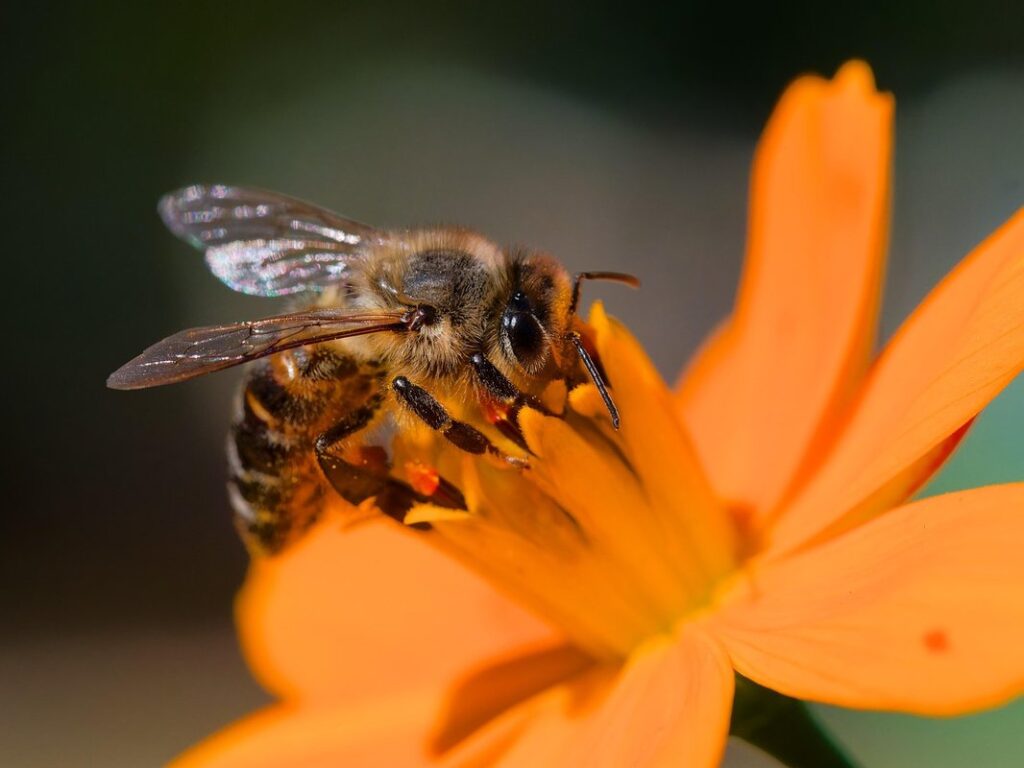
Understanding the Importance of Pollinators
Pollinators like bees and butterflies play a vital role in our ecosystem, and understanding their importance is key to creating a garden that attracts them. In this next part, we’ll explore why pollinators are so crucial.
What are Pollinators and Why Do They Matter?
Pollinators are some of the most vital yet unsung heroes of ecosystems around the world. These tiny creatures play a crucial role in plant reproduction by transferring pollen from one flower to another, allowing seeds to be fertilized and plants to thrive. Without pollinators like bees, butterflies, hummingbirds, and even bats, many plants would be unable to reproduce, and our gardens and wild spaces would look very different.
In fact, it’s estimated that one-third of all the food we eat is directly or indirectly dependent on animal pollination. This includes not just fruits and vegetables but also nuts, seeds, and even coffee! When you plant a pollinator-friendly garden, you’re not just adding beauty to your outdoor space – you’re also supporting the local ecosystem and contributing to the health of our planet.
To attract these essential visitors to your garden, consider planting a diverse range of flowers that provide nectar, pollen, or shelter for them. By doing so, you’ll be creating a haven for pollinators and helping to ensure their continued survival and success.
The Impact of Declining Pollinator Populations
Pollinators are facing an alarming decline, which has significant consequences for our environment and food supply. Bees, butterflies, and other pollinators are responsible for pollinating around 1/3 of the world’s crops, including fruits, vegetables, and nuts. However, their populations are dwindling due to habitat loss, pesticide use, and climate change.
The loss of natural habitats, such as meadows and forests, has reduced the availability of food and shelter for pollinators. Monoculture farming practices, which involve growing a single crop in a large area, have also contributed to the decline of pollinator populations. Pesticides, particularly neonicotinoids, have been linked to bee deaths and other environmental problems.
The consequences of a world without pollinators would be catastrophic. Without pollination, many crops would not be able to reproduce, leading to food shortages and economic losses. In fact, it’s estimated that the value of pollinator services in the United States alone is around $20 billion annually.
To combat this issue, we must take action to create pollinator-friendly environments in our gardens and communities. By planting pollinator wildflower mixes, we can provide a source of food and shelter for these vital creatures. In our next section, we’ll explore some tips and ideas for creating effective pollinator wildflower mixes that will attract bees and butterflies to your garden.
Choosing the Right Wildflower Mix
When selecting a wildflower mix, consider the specific needs of your garden and choose a blend that caters to local pollinators. This ensures an optimal bloom period for bees and butterflies.
Factors to Consider When Selecting a Wildflower Mix
When selecting a wildflower mix for your garden or meadow, it’s essential to consider several key factors to ensure that you’re choosing a blend that will thrive in your specific environment and provide the desired benefits for pollinators. Climate is one of the most critical factors to consider. Different regions have unique temperature and precipitation patterns, which can impact the growth and blooming times of wildflowers. For example, if you live in an area with hot summers and mild winters, choose a mix that includes heat-tolerant species such as black-eyed Susan or cosmos.
Soil type is another crucial factor to consider when selecting a wildflower mix. Different plants have specific soil preferences, so it’s essential to choose a mix that suits your soil type. For instance, if you have heavy clay soils, select a mix that includes species like coneflower or bluets, which thrive in moist, rich soils. Desired bloom times are also important to consider, as some wildflowers may bloom too early or late for the specific needs of your garden or meadow. Choose a mix with staggered bloom times to ensure a constant nectar source for pollinators throughout the growing season.
Types of Wildflowers Suitable for Pollinator Support
When choosing wildflowers for pollinator support, it’s essential to select varieties that provide a rich source of nectar and pollen. Sunflowers (Helianthus annuus) are an excellent choice, offering tall stalks that rise above other plants, making their large yellow petals easily accessible to bees and butterflies.
Coneflowers (Echinacea spp.) are another beneficial option, with their prominent conical centers providing a rich source of nectar. These drought-tolerant flowers come in a variety of colors, including pink, purple, and white, attracting a range of pollinators.
Black-eyed Susans (Rudbeckia hirta) also excel at supporting pollinators, boasting bright yellow petals with dark centers that provide an abundance of nectar. These relatively low-maintenance flowers are perfect for meadow gardens or containers.
When selecting wildflowers for your mix, consider including a combination of these varieties to create a diverse and attractive environment for pollinators. Be sure to choose species native to your region and plant them in areas with full sun and well-drained soil. By incorporating these beneficial wildflowers into your garden, you’ll be well on your way to creating a haven for bees and butterflies.
Designing a Pollinator-Friendly Garden or Meadow
When it comes to creating a pollinator-friendly space, designing a garden or meadow that’s tailored to the needs of bees and butterflies is crucial for attracting these vital visitors. This section will walk you through key considerations for planning such a haven.
Creating a Diverse and Dynamic Ecosystem
Creating a diverse and dynamic ecosystem is crucial for supporting a wide range of pollinators. In a typical growing season, you’ll want to have a mix of annuals and perennials that provide nectar and pollen throughout the different stages of growth. Annuals like sunflowers and cosmos bloom for a single season, while perennials like coneflowers and black-eyed Susans come back year after year.
To achieve this balance, consider dividing your pollinator-friendly garden or meadow into zones with varying bloom times. For example, you could plant early-blooming flowers like crocuses and grape hyacinth in one area, followed by mid-season bloomers like bee balm and bluets, and finally finishing with late-season showstoppers like asters and goldenrod.
When selecting plants for your pollinator mix, focus on varieties that are native to your region and have a long blooming period. This will ensure a constant source of nectar and pollen throughout the growing season, giving pollinators like bees and butterflies the sustenance they need to thrive.
Incorporating Native Plants into Your Pollinator Garden
When it comes to designing a pollinator-friendly garden or meadow, incorporating native plants is an essential consideration. Not only do these plants attract local pollinators, but they also require less maintenance and thrive with minimal care.
Native plants have evolved alongside the local pollinators in your area, making them the perfect choice for attracting bees and butterflies to your garden. By choosing plants that are native to your region, you’ll be providing a source of nectar and pollen that’s specifically tailored to the needs of these vital pollinators.
Some benefits of using native plants include reduced watering needs, as they’re adapted to local climate conditions, and lower maintenance requirements, since they’re less susceptible to pests and diseases. This means you can enjoy a thriving pollinator garden with minimal effort.
To get started, research which native plants are suitable for your region and incorporate them into your wildflower mix. Some popular options include coneflowers, black-eyed susans, and milkweed – all of which are sure to attract local bees and butterflies. By choosing the right plants and designing a pollinator-friendly garden, you’ll be well on your way to creating a haven for these vital pollinators.
Tips for Planting and Caring for a Pollinator Wildflower Mix
To get the most out of your pollinator wildflower mix, learn how to prepare the soil, plant at the right time, and provide ongoing care to ensure its success. This will make all the difference in attracting bees and butterflies!
Preparing the Soil and Seeding
Before planting your pollinator wildflower mix, it’s essential to prepare the soil for optimal growth. Weeds can be a significant competitor for water and nutrients, so removing them is crucial. Start by loosening the top 6-8 inches of soil using a garden fork or tiller. This will help break up any compacted soil and allow roots to grow deeper.
Next, add a 2-inch layer of organic matter like compost or well-rotted manure to improve soil fertility and drainage. You can also mix in a balanced fertilizer according to the manufacturer’s instructions. If your soil is heavy clay or sandy, consider adding some peat moss or perlite to adjust its pH levels.
Some gardeners prefer to let their wildflower mix self-seed after it establishes itself. However, if you want to ensure that your mix grows evenly and doesn’t get choked out by weeds, seed them directly into the prepared soil. Follow the package instructions for sowing rates and techniques specific to your region’s climate and growing conditions.
Ongoing Care and Maintenance
To ensure the long-term health and success of your pollinator wildflower mix, ongoing care and maintenance are crucial. Mulching is an essential aspect of this process. Apply a 2-3 inch layer of organic mulch around the plants to retain moisture, suppress weeds, and regulate soil temperature. This will help reduce water consumption and prevent root damage caused by extreme temperatures.
Watering your pollinator wildflower mix requires a thoughtful approach as well. Avoid overwatering, which can lead to weak, leggy growth and encourage pests and diseases. Instead, provide about 1 inch of water per week through rainfall or irrigation, ensuring the soil is consistently moist but not waterlogged. Pruning is also vital for maintaining your wildflower mix’s shape and promoting healthy growth.
By incorporating these care practices into your routine, you’ll create a thriving environment that attracts pollinators throughout the seasons.
Encouraging Pollinators in Your Yard Beyond Wildflowers
While wildflowers are a great starting point for attracting pollinators, there’s more to creating a pollinator-friendly yard than just planting a mix of flowers. Let’s explore other ways to encourage bees and butterflies beyond the blooms.
Creating a Pollinator-Friendly Habitat
Creating a pollinator-friendly habitat is more than just planting wildflowers. It’s about providing a welcoming environment that meets the needs of these vital creatures. To start, consider installing a bee hotel to offer solitary bees and other beneficial insects a place to nest. You can purchase or build a bee hotel using materials like bamboo, straws, or wood blocks.
Creating a bird-friendly environment is also essential for pollinators. Plant native flowers that provide nectar and pollen for hummingbirds, and consider installing a birdbath or shallow dish filled with fresh water and rocks for birds to land on while bathing. This will not only attract birds but also other pollinators like butterflies and bees.
Lastly, don’t forget to provide a source of water for pollinators. A shallow dish or birdbath with fresh water and a few rocks for landing is perfect. Change the water regularly to keep it clean and free from mosquito larvae. By incorporating these elements into your garden, you’ll be creating a thriving ecosystem that will attract a diverse range of pollinators, far beyond just planting wildflowers.
Avoiding Pesticides and Other Harmful Substances
When it comes to creating a pollinator-friendly garden, using pesticides and other harmful substances can be counterproductive. These chemicals not only harm the very creatures you’re trying to attract, but also contaminate soil and water sources. Some common pollutants found in yards include herbicides, fungicides, and insecticides.
These chemicals work by killing or repelling pests, but they often target non-target species as well, including bees, butterflies, and other beneficial insects. In fact, studies have shown that pesticide use can be linked to bee colony collapse disorder (CCD), which has led to significant declines in bee populations worldwide.
To minimize harm to pollinators, consider adopting integrated pest management (IPM) techniques. This approach involves using a combination of methods to manage pests, such as crop rotation, hand-weeding, and biological control (e.g., introducing beneficial insects that prey on pests). You can also use physical barriers or traps to prevent pests from reaching your plants.
By choosing IPM over chemical pesticides, you’ll not only protect pollinators but also create a more balanced ecosystem in your yard.
Monitoring and Evaluating Your Pollinator Garden’s Success
As you nurture your pollinator garden, it’s essential to track its progress and assess what’s working well – or not so much. This helps make informed decisions for future growth and improvement.
Measuring Pollinator Activity and Diversity
Measuring pollinator activity and diversity is essential to understanding the success of your wildflower garden. One way to do this is through citizen science projects, which allow you to contribute data to larger research initiatives. For example, the Great Sunflower Project uses a simple counting system to track pollinators visiting sunflowers in gardens across North America.
You can also use camera traps or observation journals to record and monitor pollinator activity. Set up cameras near your wildflowers to capture images of bees, butterflies, and other visitors, or keep an observation journal to note the types of pollinators you see each day. To get started with observation, focus on specific characteristics like color, shape, and size to help identify different species.
Some key metrics to track include:
* The number of individual pollinators visiting your garden
* The variety of species present
* The times of day when activity is highest
* Any changes in activity over time
By collecting this data, you’ll gain a deeper understanding of what’s working well in your wildflower garden and be able to make adjustments for future success.
Adjusting Your Strategy Based on Results
Monitoring and evaluating your pollinator garden’s success is crucial for its long-term health and effectiveness. It allows you to understand what’s working well and where there’s room for improvement, enabling you to make informed decisions about future strategy adjustments.
Start by tracking the types of pollinators visiting your garden, including bees, butterflies, and other species. Keep a journal or use a mobile app to record observations over time. This will give you valuable insights into which wildflowers are most attractive to pollinators and when they’re blooming. Consider factors like bloom duration, flower size, and color when selecting mix components for future years.
Regularly inspect your garden’s overall health, including soil quality, moisture levels, and pest/disease management. This will help you identify any issues that may be impacting pollinator activity or plant growth. By continuously monitoring and evaluating your garden’s success, you’ll be able to refine your strategy over time, ultimately creating a thriving pollinator haven in your yard.
Frequently Asked Questions
Can I create a pollinator-friendly garden or meadow if I have limited space?
If you have a small yard or even just a few pots on your balcony, you can still create a haven for pollinators. Focus on choosing compact wildflower varieties and consider using container gardens to make the most of your space. Even a tiny patch of diverse flowers can attract beneficial insects and provide vital support.
How do I know which native plants are suitable for my specific region?
Researching native plant species is crucial when creating a pollinator-friendly garden or meadow. Consult with local nurseries, gardening experts, or online resources to determine which wildflowers are best suited to your climate, soil type, and region. This will ensure that your garden is tailored to the needs of local pollinators.
Can I mix native plants with non-native species in my pollinator garden?
While it’s tempting to combine native and non-native species, it’s generally recommended to stick with native wildflowers when creating a pollinator-friendly garden or meadow. Non-native plants can outcompete natives for resources and disrupt the local ecosystem. If you do choose to mix species, be sure to prioritize native varieties.
What if I have poor soil quality in my garden – will it affect pollinators?
Pollinators don’t require perfect soil conditions, but a diverse range of flowers will attract them more effectively. Consider adding organic matter like compost or well-rotted manure to improve your soil’s fertility and structure. This will also benefit the growth of native wildflowers.
Can I use pesticides in my garden if I’m trying to create a pollinator-friendly space?
No, it’s essential to avoid using pesticides when creating a pollinator-friendly garden or meadow. These chemicals can harm or kill beneficial insects like bees and butterflies, as well as other wildlife that rely on the same ecosystem. Opt for natural methods of pest control, such as hand-picking pests or introducing beneficial insects that prey on pests.