
Are you ready to transform your garden into a vibrant haven for these delicate creatures? Creating a butterfly garden is not only a wonderful way to attract some beautiful visitors, but also a great opportunity to learn about and appreciate these incredible insects. But where do you start? Choosing the right location and plants is crucial in designing a welcoming space for butterflies. In this article, we’ll explore practical ideas for creating a butterfly-friendly garden, from selecting the perfect plants to reducing pesticide use and incorporating water features that will make your garden a haven for these magnificent creatures. Whether you’re an experienced gardener or just starting out, you’ll find valuable tips and inspiration to help you create a stunning butterfly garden that’s not only visually striking but also a haven for wildlife.
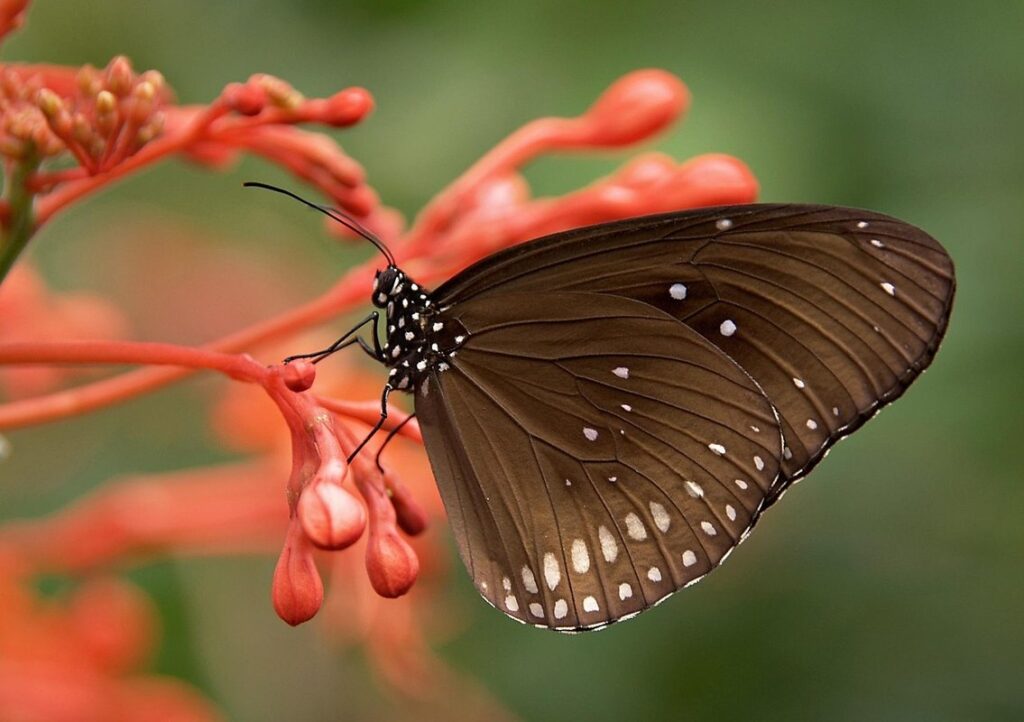
Planning Your Butterfly Garden
When planning a butterfly garden, it’s essential to consider the types of plants that will attract these beautiful creatures and provide them with the resources they need to thrive. Choose nectar-rich flowers that bloom at different times for a constant food source.
Choosing the Right Location
When it comes to planning your butterfly garden, choosing the right location is crucial for attracting these beautiful creatures. Before you start planting, consider the sunlight requirements of various plants and how they will impact the overall ambiance of your garden.
Butterflies need warm temperatures and sunlight to fly and thrive. So, select a spot that receives at least 6 hours of direct sunlight per day. Some butterfly-friendly plants like Lantana, Marigold, and Zinnia require full sun to partial shade, while others like Milkweed and Passionflower can tolerate some shade.
Another essential factor is proximity to water sources. Butterflies need water for drinking and puddling (the process of gathering minerals from mud). A shallow dish or birdbath with fresh water will attract them to your garden. Make sure the water source is clean, as butterflies are sensitive to bacteria and contaminants. Consider placing it near a plant that produces nectar-rich flowers to create a sweet treat for these lovely creatures.
Consider your local climate and soil type when selecting a location. Some plants may require specific conditions to grow well, so make sure you choose varieties suitable for your region’s temperature and precipitation patterns.
Understanding Butterfly Migration Patterns
When planning your butterfly garden, it’s essential to consider the migration patterns of different species. These magnificent creatures travel long distances each year, and by understanding their habits, you can create a welcoming environment that attracts migrating butterflies.
Monarchs, for example, migrate from Canada and the United States to Mexico each winter, while Painted Ladies travel from Africa to Europe. Understanding these patterns helps you design your garden with specific species in mind. Research which types of flowers are favored by migrating butterflies, such as nectar-rich blooms like zinnias and cosmos.
To attract migrating butterflies, incorporate native plants that provide food, shelter, and breeding grounds. Plant clusters of flowers that bloom at different times to ensure a constant source of nectar throughout the growing season. Avoid using pesticides, which can harm these delicate creatures. Instead, adopt Integrated Pest Management techniques that promote a balanced ecosystem. By creating a haven for migrating butterflies, you’ll not only enhance their well-being but also increase the biodiversity of your garden.
Selecting the Right Plants
When it comes to creating a butterfly garden, selecting the right plants is crucial for attracting these beautiful creatures. You’ll want to focus on nectar-rich flowers that provide energy for butterflies as they feed, host plants that serve as a food source for caterpillars, and native vegetation that mimics their natural habitat.
Start by choosing nectar-rich flowers such as milkweed, lantana, and butterfly bush. These plants are rich in sugar and will attract adult butterflies to your garden. Consider planting a mix of annuals and perennials to ensure a constant supply of nectar throughout the growing season. For example, milkweed is a favorite of monarch caterpillars, while lantana attracts cloudless sulphurs.
Don’t forget to include host plants that provide food for caterpillars. These are essential for the life cycle of butterflies and will also attract adult butterflies as they search for nectar-rich flowers. Some examples of host plants include passionflower, joe-pye weed, and ironweed.
Finally, incorporate native vegetation into your garden design. This can be as simple as planting native grasses or shrubs that provide shelter and habitat for butterflies. Research the types of plants native to your region and choose those that fit well within your garden’s ecosystem.
Plant Selection for a Butterfly Garden
When it comes to creating a haven for butterflies, choosing the right plants is crucial. Selecting the perfect plants can make all the difference in attracting these beautiful creatures to your garden.
Nectar-Rich Flowers
Adult butterflies require a constant source of nectar to fuel their flight and metabolism. To create an inviting environment for these creatures, incorporating nectar-rich flowers into your butterfly garden is essential. When selecting plants, focus on those that produce copious amounts of nectar, such as zinnias, marigolds, and sunflowers.
These flowers are not only abundant in nectar but also bloom for extended periods, ensuring a steady supply throughout the growing season. Zinnias, for instance, produce an array of colors and can be grown in containers or directly in the ground, making them a versatile choice. Marigolds, on the other hand, thrive in well-draining soil and full sun, while sunflowers can grow quite tall, providing shade and support for butterflies as they feed.
When incorporating these nectar-rich flowers into your garden, consider the following tips: plant multiple varieties to provide a constant source of nectar, choose plants that bloom at different times to ensure year-round nectar availability, and avoid using pesticides or chemicals, which can harm butterflies. By doing so, you’ll create an attractive haven for adult butterflies, allowing them to thrive in your garden.
Host Plants and Native Vegetation
When creating a butterfly garden, it’s essential to consider the host plants and native vegetation that will provide sustenance for these delicate creatures. Host plants are the foundation of a butterfly garden, as they offer caterpillars their primary source of food. Different species of butterflies have specific dietary needs, but most feed on leaves from various plant families. For example, monarch caterpillars rely heavily on milkweed (Asclepias spp.), while black swallowtails are known to feed on plants in the carrot family (Apiaceae).
To incorporate native vegetation into your garden design, choose plants that thrive in your local climate and soil conditions. This will not only provide essential nutrients for butterflies but also reduce maintenance costs. Select a mix of flowering plants, shrubs, and trees that bloom at different times to ensure a constant nectar source throughout the growing season. Some excellent native vegetation options include coneflowers (Echinacea spp.), butterfly bush (Buddleja davidii), and Joe Pye weed (Eutrochium maculatum).
Shade-Tolerant Plants for Butterfly Gardens
When it comes to creating a butterfly garden, most of us think about plants that thrive in full sun. But what about areas with limited sunlight? Don’t worry, you can still attract these beautiful creatures with the right shade-tolerant plants. In fact, many butterfly species prefer shaded areas, where they can escape the heat and find refuge.
Some excellent options for shade-tolerant plants include host plants like impatiens, coleus, and begonias. These plants are not only attractive but also provide a food source for caterpillars, which eventually transform into butterflies. Other options include flowering plants like ferns, astilbe, and coral bells. These plants attract adult butterflies with their nectar-rich flowers.
When selecting shade-tolerant plants for your butterfly garden, remember to choose native species that are adapted to your region’s climate. This will ensure they thrive in the local conditions and provide a healthy environment for the butterflies. By incorporating these plants into your garden design, you’ll be creating a haven for butterflies that can enjoy the shade and beauty of your garden.
Designing Your Butterfly Garden
Now that you’ve chosen a spot for your butterfly garden, let’s dive into designing it to attract these beautiful creatures and provide them with a haven. We’ll explore the essential elements of a butterfly-friendly landscape.
Creating a Butterfly-Friendly Habitat
When creating a butterfly-friendly habitat, it’s essential to incorporate design principles that cater to these delicate creatures’ specific needs. One of the most crucial elements is water features. Butterflies need water for drinking and breeding, so consider adding a shallow dish or birdbath with fresh water. Change the water frequently to prevent mosquito breeding, which can be detrimental to butterflies.
Another critical aspect is reducing pesticide use in your garden. Many pesticides harm or kill butterflies, so opt for natural methods like introducing beneficial insects or using neem oil. Plant a diverse range of flowers that provide nectar, host plants for caterpillars, and shelter from harsh weather conditions. Incorporate native plants, which are more likely to attract local butterfly species.
A mix of sunny and shady areas will also create an inviting habitat. Butterflies often bask in the sun to regulate their body temperature, so include a warm spot or two. By implementing these design principles, you’ll be well on your way to creating a haven for butterflies in your garden.
Incorporating a Butterfly House or Shelter
When designing your butterfly garden, it’s essential to consider providing sheltered areas where these delicate creatures can rest and hide from predators. Butterflies need a safe haven to escape the scorching sun, harsh winds, and potential threats lurking nearby. A butterfly house or shelter can be an excellent addition to your garden, offering a secure spot for them to land, feed, and even roost.
You can design or build a butterfly house using natural materials like bamboo, wood, or branches. Add some leaves, twigs, and flowers to create a cozy atmosphere. You can also repurpose old containers, such as wooden crates or plastic tubs, to create a sheltered area. Place the butterfly house in a spot with partial shade, near a water source, and surrounded by nectar-rich plants.
Some ideas for designing your butterfly shelter include:
* Creating a raised platform using bricks or stones to elevate the shelter above potential predators
* Adding a roof or canopy to provide protection from harsh weather conditions
* Incorporating native plants that attract butterflies and offer food sources
By providing a safe haven, you’ll not only protect these beautiful creatures but also encourage them to stay longer in your garden, making it an even more enchanting experience for you.
Incorporating Water Features
Water features are an essential component of a butterfly garden, providing a vital source of water for these delicate creatures. Butterflies need water to drink, as they cannot survive long without it, and it’s also necessary for their reproductive cycles. A small pond or birdbath can provide a reliable water source, attracting butterflies and other beneficial insects to your garden.
When designing a water feature, consider the size and depth of the water body. Butterflies prefer shallow water, typically around 2-3 inches deep, making it easy for them to land and drink. A small fountain or bubbler can also be an attractive option, creating movement and sound that will draw butterflies in.
Incorporate rocks or sticks near the water’s edge to provide perches for butterflies to land on while drinking. Avoid using chlorinated tap water, as it can harm butterflies; instead, use rainwater or a natural water source. Remember to maintain your water feature regularly by changing the water and cleaning the area to keep it free from algae and mosquito larvae.
Maintenance Tips for a Thriving Butterfly Garden
To keep your butterfly garden thriving, regular maintenance is essential, and this is where our top tips come in – from pruning to pest control.
Monitoring Weather Conditions
Butterflies are sensitive to weather conditions, and understanding these factors is crucial for creating a thriving butterfly garden. Temperature plays a significant role in their activity levels; typically, butterflies are most active when temperatures range from 60°F to 85°F (15°C to 30°C). Avoid placing your garden in areas with extreme temperature fluctuations or cold snaps.
Wind can also impact butterfly survival, as it can disrupt their navigation and communication. While some species are tolerant of gentle breezes, strong gusts can cause them to lose their sense of direction. Consider planting windbreaks or selecting a location with minimal exposure to prevailing winds.
Precipitation is another essential factor; butterflies need access to water for drinking and puddling, where they extract minerals from the soil. A shallow dish or birdbath with fresh water and rocks or twigs for perching can provide an attractive spot for butterflies to visit. Aim to place these features in areas that receive partial shade to prevent evaporation and algae growth.
Managing Pesticide Use
When it comes to maintaining a butterfly garden, it’s essential to be mindful of the chemicals you use. Pesticides may seem like an easy solution to pest control, but they can have devastating effects on these delicate creatures. Butterfly populations are already dwindling due to habitat loss and climate change; introducing pesticides to your garden would only exacerbate the problem.
Incorporating integrated pest management (IPM) techniques into your gardening routine is a more effective way to maintain biodiversity while controlling pests. This approach involves identifying the specific pest you’re dealing with, understanding its life cycle, and using targeted solutions that won’t harm beneficial insects like butterflies.
One example of an IPM technique is introducing natural predators or parasites to control pest populations. For instance, ladybugs are a great natural enemy of aphids, which can be a common problem in butterfly gardens. By attracting these beneficial insects with native plants and providing a welcoming habitat, you’ll create a balanced ecosystem that doesn’t rely on chemical pesticides.
You can also use physical barriers or traps to prevent pests from reaching your plants. For example, covering your plants with fine mesh or using sticky tape to capture whiteflies can be an effective way to manage these pests without harming butterflies.
When choosing plants for your butterfly garden, select varieties that are resistant to pests and diseases. This will not only reduce the need for pesticides but also create a healthier environment for both humans and wildlife. By adopting IPM techniques and making informed choices about your gardening practices, you’ll be well on your way to creating a thriving haven for butterflies in your garden.
Seasonal Planting Strategies
When it comes to maintaining a thriving butterfly garden, seasonal planting strategies are crucial for providing a constant supply of nectar-rich flowers and supporting butterfly life cycles. This means choosing plants that bloom at different times of the year to ensure a consistent food source.
In spring, focus on flowering plants like azaleas, rhododendrons, and apple blossoms, which attract early-season butterflies like the Eastern Tiger Swallowtail. As summer approaches, switch to heat-tolerant flowers such as lantana, zinnia, and cosmos that provide essential nectar for active adult butterflies.
To support butterfly life cycles in fall, incorporate plants with seeds or berries that cater to migrating monarchs, like asters, goldenrod, and sedum. Finally, for winter, select evergreen shrubs with showy flowers, such as camellias, holly, and winter jasmine, which offer a late-season nectar source.
Remember to plant in clusters of 3-5 plants per species to ensure an abundance of blooms, and space them according to the mature size of each variety. This approach will create a diverse, dynamic garden that caters to butterflies throughout the year, providing the sustenance they need to thrive.
Bringing Your Butterfly Garden to Life
Now that you’ve chosen the perfect plants, let’s talk about what makes a butterfly garden truly come alive: providing the right food sources and water features.
Creating a Butterfly-Friendly Community
Creating a butterfly-friendly community is not only about attracting these beautiful creatures to your garden, but also about building connections with like-minded individuals who share your passion for nature and gardening. One way to achieve this is by engaging with your neighbors or friends to create a shared space that attracts butterflies.
You can start by organizing a neighborhood garden tour or workshop where you invite local experts to share their knowledge on butterfly-friendly plants, habitat creation, and pollinator conservation. This not only fosters connections among garden enthusiasts but also raises awareness about the importance of creating butterfly-friendly communities.
To make it more engaging, consider hosting a community planting day where everyone contributes to a shared garden bed or meadow. Not only will this create a stunning display of color and biodiversity, but it will also encourage collaboration, sharing of ideas, and a sense of ownership among participants.
By working together with your community, you can create a haven for butterflies that not only attracts these beautiful creatures but also brings people together in the process.
Tracking Your Progress and Monitoring Wildlife
As you nurture and tend to your butterfly garden, it’s essential to track its progress and monitor the impact on local wildlife. This will help you fine-tune your strategy for future growth and improvement. Start by dedicating a notebook or digital journal to record observations, note changes in plant life, and document any visits from butterflies.
Regularly observe your garden at different times of day and season to identify patterns in butterfly behavior and habitat preferences. Take photographs to keep a visual record, which can be especially helpful for tracking progress over time. Additionally, set specific goals for future improvements, such as increasing nectar-rich plant diversity or creating sheltered areas with native host plants.
To monitor wildlife, consider using a bird- or bug-tracking app on your smartphone. These apps allow you to document species sightings and log data, providing valuable insights into the ecosystem’s health. By tracking your progress and monitoring wildlife, you’ll gain a deeper understanding of how your butterfly garden is affecting its surroundings and make informed decisions for future enhancements.
Extending the Life Cycle of Your Garden
As you watch your butterfly garden thrive, you’ll want to ensure its beauty and functionality endure for seasons to come. Extending the life cycle of your garden requires careful planning and maintenance, but with a few simple strategies, you can keep it vibrant and healthy.
Start by scheduling seasonal maintenance. This means pruning plants in late winter or early spring, dividing perennials in summer, and cleaning up debris before winter sets in. A regular routine will help prevent pests and diseases from taking hold. Consider incorporating new plants or features to keep the garden interesting. Swap out summer-blooming flowers for autumn varieties, like asters or chrysanthemums, which attract migrating butterflies.
Think about passing on your knowledge to others by becoming a butterfly gardening mentor or participating in local gardening initiatives. This not only shares your passion but also helps spread awareness about these incredible creatures. By incorporating new ideas and sharing your expertise, you’ll breathe fresh life into your garden, ensuring it remains a haven for butterflies for years to come.
When planning for seasonal maintenance, remember that different plants have unique requirements. Some may need protection from harsh winter winds, while others require summer watering schedules. Staying attuned to these specific needs will help you make informed decisions about what to plant and when to prune.
Frequently Asked Questions
How do I determine the best plants for my climate and region?
When choosing plants, consider your local climate, soil type, and native vegetation to ensure they thrive and attract butterflies. Research regional plant species that are well-suited to your area’s conditions.
Can I use pesticides in a butterfly garden, or will it harm the butterflies?
No, using pesticides can harm or kill butterflies, which is why it’s essential to adopt organic gardening practices and avoid chemicals. Instead, encourage beneficial insects by introducing host plants and native vegetation that promote a balanced ecosystem.
How often should I water my nectar-rich flowers, and what are some signs of drought stress in butterflies?
Yes, butterflies need access to fresh water for drinking and landing sites. Water your flowers regularly, but not excessively, as this can attract pests and create an unhealthy environment. Watch for signs like wilted leaves or reduced butterfly activity.
What type of shelter or habitat should I provide for butterflies during harsh weather conditions?
Incorporate native vegetation with dense foliage to offer protection from wind, rain, and extreme temperatures. Consider adding a butterfly house or shelter to provide a safe haven for these delicate creatures during adverse weather conditions.
How can I track the progress and monitor wildlife in my butterfly garden?
Use field guides or mobile apps to identify species, record observations, and note changes over time. Set up cameras or observe from a distance without disturbing the environment to get an accurate picture of your garden’s ecosystem.