
Are you tired of sacrificing your green thumb due to limited space or a tight budget? Or perhaps you’re just curious about the amazing benefits of growing your own plants without using loads of water? Either way, hydroponic gardening is definitely worth exploring! Not only does it allow you to cultivate your favorite fruits and veggies with minimal watering needs, but it’s also perfect for urban dwellers or those on a tight budget. With a hydroponic system, you can enjoy fresh produce all year round without breaking the bank or sacrificing valuable space in your home.
In this article, we’ll dive into the world of at-home hydroponic gardening and show you how to get started with these innovative systems. We’ll cover the basics of setting up a hydroponic garden, including the different types of systems available and the essential components needed for success. By the end of it, you’ll be equipped with all the knowledge you need to start growing your own plants like a pro!
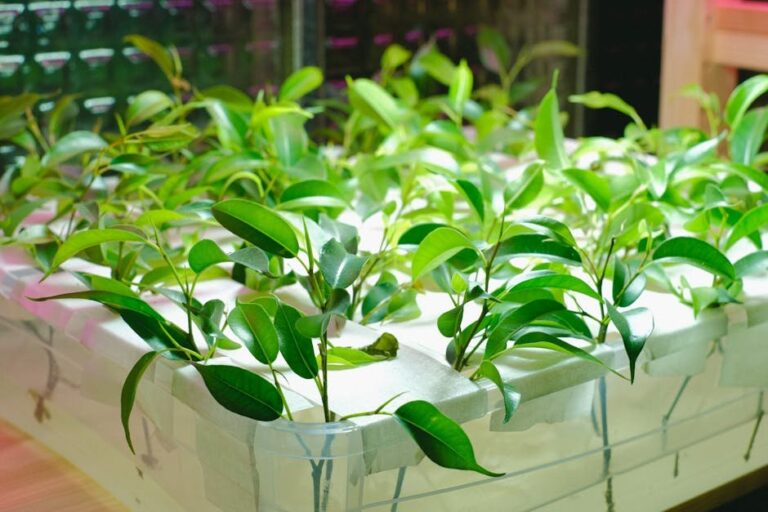
Benefits of Hydroponic Gardening
So, you’re wondering what all the fuss is about when it comes to hydroponic gardening? Let’s dive into the benefits that make this method so attractive for home gardeners.
Reduced Water Usage and Space Requirements
When you start exploring hydroponics for at-home gardening, one of the most significant benefits is its ability to conserve water. Conventional soil-based gardening requires a substantial amount of water, especially during peak growth periods. Hydroponic systems, on the other hand, recirculate the nutrient-rich solution, significantly reducing water waste and consumption.
Another advantage of hydroponics is its flexibility in terms of space requirements. While traditional gardens often require expansive plots, hydroponics can thrive in much smaller areas. This makes it an ideal choice for urban dwellers or those with limited outdoor spaces. For instance, you can easily set up a hydroponic system on a balcony, patio, or even indoors using a grow tent.
In fact, many successful hydroponic systems operate in as little as 1-2 square feet of space. This compact footprint allows for multiple harvests per year and enables gardeners to maximize their yields within limited areas. To get started with a hydroponic system that minimizes water usage and optimizes space, consider using a nutrient film technique (NFT) or ebb-and-flow (Flood and Drain) setup. These designs are both efficient and easy to manage, making them perfect for beginners.
Increased Crop Yields and Growth Rates
One of the most significant advantages of hydroponic gardening is its potential for faster growth rates and higher yields. In traditional soil-based gardens, crops often struggle to access essential nutrients and water, leading to stunted growth and reduced harvests. Hydroponics eliminates these limitations by providing plants with a precise balance of nutrients and optimal moisture levels.
This results in remarkable increases in crop yields, with some growers reporting up to 30% more produce per square foot compared to soil-based gardens. Furthermore, hydroponic systems can accelerate plant development by as much as 50%, allowing for multiple harvests in a single growing season. Reduced risk of pests and diseases is another significant benefit – since plants are grown in a controlled environment, the likelihood of infestation or disease outbreak is greatly minimized.
To maximize your hydroponic garden’s potential, make sure to choose high-yielding varieties suitable for indoor growth, monitor nutrient levels closely, and maintain optimal temperatures between 65-75°F.
Environmentally Friendly Option
When it comes to at-home hydroponic gardening, one of the most significant benefits is its environmentally friendly approach. Traditional soil-based gardening can be harsh on the environment, but hydroponics offers a gentler alternative.
One way hydroponics reduces environmental strain is by minimizing soil erosion. Without the need for tillage or irrigation systems that can disrupt soil structure, hydroponic gardens prevent topsoil loss and preserve soil health. This means less sedimentation in waterways and reduced risk of landslides. For example, a study on hydroponic lettuce production found that it resulted in 80% less soil erosion compared to traditional farming methods.
Hydroponics also conserves water by providing plants with exactly what they need, when they need it. This precision irrigation system reduces waste and minimizes the risk of overwatering, which can lead to groundwater pollution. In fact, hydroponic systems can use up to 90% less water than traditional farming methods.
By eliminating the need for synthetic fertilizers and pesticides, hydroponics decreases the environmental impact associated with these chemicals. Plants grown in a controlled environment receive nutrients directly, reducing the risk of chemical runoff and soil contamination. This approach not only benefits the environment but also ensures cleaner produce for you and your family.
Setting Up a Hydroponic System at Home
To set up a hydroponic system at home, you’ll need to start by selecting a suitable location and gathering necessary materials, including a growing medium and nutrient solution.
Choosing the Right Type of Hydroponic System
When it comes to setting up a hydroponic system at home, choosing the right type of system is crucial. With various options available, each with its unique characteristics and benefits, it’s essential to consider your specific needs and space constraints. Let’s break down three popular types of systems: NFT (Nutrient Film Technique), DWC (Deep Water Culture), and Ebb-and-Flow.
NFT systems are ideal for those who want a compact setup, as they consist of narrow tubes where plants’ roots hang in, constantly being fed with nutrient-rich water. This type is perfect for small spaces or beginners. On the other hand, DWC systems involve submerging plant roots directly into a reservoir filled with oxygenated nutrient solution. They’re suitable for growers who require high yields and are willing to invest time in maintenance.
Ebb-and-Flow systems, also known as flood-and-drain, offer flexibility by allowing plants to be grown on a wide range of surfaces. This type is ideal for those who have limited vertical space but want to maximize their growing area. When selecting the right system, consider factors such as available space, desired plant types, and your level of expertise.
Essential Equipment and Materials Needed
When setting up a basic hydroponic system at home, it’s essential to have the right equipment and materials. Start by investing in a good quality water pump, which will circulate nutrient-rich solution to the roots of your plants. You’ll also need a reservoir to hold this solution, a grow medium (such as rockwool or coco coir) to support plant growth, and an aerator to ensure adequate oxygen levels.
For lighting, you can use LED grow lights, which are energy-efficient and produce minimal heat. Make sure to choose a light spectrum that suits your plant’s needs – some plants require more blue light for leaf growth, while others need more red light for flowering. A pH meter is also crucial, as it will help you maintain the optimal pH level of 5.5-6.5 for most hydroponic crops.
In addition to these essentials, you’ll also need a timer to regulate the lighting cycle, and an air stone or bubble aerator to add oxygen to the water. Don’t forget to include a backup plan in case of power outages – consider investing in a battery-powered pump or generator. Finally, be sure to follow proper sanitation practices to prevent root rot and other diseases.
Step-by-Step Instructions for Assembly
Once you’ve selected and received your hydroponic system, it’s time to start setting it up. Begin by carefully unpacking all the components and laying them out on a clean surface. Make sure you have all the necessary tools and accessories included with your kit.
Next, follow these step-by-step instructions: connect the water reservoir to the pump using the provided tubing, ensuring secure connections at both ends. Attach the air stone or aerator to the system’s oxygen supply line. Connect the nutrient tank to the main waterline, making sure not to overtighten any fittings.
Adjust the pH and EC levels according to your plant’s requirements, and fill the reservoir with a hydroponic solution specifically designed for your plants’ needs. Finally, place the growing medium or net pots into the system, followed by your seedlings or cuttings. Make any necessary adjustments to the system’s settings, such as water flow rates or temperature controls.
It’s essential to follow the manufacturer’s instructions and take your time when assembling your hydroponic system. Double-check all connections and ensure a secure setup before turning on the pump and beginning the irrigation cycle.
Plant Selection and Preparation
Now that you’ve chosen a hydroponic system, let’s dive into selecting the right plants for your space and preparing them for success. This is where the fun begins!
Choosing Suitable Plants for Hydroponics
When it comes to choosing suitable plants for hydroponics, there are several factors to consider. First and foremost, think about the growth requirements of the plant. Some plants require a lot of light, while others can thrive in low-light conditions. Hydroponic systems can provide precise control over lighting levels, making them ideal for plants that need specific light intensity.
Consider the desired harvest period as well. If you want to grow leafy greens like lettuce or spinach, they mature quickly (in about 2-3 weeks) and are perfect for hydroponics. Tomatoes, on the other hand, take longer to mature (around 60 days). Fruits like strawberries and cucumbers also do well in hydroponic systems.
Some plants that are particularly suitable for hydroponic gardening include herbs like basil, mint, and cilantro; leafy greens like kale and arugula; and cherry tomatoes. When selecting plants, make sure to research their specific needs and requirements. You can consult online resources or consult with a local nursery expert to determine the best options for your at-home hydroponic garden.
Seed Starting and Germination Methods
When starting seeds for your at-home hydroponic garden, it’s essential to choose the right method. You can either direct sow seeds into your hydroponic system or use seedling transplants. Direct sowing involves placing seeds directly into the growing medium, where they’ll germinate and begin their growth cycle.
One popular method is using seed starting trays, which are specifically designed for this purpose. Simply fill the trays with a nutrient-rich growing medium, plant the seeds about 1-2 mm deep, and place them under grow lights or in a sunny location. This method is ideal for small-scale hydroponic systems and ensures that your plants receive optimal conditions for germination.
For larger operations or more advanced growers, seedling transplants are a viable option. This involves starting seeds in a separate medium, such as potting soil, and then transferring the seedlings to your hydroponic system once they have 2-3 sets of leaves. This method allows you to control the seedling’s environment before transplanting it into the hydroponic system.
Keep in mind that different types of plants have varying requirements for germination and growth. For example, some seeds require a specific temperature or light spectrum to germinate successfully. Make sure to research the unique needs of your plant variety to ensure optimal results.
When using seedling transplants, it’s crucial to handle the delicate roots with care to avoid damaging them during the transfer process. You can also use this opportunity to inspect the root system and prune any weak or damaged roots.
In both cases, proper timing is key. Make sure to start your seeds at least 2-3 weeks before transplanting them into the hydroponic system to allow for adequate growth and development. This will ensure a strong foundation for your plants as they begin their journey in the at-home hydroponic garden.
By choosing the right seed starting method, you’ll be well on your way to creating a thriving and productive at-home hydroponic garden.
Nutrient and pH Balancing
When it comes to at-home hydroponic gardening, one of the most critical aspects to master is balancing nutrients and maintaining optimal pH levels for your plants. This delicate balance can make all the difference between thriving plants and struggling or even dying ones.
Think of nutrient and pH balancing like a recipe – you need the right ingredients (nutrients) in the right proportions, and at the right temperature (pH). Too much or too little of any single ingredient can throw off the entire equation. A pH that’s too high or too low can be toxic to your plants.
To get it right, start by checking the nutrient label on your hydroponic solution. Look for a balanced formula with equal amounts of nitrogen, phosphorus, and potassium (NPK). You’ll also want to consider secondary nutrients like calcium, magnesium, and sulfur. Aim for a pH range between 5.5 and 6.5, depending on the type of plants you’re growing.
Some plants are more sensitive to pH fluctuations than others – for example, tomatoes prefer a slightly acidic soil (pH 6.0), while lettuce can tolerate a wider range. Research your specific plant variety’s requirements to ensure optimal growth.
Maintenance and Troubleshooting
As you continue on your hydroponic gardening journey, it’s essential to know how to troubleshoot common issues and perform routine maintenance tasks to keep your system running smoothly and healthy plants thriving. This section will walk you through those crucial steps.
Regular Water Changes and System Cleaning
Regular water changes and system cleaning are crucial aspects of maintaining a healthy hydroponic garden. Over time, nutrient levels in the reservoir can become depleted, leading to deficiencies that affect plant growth. This is where regular water changes come into play. By replacing 10-20% of the nutrient-rich solution every week or two, you’ll ensure your plants receive the necessary nutrients for optimal growth.
System cleaning is equally important as it prevents the buildup of sediment and bacterial growth in the system’s tubing, pumps, and other components. A clogged system can lead to reduced water flow, increased pressure on the pump, and even complete system failure. To clean your system, start by flushing out any blockages with a hose or cleaning solution. Next, scrub all surfaces with a soft-bristled brush and mild soap. Rinse thoroughly with clean water to prevent any residue from affecting plant growth.
For example, if you’re using a recirculating drip irrigation system, make sure to replace the nutrient solution every 7-10 days and clean the system at least once a month.
Monitoring Temperature, pH, and EC Levels
Monitoring temperature, pH, and EC levels is crucial to maintaining a healthy hydroponic system. You’ll need a few essential tools to keep track of these parameters: a thermometer for temperature, pH test kits or meters for acidity/alkalinity, and an EC meter for measuring electrical conductivity.
Start by placing the thermometer in the water reservoir, ideally near the pump intake to ensure accuracy. Check the temperature regularly, aiming for a range between 65-75°F (18-24°C), depending on your plant species‘ requirements. Most hydroponic plants thrive within this temperature range.
For pH levels, use test kits or meters to check the acidity/alkalinity of your water. The ideal pH for most hydroponic systems is between 5.8 and 6.3, although some plants like blueberries require a more acidic environment (pH 4-5). If your readings are off, adjust the pH levels by adding pH-up or pH-down solutions according to the manufacturer’s instructions.
EC levels measure the concentration of nutrients in the water. Use an EC meter to monitor this level regularly. Most hydroponic systems operate within a range of 1.8-2.2 mS/cm, but this can vary depending on your specific setup and plant requirements. Adjust your nutrient dosages accordingly to maintain optimal EC levels.
Common Problems and Solutions
As you venture into at-home hydroponic gardening, you’ll inevitably encounter some common issues that can hinder the growth and health of your plants. Root rot is a major problem, caused by overwatering, poor drainage, or contaminated water. To prevent root rot, ensure your system’s drainage is adequate, monitor water levels closely, and change the nutrient solution regularly.
Another issue you may face is nutrient burn, which occurs when plants are exposed to high concentrations of nutrients. This can be caused by incorrect dosing or a malfunctioning pH meter. To avoid nutrient burn, start with low nutrient levels and gradually increase them as necessary. Regularly test your water’s pH level using a reliable meter.
Equipment malfunctions can also disrupt your hydroponic system. Check for clogged tubes, faulty pumps, or worn-out components. Clean or replace these parts as needed to maintain optimal flow rates. Additionally, inspect your grow lights regularly to ensure they’re not overheating, which can damage plants. Regular maintenance and monitoring will help you identify and resolve issues before they cause significant harm to your hydroponic garden.
Advanced Techniques and Tips
As you get more comfortable with at-home hydroponic gardening, it’s time to take your skills to the next level with expert-level techniques and hacks that’ll boost your yields and efficiency. We’re about to dive into some game-changing tips and tricks!
Nutrient Film Technique (NFT) Systems
When it comes to at-home hydroponic gardening, one of the most popular and efficient methods is the Nutrient Film Technique (NFT) system. This method involves circulating a continuous flow of nutrient-rich water through a network of narrow channels or pipes, providing each plant with just the right amount of oxygen and nutrients.
To optimize your NFT system, it’s essential to get the spacing between plants just right. A general rule of thumb is to allow about 2-4 inches of space between each plant, depending on their mature size and growth habits. For example, lettuce and herbs can thrive in closer proximity, while larger plants like tomatoes require more room to breathe.
In terms of water flow rates, you’ll want to maintain a rate that’s around 1-3 gallons per minute (GPM) for most NFT systems. This will provide adequate oxygenation without overwhelming the plants. As you experiment with your system, keep an eye on plant growth and adjust water flow rates accordingly. Remember, it’s all about finding that delicate balance between providing what your plants need and not drowning them in excess nutrients!
Using LED Grow Lights with Hydroponics
When it comes to growing plants using hydroponics at home, one of the most important factors for success is providing adequate light. This is where LED grow lights come into play. Not only do they offer a more energy-efficient alternative to traditional lighting methods, but they also provide precise control over spectrum, intensity, and duration – crucial considerations for healthy plant growth.
In terms of spectrum, look for LEDs that emit a broad-spectrum light, which mimics natural daylight and promotes healthy photosynthesis. Some plants require specific wavelengths, so consider using LED grow lights with adjustable spectrums or separate red/blue light emitters to tailor the light to your plant’s needs.
As for intensity, start with lower settings (around 18-22 inches above the plant) and gradually increase as needed. Aim to provide 20-40 watts per square foot of growing space. Duration is also crucial – most plants require a photoperiod of 14-18 hours of light and 6-8 hours of darkness.
To ensure optimal results, monitor your plants’ response to different lighting conditions and adjust the settings accordingly. This might involve experimenting with different spectrums, intensities, or duration to find what works best for your specific setup and plant varieties.
Maximizing Harvest Yields and Efficiency
Maximizing crop yields and efficiency is crucial for a thriving at-home hydroponic garden. To achieve this, it’s essential to understand the factors that affect plant growth and make adjustments accordingly.
One of the most significant contributors to high yields is providing plants with the optimal amount of light. This can be achieved by adjusting the system’s position to receive direct sunlight or using LED grow lights that are tailored to specific wavelengths for each stage of plant growth. For instance, young seedlings require a higher blue spectrum to promote healthy root development.
Another critical aspect of maximizing yields is maintaining precise pH and nutrient levels. Regular water testing is crucial to identify any imbalances and make adjustments before they impact plant health. A balanced fertilizer schedule can be developed using the NPK ratio (Nitrogen-Phosphorus-Potassium) as a guide, but this may need to be adjusted based on specific crop requirements.
In addition to these factors, optimizing water usage and system maintenance is vital for efficient hydroponic gardening. Techniques such as recycling nutrient-rich water, monitoring temperature fluctuations, and implementing an effective pest management plan can significantly reduce waste and minimize the risk of contamination.
To streamline maintenance tasks, consider implementing a schedule that includes regular checks on water levels, pH, and nutrient levels. This should be done at least once a week for small systems and more frequently as the size of your setup increases.
By paying attention to these details and making adjustments as needed, you can create an environment that supports optimal plant growth and maximizes harvest yields.
Incorporating automation tools or smart sensors into your system can also help monitor conditions in real-time, alerting you to potential issues before they become major problems. For example, a pH sensor can be set up to send alerts when the level drops below a certain threshold, allowing you to take corrective action promptly.
Some popular automation options for home hydroponic systems include:
* pH and nutrient sensors that connect directly to your smartphone or computer
* Automated watering systems that adjust flow rates based on plant requirements
* Temperature control units that maintain optimal growing conditions
When selecting an automation tool, consider the specific needs of your system and choose one that integrates seamlessly with other components. This can help streamline maintenance tasks, reduce manual labor, and create a more efficient growing environment.
As you continue to refine your hydroponic setup, keep in mind that continuous improvement is key. Monitor plant growth, experiment with new techniques, and be prepared to adjust your approach based on the results. By embracing this mindset and staying informed about the latest developments in hydroponic gardening, you’ll be well on your way to creating a thriving at-home garden that produces abundant harvests year-round.
Frequently Asked Questions
Can I use hydroponic gardening indoors without any special lighting?
Yes, you can use LED grow lights with your indoor hydroponic system to provide the necessary light spectrum for plant growth. These energy-efficient lights are specifically designed for growing plants and can be adjusted to different intensities depending on the type of plants you’re cultivating.
How often should I change the water in my hydroponic system?
Regular water changes (every 1-2 weeks) will help maintain optimal nutrient levels, prevent bacterial growth, and ensure healthy plant growth. It’s essential to also check pH and EC levels regularly and make adjustments as needed.
Can I use any type of container for a DIY hydroponic garden?
Not all containers are suitable for hydroponics. Look for ones with adequate drainage holes and made from food-grade materials like glass, BPA-free plastic, or food-safe ceramic. Avoid using metal containers, which can leach into the nutrient solution.
What types of plants are best suited for hydroponics?
Choose plants that thrive in water-based systems, such as leafy greens (lettuce, kale), herbs (basil, mint), strawberries, and cherry tomatoes. These varieties tend to grow faster and produce more fruit in a hydroponic environment.
How can I troubleshoot common issues like nutrient deficiencies or pH imbalances?
Keep an eye on your plants’ appearance, growth rate, and coloration. Nutrient deficiencies often manifest as yellowing leaves, stunted growth, or weakened stems. Regularly check EC levels, pH, and adjust nutrient solutions accordingly to maintain optimal conditions for plant growth.