
As an aspiring gardener, you’re probably eager to grow your own delicious asparagus at home. But did you know that successfully germinating these seeds can be a challenge? The key to a bountiful harvest lies in understanding how to properly care for these delicate spears from the very beginning – and that’s exactly what we’ll cover in this comprehensive guide. We’ll dive into the unique characteristics of asparagus seeds, including their optimal sowing depths and temperatures. You’ll learn how to prepare the perfect soil conditions, choose the right technique for sowing, and provide the necessary post-germination care for your seedlings to thrive. By following our expert advice, you’ll be well on your way to growing healthy, robust asparagus that will delight your taste buds all season long.
Understanding Asparagus Seeds
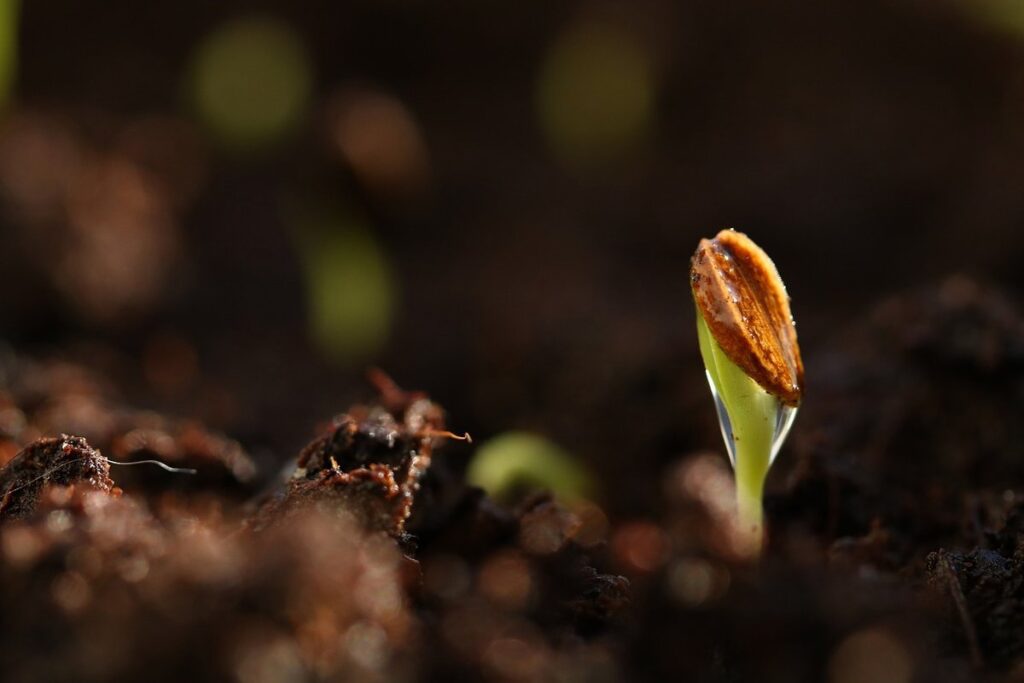
Let’s take a closer look at asparagus seeds, where they come from, and what you need to know to successfully grow healthy seedlings. We’ll break down the key characteristics of asparagus seeds here.
Characteristics of Asparagus Seeds
Asparagus seeds are relatively small, typically measuring between 0.2 and 0.5 inches (5-13 mm) in length, and about 0.1 inches (2-3 mm) in width. Their shape is usually cylindrical or oval, with a smooth surface. The color of asparagus seeds can vary depending on the cultivar, but they are often light green, yellow-green, or even white. One of the distinctive features of asparagus seeds is their dormancy period, which can last anywhere from several months to a year or more.
It’s essential to note that some asparagus varieties have a natural tendency to be slow-to-spring or late-season sprouters. This means that they may not germinate immediately and can take longer to produce new plants. In such cases, it’s crucial to check for seed viability by performing a simple germination test. This involves placing the seeds in a moist environment and observing their response over several weeks.
To identify viable asparagus seeds, look for those with plump, firm texture, and no signs of mold or rot. Seeds that are shriveled or have visible damage should be discarded. By carefully selecting healthy seeds and providing them with the right conditions, you can increase the chances of successful germination.
Importance of Freshness and Quality
When it comes to asparagus seed germination, the freshness and quality of the seeds play a crucial role. Seeds that are old, stale, or of poor quality may not germinate at all, or may produce weak and unhealthy seedlings. This is because fresh and high-quality seeds contain the necessary energy and nutrients for growth.
Factors such as storage conditions, handling, and packaging can affect seed viability. For example, seeds stored in a humid environment or exposed to extreme temperatures may lose their viability over time. Similarly, seeds packaged in poor quality containers may be contaminated with moisture or pests, further reducing their chances of germination.
To ensure the best possible outcome, look for asparagus seeds that are labeled as ‘fresh’ or ‘current crop’, and store them in a cool, dry place. Keep the seeds away from direct sunlight and moisture, and inspect them regularly for signs of damage or contamination. By prioritizing freshness and quality, you can significantly improve your chances of successful germination and healthy seedling growth.
Preparing the Soil for Germination
Before you can even think about planting your asparagus seeds, it’s essential to prepare the soil for germination by loosening and aerating the soil. This step is crucial for healthy seed development.
Ideal Conditions for Asparagus Seeds
For successful asparagus seed germination, it’s essential to create an ideal environment that mimics the natural conditions of their native habitats. The optimal soil temperature for asparagus seeds is between 65°F (18°C) and 75°F (24°C). This range allows the embryo to break dormancy and initiate growth.
In terms of pH level, asparagus prefers a slightly acidic to neutral soil environment with a pH range of 6.0 to 7.0. This will help prevent nutrient deficiencies that can hinder germination. To ensure optimal conditions, test your soil pH before planting.
Moisture levels are also crucial for asparagus seed germination. The ideal moisture level is one where the top inch of soil remains consistently moist but not waterlogged. Avoid overwatering, which can lead to fungal diseases and poor root development. Check the soil daily by inserting a finger or pencil into the soil up to an inch deep; if it feels dry, provide gentle watering.
Keep in mind that asparagus seeds are relatively sensitive to temperature fluctuations, so maintain consistent temperatures throughout the germination period.
Soil Preparation Techniques
Before sowing asparagus seeds, it’s crucial to prepare the soil to create an ideal environment for germination. One of the most effective methods is tilling. This involves loosening the top 8-10 inches of soil to a depth that allows for easy root growth. Tilling also helps to break up compacted soil, which can hinder seed germination. You can use a garden fork or spade to till the soil manually or rent a power tiller if you have larger areas to cover.
Composting is another vital technique in preparing the soil. Asparagus plants thrive in slightly acidic to neutral soils with a pH between 6.0 and 7.0. Adding compost, which has a slightly acidic nature, can help adjust the pH levels of your soil. Moreover, compost enriches the soil with essential nutrients that promote healthy growth.
Sterilization is also an important step in preparing the soil for asparagus seed germination. This involves eliminating weeds, diseases, and pests that can compete with the seeds for resources or harm them directly. Use a garden fork to dig up any debris, then sterilize the area by applying a 1-2 inch layer of compost or manure tea to suppress weed growth.
When tilling, be sure to aerate the soil thoroughly, about 12 inches deep, to facilitate root development. You can also use mulch around the seedlings to retain moisture and regulate soil temperature.
Sowing Asparagus Seeds
To successfully grow asparagus from seed, you’ll want to carefully sow them indoors or outdoors, depending on your climate and desired timing. Let’s explore how to sow asparagus seeds for optimal germination.
Seed Depth and Spacing
When sowing asparagus seeds, getting the depth and spacing right is crucial for successful germination. Asparagus seeds are relatively small, about 1/4 inch long, so it’s essential to sow them at a depth that allows them to absorb adequate moisture without being buried too deeply.
A general rule of thumb is to sow asparagus seeds 1/4 to 1/2 inch deep in the soil. This allows for easy germination and prevents overwatering, which can lead to rot and poor growth. If your soil is particularly dry or sandy, you may want to sow slightly deeper, around 3/8 inch.
In terms of spacing, asparagus seeds should be sown about 1-2 inches apart. This allows for even growth and development without overcrowding the seedlings. Keep in mind that asparagus plants spread out significantly over time, so it’s better to err on the side of caution when sowing multiple rows. A good starting point is to sow seeds along a 3-foot wide bed, with the rows spaced about 12-18 inches apart.
Remember to firm the soil gently after sowing and keep it consistently moist during the germination period.
Watering Techniques
Watering is a crucial aspect of asparagus seed germination. Proper hydration helps to encourage healthy root development and emergence. However, overwatering can be detrimental, leading to poor growth and increased susceptibility to disease.
To get it right, consider investing in an irrigation system specifically designed for seeds. These systems deliver precise amounts of water directly to the roots, minimizing waste and ensuring that your asparagus seeds receive exactly what they need. For example, a drip irrigation system is ideal for this stage, as it supplies water continuously at low pressure.
In addition to using an irrigation system, mulching around the seedlings also helps retain moisture in the soil while preventing weed growth. Organic materials like straw or bark chips work well for this purpose. Apply a 1-2 inch layer of mulch around the plants, keeping it away from direct contact with the stems to avoid rot.
Regularly check the soil’s moisture level by inserting your finger into the soil up to the knuckle. If the soil feels dry, it’s time to water.
Factors Affecting Germination
To successfully germinate asparagus seeds, you need to consider various factors that can affect their growth, including temperature, moisture, and light exposure. Let’s explore these key elements in more detail.
Temperature Extremes
Temperature extremes can have a significant impact on asparagus seed germination rates. Most varieties of asparagus require temperatures between 65°F (18°C) and 75°F (24°C) to germinate optimally. However, prolonged exposure to temperatures above or below this range can slow down or even prevent germination.
If the temperature is too high, above 85°F (29°C), it can cause the seeds to dry out and become dormant. On the other hand, if the temperature is too low, below 55°F (13°C), it can slow down metabolic processes and lead to poor germination rates. For example, a study conducted by the University of California found that asparagus seed germination rates dropped significantly when temperatures fell below 60°F (15°C).
To mitigate the impact of temperature extremes, you can take several precautions. First, ensure that your asparagus seeds are stored in a cool, dry place before sowing them in the spring. When planting, sow the seeds in a location with adequate shade and protection from extreme weather conditions. You can also use row covers or other mulching materials to regulate soil temperature and maintain optimal germination conditions.
Moisture Levels
Adequate moisture levels play a critical role in successful asparagus seed germination. Seeds need consistent and optimal water availability to initiate the germination process. Without sufficient moisture, seeds may remain dormant, or in extreme cases, dry out completely. To maintain ideal moisture levels, it’s essential to provide regular watering while avoiding overwatering.
A general rule of thumb is to keep the soil consistently moist but not waterlogged. Water your asparagus bed gently but thoroughly when the top 1-2 inches of soil feels dry to the touch. Aim for a fine spray that allows water to penetrate deep into the soil, rather than a strong jet stream that may wash away delicate seeds.
To gauge optimal moisture levels, check the seed bed daily, and adjust your watering schedule accordingly. Mulching around the plants can also help retain soil moisture by reducing evaporation and regulating temperature fluctuations. By striking this balance, you’ll create an environment conducive to successful germination and healthy asparagus growth.
Troubleshooting Common Issues
Don’t worry if things don’t go as planned right away – we’ve all been there. This troubleshooting guide will help you identify and resolve common issues that can affect successful asparagus seed germination.
Poor Germination Rates
If you’re experiencing poor germination rates with your asparagus seeds, it’s essential to identify the underlying causes. One of the primary reasons is seed quality. Not all asparagus seeds are created equal, and some may be old or have been stored improperly, affecting their viability. Inspect your seeds regularly for signs of damage or mold.
Soil conditions can also contribute to poor germination rates. For example, if the soil is too alkaline or too acidic, it can hinder seed growth. Additionally, a lack of sufficient moisture or extreme temperatures can make it difficult for seeds to sprout. Keep in mind that asparagus seeds typically prefer cooler temperatures (around 70-80°F) and consistent moisture.
To improve germination rates, consider starting your seeds indoors in pots with well-draining soil. This will allow you to control the environment and provide optimal conditions for growth. Regularly check the temperature and ensure it’s within the suitable range. By addressing these common issues, you can significantly increase your chances of successful asparagus seed germination.
Some factors that may indicate poor seed quality include uneven coloration or unusual shapes. Be sure to inspect your seeds carefully before planting.
Seedling Pests and Diseases
Newly germinated asparagus seedlings are vulnerable to pests and diseases that can significantly impact their growth and development. One of the most common pests affecting asparagus seedlings is the aphid, which feeds on plant sap and can transmit viral diseases such as the asparagus virus X (AVX). To prevent aphid infestations, ensure good air circulation around your seedlings by keeping them at least 12 inches apart.
Another pest to watch out for is slugs and snails, which feed on leaves and stems. Use copper tape or crushed eggshells around plant bases to deter these pests. Regularly inspect your seedlings for signs of pests and diseases, such as yellowing leaves, distorted growth, or small holes in the foliage.
Common fungal diseases affecting asparagus seedlings include damping off and root rot. To prevent these diseases, maintain a humid environment but avoid overwatering. Use well-draining potting mix and ensure good air circulation to promote healthy root development. Fungicides can be applied if infections occur, but take care not to overapply, as this can damage your seedlings.
Post-Germination Care
Now that you’ve successfully germinated your asparagus seeds, it’s time to focus on providing them with the right conditions for healthy growth. This is where post-germination care comes in.
Transplanting Asparagus Seedlings
Transplanting young asparagus seedlings is a delicate process that requires careful consideration of timing and spacing. Once your seedlings have two sets of true leaves, they’re ready to be transplanted into individual pots or directly into the garden.
Timing-wise, it’s essential to transplant before the heat of summer sets in. Asparagus prefers cooler temperatures between 60°F and 70°F (15°C and 21°C), making spring or early fall an ideal time for transplantation. Avoid transplanting during extreme weather conditions, such as intense heat or cold snaps.
When spacing your seedlings, keep in mind that they’ll grow to be about 1-2 feet apart from each other at maturity. Plant them about 6-8 inches deeper than the crown of the plant, with the buds facing upwards. Water thoroughly after transplanting and provide regular moisture until established.
In terms of direct garden planting, create a trench for each seedling, making sure to spread out the roots evenly. Gently firm the soil around the base of the plant, but avoid compacting it too much.
Ongoing Care Requirements
Newly germinated asparagus plants require careful attention to ensure healthy development and optimal yields. Watering is crucial during this stage, but be cautious not to overwater, which can lead to root rot. Check the soil daily, and provide about 1-2 inches of water per week. Fertilization also plays a significant role; use a balanced fertilizer (10-10-10) at half the recommended strength to avoid burning the delicate roots.
Pest management is essential to prevent damage from common pests like aphids, slugs, and snails. Inspect your plants regularly for signs of infestation, and use organic or integrated pest management methods whenever possible. For example, spraying soapy water can help control aphid populations. Additionally, maintain a healthy soil pH between 6.5 and 7.0 to promote nutrient uptake and reduce the risk of disease.
Monitor temperature fluctuations, as extreme temperatures can affect germination rates and plant growth. Aim for daytime temperatures around 70-75°F (21-24°C) and nighttime temperatures slightly lower. By providing optimal care during this critical stage, you’ll set your asparagus plants up for success and ensure a bountiful harvest in the future.
Frequently Asked Questions
How can I speed up the germination process if I’m eager to start harvesting asparagus sooner?
If you’re looking for a quicker germination, make sure your seeds are fresh and of high quality. This will give them the best chance at sprouting quickly. Also, ensure that the soil temperature is optimal (around 70-80°F) and maintain consistent moisture levels. Some growers also swear by using cold stratification or other specialized techniques to speed up germination.
What’s a good rule of thumb for thinning asparagus seedlings if I have multiple plants competing for space?
Thinning asparagus seedlings is crucial for their healthy growth and development. A general guideline is to leave about 1-2 inches between each plant, depending on the variety you’re growing. Start by removing weaker or smaller seedlings, making sure to leave enough space for air circulation and sunlight penetration.
Can I reuse soil from a previous asparagus harvest for new seedling growth?
Yes, you can repurpose old asparagus soil if it’s been treated with proper care and maintenance. However, make sure the soil has not become depleted of nutrients or compacted over time. It’s also essential to inspect the soil for any signs of disease or pests that might affect your new seedlings.
How do I prevent seedling rot from occurring in my newly germinated asparagus?
To avoid seedling rot, maintain well-draining soil conditions and ensure adequate aeration around each plant. Avoid overwatering, which is one of the primary causes of root rot in young asparagus seedlings. Keep your plants at least 2-3 inches above the soil surface to promote air circulation.
Can I successfully grow asparagus indoors if I lack outdoor space for a garden?
While it’s possible to start asparagus seeds indoors, these plants generally prefer full sun and well-draining soil conditions that are harder to replicate in indoor settings. However, if you’re short on space, consider using containers or even hydroponic systems specifically designed for growing asparagus indoors. Be sure to research the specific needs of your chosen variety and adjust your setup accordingly.