
Are you an avid plant enthusiast with a penchant for greenery? If so, chances are you’ve probably encountered the lovely asparagus fern – with its delicate fronds and air-purifying properties. But let’s face it: caring for this beautiful plant can be a bit of a challenge. Not to worry! With a little guidance, you’ll be well on your way to growing a thriving asparagus fern that brings joy and freshness to any room.
In our comprehensive guide to asparagus fern care, we’ll cover everything from the ideal lighting conditions to expert tips on watering and fertilizing. We’ll also delve into the importance of pruning, and how it can make all the difference in your plant’s health and appearance. By the end of this article, you’ll be equipped with the knowledge necessary to turn any asparagus fern into a stunning addition to your home or office space.
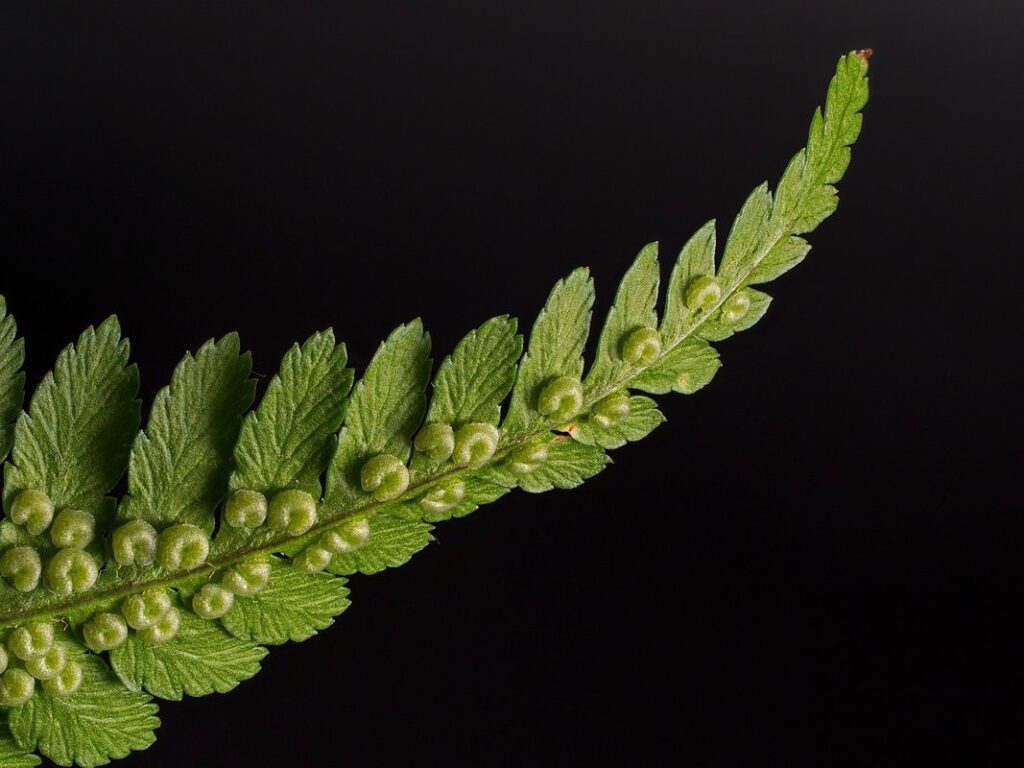
Choosing the Right Pot and Location
When it comes to growing healthy asparagus ferns, choosing the right pot is crucial, so let’s talk pots and locations that’ll make your plants thrive. This section will cover essential tips for selecting a suitable container.
Understanding Lighting Requirements
When it comes to asparagus fern care, lighting is one of the most crucial factors to consider. While these plants can tolerate low-light conditions, they’ll truly thrive when provided with bright, indirect light. In fact, direct sunlight can be too intense for their delicate fronds and may cause scorching or discoloration.
To provide optimal lighting for your asparagus ferns, place them near an east- or west-facing window, where the gentle morning or afternoon sun streams in. Avoid placing them directly in front of a south-facing window, which can be too harsh. If you’re unable to position your plants near a sunny windowsill, don’t worry – they’ll still do well with bright, indirect light from a sheer curtain or shade.
Aim for at least 4-6 hours of bright, indirect light per day to keep your asparagus ferns happy and healthy. Monitor their response to the lighting conditions and adjust as needed. Remember, even if your plant is doing well in low-light conditions, it’ll still appreciate a bit more brightness to bring out its natural beauty.
Selecting the Perfect Pot Size
When it comes to asparagus fern care, selecting the perfect pot size is crucial for promoting healthy growth and development. A general rule of thumb is to choose a pot that’s slightly larger than the plant’s root system, allowing for expansion without becoming too constricted.
As a rule of thumb, select a pot that’s at least 6-8 inches deep to accommodate the fern’s extensive root system. If you’re new to asparagus fern care, it’s better to err on the side of caution and start with a slightly larger pot rather than one that’s too small. This will give your plant room to breathe and prevent the roots from becoming waterlogged.
Consider the mature size of your plant when selecting a pot – an 8-10 inch pot is ideal for smaller varieties, while larger pots (12-14 inches) are better suited for more robust types. When choosing a pot, also think about aesthetics: asparagus ferns have delicate fronds that can spill over the edges of the container, so select one with good drainage and a wide mouth to accommodate this growth.
Ultimately, the right pot size will provide your plant with the perfect balance between support and restriction – too small and it may become pot-bound, while too large might lead to water waste.
Watering Asparagus Ferns: Frequency and Techniques
To keep your asparagus fern thriving, it’s essential to understand the right watering frequency and techniques, which can vary depending on your plant’s environment. We’ll walk you through these key considerations in this next section.
The Importance of Humidity in Fern Care
Maintaining optimal humidity levels is crucial for asparagus ferns, as they thrive in environments with moderate to high humidity. These plants naturally occur in tropical regions where the air is rich in moisture, so it’s no surprise that they struggle in dry conditions.
In their natural habitat, asparagus ferns can survive with humidity levels between 50-70%. However, indoor environments often fall short of these standards, which can cause stress and lead to issues like yellowing leaves and reduced growth. To combat this, you can use a humidifier nearby or group your plants together to create a microclimate.
Some other tips for maintaining the right level of moisture include placing the plant on a tray filled with water and pebbles or using a terrarium to create a closed environment that retains humidity. Keep in mind that over-humidification can also be detrimental, so monitor your plant’s response and adjust accordingly. By replicating the humid conditions they would find in their natural habitat, you’ll help your asparagus fern thrive and flourish.
Watering Methods and Frequency
When it comes to watering asparagus ferns, getting the frequency and technique just right is crucial. These plants prefer well-draining soil and should be watered when the top 1-2 inches of soil feels dry to the touch. It’s essential not to overwater, as this can lead to root rot and other issues.
As a general rule, water your asparagus fern once a week during the spring and summer months when it’s actively growing. However, in the winter months when growth slows down, you can reduce watering to once every 10-14 days. If you forget to water, don’t worry! Simply water thoroughly and resume your regular schedule.
To avoid overwatering, check the moisture level by sticking your finger into the soil up to the first knuckle. You should feel some resistance when the soil is dry enough for watering. Also, make sure not to get water on the leaves or crown of the plant, as this can cause damage and lead to disease. Instead, pour water directly into the soil, allowing it to absorb slowly.
Fertilizing Asparagus Ferns: Nutrient Requirements
When it comes to feeding your asparagus fern, understanding its nutrient requirements is crucial for optimal growth and health. This section will break down what nutrients are essential for a thriving plant.
Understanding Soil pH and Its Impact on Plant Health
Soil pH is a crucial factor that affects the overall health and well-being of asparagus ferns. Asparagus ferns prefer slightly acidic to neutral soil pH, ranging from 6.0 to 7.0. If your plant’s soil pH is too high or too low, it can lead to nutrient deficiencies, root damage, and even death.
To determine the optimal soil pH for your asparagus fern, you’ll need to test its current level. You can use a DIY soil testing kit or send a sample to a lab for analysis. Most garden stores also offer free or low-cost soil testing services.
If your plant’s soil pH is too high (alkaline), you may need to add peat moss or sulfur to lower the pH. Conversely, if it’s too low (acidic), you can mix in some dolomitic limestone to raise it. It’s essential to make adjustments gradually and monitor the soil pH regularly to avoid shocking your plant.
Aim for a pH between 6.5 and 7.0 for best results. This will allow your asparagus fern to absorb necessary nutrients, support healthy growth, and prevent common problems like nutrient deficiencies and root damage.
Fertilizer Options and Application Guidelines
When it comes to fertilizing asparagus ferns, you have several options to choose from. Organic and synthetic fertilizers are two main categories, each with its own set of benefits and drawbacks.
Organic fertilizers are made from natural sources like compost, manure, or bone meal. They release nutrients slowly over time, promoting healthy root growth and development. A popular option is fish emulsion, a liquid fertilizer rich in nitrogen, phosphorus, and potassium (NPK). It’s an excellent choice for asparagus ferns, providing essential micronutrients while also improving soil structure.
Synthetic fertilizers, on the other hand, offer rapid nutrient release. These are often more concentrated and can be less expensive than organic options. However, they may burn your plant if overapplied or cause long-term soil damage. For example, a balanced 20-20-20 (NPK) fertilizer is suitable for asparagus ferns but should be used according to package instructions.
To apply fertilizers effectively:
* Dilute synthetic products with water to avoid burning your plant.
* Start with small amounts of fertilizer and gradually increase as needed.
* Feed your asparagus fern during the growing season, typically spring and summer months.
* Water thoroughly after application to prevent nutrient burn.
Pruning and Propagation: Encouraging Healthy Growth
To ensure your asparagus fern remains healthy and thriving, you’ll want to learn how to prune it properly, as well as propagate new plants from cuttings.
Pruning Techniques for Maximum Growth
Pruning asparagus ferns is an essential part of maintaining their health and promoting vigorous growth. To do this effectively, start by removing any dead or damaged fronds, which can be identified by their wilted or brown appearance. Cut these off at the base using a pair of clean pruning shears or scissors.
Next, focus on shaping your asparagus fern to maintain its desired form. Trim back long stems to encourage bushy growth and remove any leggy branches that may be taking over the plant. Make cuts just above a node – the joint where a leaf meets the stem – as this will help promote new growth from that point.
When pruning, aim for a balanced shape with an even layer of foliage. This will not only enhance the plant’s visual appeal but also improve air circulation and reduce the risk of disease. By following these simple steps and pruning regularly, you’ll be able to keep your asparagus fern thriving and looking its best.
Propagating Asparagus Ferns through Division and Runners
If you’re looking to multiply your asparagus fern collection, propagating through division and runners is an excellent method. Established plants can be divided to create new specimens, while the creeping stems, also known as runners, produce offsets that can be used for propagation.
To divide established asparagus ferns, wait until spring or fall when the plant is dormant. Gently dig up the entire root system and separate the individual crowns using a sharp knife or pruning saw. Each crown should have at least one growing point with a few sets of leaves. Replant the divisions in well-draining soil with bright indirect light.
Runners can be used for propagation by carefully detaching the offsets from the parent plant when they’re about 1-2 inches long. Allow the cut ends to dry for a day or two before planting them in moistened potting mix. Keep the newly planted runners consistently watered and in a warm, humid environment until roots develop.
By using these methods, you can create new asparagus ferns with minimal effort.
Common Pests and Diseases: Identifying and Treating Issues
As you tend to your asparagus fern, be aware of potential pests and diseases that can harm your plant. This includes common issues like spider mites, mealybugs, and root rot.
Identifying Common Pests Affecting Asparagus Ferns
Asparagus ferns are susceptible to various pests that can cause damage and stress to the plant. Among the most common culprits are spider mites, mealybugs, and scale. These pests feed on the sap of the plant, weakening it over time.
Spider mites are tiny, eight-legged insects that thrive in warm, dry environments. They’re often found on the underside of leaves, where they suck out moisture and nutrients. Check for fine webbing or yellowing leaves to identify an infestation. To control spider mite populations, increase humidity around your asparagus fern by placing it on a tray filled with water and pebbles.
Mealybugs are small, white insects that secrete a sticky substance called honeydew. They’re commonly found on the stems and leaves of asparagus ferns, where they feed on sap. Inspect your plant carefully for cottony growth or ants crawling on the stems – these can be signs of a mealybug infestation.
Scale insects are armored pests that attach themselves to the stems and leaves of asparagus ferns, sucking out nutrients and causing damage. They’re often found on the underside of leaves or near nodes. To control scale populations, use neem oil or insecticidal soap to kill these pests.
When you notice any of these pests on your asparagus fern, isolate the plant immediately to prevent further infestation. Treat the affected areas with a gentle pesticide, and maintain good air circulation around the plant to prevent future infestations.
Treating Fungal Diseases and Bacterial Infections
As asparagus fern owners, it’s essential to recognize the signs of common fungal diseases and bacterial infections that can affect these beautiful plants. Fungal diseases such as root rot and leaf spot can be identified by soft, mushy stems, yellowing leaves, or black spots on the foliage. Bacterial infections like crown rot can cause the plant to turn brown at the base.
To treat fungal diseases, it’s crucial to remove infected areas immediately and improve air circulation around the plant. Treatments like neem oil or copper-based fungicides can help control the spread of the disease. For bacterial infections, carefully trim away affected roots and foliage, then repot the fern in fresh, well-draining soil. Regularly inspect your asparagus fern for signs of pests, diseases, and nutrient deficiencies to prevent these issues from arising in the first place.
Prevention is key: ensure good air circulation, maintain a consistent watering schedule, and use a balanced fertilizer to keep your fern thriving.
Advanced Care Techniques: Repotting and Transplanting
When it’s time to give your asparagus fern a bigger home, repotting is crucial to prevent root bound conditions. Learn how to transplant and repot your asparagus fern with confidence and care.
When to Repot Asparagus Ferns
When it’s time to repot your asparagus fern, you’ll start to notice some key signs that indicate its roots have outgrown their container. One of the most obvious indicators is root bound conditions. If your plant’s roots are circling around the inside of the pot or pushing against the sides, it’s a clear sign that it needs more room to grow.
Another sign of nutrient depletion and root bound conditions is reduced growth rate. If your asparagus fern seems to be slowing down its new leaf production or has become less vibrant in color, it may be due for a repotting. Regularly inspect the roots by gently removing the plant from its pot; if they’ve filled the container, it’s time to upgrade.
Asparagus ferns typically require repotting every 1-2 years as part of their regular care routine. Choose a well-draining potting mix specifically designed for ferns and gently remove any old soil from the roots before placing your plant in its new home. This will give your asparagus fern the necessary space to absorb nutrients, water, and air, promoting healthy growth and preventing root bound conditions.
Transplanting Asparagus Ferns: Tips and Precautions
When it’s time to transplant your asparagus fern into a larger pot or directly into the ground, you’ll want to ensure a smooth transition for your plant. One of the key considerations is choosing the right time for transplantation. Spring and fall are ideal seasons for transplanting, as the temperatures are mild and rainfall is more consistent.
Before transplanting, make sure the roots have outgrown their container by at least 1-2 inches. To minimize shock, water your fern thoroughly a day or two before transplanting. When digging up your fern, carefully loosen the soil to prevent damaging the roots. If transplanting into a larger pot, select a container with good drainage and fill it with a well-draining potting mix.
When transplanting directly into the ground, choose a location with partial shade and well-draining soil. Dig a hole twice as wide and just as deep as the fern’s root system. Gently place the fern in the hole, and backfill with a mix of soil and compost. Water thoroughly to settle the soil.
Remember to acclimate your fern to its new environment gradually, either indoors or outdoors.
Frequently Asked Questions
What if I accidentally overwater my asparagus fern? Can it recover?
Yes, asparagus ferns can recover from accidental overwatering. However, this may cause root rot, leading to yellowing or droopy fronds. To rescue your plant, stop watering immediately and repot in fresh, well-draining soil with proper aeration. Monitor for signs of recovery, such as new growth and firmer stems.
How often should I fertilize my indoor asparagus ferns?
Fertilize your asparagus ferns during the growing season (spring-fall) every 1-2 weeks. Use a balanced, water-soluble fertilizer with a pH between 6.0-7.0 to promote healthy growth and prevent nutrient deficiencies.
What’s the ideal temperature range for an indoor asparagus fern?
Asparagus ferns thrive in temperatures between 65°F (18°C) and 75°F (24°C). Avoid placing them near heating or cooling vents, fireplaces, or drafty windows, which can cause stress and potentially damage your plant.
Can I propagate my asparagus fern through division and runners at the same time?
While both methods are effective for propagation, it’s recommended to choose one method per cycle. Division is ideal for re-potting existing plants, while runners are best used for creating new plants from healthy stem segments. Mixing both methods may cause confusion and reduced success rates.
How can I prevent pests like spider mites or mealybugs from infesting my asparagus fern?
Prevent pest infestations by regularly inspecting your plant, maintaining good air circulation, and using neem oil or insecticidal soap treatments as needed. Monitor for signs of stress, such as yellowing fronds or white powdery patches, which can indicate an underlying pest issue.