
Are you looking for a low-maintenance yet high-reward addition to your garden or landscape? Look no further than the Aronia shrub! This versatile plant is not only easy to grow, but it also boasts an impressive array of health benefits and uses. With its unique characteristics and stunning appearance, the Aronia shrub is quickly becoming a favorite among gardeners and health enthusiasts alike.
In this article, we’ll take you on a comprehensive journey through the world of Aronia shrubs. From their nutritional profiles and medicinal properties to creative landscaping ideas and growing tips, we’ve got everything you need to know about harnessing the power of these incredible plants. Whether you’re a seasoned gardener or just starting out, get ready to discover the ultimate benefits of incorporating Aronia shrubs into your life!
What are Aronia Shrubs?
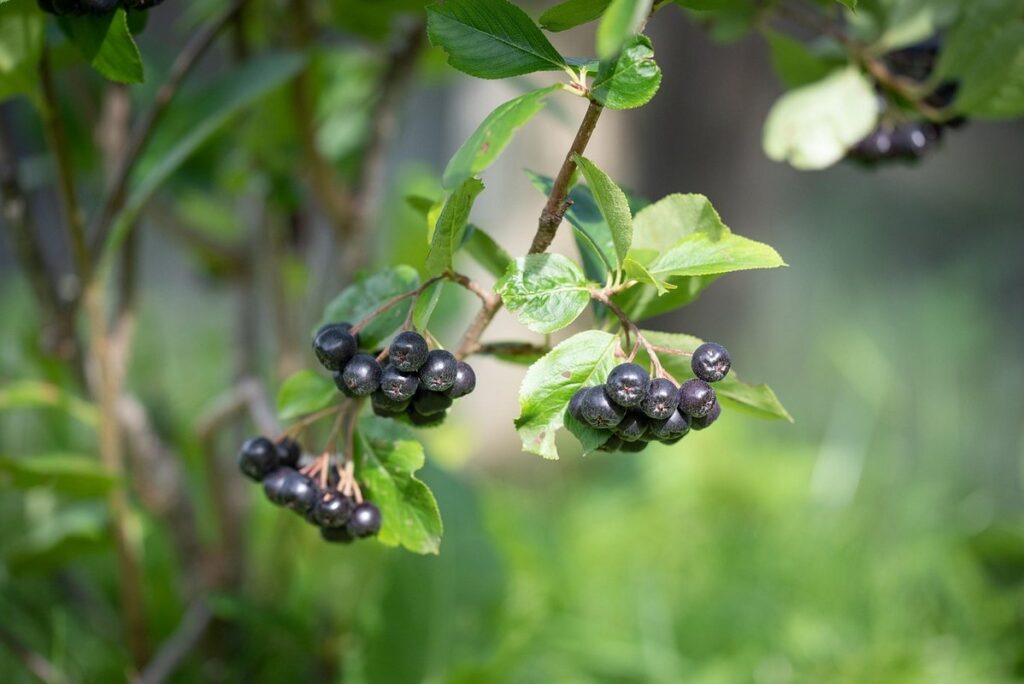
Aronia shrubs, also known as chokeberries, are a type of flowering shrub native to North America that’s gaining popularity for its beauty and health benefits. Let’s take a closer look at this incredible plant!
Introduction to the Aronia Species
Aronia shrubs have been gaining attention in recent years for their remarkable health benefits and environmental advantages. But where do these incredible plants come from? Let’s dive into the fascinating world of Aronia and explore its classification, history, and origins.
Aronia belongs to the Rosaceae family, a group that includes apples, pears, and plums. Its scientific name, Aronia arbutifolia, is derived from the Latin word ‘arion,’ meaning “berry-bearing.” This classification highlights the plant’s unique characteristic of producing small, dark purple berries that are rich in antioxidants.
Aronia shrubs have been around for centuries, originating from Eastern North America and Southeastern Canada. The indigenous people of these regions used Aronia to treat various ailments, including fever, inflammation, and digestive issues. In the early 20th century, Russian immigrants introduced Aronia to Europe, where it quickly gained popularity as a natural remedy for heart health.
With over 90% of the world’s Aronia supply sourced from Eastern Europe, these shrubs have become an integral part of traditional medicine and modern wellness practices. Their remarkable adaptability and resilience have also made them a favorite among gardeners and permaculture enthusiasts. In the next sections, we’ll explore how to grow and benefit from these incredible plants in your own garden or daily life.
Unique Characteristics and Benefits of Aronia Shrubs
Aronia shrubs are renowned for their exceptional hardiness and low maintenance requirements. These adaptable plants can thrive in a wide range of environments, from full sun to partial shade, making them an excellent choice for gardeners with varying conditions. Their ability to withstand extreme temperatures, droughts, and moisture fluctuations means they require minimal upkeep, allowing you to enjoy the benefits without the fuss.
In addition to their durability, Aronia shrubs offer several environmental advantages. They are a natural air purifier, absorbing pollutants and toxins from the atmosphere while releasing oxygen. Moreover, they provide a haven for local wildlife, attracting pollinators like bees and butterflies with their showy flowers. The berries produced by these shrubs also serve as a vital food source for birds and small mammals.
One of the most notable benefits of growing Aronia shrubs is their potential to support sustainable agriculture. Their antioxidant-rich berries have been touted as a “superfood” in recent years, offering numerous health benefits when consumed fresh or used in culinary creations. By incorporating these shrubs into your garden, you can take advantage of this nutrient-dense resource while promoting eco-friendly practices in your community.
Health Benefits and Uses of Aronia Berries
Aronia berries have been touted as a superfood, packed with antioxidants and potential health benefits that are waiting to be unlocked by home gardeners like you. Let’s dive into their remarkable uses and advantages for overall well-being.
Nutritional Value and Antioxidant Properties
Aronia berries are packed with an array of essential nutrients that contribute to their remarkable health benefits. A single serving of Aronia berries contains high levels of dietary fiber, vitamins C and K, potassium, and manganese. These nutrients play a crucial role in maintaining healthy blood sugar levels, supporting immune function, and promoting cardiovascular well-being.
The antioxidant properties of Aronia berries are also worth noting. They contain an impressive array of polyphenols, anthocyanins, and other powerful antioxidants that help combat oxidative stress and inflammation within the body. Studies have shown that consuming foods rich in antioxidants can reduce the risk of chronic diseases such as cancer, heart disease, and cognitive decline.
Incorporating Aronia berries into your diet is a simple yet effective way to reap their nutritional benefits. You can enjoy them fresh or frozen, add them to smoothies and baked goods, or take advantage of their concentrated extract form. By making Aronia berries a regular part of your nutrition plan, you’ll be supporting overall health and well-being while also cultivating resilience against disease.
Traditional Medicine and Modern Applications
Aronia berries have been used for centuries in folk medicine to treat various health issues. In traditional Eastern European and Russian cultures, the berries were used to make teas, tinctures, and salves to alleviate symptoms of arthritis, digestive problems, and skin conditions. The berries’ high antioxidant content was believed to provide anti-inflammatory properties, making them a popular remedy for colds, fever, and even as an antidote to poison.
In modern times, Aronia berries are being incorporated into pharmaceuticals and supplements due to their impressive nutritional profile. Berries rich in anthocyanins are being used as natural food colorants, while their high antioxidant content is being leveraged in skincare products to reduce the appearance of fine lines and wrinkles. The anthocyanin content also makes them a potential agent against cardiovascular disease, with studies showing reduced triglycerides and LDL cholesterol levels when consumed regularly.
Consider adding Aronia berries to your smoothies or making tea from dried berries to reap their potential health benefits.
Growing and Caring for Aronia Shrubs
To thrive, aronia shrubs require regular watering, fertilization, and pruning to maintain their shape and promote healthy growth throughout the seasons. Learn how to care for your aronia shrub effectively here.
Planting and Soil Requirements
When planting an aronia shrub, it’s essential to choose a location with well-draining soil and full sun to partial shade. The ideal soil pH for aronia plants is between 6.0 and 7.0, slightly acidic to neutral. If your soil is too alkaline or heavy clay, consider amending it with organic matter like compost or manure to improve drainage.
When planting, dig a hole twice as wide and just as deep as the shrub’s root ball. Gently remove the shrub from its container, taking care not to disturb the roots. Place the shrub in the hole, ensuring the crown (where the stem meets the roots) is level with the surrounding soil. Fill in the remaining space with a mix of topsoil and compost, gently firming it around the roots as you go.
After planting, water your aronia shrub regularly for the first year to establish a strong root system. Mulch around the base to retain moisture and suppress weeds. Keep the area around the plant weed-free to prevent competition for nutrients and water. By following these steps, you’ll set your aronia shrub up for healthy growth and provide it with the best chance of thriving in its new environment.
Pruning and Maintenance Techniques
To keep your Aronia shrub healthy and thriving, regular pruning and maintenance are crucial. Prune your Aronia shrub in late winter to early spring, removing any dead, diseased, or damaged branches. This will not only improve its appearance but also promote new growth.
When it comes to fertilization, a balanced fertilizer (10-10-10) applied in the spring is sufficient. However, if you want to enhance fruit production, consider using a fertilizer with a slightly higher phosphorus content (such as 15-30-15). Be cautious not to over-fertilize, as this can damage your shrub.
To prevent pest and disease issues, inspect your Aronia regularly for signs of infestation or infection. For example, check for aphids, spider mites, or scale on the leaves and stems. Regularly water your shrub, but avoid overhead watering to minimize the risk of fungal diseases. Monitor for powdery mildew, black knot, or root rot, and take action promptly if you notice any issues.
Propagation Methods and Varieties
When it comes to expanding your Aronia shrub collection, understanding different propagation methods and varieties is crucial for success. This section covers the ins and outs of propagating these versatile shrubs.
Seed Germination and Grafting Techniques
Aronia shrubs can be propagated using seed germination and grafting techniques. When it comes to seed germination, Aronia seeds have a relatively low success rate due to their dormancy period. To overcome this, you can use a cold stratification method where the seeds are exposed to cold temperatures (around 35-45°F) for 30-90 days. This mimics the natural winter process that stimulates germination.
Grafting is another effective propagation technique for Aronia shrubs. It involves joining a stem or root of an existing aronia plant onto the root system of another compatible species, usually in the rose family (Rosaceae). Grafting can be done using various techniques such as whip and tongue grafting or cleft grafting.
For grafting to be successful, ensure that the scion (stem or branch) and rootstock are from the same plant variety. Choose a healthy rootstock with an established root system. The ideal time for grafting is during the dormant season when the plant is less susceptible to shock.
Popular Varieties and Their Characteristics
Aronia shrubs are known for their incredible health benefits and stunning beauty. When it comes to growing these remarkable plants, understanding the different varieties is essential for success.
There are four main Aronia species: Aronia arbutifolia (Red Chokeberry), Aronia x prunifolia (Purple Chokeberry), Aronia × platensis (Aronia × platanera), and Aronia mitschurinii. Each has its unique characteristics, growth habits, and flowering times.
Aronia arbutifolia is one of the most common varieties, known for its bright red berries and tolerance to urban conditions. It grows relatively fast, up to 6-8 feet tall, and flowers in May-June. On the other hand, Aronia x prunifolia boasts larger, darker purple berries and is more resistant to disease.
When selecting an Aronia variety, consider factors like climate, soil type, and desired growth rate. For example, if you live in a dry region, choose a drought-tolerant variety like Aronia mitschurinii. By understanding the characteristics of each variety, you can choose the best Aronia shrub for your specific needs and create a thriving, healthy garden.
If you’re planning to harvest berries, opt for varieties with high fruit production, such as Aronia x prunifolia or Aronia arbutifolia. This will ensure you have an abundance of delicious, nutritious berries for snacking, cooking, or preserving.
Landscaping Ideas and Design Considerations
When it comes to incorporating aronia shrubs into your outdoor space, thoughtful landscaping ideas can make all the difference in their appearance and usability. Effective design considerations will ensure a beautiful and functional display.
Mass Plantings and Ornamental Uses
Aronia shrubs are a stunning addition to any landscape design, and their versatility makes them perfect for various ornamental uses. One of the most striking features of these shrubs is their ability to create beautiful hedges or screens that provide year-round interest with their dark green foliage and vibrant fall colors.
For a natural-looking hedge, plant multiple Aronia shrubs close together (about 3-5 feet apart), pruning them regularly to maintain a uniform shape. This will not only add a pop of color but also serve as a valuable barrier for your garden or property. Alternatively, you can use Aronia shrubs as a screen by planting them in a row behind a seating area or along a fence line.
For added visual interest, consider incorporating Aronia shrubs into borders or mixed gardens with other plants that share similar growing conditions and requirements. This will create a beautiful display of colors and textures throughout the seasons. When using Aronia shrubs as ornamentals, remember to plant them in well-draining soil and provide regular watering to ensure their optimal health and growth.
Companion Planting and Integrated Pest Management
When growing aronia shrubs, it’s essential to consider companion planting strategies that not only enhance their growth but also promote a balanced ecosystem. This approach is particularly crucial when dealing with pests and diseases that can affect these nutrient-dense plants.
Some of the most beneficial companion plants for aronia shrubs include basil, mint, and bee balm. These herbs repel pests such as aphids, spider mites, and flies, reducing the need for pesticides. For example, basil’s strong scent can deter aphid infestations, while mint can help prevent weed growth that competes with aronia shrubs.
To implement an integrated pest management (IPM) plan, consider using natural predators or beneficial insects to control pests. Encourage beneficial insects like ladybugs and lacewings by providing a diverse range of plants in your landscape. These beneficial insects prey on common aronia shrub pests, maintaining ecological balance without harming the environment.
Incorporating these companion planting strategies into your landscaping will not only ensure healthier growth but also create a resilient ecosystem that minimizes chemical use and promotes biodiversity.
Harvesting and Processing Aronia Berries
Now that you’ve learned how to grow your aronia shrubs, let’s dive into harvesting and processing these berries for optimal flavor and nutrition. This section will walk you through the process of collecting and preparing aronia berries for various uses.
Timing and Methods of Harvest
When it’s time to harvest your aronia berries, timing is everything. The ideal harvest period for aronia berries is typically between late September and early October, when the berries are fully ripe and have reached their peak sweetness and nutritional value. However, the exact timing may vary depending on your specific climate, soil conditions, and weather patterns.
To determine if your aronia berries are ready to be harvested, simply check their color, texture, and taste. Ripe aronia berries should be deep purple in color, slightly soft to the touch, and have a sweet-tart flavor. It’s essential to harvest the berries at the right stage of ripeness to ensure optimal flavor, quality, and nutritional value.
To harvest aronia berries, simply snip off the entire stem or individual branches with scissors or pruning shears, taking care not to damage the delicate fruit. Be sure to handle the berries gently to avoid bruising them, which can lead to spoilage and reduce their shelf life.
In terms of yield, you can expect an average of 1-2 pounds of aronia berries per shrub, depending on factors like soil quality, watering, and pruning practices. To maximize your harvest, be sure to provide your aronia shrubs with the right conditions for healthy growth and development throughout the growing season.
Preserving and Using Aronia Berries in Recipes
When you’ve harvested your Aronia berries, it’s essential to process and preserve them correctly to maintain their nutritional value and flavor. One of the best ways to enjoy these berries is through various recipes that showcase their unique taste and benefits.
To begin, wash the berries thoroughly and remove any stems or debris. You can then puree them in a blender or food processor to create a smooth paste. This paste can be frozen for later use in jams, jellies, baked goods, and smoothies. To make a delicious jam, combine the Aronia berry paste with sugar, lemon juice, and pectin (optional) in a saucepan and bring it to a boil.
Some other creative ways to use Aronia berries include adding them to muffin or cake batter for a boost of antioxidants, blending them into a refreshing smoothie, or making a sweet jelly to top your toast or yogurt. You can also dry the berries to make a powder that can be used as a supplement or added to oatmeal or energy bars.
In terms of preserving Aronia berries, you can either freeze them whole, puree them and store in an airtight container in the fridge, or dehydrate them using a food dehydrator. Regardless of which method you choose, make sure to label and date your containers so that you know what’s inside and how long it’s been there.
When working with Aronia berries, keep in mind that they have a slightly bitter taste, so start with small amounts and adjust the flavor as needed. Experimenting with different recipes and combinations will help you find the perfect way to enjoy these nutritious berries while showcasing their unique characteristics.
Potential Economic and Environmental Impact
Growing aronia shrubs can have a significant impact on both your wallet and the environment, from reducing waste to generating income. Let’s explore these benefits in more detail.
Income Generation Opportunities
Growing an aronia shrub is not only great for the environment, but it can also be a lucrative venture. One of the primary ways to generate income from these shrubs is through berry harvests. Aronia berries are rich in antioxidants and have numerous health benefits, making them highly sought after by consumers. You can sell your harvested berries directly to local food markets, restaurants, or even online through platforms like Amazon.
Another revenue stream comes from selling aronia shrub plants themselves. As the popularity of these shrubs grows, so does the demand for new plants. You can propagate your own aronia shrubs and sell them to gardeners, landscapers, or nurseries. Consider specializing in specific varieties with unique characteristics, such as compact growth habits or high-yielding traits.
To maximize your income potential, focus on developing a strong market presence by establishing relationships with local buyers and promoting your products through social media and online advertising. By diversifying your revenue streams and creating a robust business plan, you can turn your aronia shrub garden into a profitable venture that also contributes to the health of your community.
Sustainability and Ecological Benefits
Growing aronia shrubs is not only beneficial for you and your family but also has a profound impact on the environment. By cultivating these remarkable plants, you can significantly contribute to reducing water consumption, increasing biodiversity, and even carbon sequestration.
One of the most significant environmental benefits of growing aronia shrubs is their ability to thrive in dry conditions with minimal watering needs. Aronia shrubs have adapted to survive in areas with low rainfall, making them an ideal choice for water-conscious gardeners. According to a study published in the Journal of Environmental Science and Health, Part B, aronia plants require significantly less water compared to other fruiting shrubs, reducing water consumption by up to 50%. By growing aronia shrubs, you can not only conserve this precious resource but also reduce your watering schedule.
In addition to conserving water, aronia shrubs also play a crucial role in increasing biodiversity. These shrubs attract a variety of pollinators, including bees and butterflies, which are essential for the reproduction process. By planting aronia shrubs, you can create a haven for these beneficial insects, supporting local ecosystems and promoting ecological balance. A study conducted by the University of California found that gardens with aronia shrubs had a significantly higher number of pollinator species compared to those without.
Aronia shrubs are also excellent carbon sequestrators, absorbing more CO2 from the atmosphere than many other fruiting plants. According to research published in the Journal of Agricultural and Food Chemistry, aronia berries contain high levels of anthocyanins, powerful antioxidants that help combat oxidative stress and reduce greenhouse gas emissions. By incorporating aronia shrubs into your garden or landscape design, you can contribute to mitigating climate change while enjoying the numerous health benefits associated with these remarkable plants.
When planting aronia shrubs for maximum environmental benefit, consider the following tips:
* Choose a location with full sun to partial shade and well-draining soil
* Plant multiple aronia shrubs to create a hedge or screen, promoting biodiversity and reducing maintenance
* Avoid using chemical fertilizers or pesticides, opting instead for natural methods of pest control
* Prune your aronia shrubs regularly to promote healthy growth and encourage fruiting
By embracing the sustainability benefits of growing aronia shrubs, you can not only enjoy their delicious berries but also contribute to a healthier environment. With their drought-tolerant nature, ability to attract pollinators, and capacity for carbon sequestration, these remarkable plants are an excellent choice for environmentally conscious gardeners.
Frequently Asked Questions
Can I grow Aronia shrubs in containers or indoor spaces?
Aronia shrubs can thrive in containers, making them a great option for small gardens or indoor spaces. Just ensure the container is at least 12-18 inches deep and has good drainage to accommodate the plant’s root system.
How do I preserve Aronia berries after harvesting?
To preserve Aronia berries, you can freeze them whole, puree them into a jam or sauce, or dry them using a food dehydrator. Frozen berries are perfect for smoothies, while dried berries make great additions to oatmeal or yogurt parfaits.
What’s the best way to integrate Aronia shrubs into my existing landscape design?
Aronia shrubs can be used as hedges, specimen plants, or even incorporated into mass plantings. Consider their mature size and growth habits when selecting a location. You can also combine them with other ornamental plants for a stunning display of color and texture.
Can I propagate Aronia shrubs from seed?
While it’s technically possible to propagate Aronia shrubs from seed, the process can be time-consuming and unpredictable. Grafting is often preferred as it allows you to produce high-quality plants quickly and reliably. You can also try layering or stem cuttings for faster results.
How do I ensure my Aronia shrubs receive the right amount of sunlight?
Aronia shrubs prefer full sun to partial shade, depending on your climate. Aim for at least 6 hours of direct sunlight per day in cooler regions and more in warmer climates. You can also provide some afternoon shade to prevent scorching in very hot conditions.