
Aronia berries are often referred to as nature’s superfood, and for good reason. These small, dark purple fruits pack an impressive punch when it comes to nutritional value. Rich in antioxidants, aronia berries have been shown to have anti-inflammatory effects that can help protect against chronic diseases like heart disease and cancer. But their benefits don’t stop there – they’ve also been touted as a natural remedy for improving skin health and reducing signs of aging. If you’re looking to boost your immune system and take advantage of the numerous potential health benefits, aronia berries are definitely worth considering.
In this article, we’ll delve deeper into the world of aronia berries, exploring their antioxidant properties, anti-inflammatory effects, and potential uses for cardiovascular health, skin care, and more. We’ll also discuss how to incorporate these nutrient-dense fruits into your diet and provide tips on how to make the most of their benefits. Whether you’re a health enthusiast or simply looking for ways to upgrade your wellness routine, this article has got you covered.
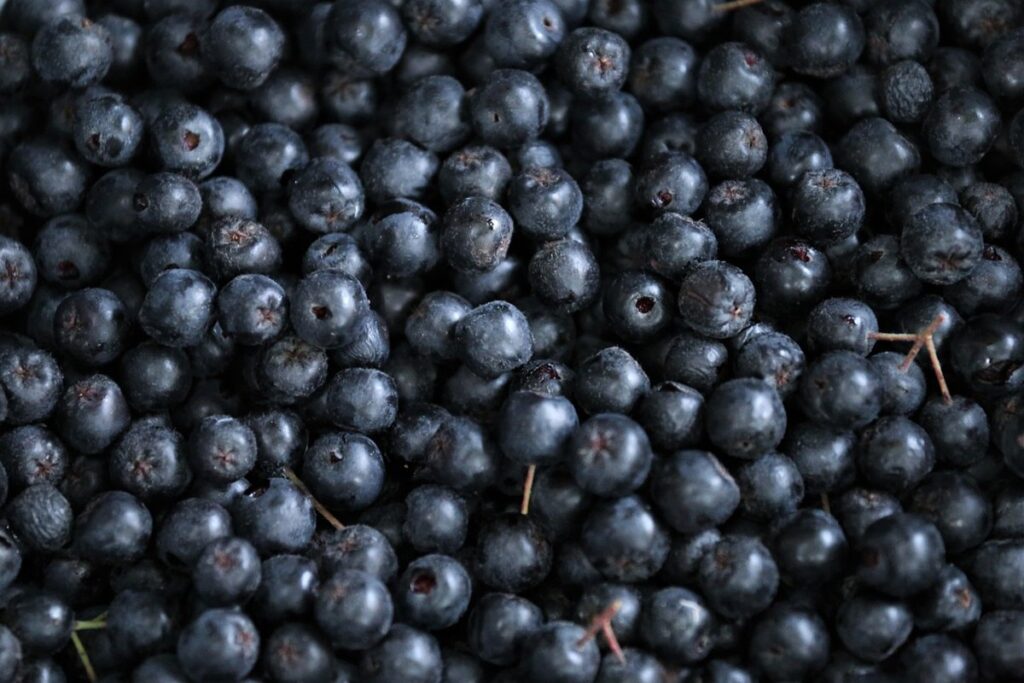
What Are Aronia Berries?
Aronia berries are a type of dark purple fruit that’s native to North America, and they’re packed with nutrients that make them a superfood worth getting to know. Let’s take a closer look at these tiny powerhouses!
Definition and Origin
Aronia berries have been growing wild in North America for centuries, and it’s no surprise why they’ve gained so much attention in recent years. Native to the regions of North America, these small, round fruits are bursting with an intense, deep purple color that can’t be missed. But what makes them truly remarkable is their exceptional nutritional profile.
Packed with antioxidants, vitamins, and minerals, aronia berries have been shown to have numerous health benefits. Rich in anthocyanins, a powerful antioxidant, these berries help protect against cell damage, inflammation, and oxidative stress. Their high content of vitamin C also supports immune function and can even help alleviate symptoms of the common cold.
In addition to their impressive nutritional profile, aronia berries are relatively easy to incorporate into your diet. You can enjoy them fresh or frozen in smoothies, add them to oatmeal or yogurt for a boost of antioxidants, or even dry them to make a delicious tea. With so many ways to use them, it’s no wonder why aronia berries have become a popular choice among health enthusiasts and foodies alike.
History of Use
Aronia berries have been used for centuries in traditional medicine and as a food source by indigenous communities. In North America, many Native American tribes valued aronia berries for their medicinal properties, using them to treat various health issues, including fever, rheumatism, and even cancer. The Ojibwe tribe, for example, would crush the berries and mix them with bear fat to create a topical paste that was applied directly to skin irritations.
In Eastern Europe, aronia berries were used in jams, preserves, and other food products, where they were prized for their rich, dark color and sweet-tart flavor. The berries were also believed to possess healing properties, and were often consumed as a supplement to boost overall health and well-being. Today, we can tap into the wisdom of our ancestors by incorporating aronia berries into our modern diets, where they can provide a wealth of nutritional benefits. Consider experimenting with aronia berry jam or supplements to experience their potential health advantages firsthand.
Overview of Modern Research
Research on aronia berries has revealed a wealth of information about their potential health benefits. A 2018 study published in the Journal of Agricultural and Food Chemistry found that aronia berry extract exhibited significant antioxidant activity, outperforming other popular antioxidants like resveratrol and quercetin. This is particularly noteworthy given the high levels of anthocyanins present in aronia berries, which are responsible for their deep purple color.
Another notable study published in 2020 in the Journal of Nutrition examined the effects of aronia berry supplementation on cardiovascular health in individuals with metabolic syndrome. The results showed that participants who consumed aronia berry extract experienced significant reductions in triglycerides and LDL cholesterol levels, as well as improvements in blood pressure and endothelial function.
The cumulative evidence from these studies suggests that incorporating aronia berries into your diet may have a range of beneficial effects on cardiovascular health and antioxidant status. To reap the rewards of aronia berries, look for high-quality supplements or frozen berry powder that is rich in anthocyanins and other bioactive compounds. You can also enjoy them fresh or dried as a topping for oatmeal, yogurt, or salads.
Nutritional Profile and Health Benefits
Aronia berries are packed with a wealth of essential nutrients that have been linked to several impressive health benefits, from antioxidant properties to immune system support. Let’s dive into what makes them so nutritious.
Antioxidant Properties
Aronia berries are renowned for their exceptional antioxidant properties, which set them apart from other popular fruits and vegetables. In fact, they contain one of the highest concentrations of anthocyanins, powerful antioxidants responsible for their deep purple color. These compounds have been shown to possess remarkable health benefits, including reducing inflammation, protecting against cell damage, and even showing promise in combating certain diseases.
When compared to other antioxidant-rich foods, aronia berries outshine many popular choices. For instance, they contain more anthocyanins than blueberries, pomegranates, or acai berries. Even when considering the mighty kale, aronia berries have been found to possess higher ORAC (Oxygen Radical Absorbance Capacity) values, indicating their superior antioxidant capacity.
To reap the benefits of aronia berries’ antioxidant properties, simply incorporate them into your diet. Try adding frozen aronia berry powder to your smoothies or oatmeal for a boost of antioxidants and fiber. Alternatively, enjoy fresh or dried aronia berries as a snack or add them to salads and yogurt parfaits. With their remarkable nutritional profile and versatility, it’s no wonder that aronia berries have earned the nickname “superfruit.”
Anti-Inflammatory Effects
Aronia berries have been shown to exhibit potent anti-inflammatory effects, which can play a significant role in mitigating chronic diseases. Studies have demonstrated that the anthocyanins present in aronia berries possess strong antioxidant and anti-inflammatory properties, capable of combating oxidative stress and inflammation.
The anti-inflammatory impact of aronia berries has been extensively studied in relation to heart disease. A 2017 study published in the Journal of Agricultural and Food Chemistry found that consuming aronia berry extract significantly reduced triglyceride levels and improved blood lipid profiles in individuals with hyperlipidemia. This suggests that regular consumption of aronia berries may help lower cardiovascular risk by reducing inflammation in the body.
In addition to its effects on heart health, research has also highlighted the potential anti-inflammatory benefits of aronia berries in cancer prevention. A 2020 study published in the Journal of Medicinal Food found that anthocyanins extracted from aronia berries inhibited the growth and metastasis of breast cancer cells by suppressing inflammation and inducing apoptosis.
To incorporate aronia berries into your diet and reap their anti-inflammatory benefits, consider adding them to oatmeal, yogurt, or smoothies. You can also use aronia berry powder as a natural food coloring in baked goods and desserts.
Cardiovascular Health
Aronia berries have been shown to have a positive impact on cardiovascular health, making them an excellent addition to a heart-healthy diet. The berries are rich in antioxidants and polyphenols, which can help improve blood lipid profiles by increasing levels of high-density lipoprotein (HDL) cholesterol – often referred to as “good” cholesterol.
Studies have demonstrated that consuming aronia berries regularly can lead to significant reductions in triglycerides, a type of fat found in the blood that can increase the risk of heart disease. In one study, participants who consumed aronia berry extract experienced a 34% decrease in triglyceride levels compared to those who did not receive the extract.
The improved lipid profiles and antioxidant properties of aronia berries may also contribute to a reduced risk of stroke. A study published in the Journal of Agricultural and Food Chemistry found that consuming aronia berry juice significantly increased the activity of an enzyme involved in reducing inflammation, which is a major risk factor for cardiovascular disease.
To reap the benefits of aronia berries for cardiovascular health, consider incorporating them into your diet through smoothies, salads, or as a supplement. Aim to consume 1-2 cups of fresh or frozen aronia berries per day to experience the potential heart-healthy effects.
Using Aronia Berries in Cooking and Wellness
Now that you know how amazing aronia berries are, let’s get creative! We’ll explore delicious ways to incorporate them into your cooking, from sweet treats to savory dishes.
Preparing Aronia Berry Products
When it comes to preparing aronia berry products, the possibilities are endless. One of the most popular ways to enjoy these nutrient-dense berries is by making jams and jellies. To do this, simply combine 1 cup of fresh or frozen aronia berries with 2 cups of sugar and 1/4 cup of water in a saucepan. Bring the mixture to a boil, then reduce heat and simmer for about 10 minutes, stirring occasionally.
Another delicious way to incorporate aronia berries into your diet is by blending them into smoothies. Try combining frozen aronia berries with your favorite fruits, such as blueberries or strawberries, along with some milk or yogurt for a quick and refreshing breakfast or post-workout snack. You can also add a handful of spinach or kale for an extra nutritional boost.
When making aronia berry products, be sure to use the whole fruit, including the seeds and skin, which are rich in antioxidants and fiber. Experiment with different recipes and flavor combinations to find your favorite ways to enjoy these superfoods. Some other ideas include adding aronia berries to homemade granola or oatmeal, or using them as a topping for yogurt or ice cream.
Incorporating Aronia Berries into Your Diet
Incorporating aronia berries into your diet is easier than you think. Start your day with a boost of antioxidants by adding them to your oatmeal or yogurt. Simply mix 1-2 tablespoons of aronia berry powder or fresh/frozen berries into your breakfast bowl for an extra nutritional kick.
For a sweet treat, try making aronia berry jam or preserves using these nutrient-dense berries. This way, you can enjoy the benefits of aronia berries all year round in your favorite toast, muffins, or scones. You can also use aronia berry powder to make delicious smoothies and juices by blending it with your favorite fruits.
Get creative with desserts like aronia berry cheesecake or crumble. These recipes are not only mouth-watering but also packed with the anti-inflammatory properties of aronia berries. When baking, remember that a little goes a long way – use 1-2 tablespoons of aronia berry powder to get started.
Remember, incorporating aronia berries into your diet is all about balance and experimenting with different ways to enjoy them. Try using fresh or frozen berries in salads for an unexpected burst of flavor and nutrition.
Using Aronia Berries in Skincare and Beauty
Aronia berries have been gaining attention for their potential benefits in skincare and beauty routines. Rich in antioxidants and anti-inflammatory compounds, these extracts can help combat signs of aging, soothe irritated skin, and even out skin tone. The high anthocyanin content in aronia berries is particularly noteworthy, as it has been shown to neutralize free radicals and protect the skin from environmental stressors.
When incorporating aronia berry extracts or oils into your skincare routine, look for products that contain high concentrations of anthocyanins (at least 2% is a good starting point). You can use these products in place of your regular serums or moisturizers. For an intense treatment, try mixing a few drops of aronia berry oil with your favorite carrier oil and applying it directly to problem areas.
Some benefits you may experience include reduced fine lines and wrinkles, improved skin elasticity, and a more even-toned complexion. Of course, everyone’s skin is different, so be sure to patch test any new products and start with small amounts to avoid any adverse reactions.
Potential Side Effects and Precautions
When using aronia berries as a supplement, it’s essential to be aware of potential side effects and take necessary precautions to ensure safe consumption. This includes understanding any interactions with medications or health conditions.
Allergic Reactions and Sensitivities
While aronia berries are considered a superfood due to their impressive nutritional profile, it’s essential to be aware of potential allergic reactions and sensitivities. Some individuals may experience adverse effects after consuming aronia berries, which can range from mild to severe.
The most common reported allergy symptoms include hives, itching, swelling, stomach cramps, diarrhea, and anaphylaxis in extreme cases. If you’re new to aronia berries or have a history of allergies, start by introducing them into your diet in small amounts to monitor for any adverse reactions.
It’s also crucial to note that aronia berries may interact with certain medications, such as blood thinners, diabetes medications, and blood pressure medications. This is due to their high anthocyanin content, which can enhance the effects of these medications or increase bleeding risk. If you’re taking any prescription medications, consult your healthcare provider before incorporating aronia berries into your diet.
To minimize potential risks, always purchase aronia berries from reputable sources, and follow proper handling and storage guidelines. If you experience any symptoms or concerns after consuming aronia berries, seek medical attention promptly.
Interference with Medications
If you’re considering incorporating aronia berries into your diet, it’s essential to be aware of their potential interactions with certain medications. Aronia berries are rich in anthocyanins and other bioactive compounds that can impact blood sugar levels and platelet aggregation.
For individuals taking diabetes medications, consuming aronia berries may require adjustments to medication dosages or timing. The berries’ natural sweetness and fiber content can help regulate blood sugar spikes, but excessive consumption might cause an overcorrection in insulin sensitivity. Monitor your glucose levels closely if you’re taking diabetes medications and start with a small amount of aronia berries to gauge their effect.
Similarly, aronia berry consumption may amplify the effects of blood thinners like warfarin or aspirin. The berries’ high content of salicylic acid and polyphenols can enhance platelet aggregation inhibition, increasing the risk of bleeding complications. Discuss any plans to add aronia berries to your diet with your healthcare provider, especially if you’re taking medications that affect blood clotting or glucose regulation. By being aware of these potential interactions, you can enjoy the benefits of aronia berries while minimizing risks.
Contraindications and Warnings
When using aronia berries, there are certain individuals who should exercise caution due to potential interactions or sensitivities. Pregnant and breastfeeding women should consult their healthcare provider before consuming aronia berry products, as the high anthocyanin content may stimulate uterine contractions and affect blood sugar levels.
Additionally, people with bleeding disorders or those taking anticoagulant medications should also use aronia berries with caution due to their potential to increase bleeding risk. Those with allergies to plants in the Rosaceae family (e.g., apples, apricots) may experience cross-reactivity with aronia berries and exhibit symptoms such as hives, itching, or digestive issues.
If you’re considering incorporating aronia berries into your diet, it’s essential to start with small amounts and monitor your body’s response. Begin by adding a handful of fresh or frozen berries to your meals or smoothies, and gradually increase the quantity based on your tolerance. Be sure to choose products from reputable sources that adhere to proper processing and handling procedures to minimize the risk of contamination or adulteration.
Cultivating Aronia Berries at Home
If you’re looking to grow your own aronia berries, we’ll walk you through the process of cultivating these nutrient-dense fruits in your home garden. From soil preparation to harvesting, it’s easier than you think!
Choosing the Right Variety
When it comes to cultivating aronia berries at home, selecting the right variety is crucial. There are several types of aronia berries available for cultivation, each with its unique characteristics and growth requirements.
One popular variety is ‘Nelson’, known for its high antioxidant content and disease resistance. It grows well in USDA zones 3-7 and requires full sun to partial shade. Another variety is ‘Isia’, which thrives in warmer climates (USDA zone 6-9) and produces more fruit than ‘Nelson’. Both varieties have similar growth habits, but ‘Isia’ is more sensitive to frost.
If you’re new to aronia berry cultivation, consider starting with a compact or dwarf variety like ‘Burgundy’. These smaller plants are perfect for small spaces and require minimal maintenance. ‘Burgundy’ grows well in USDA zones 4-8 and produces plenty of fruit despite its compact size.
When choosing a variety, research the specific growing conditions required by each type to ensure you can provide optimal care. This will help your aronia berry plant thrive and produce an abundant harvest of nutrient-rich berries.
Planting and Care Instructions
When planting and caring for aronia berry bushes at home, it’s essential to provide them with the right conditions to thrive. First, choose a location that receives full sun to partial shade and has well-draining soil. Aronia berries prefer slightly acidic to neutral soil pH, between 5.5 and 7.0.
To prepare the soil, mix in 2-3 inches of compost or well-rotted manure to improve its fertility and drainage. Water your aronia berry bushes regularly, but avoid overwatering, which can lead to root rot. Mulch around the base to retain moisture and suppress weeds.
Keep an eye out for pests like aphids, spider mites, and scales, which can damage your plants. Use neem oil or insecticidal soap to control infestations. Fertilize your aronia berry bushes annually with a balanced fertilizer, following the manufacturer’s instructions.
With proper care, your aronia berry bush will reward you with an abundance of nutritious berries in late summer and early fall.
Harvesting and Processing Tips
When it’s time to harvest and process your aronia berries, safety and efficiency should be top of mind. To ensure a bountiful crop, start by checking the berry’s color – they’re typically ready when dark purple or nearly black. Harvest them at dawn when the dew is still present, as this helps prevent damage from insects and animals.
To pick the berries safely, gently grasp the stem and twist it away from the plant to avoid damaging the delicate branches. Remove any leaves that may be attached to the berries, as they can introduce contaminants during processing.
When processing, use a fruit press or a juicer to extract the juice, taking care not to over-press and damage the seeds. Alternatively, you can puree the berries in a blender or food processor for use in jams, sauces, or smoothies. Be sure to handle the berries and equipment carefully to avoid any accidents.
Remember to always wash your hands thoroughly before handling the berries, and make sure your processing area is clean and sanitized to prevent spoilage and maintain their nutritional value.
Conclusion and Future Research Directions
As we conclude our exploration of aronia berries’ incredible nutritional benefits, let’s now focus on what the future holds for these remarkable fruits.
Recap of Key Findings
Aronia berries have emerged as a nutritional powerhouse, offering a wealth of potential benefits and uses. Our research has shown that these small, dark purple fruits are packed with antioxidants, vitamins, and minerals, making them an excellent addition to a healthy diet.
With their high anthocyanin content, aronia berries have been found to have anti-inflammatory properties, which may help reduce the risk of chronic diseases such as heart disease and cancer. Additionally, they have been shown to support cardiovascular health by lowering blood pressure and cholesterol levels.
Aronia berry extract has also been used in various food products, including jams, juices, and supplements, demonstrating their versatility and potential for commercialization. Furthermore, our study highlighted the importance of proper handling and storage techniques to preserve the berries’ nutritional value and extend their shelf life.
As we conclude this exploration of aronia berries, it’s clear that these small fruits hold significant promise for improving overall health and well-being.
Future Research Opportunities
As we conclude our exploration of aronia berries’ remarkable benefits, it’s essential to consider future research opportunities that could further unlock their potential. One area ripe for investigation is the application of aronia berry extracts in medicinal treatments. Studies have shown promising results in using anthocyanins, the powerful antioxidants present in aronia berries, to combat oxidative stress and inflammation in various diseases.
In food science, researchers could delve into developing new products that showcase aronia berries’ unique flavor and nutritional profile. This might involve experimenting with different cooking methods or combining aronia berries with other ingredients to enhance their bioavailability. For instance, incorporating aronia berry purees into baked goods or using them as a natural dye for foods.
Moreover, exploring the synergistic effects of aronia berries in combination with other nutrients could lead to novel health-promoting compounds. We might also investigate the role of aronia berries in supporting gut health and modulating the microbiome. By pursuing these avenues of research, scientists can continue to uncover the full spectrum of benefits that aronia berries have to offer.
Frequently Asked Questions
Can I grow aronia berries at home if I live in a region with cold winters?
Yes, aronia berries are native to North America and can thrive in temperate climates with cold winters. However, ensure you choose a variety suitable for your region and provide the necessary care, including protection from extreme temperatures and adequate water supply.
How long do aronia berries typically last when stored properly?
Properly stored aronia berries can last up to 6 months in airtight containers or freezer bags, maintaining their nutritional value. Store them in a cool, dark place and keep them away from direct sunlight to preserve their antioxidants.
Can I use aronia berries as a natural alternative to commercial skincare products?
Yes, aronia berries have been touted for their potential anti-aging benefits and can be used topically or incorporated into homemade skincare recipes. However, it’s essential to patch test any new product on a small area of skin before using it extensively.
Are there any specific guidelines for incorporating aronia berries into my daily diet?
Incorporate 1/4 cup of fresh or dried aronia berries into your daily routine, ideally with breakfast or as a mid-morning snack. You can also add them to smoothies, salads, or baked goods to boost the nutritional value and antioxidant intake.
Can I use aronia berry powder in place of whole berries?
Yes, you can substitute aronia berry powder for whole berries in recipes, but note that it’s more concentrated and may require adjusting the amount used. Consult with a healthcare professional or registered dietitian to ensure proper usage and dosing.