
Are you tired of treating your beautiful mums like annuals, only to watch them fade away with the first frost? Well, think again! Chrysanthemum plants, commonly known as mums, can actually be grown as perennials in many regions. With a little know-how and proper care, these gorgeous flowers can return year after year, bringing color and vibrancy to your garden for seasons to come.
In this article, we’ll explore the secrets of cultivating mums as perennials, including the role of hardiness zones and optimal care practices for successful regrowth. We’ll delve into the factors that influence a mum’s ability to survive winter and bloom again in the spring, providing you with expert tips and tricks to coax these stunning flowers back into growth. Whether you’re an experienced gardener or just starting out, this guide is here to help you unlock the full potential of your mums and enjoy their beauty for years to come.
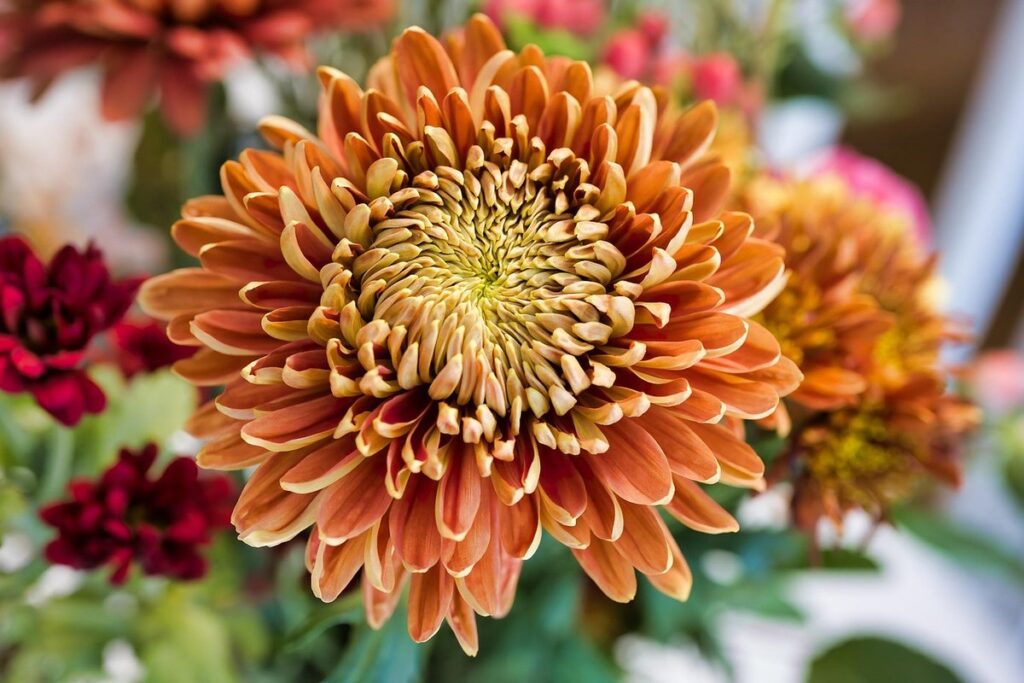
Understanding Mums and Their Growth Habits
To truly determine whether mums are perennials, it’s essential to understand their growth habits and how they adapt to changing seasons. Let’s take a closer look at how mums behave over time.
What are Mums?
Mums are one of the most popular and versatile flowering plants in the world. They belong to the Chrysanthemum genus, which is comprised of over 30 species of flowering plants. When it comes to their classification as perennials or annuals, mums behave differently depending on the region they’re grown in.
In regions with mild winters, such as USDA zones 8-10, mums are typically considered perennials. They can be divided and replanted every few years to maintain their health and promote new growth. In these areas, it’s not uncommon for mums to bloom multiple times throughout the year, providing a constant source of color and beauty.
However, in regions with harsher winters, such as USDA zones 3-7, mums are often grown as annuals. This is because they may not survive the cold temperatures and frost that can damage or kill the plants. In these areas, mums are typically planted from seed every year, providing a fresh start for each growing season.
Understanding whether your mums are perennials or annuals will help you plan for their care and maintenance accordingly. If you’re unsure about your region’s classification, consult with local nurseries or gardening experts for guidance.
Types of Mums: Annual vs. Perennial
When it comes to mums, there are two primary types: annual and perennial. Understanding the difference between these two is crucial for gardeners who want to get the most out of their mum plants.
Annual mums, as the name suggests, complete their life cycle within a year. They germinate, grow, produce flowers, and then die with the first frost. These varieties are often grown from seed and require replanting every spring. In warmer climates, annual mums can be grown year-round, while in colder areas, they may need to be brought indoors during the winter months.
Perennial mums, on the other hand, come back year after year, often producing new growth and flowers in the same spot. These varieties are typically propagated through division or root cuttings and require less maintenance than annuals. Perennial mums can tolerate cooler temperatures and drought conditions better than their annual counterparts, making them a great choice for gardeners who want low-maintenance plants.
In zones with mild winters, perennial mums can grow as perennials year-round, but in areas with harsher winters, they may need to be treated like annuals. Regardless of the type, proper care and maintenance are essential to ensure these beautiful flowers thrive in your garden.
The Role of Hardiness Zones in Determining Mum Perennial Status
Understanding whether mums are perennials involves taking a closer look at hardiness zones and how they affect plant survival over time. Let’s explore this key factor together.
How Hardiness Zones Affect Mum Growth
When it comes to determining whether mums are perennials, hardiness zones play a significant role. Mums can grow as either annuals or perennials depending on the zone they’re planted in. In warmer climates with mild winters (hardiness zones 9-11), mums will typically come back year after year and bloom in the fall.
However, in areas with colder winters (hardiness zones 3-8), mums are more likely to be treated as annuals due to their sensitivity to frost. To encourage perennial growth, gardeners in these zones can try to protect their mums from harsh winter conditions by mulching heavily or bringing potted plants indoors.
For example, a mum planted in zone 5 may bloom well for several years if properly cared for during the growing season and protected from extreme cold. However, its ability to come back year after year will depend on factors like weather conditions and soil quality.
Gardeners in zones with mild winters can simply divide and replant their mums every few years to maintain healthy growth and prevent overcrowding. This approach allows the plants to regrow new stems and foliage while retaining a strong root system.
Understanding Your USDA Hardiness Zone
Understanding your USDA Hardiness Zone is crucial for determining whether mums can thrive as perennials in your garden. The USDA (United States Department of Agriculture) created a hardiness zone map to help gardeners and farmers understand the average annual extreme minimum temperature for their area. This information is vital because it affects what plants can survive and grow in your region.
To determine your specific USDA Hardiness Zone, you can visit the USDA’s Plant Hardiness Zone Map website or use an online tool like a plant finder app. Simply enter your zip code or city and state to find your zone. The map ranges from Zone 1 (the coldest) to Zone 11 (the warmest).
For mums, zones 4-8 are generally suitable for growth, but some varieties can tolerate warmer zones. Knowing your hardiness zone helps you choose mum varieties that will thrive in your climate and reduces the risk of plant loss due to extreme temperatures. This knowledge also allows you to provide optimal care and protection for your mums during harsh winter months, increasing their chances of coming back as perennials.
Care and Maintenance for Mums as Perennials
To get the most out of your mums, you’ll want to understand how to care for them properly. This means learning what they need to thrive year after year.
Planting Conditions for Mums
When planting mums as perennials, it’s essential to provide them with optimal conditions for growth. Mums prefer well-draining soil that is rich in organic matter. A mix of compost, peat moss, or perlite can improve soil structure and fertility. Test your soil pH levels before planting, as mums thrive in slightly acidic to neutral soils (pH 6.0-7.0).
Sunlight requirements for mums vary depending on the variety. Some mum varieties require full sun (6+ hours of direct sunlight), while others can tolerate partial shade (4-6 hours of indirect sunlight). When choosing a planting location, consider the specific needs of your mum variety. In general, east- or west-facing areas receive gentle morning or afternoon sun, making them ideal for mums.
When transplanting mums, dig a hole that is twice as wide and as deep as the root ball. Add organic matter to the soil and gently spread out the roots before planting. Water thoroughly after planting and keep the soil consistently moist during their first growing season. By providing your mums with suitable soil and sunlight conditions, you’ll be well on your way to establishing a thriving perennial garden.
Watering and Fertilization Habits
When it comes to promoting healthy growth and blooming cycles for mums as perennials, proper watering and fertilization habits are crucial. As a mum owner, you want to ensure that your plants receive the right amount of water and nutrients to thrive.
Watering should be done when the soil feels dry to the touch, usually about 1-2 inches deep, depending on the climate and soil type. It’s essential not to overwater, as this can lead to root rot and other problems. Under-watering, on the other hand, may cause stress, but the mum will eventually recover.
Fertilization is also vital for promoting healthy growth and blooming cycles in mums. Use a balanced fertilizer that contains nitrogen, phosphorus, and potassium (NPK). You can apply this once a month during the growing season or when you notice your mum needs extra nutrients. For instance, if your mum produces a lot of flowers, it may require more fertilization to sustain its blooming cycles.
In addition to fertilizing, consider using compost tea as an organic alternative to promote beneficial microorganisms in the soil. This will not only provide essential nutrients but also improve the overall health of the mum plant. By adopting these habits and observing your mums’ responses, you’ll be able to fine-tune their care for optimal results.
Common Challenges in Growing Mums as Perennials
Growing mums as perennials can be a bit tricky, and understanding common challenges will help you overcome obstacles and achieve success with these beautiful flowers. Let’s take a closer look at some of the most common issues gardeners face.
Common Issues with Mum Growth
Growing mums as perennials can be challenging due to their susceptibility to pests and diseases. One of the most common issues is powdery mildew, a fungal disease that causes white powder to form on leaves and stems. To prevent this, make sure to provide good air circulation by spacing plants far enough apart, and avoid getting water on the foliage when watering.
Aphids and spider mites are also notorious pests of mums, feeding on sap and causing curled or distorted leaves. Use neem oil or insecticidal soap to control these infestations. Regularly inspect your plants for signs of pests or diseases, and take action promptly if you notice any issues.
Additionally, mum growth can be stunted by overwintering in cold temperatures. If you live in an area with frost, bring potted mums indoors before the first frost or dig up the tubers and store them in a cool, dry place until spring. This will help prevent root damage and ensure healthy regrowth come springtime.
To minimize common issues, be sure to divide and replant your mums every 3-4 years, as this helps maintain their vigor and prevents overcrowding.
Strategies for Overcoming Growth Challenges
When growing mums as perennials, it’s inevitable that you’ll encounter growth challenges. However, with the right strategies, you can overcome these obstacles and keep your mum plants thriving year after year.
One of the most effective ways to tackle growth challenges is through pruning. Regular pruning helps control the size of your mum plant, promotes new growth, and encourages blooming. When pruning mature mum plants, start by removing any dead or damaged branches. Next, cut back leggy stems to about one-third from the base, cutting just above a node (where a leaf meets the stem). This will encourage branching and prevent the plant from becoming too leggy.
Another strategy for overcoming growth challenges is dividing mature mum plants. As mums spread out over time, they may become congested, leading to reduced flowering and root rot. Divide your mums in spring or fall, using a sharp knife or garden fork to separate the roots. Replant the divisions immediately, making sure to water them well.
Regular division also helps maintain healthy mum plants by removing old, woody stems that can take energy away from new growth. By incorporating pruning and division into your mum care routine, you’ll be able to keep your plants thriving and vibrant for years to come.
Tips for Encouraging Mums to Come Back Year After Year
If you want to make your mum visits truly special, there are a few key things to keep in mind when it comes to encouraging mums to return year after year. Here’s what you need to know.
Encouraging Mum Regrowth
To encourage mum regrowth and promote perennial behavior, it’s essential to understand their natural habits. Mums typically bloom for a season before going dormant, only to grow new flowers the following year if conditions are favorable.
Deadheading is a simple yet effective way to encourage mums to rebloom. By removing spent flowers, you’re directing the plant’s energy towards producing new buds and leaves, rather than seeds. This process not only maintains your mum’s appearance but also encourages it to focus on growth over reproduction.
Mulching around the base of your mum plant can also help retain moisture and regulate soil temperature. This is especially crucial during extreme weather conditions, such as prolonged droughts or freezing temperatures, which can cause stress and hinder regrowth. Protecting your mum from these elements not only ensures its survival but also promotes healthy growth.
By incorporating deadheading, mulching, and protection strategies into your care routine, you’ll be well on your way to encouraging mum regrowth year after year. Regular maintenance will help your mums develop a stronger perennial habit, allowing them to thrive in your garden for seasons to come.
How to Divide and Replant Mums
Dividing and replanting mums is an essential step in encouraging them to come back year after year. This process, called division, allows you to separate the established roots from the center of the plant, creating new plants that are just as healthy and vigorous as the original.
To divide your mums, start by digging up the entire plant, taking care not to damage any of the roots. Use a garden fork or spade to gently loosen the soil around the base of the plant, then carefully lift it out of the ground.
Next, separate the roots into smaller sections, making sure each section has at least one growing stem attached. This will ensure that your new plants have everything they need to thrive.
Replant the divided mums in well-draining soil, spaced about 12-18 inches apart. Water thoroughly and provide regular care, including mulching and fertilizing as needed. By following these steps, you can enjoy a bounty of beautiful blooms from your mum divisions year after year.
This process is best done in spring or fall, when the plants are dormant.
Conclusion: Cultivating Mums as Perennials in Your Garden
Now that we’ve explored whether mums are perennials, let’s dive into the process of cultivating them as such for long-term success and beauty.
Recap of Key Takeaways
As we conclude our exploration of whether mums are perennials, let’s take a moment to recap the key points that will help you cultivate these beautiful flowers in your garden. One crucial aspect is understanding the different types of mums, which include annual, perennial, and shrub varieties. By knowing what type of mum you’re dealing with, you can make informed decisions about their care and maintenance.
Hardiness zones also play a significant role in determining whether mums will thrive as perennials in your garden. We discussed how to identify your hardiness zone and choose mum varieties that are suitable for your region. By selecting the right mum type for your climate and providing proper care, you can enjoy these vibrant flowers year after year.
In summary, to cultivate mums as perennials, remember to:
* Identify the type of mum you’re growing
* Choose a variety that’s suitable for your hardiness zone
* Provide proper care and maintenance, including regular watering and deadheading
By following these tips, you’ll be well on your way to enjoying your mum plants for years to come.
Final Tips for Successful Mum Growth
As you continue to cultivate mums as perennials in your garden, remember that patience and regular maintenance are key to their long-term success. It’s essential to acknowledge that even perennials require some annual care to thrive. To ensure your mums come back year after year, make sure to:
* Divide and replant them every 3-4 years to maintain their health and vigor.
* Prune them back to about 6 inches from the ground after they finish blooming in the fall. This will help them conserve energy for next year’s growth.
* Mulch around the base of your mums to retain moisture, suppress weeds, and regulate soil temperature.
Don’t be discouraged if your mums don’t come back right away or appear to be struggling at first. Perennials often take a few seasons to establish themselves in their new environment. With consistent care and attention, they’ll eventually reward you with years of beautiful blooms and lush foliage.
Frequently Asked Questions
Can mums be grown as perennials in every region?
Yes, while it’s true that mums can thrive as perennials in many areas, their ability to survive winter and bloom again depends on specific hardiness zones. Not all regions offer optimal conditions for mum regrowth. Before attempting to grow mums as perennials, verify your USDA Hardiness Zone to determine the likelihood of success.
How do I know if my mums are truly perennials?
To identify whether your mums are true perennials, observe their behavior over time. Mums grown in regions with suitable hardiness zones and provided with proper care will typically produce new growth from existing roots, signaling their perennial nature. In contrast, annual mums will only regrow from seed or propagated cuttings.
Can I divide and replant my established mum plants to encourage regrowth?
Yes, dividing and replanting mature mums is a great strategy for encouraging regrowth and sharing with friends. When doing so, make sure to split the plant at the right time, typically during the spring when new growth begins. This process will help maintain your mum’s vigor and promote healthy blooms in subsequent years.
What are some common mistakes that can hinder mum growth as perennials?
One common mistake is insufficient mulching or inadequate winter protection for your mums. These gorgeous flowers require careful preparation to ensure they survive harsh winters, especially if grown in colder regions. To prevent damage, apply a thick layer of organic mulch around the base of the plant and provide protection from extreme weather conditions.
Can I grow mums as perennials indoors?
While it’s technically possible to grow mums as perennials indoors, their natural growth habits are adapted for outdoor conditions. Indoor environments often lack the necessary light and temperature fluctuations required for mum regrowth. For optimal results, consider growing your mums outdoors in regions with suitable hardiness zones or use containers that can be moved outside during warmer months.