
If you’re anything like me, you’re probably obsessed with dahlias – those show-stopping flowers that add a pop of color to any garden. But have you ever wondered if these gorgeous blooms are annuals or perennials? Understanding their life cycle and growth habits can make all the difference in getting them to thrive year after year. As it turns out, dahlias fall into one of two categories: tender perennials or hardy perennials – but which one is right for your garden? In this article, we’ll dive into the world of dahlias and explore their hardiness zones, optimal growing conditions, and life cycle to give you a better understanding of how to grow these stunning flowers. Whether you’re a seasoned gardener or just starting out, this guide will help you learn how to get the most out of your dahlia blooms.
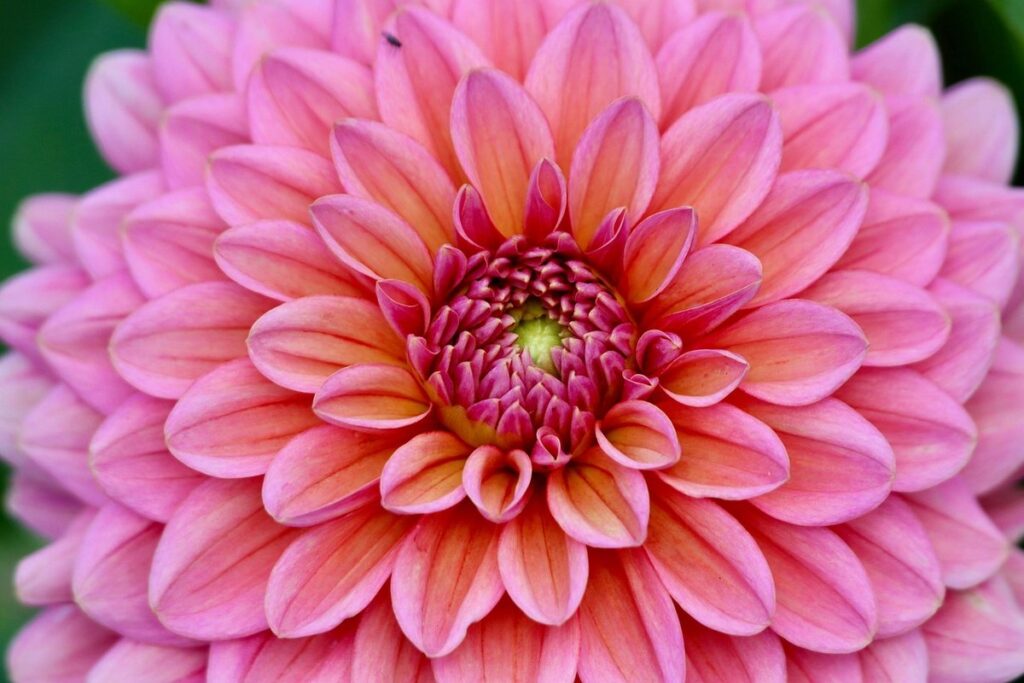
Understanding Dahlias and Their Life Cycle
To truly understand whether dahlias are perennials, it’s essential to grasp their growth cycle, which can be quite different from other flowering plants. Let’s dive into how dahlias grow and thrive.
What are Dahlias?
Dahlias are a type of flowering plant that belongs to the Asteraceae family. They originated in Central and South America, where they can be found growing in the wild in tropical and subtropical regions. In fact, the name “dahlia” comes from Anders Dahl, an 18th-century Swedish botanist who first described the plant.
As a member of the daisy family, dahlias are closely related to other popular flowers like sunflowers, zinnias, and chrysanthemums. They come in a wide range of varieties, with over 40 different species and countless hybrids. Some common types of dahlias include dinnerplate dahlias, cactus dahlias, and pompon dahlias.
Whether you’re a seasoned gardener or just starting out, dahlias are a great choice for adding some color and drama to your garden. They come in an incredible range of colors, including vibrant pinks, purples, whites, and even bi-colored blooms. With proper care and attention, dahlias can thrive in your garden year after year, making them a popular choice among perennial enthusiasts.
Dahlia Life Cycle: Annual or Perennial?
Dahlias are often misunderstood when it comes to their life cycle. While some gardeners assume they’re annuals, others believe them to be perennials. The truth lies somewhere in between. In regions with frost-free winters, dahlias can indeed thrive as perennials. However, in areas where temperatures drop below 32°F (0°C), dahlias typically behave like annuals.
To understand why this is the case, let’s break down their growth cycle. Dahlias grow from tubers, which are dormant during winter. In regions with mild winters, these tubers can remain in the ground, allowing the plant to regrow and bloom again the following year. This process is repeated annually, making dahlias a true perennial in frost-free zones.
In contrast, where winters are harsh, dahlias are usually treated as annuals. The tubers need to be dug up before the first frost and stored indoors until spring, when they can be replanted outside. By understanding your local climate and adapting your care routine accordingly, you can enjoy the beauty of dahlias year after year – whether they’re technically annuals or perennials.
Characteristics of Dahlia Perennials
One key factor in determining whether dahlias are perennials is understanding their growth habits and characteristics, including how they store energy for winter. Let’s explore these traits up close.
Hardiness Zones for Dahlia Perennials
Dahlias can thrive as perennials in various hardiness zones across North America. Their ability to come back year after year is contingent on the zone you’re growing them in and proper care. For example, if you live in USDA Hardiness Zone 4-5, you can enjoy dahlias as perennials by dividing and replanting the tubers every spring.
In warmer zones like 7-10, the process becomes even more straightforward. Here, it’s common for dahlia tubers to survive winter without any intervention, but division in the spring ensures robust growth and bloom. To take full advantage of their perennial nature, ensure that you’re planting them in a location with well-draining soil, as this helps prevent rot.
When selecting varieties for your specific zone, look for ones bred specifically for cold hardiness or those known to perform well in containers. Even within the same variety, growth can vary depending on conditions. Monitor your dahlias closely, and be prepared to lift and store tubers during harsh winters if necessary to protect them from frost damage.
Winter Care and Protection for Dahlia Tubers
As we’ve established that dahlias are technically perennials, it’s essential to provide them with proper winter care and protection to ensure their tubers survive the cold months and regrow in spring. To do this, you’ll need to lift and store the dahlia tubers before the first frost.
Dig up the tubers carefully, making sure not to damage any of the delicate roots or stems. Gently brush off excess soil and let them air dry for a few hours to prevent rotting. Then, trim back the foliage to about an inch from the crown, and wrap each tuber in a sheet of newspaper or paper bag to protect it from moisture.
Store the wrapped tubers in a cool, dark place like a garage or basement, where they’ll remain between 40°F to 50°F (4°C to 10°C). Check on them periodically to ensure they’re not drying out. In the spring, once the threat of frost has passed, replant the tubers and provide them with plenty of water and sunlight for optimal growth. By following these simple steps, you’ll be able to enjoy your dahlia blooms year after year.
Key Factors Influencing Dahlia Perennial Status
When it comes to whether dahlias are perennials, several key factors come into play that determine their survival and hardiness from one growing season to the next. Let’s examine these influential elements together.
Climate and Weather Conditions
Climate and weather conditions play a significant role in determining whether dahlias can thrive as perennials. Temperature fluctuations are particularly crucial, as dahlias typically require a period of cold winter temperatures to induce dormancy and promote root growth. In regions with mild winters, such as Southern California or the Mediterranean, dahlias often behave more like annuals, producing new growth throughout the year.
Conversely, areas with harsh winters can cause dahlias to become more perennial. For instance, in zones 4-5, dahlias will die back during winter but regrow from their underground tubers come spring. However, this process requires careful protection and mulching to ensure the tubers remain viable.
Precipitation patterns also influence a dahlia’s perennial status. Dahlias require consistent moisture levels, especially during the growing season. In areas with low rainfall or irregular precipitation, dahlias may not have time to establish a strong root system, leading them to behave more like annuals.
To encourage your dahlias to become perennials, choose varieties suitable for your region’s climate and provide optimal care, including protection from extreme temperatures and sufficient moisture levels.
Soil Quality and Type
When it comes to growing dahlias, soil quality and type play a significant role in their perennial status. A dahlia’s growth cycle can be affected by the soil’s pH level, nutrient content, and drainage. For instance, if your soil is too alkaline or acidic, it may impact the dahlia’s ability to thrive. Similarly, poorly draining soil can lead to root rot, which can cause the plant to die back completely.
In general, dahlias prefer well-draining, fertile soil with a pH between 6.0 and 7.0. If your native soil doesn’t meet these conditions, consider amending it with organic matter like compost or well-rotted manure. This will not only improve drainage but also provide essential nutrients for healthy growth.
When choosing a planting location, look for areas with full sun and good air circulation to promote healthy growth and prevent fungal diseases. Additionally, avoid sites prone to waterlogging, as this can exacerbate root rot issues. By selecting the right soil type and quality, you can give your dahlias the best chance of becoming perennials in your garden.
Growing Dahlias as Perennials: Best Practices
To grow dahlias as perennials, you’ll want to focus on choosing healthy tubers and following a few key steps for successful replanting each spring. Let’s dive into those best practices together!
Planting Dahlia Tubers in the Right Spot
When planting dahlia tubers for perennial growth, choosing the right location is crucial. Dahlias prefer well-draining soil and full sun to partial shade, so select a spot that receives at least 6 hours of direct sunlight per day.
To ensure optimal growth, plant dahlias in areas with good air circulation. This helps prevent fungal diseases like powdery mildew, which thrive in humid conditions. Avoid planting near other plants that may compete for resources or cause disease, such as those in the Solanaceae family (e.g., tomatoes, peppers).
In terms of water requirements, dahlias need consistent moisture, especially when they’re producing flowers. Water them deeply once a week, but avoid overwatering, which can lead to rot and other issues. If you live in an area with heavy rainfall or irrigation systems, make sure the soil drains well to prevent waterlogged conditions.
Keep in mind that dahlia tubers are sensitive to frost, so plant them in a location where they won’t be exposed to freezing temperatures. In areas with harsh winters, consider lifting and storing the tubers during the dormant season to ensure their survival.
Aftercare and Maintenance for Healthy Perennial Growth
When dahlias are properly cared for and maintained, they can come back year after year, providing beautiful blooms and a lush display of foliage. To encourage this type of perennial growth, it’s essential to provide your dahlia plants with the right conditions during the off-season.
After the first frost, cut back any remaining stalks to within an inch or two of the ground level. This will help prevent disease and pests from taking hold over winter. Next, mulch around the base of the plant, about 6-8 inches deep, to insulate the tuberous roots and keep them from freezing.
In early spring, when new growth begins to emerge, remove any dead or damaged stems and foliage. This will help direct energy towards producing healthy blooms and prevent the spread of disease. Fertilize your dahlias lightly at this time, using a balanced fertilizer that’s low in nitrogen, as they’re establishing themselves for the growing season.
By following these simple aftercare and maintenance techniques, you’ll be able to enjoy your dahlia plants year after year, with minimal effort required.
Common Challenges Faced by Dahlia Growers
As you plant and nurture your dahlias, you may encounter some common challenges that can make growing these beautiful flowers a bit more difficult than expected. Let’s explore what these obstacles are.
Pest and Disease Management
As a dahlia grower, you’re likely no stranger to the challenges of pest and disease management. Dahlias are susceptible to a range of common pests and diseases that can cause significant damage if left unchecked.
Aphids, whiteflies, and spider mites are all potential problems for dahlia growers. These pests feed on plant sap, causing curled or distorted leaves, stunted growth, and reduced flower production. To manage these pests organically, try introducing beneficial insects like ladybugs or lacewings to your garden. You can also use neem oil or insecticidal soap as a contact kill.
Fungal diseases like powdery mildew and botrytis are also common issues for dahlias. These diseases thrive in warm, humid conditions and can be spread through contaminated tools or water. To prevent fungal diseases, make sure to provide good air circulation around your plants and avoid overhead watering. If you do encounter a fungal issue, treat it with a fungicide like copper-based products or sulfur.
Incorporating integrated pest management (IPM) strategies into your dahlia growing routine can help minimize the use of chemical pesticides and reduce the risk of disease. Regularly inspect your plants for signs of pests or diseases, and take action promptly to prevent infestations from spreading. By adopting a proactive approach to pest and disease management, you’ll be better equipped to enjoy healthy, thriving dahlias that bring joy to your garden year after year.
Overwintering Dahlia Tubers: Tips and Tricks
Overwintering Dahlia Tubers requires careful planning and execution to ensure they survive the harsh winter months. As we’ve established that dahlias can be perennials if properly cared for, it’s essential to preserve the tubers over winter.
Before doing so, allow the foliage to die back naturally, which may take several weeks. This will help prevent rot from developing in the tuber. Once the stems are brown and crispy, cut them off at soil level using a sharp knife or pruning tool. Leave the remaining foliage intact, as it will continue to decay over time.
Dig up the tubers when the top growth has died back, usually around late October or early November. Gently brush away excess soil, then inspect each tuber for signs of damage or rot. Healthy tubers should feel firm and free from soft spots. Cut any damaged areas with a sharp knife to prevent infection. After drying the tubers in a warm, dry place for 2-3 weeks, store them in a ventilated container filled with peat moss or sand in a cool, dark location (around 40°F).
Conclusion: Are Dahlias Really Perennials?
So, let’s get to the bottom of whether dahlias are truly perennials or not. We’ve discussed their unique growth habits and behaviors, and it’s clear that they don’t fit neatly into either category. While dahlia tubers can be stored over winter and replanted in the spring, this process is often considered a form of propagating new plants rather than allowing the original plant to come back year after year like true perennials do.
In practice, what does this mean for you as a gardener? It’s essential to treat dahlias more like tender perennials or even annuals, especially in areas with harsh winters. By taking steps to protect and maintain their tubers, you can coax them back into bloom season after season. This approach may require more effort than other types of perennials, but it can be incredibly rewarding for dahlia enthusiasts.
Frequently Asked Questions
Can I grow dahlias as perennials if I live in a colder climate?
Yes, you can still grow dahlias as perennials even in colder climates by choosing varieties that are hardy down to your local frost date. Research the specific hardiness zone for your area and select dahlia varieties accordingly.
How do I know when to cut back my dahlia stems after they finish blooming?
Cut back your dahlia stems about 3-4 inches from the ground once the flowers have faded. This will encourage new growth and promote next year’s blooms. Be sure to remove any dead or damaged foliage to prevent disease.
What are some common challenges faced by dahlia growers, and how can I overcome them?
Common issues include pests like aphids and slugs, as well as diseases such as powdery mildew and botrytis. Use physical barriers, neem oil, or other organic pest control methods to manage infestations. Remove infected foliage, improve air circulation, and provide adequate spacing between plants to prevent disease.
Can I divide and replant dahlia tubers in the spring, or should I wait until fall?
It’s generally best to dig up and divide dahlia tubers in the fall after the first frost, when the tops have died back. This allows you to inspect and separate the tubers before storing them over winter. However, if you must divide them in the spring, be sure to do so when the soil is workable and the plants are actively growing.
How long does it take for dahlia tubers to regrow after being stored over winter?
Dahlia tubers typically take 4-6 weeks to regenerate and produce new growth once planted out in the spring. Keep them cool, dry, and protected from frost until then. Make sure the soil is well-draining and provide a sunny location with adequate moisture for optimal regrowth.