
Are you considering adding some beautiful arborvitae trees to your landscape? One crucial aspect to get right is their spacing. Believe it or not, planting arborvitae too close together can lead to overcrowding, which can be detrimental to these stunning evergreens’ growth and health.
If you’re new to gardening or just looking for a refresher on caring for your existing arborvitaes, this article has got you covered. We’ll delve into the ins and outs of spacing arborvitae trees correctly, including how far apart to plant them, factors that influence their growth habits, and expert tips for keeping them thriving through proper care and pruning strategies.
In our comprehensive guide, we’ll cover everything from basic planting techniques to advanced pruning methods to help you grow healthy, beautiful arborvitaes in your yard. By the end of this article, you’ll be well-equipped with the knowledge needed to create a stunning landscape with these versatile trees at its center.
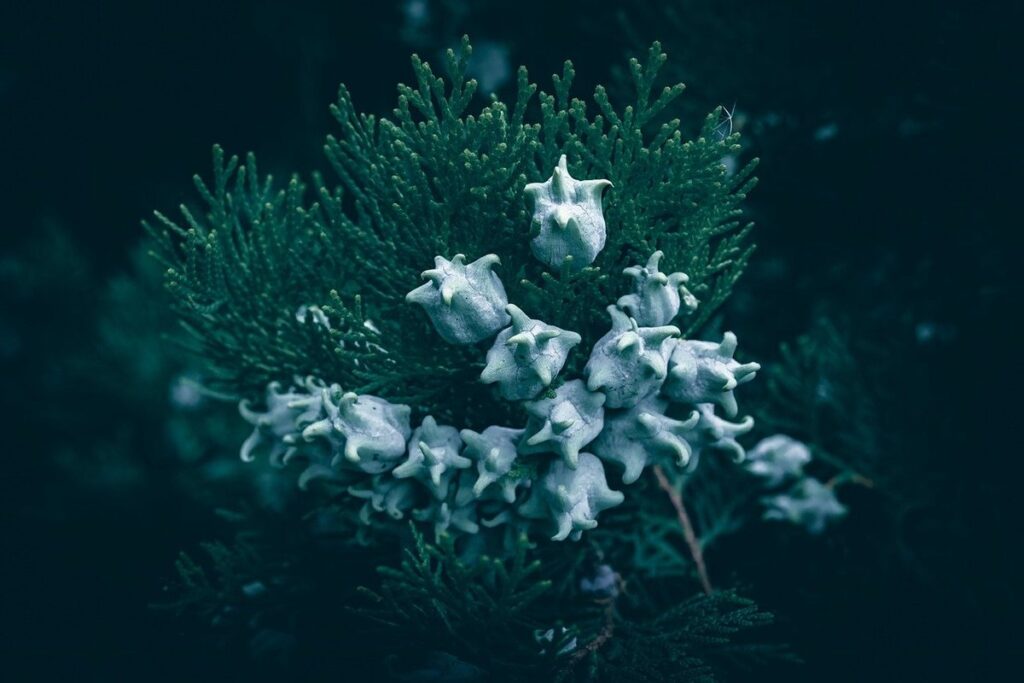
Understanding Arborvitae Plants
Before we dive into specific spacing guidelines, let’s take a closer look at what makes arborvitae plants unique and adaptable to different environments. Their hardiness is due in part to their native regions.
Characteristics of Arborvitae Trees
Arborvitae trees are known for their versatility and adaptability to various environments. When it comes to growth habits, these evergreen conifers can thrive as either shrubs or small trees. They can grow up to 15-20 feet tall and maintain a narrow shape, making them an excellent choice for hedges or screens.
In terms of shape, arborvitae trees have dense foliage that provides year-round coverage. Their scale-like leaves are arranged in opposite pairs on the branches, creating a visually appealing effect. The compact growth habit also makes them suitable for smaller spaces and containers.
As for sizes, there is a wide range of arborvitae varieties available, each with its unique characteristics. Some popular options include ‘Green Giant’ (up to 30 feet tall), ‘Compacta’ (6-8 feet tall), and ‘Nigra’ (10-15 feet tall). Understanding the growth habits, shapes, and sizes of arborvitae trees is crucial in determining the right spacing for your garden. By choosing a variety that fits your needs, you can create a beautiful and well-maintained landscape with proper plant placement.
Benefits of Planting Arborvitae
Planting arborvitae can bring numerous benefits to your outdoor space and environment. One of the primary advantages is that it provides year-round greenery, adding a pop of color and texture to your landscape even during the winter months when other plants are dormant. This makes arborvitae an excellent choice for homeowners who want to maintain their yard’s aesthetic appeal throughout the seasons.
Another benefit of planting arborvitae is its ability to create natural barriers. These evergreen trees can be used to block unsightly views, provide a sense of seclusion, or even serve as a windbreak. For example, you could plant arborvitae along your property line to conceal neighboring homes or yards.
In addition to their practical uses, arborvitae plants also offer wildlife habitats. Their dense foliage provides shelter and food for various birds, insects, and small mammals. By planting arborvitae in your yard, you’re creating a haven for local wildlife, which can be especially beneficial for urban areas where natural habitats are scarce.
When planning your arborvitae spacing, keep in mind the mature size of these trees to ensure they don’t overcrowd or compete with other plants in your landscape. Proper spacing will also allow for adequate air circulation and sunlight penetration, promoting healthy growth and minimizing disease susceptibility.
Choosing the Right Arborvitae Variety
When selecting arborvitae for your landscape, it’s essential to choose a variety that suits your climate and desired growth habits. This will ensure you get the most out of your trees.
Factors Influencing Arborvitae Selection
When selecting an arborvitae variety, several key factors come into play to ensure it thrives in its new home. One of the primary considerations is climate. Arborvitae can tolerate a range of temperatures but are generally hardy in USDA zones 3-8. If you live in a region with extreme cold or heat, look for varieties specifically bred for your zone, such as ‘Nigra’ for colder climates or ‘Green Giant’ for warmer areas.
Soil type is another crucial factor to consider. Arborvitae prefer well-draining soil and can tolerate a range of pH levels but tend to thrive in slightly acidic to neutral conditions (pH 6-7). If your yard’s soil is heavy clay or sandy, choose a variety with improved drought tolerance like ‘Compacta’.
Sunlight requirements also play a significant role. While most arborvitae varieties prefer full sun to partial shade, some cultivars like ‘Emerald Green’ can tolerate more shade. Consider the amount of direct sunlight your yard receives and select a variety accordingly.
Lastly, desired growth rate is an essential factor. Arborvitae are generally slow-growing plants but certain varieties like ‘Green Giant’ can grow up to 3-5 feet per year. If you want a faster-growing option for instant screening or hedges, look for these high-performance varieties.
Popular Types of Arborvitae Trees
When it comes to choosing the right arborvitae tree for your landscape, understanding the unique characteristics of popular varieties is crucial. Let’s take a closer look at three well-known types: ‘Nigra’, ‘Green Giant’, and ‘Thunderhead’.
The ‘Nigra’ arborvitae boasts a narrow, columnar shape and dark green foliage that provides year-round interest. This variety grows relatively slowly, making it an excellent choice for smaller spaces or where you want to maintain a tidy appearance. With proper care, the ‘Nigra’ can reach up to 10 feet tall in ideal growing conditions.
The ‘Green Giant’ arborvitae, as its name suggests, is one of the fastest-growing varieties. It can reach up to 5-6 feet per year and grow up to 20-30 feet tall at maturity. This variety prefers well-drained soil and full sun but can tolerate some shade.
Last but not least, the ‘Thunderhead’ arborvitae offers a compact growth habit and vibrant yellow foliage in winter, adding visual interest to your landscape during the colder months. It grows relatively slowly, making it an ideal choice for small gardens or containers. When selecting any of these varieties, consider factors such as mature size, soil type, and sun exposure to ensure optimal growth.
Determining Optimal Spacing
When it comes to planting arborvitae, getting the spacing just right is crucial. In this section, we’ll walk you through the key factors to consider for optimal growth and health.
Calculating Arborvitae Spacing Based on Growth Rate
Calculating arborvitae spacing based on growth rate is crucial for maintaining a healthy and visually appealing landscape. To start, measure the current diameter of your arborvitae tree using a measuring tape or a caliper. Record this measurement to use as a reference point.
Next, research the average annual growth rate of arborvitae trees in your region. This information can usually be found on online plant databases or by consulting with local nurseries and gardening experts. Based on your findings, determine the expected mature diameter of your tree.
To calculate optimal planting distances, multiply the expected mature diameter by a factor of 3-4 for larger specimens (over 6 feet) and 2-3 for smaller ones. For example, if you expect your arborvitae to grow up to 10 feet in diameter, and it’s currently 3 feet in diameter, calculate a planting distance of around 30-40 feet between trees.
Keep in mind that this is just an estimate, and actual growth rates may vary depending on factors like climate, soil quality, and maintenance. Regular pruning and monitoring can help you adjust your spacing as needed to ensure a balanced landscape appearance.
Considerations for Small and Large Spaces
When it comes to arborvitae spacing, the size of your landscape is an important consideration. Whether you’re working with a small, urban yard or a sprawling estate, you’ll want to choose a spacing strategy that complements your space and creates a cohesive look.
For small spaces, consider using compact or dwarf varieties of arborvitae that are naturally more compact and require less space to grow. These trees can be planted as close as 3-4 feet apart, making them ideal for tight areas like corners or against fences. For example, the ‘Compacta’ variety grows to only 2-3 feet tall and wide, making it perfect for small gardens.
On the other hand, large spaces provide more flexibility when it comes to arborvitae spacing. Here, you can create a stunning landscape feature by planting multiple trees in a staggered or triangular pattern. This not only adds visual interest but also creates a sense of depth and texture. For instance, plant three trees 8-10 feet apart, with the center tree slightly taller than the others to create a sense of balance.
In both cases, be sure to leave enough space for growth and maintenance. Arborvitae can live up to 20 years or more in ideal conditions, so plan accordingly!
Planting Arborvitae Trees
To plant arborvitae trees effectively, you’ll want to choose a location with full sun and well-draining soil, and consider factors like tree size and maturity when deciding on their placement.
Preparing the Soil for Arborvitae Planting
Before planting an arborvitae tree, it’s essential to prepare the soil properly. This involves testing the pH levels and adjusting them if necessary. A pH level that is too high or too low can affect the tree’s ability to absorb nutrients, leading to poor growth and increased susceptibility to disease.
Start by collecting a soil sample from your yard and sending it to a laboratory for analysis. You can also purchase a DIY kit to test the pH levels yourself. Based on the results, you may need to add lime or sulfur to adjust the pH levels. For arborvitae trees, an ideal pH range is between 6.0 and 7.0.
If your soil’s pH level is too low (acidic), you’ll need to add lime to raise it. Conversely, if it’s too high (alkaline), sulfur will be needed to lower it. Be cautious not to over-adjust the pH levels, as this can harm the tree. A general rule of thumb is to make small adjustments and retest the soil before making further changes.
When selecting products for adjusting pH levels, opt for those specifically formulated for gardening use. These products are designed to be gentle on trees and will help maintain a balanced soil ecosystem.
Watering and Mulching Techniques
When planting arborvitae trees, it’s essential to prioritize proper watering and mulching techniques to ensure their healthy establishment. Newly planted arborvitae trees need consistent moisture, especially during the first year after planting.
Watering is critical, but overwatering can be detrimental to young trees. Aim to provide about 1 inch of water per week, either through rainfall or irrigation. You can check the soil moisture by inserting your finger into the soil up to the knuckle. If the soil feels dry, it’s time to water.
Mulching is another crucial step in promoting healthy tree growth. Apply a 2-3 inch layer of organic mulch around the base of the trees, keeping it a few inches away from the trunk. This will help retain moisture, suppress weeds, and regulate soil temperature. Use natural materials like wood chips, bark, or pine straw to create a balanced ecosystem.
Regular watering and mulching schedules can also be established based on weather conditions and local climate. For example, during dry spells, increase watering frequency, while in wet seasons, reduce it. By following these simple yet effective techniques, you’ll set your newly planted arborvitae trees up for success and healthy growth.
Caring for Mature Arborvitae
As your arborvitae plants mature, regular care is essential to maintain their health and appearance, including pruning and mulching techniques. Proper maintenance will also help ensure they continue to thrive in your landscape for years to come.
Pruning Strategies for Arborvitae Trees
Pruning your mature arborvitae tree is essential to maintain its shape and size. Regular pruning not only helps control its growth but also keeps it looking healthy and full. However, the timing of pruning can make a significant difference.
For young arborvitae trees (typically up to 5 years old), prune in late winter or early spring before new growth begins. This is ideal for establishing a strong branch structure and promoting even growth. For established arborvitae trees, prune during different seasons based on your goals:
* Remove dead, diseased, or damaged branches year-round to prevent further damage.
* Prune in the fall to control size and promote new growth before winter dormancy.
* Prune lightly in late winter or early spring for general shaping and maintenance.
When pruning, remove no more than one-third of the tree’s foliage at a time. This allows the tree to recover without stress. Make clean cuts using sharp tools, cutting just above a bud or a lateral branch.
Pest and Disease Management
Pests and diseases can significantly impact the health and appearance of mature arborvitae trees. It’s essential to be aware of the common threats and know how to manage them effectively. One of the most prevalent pests affecting arborvitae is the bagworm, which feeds on foliage and can cause significant defoliation. Regularly inspect your tree during peak bagworm season (July-September) and remove any visible signs of infestation.
Other common pests include spider mites, aphids, and scales, which can be managed using insecticidal soap or horticultural oil. As for diseases, arborvitae are susceptible to root rot caused by Phytophthora cinnamomi, which thrives in moist environments. To prevent this, ensure proper drainage around your tree and avoid overwatering.
Regular pruning of lower branches can also help reduce moisture accumulation and minimize the risk of disease. Maintaining a balanced fertilization schedule and ensuring adequate soil pH can further promote overall health and resilience to pests and diseases.
Troubleshooting Common Issues
So you’ve planted your arborvitae and are experiencing some issues – don’t worry, we’ve got solutions for common problems that can arise from poor spacing or care.
Identifying Arborvitae Growth Problems
As you nurture your arborvitae trees, it’s essential to monitor their growth and identify potential problems early on. One common issue is nutrient deficiencies, which can manifest in various ways. Look for yellowing or pale needles, particularly if they’re accompanied by a reduction in foliage density. This could indicate a lack of nitrogen, iron, or magnesium.
Water stress is another problem that may arise, especially during periods of drought or extreme weather conditions. Check the soil moisture by inserting your finger into the soil up to the knuckle; if it feels dry, it’s time to water. Keep in mind that overwatering can be just as detrimental as underwatering, so ensure you’re not drowning your arborvitae.
Other signs of growth problems include twisted or deformed branches, which may indicate a pest or disease issue. Regularly inspect your trees for any unusual growth patterns or discoloration. By recognizing these warning signs and addressing them promptly, you can take corrective action to promote healthy growth and prevent more severe problems from developing.
Resolving Arborvitae Space-Related Issues
When arborvitae trees are overcrowded or unevenly spaced, it can lead to a range of problems that compromise their health and aesthetic appeal. Overcrowding can cause reduced air circulation, making the plants more susceptible to diseases like root rot and fungal infections. This issue often arises when multiple arborvitae shrubs are planted too close together, creating a dense canopy.
To address overcrowding, prune your arborvitae trees by thinning out the smaller branches and shrubs. Start by identifying the most prominent or healthy-looking plants, and remove any weak or spindly growth around them. This will allow more light to reach each plant’s leaves and promote better air circulation.
Pruning also helps control uneven growth patterns that can arise from poorly spaced arborvitae trees. Regular pruning encourages a balanced shape, preventing the shrubs from becoming leggy or top-heavy. By thinning out the plants and promoting healthy growth, you’ll be able to maintain your arborvitae’s natural conical shape while also addressing overcrowding concerns.
Regular maintenance can also help you prevent overcrowding in the first place. Plan ahead when planting multiple arborvitae shrubs, leaving enough space for each plant to grow at least 2-3 feet away from its neighbors.
Frequently Asked Questions
How do I know if my arborvitae trees are overcrowded?
Overcrowding can lead to reduced air circulation, increased disease susceptibility, and stunted growth. Inspect your plants regularly and check for signs of overcrowding, such as branch breakage or dieback. If you’re unsure, consult with a gardening expert or measure the distance between the trees to determine if they need more space.
Can I plant arborvitae in areas with poor soil quality?
Arborvitaes are adaptable to various environments, but they still require well-draining soil and adequate nutrients for optimal growth. If you have poor soil quality, consider amending it before planting or choosing a variety that’s more tolerant of less-than-ideal conditions.
How often should I water newly planted arborvitae trees?
Watering newly planted arborvitae regularly is crucial during the first year after planting. Water them deeply once or twice a week, depending on weather conditions. Mulch around the base to retain moisture and reduce evaporation.
What are some common pests that target arborvitae trees?
Common pests that target arborvitae include bagworms, spider mites, and scale insects. Regularly inspect your plants for signs of infestation, such as discoloration or distorted growth. Use organic or chemical controls to manage pest populations.
Can I prune my arborvitae trees in the spring when they’re actively growing?
While it’s generally best to prune during the dormant season (winter or early spring), you can still prune your arborvitae in the spring if necessary. However, be cautious not to remove too much foliage at once, as this can cause stress to the tree.