
If you’re looking to create a sustainable and efficient way to grow your plants, you might be interested in learning about aquaponic systems that use fish tank water. This innovative method has gained popularity among gardeners and farmers due to its numerous benefits, including reduced water waste and increased plant growth. By harnessing the nutrients from fish tank water, you can create a thriving ecosystem where both fish and plants thrive.
In this article, we’ll delve into the world of aquaponics and explore how to set up and maintain a system that uses fish tank water for plants. We’ll cover the basics of creating an optimal environment for your plants to grow, as well as provide tips on optimizing plant growth and yield in these systems. Whether you’re a seasoned gardener or just starting out, this guide will walk you through the process of building and maintaining a successful aquaponic system that leverages fish tank water for maximum results.
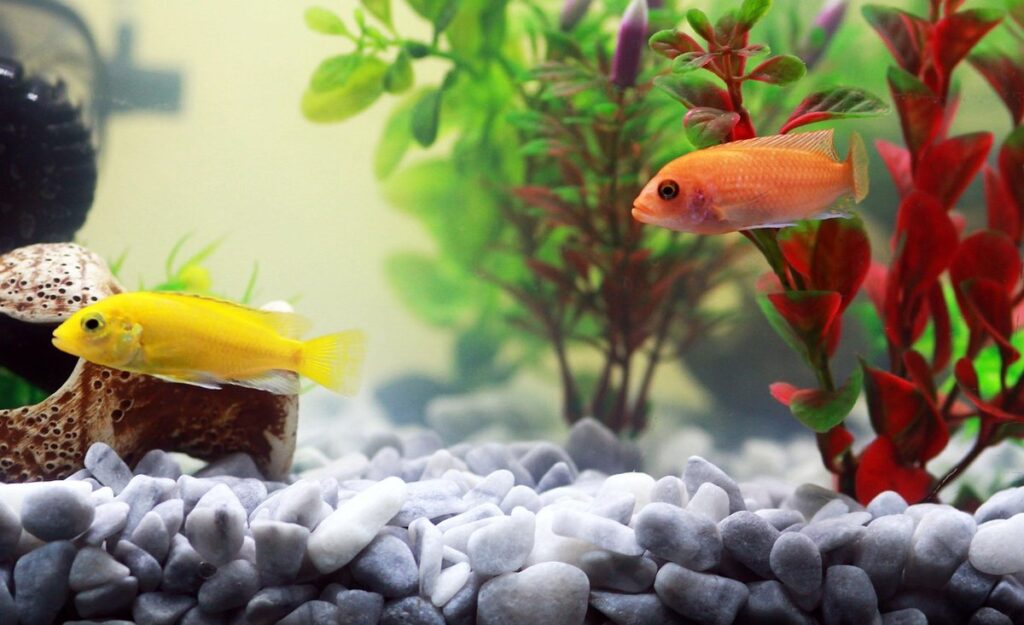
Introduction to Aquaponics
Welcome to the world of aquaponics, where fish and plants thrive together in a harmonious ecosystem. In this section, we’ll introduce you to the basics of this fascinating system.
What is Aquaponics?
Aquaponics is a cutting-edge farming practice that’s been gaining popularity worldwide. At its core, aquaponics is an ecosystem where fish and plants coexist in a mutually beneficial relationship. By harnessing the nutrients from fish tank water, you can grow a wide variety of plants without relying on synthetic fertilizers or pesticides.
In this system, fish waste serves as a natural fertilizer for the plants, while the plants help purify the water, creating a closed-loop ecosystem. This synergy is what makes aquaponics so efficient and sustainable. Not only do you get to enjoy fresh produce and healthy protein sources from your tank, but you also reduce waste and conserve water.
When done correctly, an aquaponic system can be incredibly productive. For example, one small tank can support up to 50 pounds of fish per year, while simultaneously producing a bounty of lettuce, herbs, or even strawberries. By incorporating aquaponics into your home or backyard, you’re not only creating a unique and fascinating garden, but also taking steps towards a more environmentally conscious lifestyle.
Benefits of Aquaponics
Adopting an aquaponic system offers numerous benefits that make it an attractive option for gardeners and farmers. One of the most significant advantages is water conservation. Aquaponics uses a recirculating system, where water from the fish tank is used to nurture plants, minimizing waste and reducing the need for external water sources.
This not only conserves water but also reduces the risk of water-borne diseases that can affect plant growth. With traditional gardening methods, it’s common to lose up to 50% of water due to evaporation and runoff. In contrast, aquaponics uses a closed-loop system where water is constantly cycled back into the tank, making every drop count.
Increased crop yields are another benefit of adopting an aquaponic system. By harnessing the nutrients from fish waste, plants can grow faster and healthier than those grown in soil-based systems. This leads to higher productivity and more frequent harvests, making aquaponics a great option for commercial growers looking to maximize their yield.
History of Aquaponics
Aquaponics has its roots in ancient civilizations where people recognized the potential of integrating fish and plant farming. One notable example is the Aztecs, who built large systems to cultivate crops like lettuce and other vegetables while keeping fish for food. The concept was also adopted by the Chinese during the Ming dynasty.
However, it wasn’t until the 1960s that modern aquaponics started taking shape. Dr. S.S. Snoeyenbos Jr., a professor at Cornell University, experimented with combining fish farming and hydroponics to create a closed-loop system. His work laid the foundation for further research and innovation in the field.
In the following decades, pioneers like Mark McMurtry, who wrote “The Encyclopedia of Aquaculture,” helped popularize aquaponics worldwide. Today, systems range from small backyard setups to large commercial farms, leveraging advanced technologies to optimize water circulation and nutrient management.
Setting Up Your Own Aquaponic System
Now that you’ve decided to take on the exciting project of building your very own aquaponics system, let’s get started with setting it up! This section will guide you through the initial setup process.
Choosing the Right Equipment
When it comes to setting up your own aquaponic system, choosing the right equipment is crucial for its success. The type and quality of tanks, pumps, and filtration systems you select will directly impact the health and productivity of your plants.
To begin with, consider the size and material of the tank. A good rule of thumb is to start small, around 20-30 gallons, to test the system before scaling up. Look for a tank made from durable, food-grade materials like HDPE or glass, which are resistant to corrosion and can withstand temperature fluctuations.
Next, choose a pump that’s capable of circulating water efficiently without wasting energy. A submersible pump is often the best option, as it’s quiet, compact, and doesn’t require additional space. When selecting a filtration system, opt for one that incorporates biological, mechanical, and chemical components to maintain optimal water quality.
In addition to these key components, consider investing in other essential equipment like aerators, heaters, and monitoring devices to ensure your system runs smoothly and efficiently. Remember to research and compare different products before making a purchase, as this will help you make an informed decision that suits your specific needs and budget.
Water Quality Management
Maintaining optimal water quality is crucial to the success of your aquaponic system. As you set up your own system using fish tank water for plants, it’s essential to understand the importance of monitoring and managing various parameters.
Start by testing your water regularly using a kit specifically designed for aquaponics. This will help you identify any issues before they become major problems. Key parameters to monitor include pH levels, ammonia, nitrite, and nitrate levels. Aim for a pH range between 6.5 and 7.5, as this is suitable for both fish and plants.
To maintain optimal water circulation, ensure that your system includes a reliable pump and adequate plumbing. This will help prevent dead spots where water stagnates, allowing beneficial bacteria to thrive. Regularly inspect your pipes and clean them if necessary to prevent clogs. By monitoring these parameters and maintaining good water circulation, you’ll be able to create a balanced environment for both your fish and plants to thrive.
Plant Selection and Placement
When selecting plants for your aquaponic system, consider their specific needs and growth requirements. Different plant species have varying demands for nutrients, water pH, and temperature. For instance, leafy greens like lettuce and kale prefer cooler temperatures (around 65-75°F) and slightly acidic to neutral water pH (6.0-7.5). On the other hand, herbs like basil and mint thrive in warmer temperatures (above 70°F) with a more alkaline water pH (7.5-8.0).
When placing plants in your system, it’s essential to arrange them according to their growth stages. Young seedlings typically require direct sunlight, while mature plants benefit from shaded areas to prevent overwatering and nutrient leaching. Aim for a balance between plant density and water circulation to maintain optimal growing conditions. For example, place vining plants like tomatoes or cucumbers near the top of the system to maximize space and promote healthy root growth.
When selecting and placing plants, it’s also crucial to consider their mature size to avoid overcrowding. This will prevent competition for resources and ensure proper water circulation.
Understanding the Nitrogen Cycle
As you navigate the world of aquaponics, understanding how fish tank water is converted into nutrient-rich fertilizer for your plants is key to a thriving system. Let’s break down the nitrogen cycle and its importance in this process.
The Role of Bacteria in Aquaponics
Beneficial bacteria play a crucial role in the nitrogen cycle of aquaponics. These microorganisms convert ammonia, produced by fish waste, into nitrite and subsequently into nitrate, which is safe for plants to absorb. The process begins with Nitrosomonas bacteria, which oxidize ammonia (NH3) to nitrite (NO2-). This intermediate compound is then converted into nitrate (NO3-) by Nitrobacter bacteria.
This nitrogen cycle process is essential in maintaining a healthy balance between fish and plant life in the aquaponic system. If left unchecked, high levels of ammonia can be toxic to both fish and plants, leading to reduced growth rates or even death. Regular monitoring of water parameters, including pH and ammonia levels, allows for adjustments to be made, ensuring the beneficial bacteria thrive.
In an ideal setup, a biofilter is provided to create an optimal environment for these microorganisms to flourish. This can include using ceramic rings, bio media, or other types of substrates designed specifically for bacterial growth.
Maintaining a Healthy Nitrogen Balance
Maintaining a healthy nitrogen balance is crucial in an aquaponics system, as it directly affects plant growth and fish health. To achieve this balance, regular monitoring of water parameters is essential. Test for ammonia, nitrite, and nitrate levels, as well as pH and alkalinity, to ensure they fall within the optimal range.
Adjusting feeding schedules can also make a significant impact on nitrogen balance. Overfeeding can lead to excessive waste production, while underfeeding may not provide enough nutrients for plant growth. Start by monitoring fish waste output and adjust feed amounts accordingly. A general rule of thumb is to feed your fish 2-3% of their body weight per day.
Additionally, consider implementing a “fish in” strategy, where you add fish as the system matures, allowing the beneficial bacteria to establish themselves first. This approach helps prevent ammonia spikes and promotes a more stable nitrogen balance. By closely monitoring water parameters and adjusting feeding schedules, you can maintain a healthy nitrogen balance and ensure a thriving aquaponics system.
Managing Algae Growth
Managing algae growth is a crucial aspect of maintaining a healthy aquaponics system. Algae can quickly take over if not monitored and controlled, causing issues with water quality and plant health. An imbalance in nutrient levels or pH can lead to excessive algae growth. To prevent this, it’s essential to maintain optimal nitrogen levels through regular water changes, waste management, and monitoring of fish population.
For example, an excess of nitrate in the system can trigger rapid algae growth. This is where water testing comes into play – regularly checking nitrate levels will help you catch any potential issues early on. Additionally, implementing a beneficial bacteria blend specifically designed for aquaponics systems can aid in breaking down ammonia and reducing nitrogen overload.
Some practical tips to prevent excessive algae growth include introducing floating plants like duckweed or water wisteria, which naturally absorb excess nutrients. You can also increase the circulation of water within the system by upgrading your pump or adjusting the aeration levels. Regular pruning and harvesting will further promote balanced growth while minimizing waste buildup, helping you maintain an optimal environment for both your fish and plants to thrive.
Maximizing Plant Growth and Yield
To get the most out of your aquaponics system, let’s dive into maximizing plant growth and yield by optimizing water parameters and providing the right environment for your plants to thrive.
Optimal Water Parameters for Plants
When it comes to providing optimal water parameters for plant growth within an aquaponics system, there are three key factors to consider: temperature, pH, and nutrient levels.
Temperature plays a crucial role in plant growth. Most plants thrive in temperatures between 68°F (20°C) and 85°F (30°C), with some variations depending on the specific species. For example, lettuce prefers cooler temperatures around 60-65°F (15-18°C), while tomatoes require warmer temperatures above 70°F (21°C). To achieve optimal temperature control, it’s essential to monitor the system regularly and adjust as needed.
pH levels also significantly impact plant growth, with most plants requiring a pH range between 6.0 and 7.5. A stable pH balance is critical, as sudden fluctuations can harm or even kill your plants. Regular water testing will help you identify any issues and make necessary adjustments to maintain an optimal pH level.
In terms of nutrient levels, aquaponics systems rely on the waste produced by fish to provide essential nutrients for plant growth. However, if not properly managed, these nutrient levels can become too high or low, leading to reduced plant yields. To avoid this issue, it’s vital to monitor and adjust the system regularly to ensure a balanced nutrient supply.
By maintaining optimal water parameters – temperature, pH, and nutrient levels – you’ll be well on your way to creating an ideal environment for plant growth within your aquaponics system.
Nutrient Management Strategies
In an aquaponic system using fish tank water for plants, nutrient management is crucial to ensure optimal plant growth and health. This involves supplementing with fertilizers when necessary and monitoring the plant’s response to changes in nutrient levels.
One of the key aspects of nutrient management is understanding that fish waste is a significant source of nutrients for the plants. However, the concentration of these nutrients can fluctuate depending on factors such as water circulation, temperature, and fish stock density. To maintain optimal nutrient levels, it’s essential to monitor the system regularly and adjust fertilization accordingly.
Fertilizers can be added to supplement nutrient deficiencies, but over-fertilization should be avoided, as this can lead to water quality issues and negatively impact plant growth. A balanced fertilizer with a suitable NPK ratio (nitrogen-phosphorus-potassium) should be used, and application rates should be carefully considered based on the specific needs of the plants.
Monitoring plant response is also vital in adjusting nutrient levels. This includes observing changes in leaf color, growth rate, and overall health. By paying attention to these signs, you can fine-tune your fertilization strategy and ensure that your plants receive exactly what they need to thrive.
Monitoring and Adjusting the System
Monitoring system performance is crucial to maintaining a healthy and thriving aquaponics system. Regular checks on water parameters such as pH, ammonia, nitrite, and nitrate levels will help identify potential issues before they become major problems. Use a comprehensive testing kit to take readings from multiple points in the system.
Identify any fluctuations or trends that could impact plant growth and adjust settings accordingly. For example, if nitrite levels are high, it may be necessary to increase the frequency of water changes or add beneficial bacteria to aid in the nitrogen cycle. Similarly, if pH levels drop too low, it’s a good idea to increase the alkalinity with a water conditioner.
Keep an eye on plant growth as well, monitoring for signs of nutrient deficiencies or overfeeding. Adjust your feeding schedule and fertilizer application based on observed results. By regularly checking and adjusting system settings, you’ll be able to maintain optimal conditions for both your fish and plants.
Troubleshooting Common Issues
So, you’ve set up your aquaponics system and are ready to reap the benefits, but something’s not quite right? Let’s tackle some of the common issues that might be causing problems.
Identifying and Addressing Problems
As you embark on the journey of setting up and maintaining an aquaponic system, it’s essential to be aware of common issues that can arise. These problems can be broadly categorized into three main areas: water quality problems, equipment failures, and pest infestations.
Water quality is a critical aspect of any aquaponics system. Poor water quality can lead to health issues in both fish and plants. Some common signs of water quality problems include discolored or cloudy water, excessive algae growth, and decreased oxygen levels. To address these issues, regularly test the water pH, ammonia, nitrite, and nitrate levels. Perform partial water changes (about 10-20% every week) to maintain optimal water chemistry.
Equipment failures can also disrupt the delicate balance of your system. Regularly inspect pipes for blockages or leaks, check pumps for proper function, and ensure that aeration systems are working correctly. For instance, if your biofilter fails, it may lead to an ammonia buildup, harming both fish and plants. In this case, replace the filter immediately.
Pest infestations can also be detrimental to your system’s health. Regularly inspect your plants for signs of pests like aphids, whiteflies, or spider mites. Use integrated pest management (IPM) techniques such as introducing beneficial insects, applying neem oil, and maintaining a clean environment.
Strategies for Preventing System Failures
Regular maintenance is key to preventing system failures in your aquaponics setup. This means checking and adjusting settings as needed, monitoring water quality, and performing routine tasks like cleaning the filters and siphoning off waste.
Start by setting up a schedule for regular checks on water temperature, pH levels, and ammonia/nitrite levels. Use a hydrometer to track water hardness and adjust the system accordingly. Keep an eye out for any changes in water color or clarity, as these can indicate issues with bacterial blooms or nutrient imbalances.
Adjusting settings as needed is crucial. If you notice changes in water parameters, make adjustments to the system’s inputs (e.g., feed rates) or outputs (e.g., water flow rates). Keep a log of your adjustments and track their effects on the system.
By staying vigilant and proactive, you can catch problems before they become major issues. Remember, prevention is key: it’s easier to maintain healthy water conditions than it is to recover from a failed system.
Conclusion and Future Developments
Now that you’ve learned the ins and outs of aquaponics, let’s wrap up what we’ve covered so far and explore where this innovative system can take us in the future.
Reflections on the Benefits of Aquaponics
As we conclude our exploration of aquaponics, it’s essential to reflect on its numerous benefits and potential to revolutionize food production. One of the most significant advantages is its water conservation abilities – by recirculating water from fish tanks to plants, aquaponic systems minimize water waste. In fact, studies have shown that aquaponics can use up to 90% less water compared to traditional farming methods.
Another benefit is the increased crop yields and quality. Since plants grow in a nutrient-rich environment, they thrive, resulting in higher production rates and better-tasting produce. For example, a study on a commercial aquaponic farm reported an increase of over 300% in leafy greens production. This not only provides a sustainable solution for local food needs but also opens up opportunities for small-scale farmers to participate in the market.
Moreover, aquaponics offers a closed-loop system, eliminating chemical use and reducing soil erosion. This approach has the potential to significantly reduce the environmental footprint of agriculture. As we continue to face challenges related to water scarcity and climate change, adopting an aquaponic system can be a game-changer for food production.
Emerging Trends and Technologies in Aquaponics
As we conclude our exploration of aquaponics, it’s exciting to note that this innovative system is rapidly evolving with emerging trends and technologies. One significant advancement is the integration of recirculating aquaculture systems (RAS) into aquaponic designs. RAS allows for closed-loop systems where water is continuously cycled, reducing waste and increasing efficiency.
For instance, a company in Norway has successfully implemented an RAS-aquaponics hybrid system that utilizes sensors and automation to optimize fish growth and plant nutrient uptake. This precision agriculture approach ensures minimal water loss, optimal pH levels, and increased crop yields.
Another trend gaining momentum is the use of artificial intelligence (AI) and machine learning algorithms to monitor and control aquaponic systems. By leveraging data from sensors and monitoring systems, farmers can make informed decisions about water quality, fish health, and nutrient delivery. This precision farming approach enables real-time adjustments to optimize system performance, leading to higher crop yields and reduced waste.
As the demand for sustainable food production continues to grow, aquaponics is poised to play a vital role in shaping the future of agriculture. By embracing emerging trends and technologies like RAS and precision agriculture, aquaponic systems can become even more efficient, productive, and environmentally friendly.
Frequently Asked Questions
Can I use an existing fish tank or do I need to purchase a dedicated aquaponic system?
You can repurpose an old fish tank, but it’s essential to ensure that the tank is clean and suitable for an aquaponic setup. Consider factors like water volume, pump capacity, and space constraints before converting your existing tank into an aquaponic system.
How often should I test my water parameters in a small-scale aquaponic system?
Monitor your water quality at least twice a week, particularly during the first few months after setting up your system. This will help you identify any potential issues with pH, ammonia, nitrite, or nitrate levels before they become problematic.
Can I grow sensitive plants like orchids in an aquaponic system using fish tank water?
While some delicate plants might require additional care, many varieties can thrive in an aquaponic system. However, it’s crucial to research and choose plants that are compatible with the water parameters and nutrient levels present in your fish tank.
What is the ideal stocking density for a beginner-friendly aquaponic system using fish tank water?
Start with a moderate stocking density (about 1-2 kg of fish per 100 liters of water) to ensure optimal conditions for both fish and plants. As you gain more experience, you can adjust the stocking density to suit your specific needs.
Can I use a different type of bacteria or beneficial microbes in my aquaponic system instead of the recommended strains?
Yes, but it’s crucial to research and choose microorganisms that are compatible with your specific water conditions and fish species. Introducing non-recommended bacteria can lead to imbalances in your ecosystem and potentially harm your plants or fish.