
April showers bring May flowers, but it’s the blooms in April that set the stage for a stunning spring display. If you’re eager to welcome color and vibrancy into your garden, you’re not alone. As the weather warms up, many plant species burst forth with vibrant hues, creating a mesmerizing landscape.
If you’ve been struggling to get your garden on track or simply want to enjoy the beauty of nature, this is the perfect time to plan ahead. In this article, we’ll take a closer look at some of the top plant species that bloom in April, from bulbs like daffodils and hyacinths to shrubs like azaleas and trees like crabapples. We’ll also share expert tips on how to prepare your garden for optimal growth and prolong blooms, ensuring you get the most out of this incredible season.
Introduction to Spring Blooms
Welcome to our exploration of April blooms, where we’ll introduce you to some of the most vibrant and beautiful plant species that start their flowering cycle in this lovely spring month.
Understanding the Importance of Early Season Flowers
Early spring flowers play a crucial role in revitalizing gardens and extending the growing season. As winter’s chill begins to fade, these vibrant blooms burst forth, filling the air with sweet fragrances and colors that tantalize the senses.
One of the most significant benefits of early spring flowers is their ability to attract pollinators like bees, butterflies, and hummingbirds. These essential visitors help fertilize plants, ensuring a bountiful harvest throughout the season. For instance, crocuses and daffodils are among the first to bloom in April, providing a vital source of nectar for emerging bees.
As the garden awakens from its winter slumber, early spring flowers also boost morale by infusing spaces with color and vibrancy. Witnessing these blooms can be therapeutic, lifting spirits and reminding us that new life is on the horizon.
To encourage early spring flowers in your garden, incorporate plants like bulbs (e.g., tulips, hyacinths), perennials (e.g., lavender, coneflowers), and shrubs (e.g., forsythia, lilac) into your landscape design. By doing so, you’ll not only attract pollinators but also create a visually stunning display of color that signals the start of spring’s rebirth.
Tips for Preparing Your Garden for April Blooms
As we approach the month of April, it’s essential to prepare your garden for the upcoming blooms. This critical time requires some TLC to ensure that your plants thrive and put on their best display. Let’s dive into the tips for preparing your garden for April blooms.
Pruning is a crucial step in promoting healthy growth and encouraging blooming. Cut back any dead or damaged branches, as they can harbor diseases and pests that might spread to other parts of the plant. Remove any weak or spindly growth, and shape your plants to maintain their desired form. For example, cut back perennials like peonies and hydrangeas by about one-third to encourage bushy growth.
Fertilizing is another vital aspect of garden preparation in April. Feed your plants with a balanced fertilizer, following the manufacturer’s instructions for application rates. This will provide them with the necessary nutrients to support new growth and blooming. Consider adding compost or well-rotted manure to improve soil structure and fertility.
Preparing your soil is also essential for optimal growth during this time. Test your soil pH and adjust it if necessary, as most plants prefer a slightly acidic to neutral environment. Add organic matter like peat moss or humus to improve soil texture and drainage. By following these tips, you’ll be well on your way to creating an ideal environment for your April-blooming plants to flourish.
Spring-flowering Perennials for a Vibrant April Display
As April blooms burst forth, consider adding these stunning perennials to your garden for a vibrant display of color and beauty. From tulips to daffodils, we’ll highlight the best options for a show-stopping spring display.
Bulbs that Bloom in April: Daffodils, Hyacinths, and More
April’s arrival brings with it a stunning display of vibrant blooms that inject life into gardens. Among these, popular bulbs take center stage, transforming spaces with their radiant colors and textures. One of the earliest bloomers is the daffodil (Narcissus pseudonarcissus), its trumpet-shaped flowers bursting forth in shades of yellow and white. These hardy perennials are easy to care for and naturalize over time, making them an excellent choice for a low-maintenance April display.
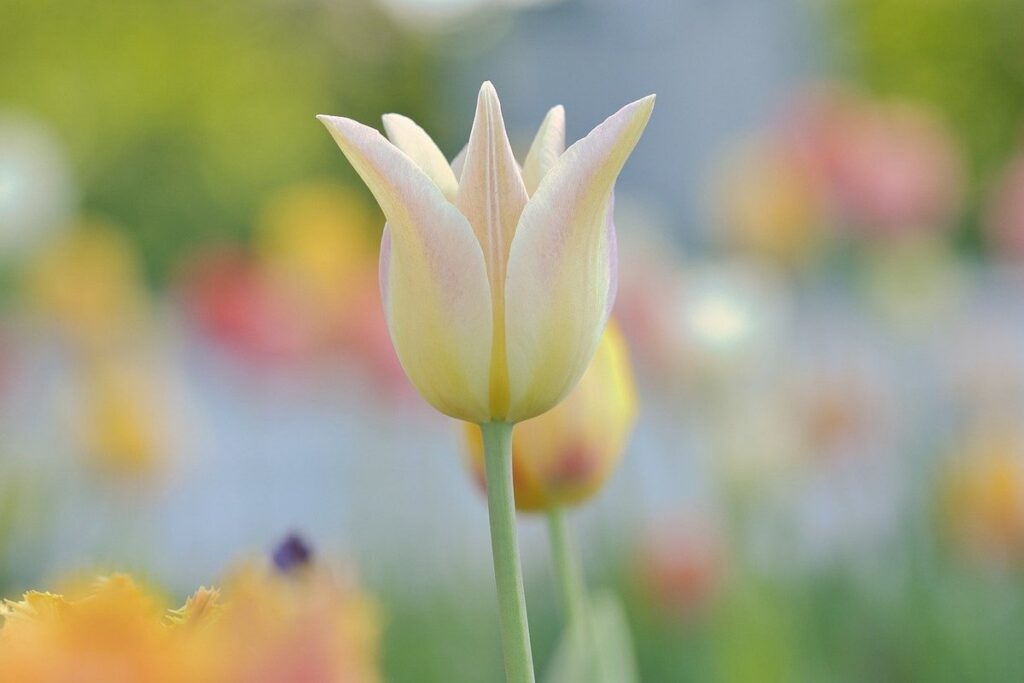
For added depth and fragrance, consider planting hyacinths (Hyacinthus orientalis). Their bell-shaped blooms come in an array of colors, including blue, pink, and white. Plant tulips (Tulipa gesneriana) nearby to create a harmonious palette. Grape hyacinth (Muscari armeniacum), with its delicate blue spikes, adds a whimsical touch. When planting bulbs, remember to choose varieties that are suitable for your climate and plant them at the right depth (usually 2-3 times their height). Planting in clusters rather than single-species rows can also create a visually appealing display. With proper care and timing, these April bloomers will bring years of vibrant color to your garden.
Shrubs and Trees with Showy Spring Flowers
If you’re looking to add a splash of color and vibrancy to your garden in April, consider incorporating shrubs and trees with showy spring flowers. These plants are perfect for adding a dramatic touch to your landscape without the maintenance requirements of annuals.
Azaleas and rhododendrons are two popular options that bloom profusely in April, showcasing an array of colors from soft pastels to vibrant pinks and purples. For example, the ‘PJM’ azalea produces vibrant red blooms, while the ‘Nova Zembla’ rhododendron boasts stunning white flowers with a hint of pink.
Don’t forget about flowering cherries (Prunus spp.), which offer stunning displays of pink, white, or yellow blooms in April. Crabapples (Malus spp.) and ornamental pears (Pyrus calleryana ‘Bradford’) are also excellent choices for adding spring color to your garden. When selecting these plants, be sure to choose varieties that thrive in your local climate and provide the right growing conditions.
Some practical tips for incorporating shrubs and trees with showy spring flowers into your garden include: choosing compact or dwarf varieties for smaller spaces; planting multiple specimens to create a stunning display; and combining them with other April-blooming perennials for added visual interest.
Annuals for a Quick April Pop of Color
If you’re looking to add some instant color to your garden, consider incorporating annuals that bloom in April. These vibrant flowers provide a quick pop of color and can be easily grown from seed.
Easy-to-Grow Annuals that Thrive in Spring Weather
As we enter the month of April, the garden starts to come alive with vibrant colors and blooms. Annuals like petunias, pansies, and violas are perfect for adding a splash of color to our gardens during this early growing season. These easy-to-grow annuals thrive in spring weather, providing an instant pop of color that’s sure to brighten up any garden bed.
Petunias, in particular, are a great choice for April blooms. They’re relatively low maintenance and can thrive in full sun or partial shade. With over 20 different varieties to choose from, you can select petunias that match your desired bloom size, color, and growth habit. For example, the ‘Purple Wave’ variety is a popular choice for its cascading blooms and compact growth habit.
Pansies and violas are also excellent options for April gardens. They’re both easy to grow from seed and require minimal care. Pansies come in a wide range of colors, including bi-colored and tri-colored varieties that add an extra layer of visual interest to the garden. Violas, on the other hand, have delicate, heart-shaped blooms that are perfect for adding a whimsical touch to your garden.
When planting these annuals in April, be sure to choose a location with well-draining soil and full sun to partial shade. Water them regularly, but avoid overwatering, which can lead to root rot and other issues. With proper care, petunias, pansies, and violas will bloom profusely throughout the spring season, providing weeks of vibrant color and beauty for your garden.
Companion Planting with Annuals for Optimal Bloom Display
When it comes to creating a vibrant and dynamic bloom display, companion planting with annuals is an excellent strategy. By pairing annuals with perennials, you can maximize the visual impact of your garden and extend the blooming period. This technique involves selecting annuals that complement the growth habits and bloom times of existing perennials.
For example, if you have a perennial like a peony or hydrangea, which typically blooms in late spring, pair it with an annual like petunia or snapdragon, which can bloom throughout April and May. This way, your garden will be filled with color from early to late spring.
Some popular annuals that work well as companions for perennials include marigold, zinnia, and cosmos. These plants are easy to grow, bloom profusely, and come in a range of colors that can add depth and interest to your perennial garden. When selecting companion plants, consider factors like growth habits, bloom times, and soil preferences to ensure a harmonious coexistence between annuals and perennials.
Tips for Prolonging April Blooms and Encouraging Repeat Flowers
Now that you’ve discovered which plant species bloom in April, let’s explore some expert tips to keep those blooms coming back season after season. We’ll share our top tricks for prolonging the show and encouraging repeat flowers.
Understanding Dormancy in Perennials: What to Expect
As you enjoy the vibrant blooms of your perennials in April, it’s not uncommon to wonder if they’re done for the season. You might notice that some plants seem to be finished blooming, only to surprise you with another flush of flowers a few weeks later. This phenomenon is known as dormancy, and it’s a natural part of a perennial plant‘s life cycle.
Dormancy allows perennials to conserve energy and resources during periods of stress or unfavorable growing conditions. It’s like a built-in “hibernation” mode that helps them survive the winter months or other times when growth slows down. When a perennial enters dormancy, it may appear as though it’s stopped blooming altogether. However, this doesn’t mean it won’t produce flowers again.
In fact, many perennials will naturally drop their leaves and appear to be dormant before producing new growth in the spring. This can be confusing, especially if you’re not familiar with the plant’s habits. To encourage repeat blooms from your perennials, make sure to provide them with the right growing conditions, including sufficient light, water, and nutrients. By understanding dormancy and how it affects your plants, you’ll be better equipped to care for them and enjoy their blooms all season long.
Techniques for Encouraging Repeat Flowering in Spring-blooming Plants
When it comes to popular April bloomers like roses, hydrangeas, and peonies, encouraging repeat flowering can be a challenge. However, with the right techniques, you can promote these plants to produce more flowers throughout the growing season.
One of the key factors that affect repeat flowering is pruning. Prune your spring-blooming shrubs and perennials immediately after they finish blooming in April. This will help control their size, shape, and encourage new growth. For example, cut back rose bushes by about one-third to promote healthy stem production and prevent weak vining.
Another technique for encouraging repeat flowering is deadheading. Remove spent blooms as soon as possible to direct the plant’s energy towards producing new flowers rather than seed. This is especially effective for peonies, which can produce multiple sets of stems if properly cared for.
Additionally, consider providing your plants with the right growing conditions. Most spring-blooming plants require full sun, well-draining soil, and regular watering to thrive. Make sure to fertilize lightly in the spring to promote healthy growth and flowering.
Garden Maintenance for a Healthy April Bloom Display
To ensure your April blooms are their best, let’s dive into essential garden maintenance tips to promote healthy growth and vibrant display.
Post-Bloom Care: Deadheading, Fertilizing, and Pruning for Continued Growth
Deadheading is a crucial step in post-bloom care for continued growth and blooms. By removing spent flowers, you encourage the plant to focus its energy on producing new blooms rather than seed production. This process not only enhances the aesthetic appeal of your garden but also promotes healthy plant development.
Fertilizing is another vital aspect of post-bloom care. As April’s bloom display comes to an end, it’s essential to replenish your plants’ nutrient reserves. A balanced fertilizer will provide the necessary nutrients for continued growth and flowering. Consider a slow-release formula to sustain your plants throughout the growing season. For example, if you’re growing azaleas or rhododendrons, which tend to exhaust their soil quickly, apply an acidic fertilizer to meet their specific needs.
Pruning is also a critical post-bloom care activity. Prune back overgrown stems and shape your plants to maintain their desired form. This will not only control the plant’s size but also direct new growth towards producing more blooms. Regular pruning will also promote air circulation, reducing the risk of disease and pests. By deadheading, fertilizing, and pruning effectively, you’ll ensure a continued display of vibrant blooms throughout the growing season.
Common Pests and Diseases that Target Early Spring Flowers
As you eagerly await the arrival of spring, it’s essential to be aware of the common pests and diseases that can impact your April blooms. Aphids, for example, are notorious for infesting young flower buds and stems, leaving behind a sticky residue that attracts other unwanted insects. To prevent aphid attacks, ensure your plants receive adequate air circulation, and consider introducing beneficial insects like ladybugs or lacewings to your garden.
Slugs and snails can also wreak havoc on your early spring flowers, especially if you live in areas with high humidity. These pests tend to feed at night, leaving behind slimy trails as evidence of their presence. To deter slugs and snails, try using copper barriers around plant stems or applying organic slug baits like beer traps.
Powdery mildew is another common disease that can affect April blooms. This fungal infection appears as a white, powdery coating on leaves and stems. To prevent powdery mildew, maintain good air circulation, avoid overhead watering, and remove any infected plant parts to prevent the spread of spores.
Frequently Asked Questions
Can I still plant bulbs in April if I missed the initial planting season?
Yes, while it’s ideal to plant bulbs during their dormant period, you can still plant them in April for a late-season bloom display. However, keep in mind that some varieties might not produce as many flowers or may require more care.
How do I encourage repeat flowering in spring-blooming perennials?
To encourage repeat flowering, provide your plants with the right conditions: adequate sunlight, water, and fertilization. Deadheading spent blooms can also stimulate new flower production. Additionally, consider pruning your plants after they finish blooming to promote healthy growth.
What are some common pests that target early spring flowers, and how do I prevent them?
Common pests like aphids, slugs, and snails often attack early spring flowers. Use physical barriers or repellents to deter these pests, and maintain a clean garden by removing weeds and debris. Regularly inspect your plants for signs of infestation.
Can I grow annuals in containers, or are they best suited for directly sown into the ground?
Yes, you can grow annuals in containers! Choose a container that’s at least 6-8 inches deep to accommodate the plant’s roots. Make sure the container has good drainage holes and use a well-draining potting mix.
How do I prolong the blooming period of my spring flowers, and what are some tips for maintaining their health?
To prolong blooms, deadhead regularly, provide adequate sunlight and water, and fertilize your plants accordingly. Monitor your plants’ temperature requirements and adjust their care schedule to prevent sudden drops in growth or flower production.