
Are you tired of struggling with your apricot tree‘s growth, or worse, worried about its potential health issues? Pruning is an essential part of maintaining a thriving and productive apricot tree. However, many gardeners find pruning to be a daunting task, unsure where to start or how to achieve the desired results.
As it turns out, pruning isn’t just about cutting off deadwood; it’s also crucial for boosting fruit production and shaping your tree into its ideal form. In this article, we’ll delve into expert techniques for pruning apricot trees, covering basic removal of deadwood to advanced methods for optimizing growth and productivity. Whether you’re a seasoned gardener or just starting out, our comprehensive guide will walk you through everything you need to know about pruning your apricot tree for optimal health and fruit production.
Understanding Apricot Tree Pruning
When pruning an apricot tree, it’s essential to understand how to shape its structure and promote healthy growth, which is crucial for a bountiful harvest every year. Let’s dive into the specifics of apricot tree pruning.
When to Prune Apricot Trees
Pruning apricot trees at the right time is crucial for their health and productivity. The best time to prune apricot trees depends on your climate and tree age.
In general, it’s recommended to prune apricot trees during their dormant season, which typically occurs between late winter and early spring. This allows you to assess the tree’s structure and make any necessary cuts without causing damage from sap flow or heat stress. For warm climates with mild winters, pruning can be done in late winter or early spring, while for cooler climates, it’s best to wait until late February or March.
Young apricot trees (1-2 years old) require more frequent pruning to develop a strong structure and promote healthy growth. Prune these trees annually during their dormant season to encourage a central leader and remove any weak or damaged branches.
As the tree matures, pruning becomes less frequent, typically every 3-4 years. However, it’s essential to monitor your tree’s health and prune as needed to maintain its shape and promote fruiting.
Why Pruning is Essential for Apricot Trees
Pruning is a crucial aspect of maintaining a healthy and productive apricot tree. When performed correctly, pruning can increase fruit production, promote air circulation, and reduce the risk of disease. Apricot trees are particularly prone to fungal diseases like powdery mildew and brown rot, which can be managed through regular pruning.
Proper pruning techniques involve removing diseased or damaged branches, cutting back overgrown limbs, and thinning out the canopy to allow sunlight to reach fruiting branches. This not only prevents disease but also encourages healthy growth by directing energy towards fruit production rather than vegetative growth.
For example, a study on apricot tree pruning in California found that trees pruned annually produced 25% more fruit compared to those left unpruned. By incorporating regular pruning into your orchard management routine, you can enjoy bountiful harvests and improve the overall health of your apricot trees.
Preparation for Pruning
Before you start pruning, it’s essential to prepare your apricot tree by gathering necessary tools and removing any debris that may be obstructing access to the branches. Let’s get started!
Choosing the Right Tools
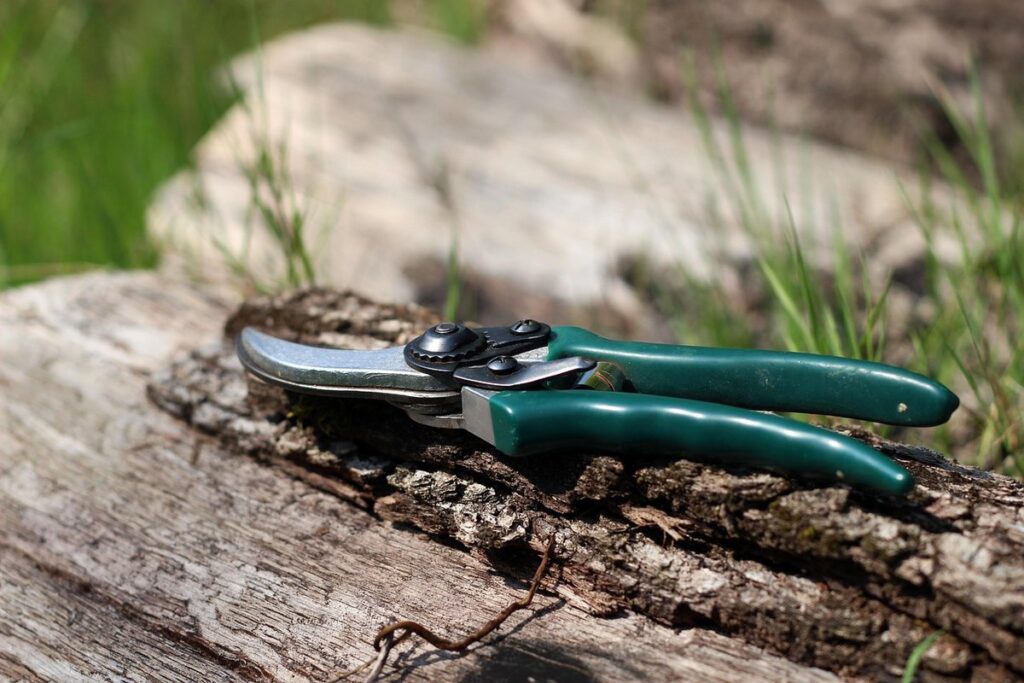
Before you start pruning your apricot tree, it’s essential to have the right tools. Apricot trees are relatively small, but their branches can be quite thick and woody, requiring specialized equipment for safe and effective pruning.
For this task, you’ll need a few key tools: loppers, pruning saws, and a pair of gloves. Loppers are long-handled pruning shears that can reach up to 30 inches in length, allowing you to cut thicker branches with ease. Choose loppers with bypass-style blades for clean cuts.
A pruning saw is also necessary for cutting larger limbs. Use a handsaw or a bow saw, both of which have curved blades designed specifically for pruning and are more efficient than using a regular saw.
Protect your hands with gardening gloves, which will provide grip, support, and protection from thorns and sap. These simple tools will help you prune your apricot tree safely and efficiently, ensuring it remains healthy and productive for years to come.
Ensuring Safety Precautions
When pruning apricot trees, it’s essential to prioritize your safety above all else. Before you start cutting, take a moment to assess the surroundings and identify potential hazards.
First and foremost, ensure that you’re wearing protective gear such as gloves, safety glasses, and sturdy boots with good traction. Apricot trees can drop branches unexpectedly, so having proper footwear will prevent slipping or tripping.
It’s also crucial to check for power lines in your vicinity. Pruning near power lines is extremely hazardous, and it’s not worth the risk. If you’re unsure whether a line is live or dead, err on the side of caution and contact your local utility company for assistance.
Before making any cuts, inspect your tools regularly to ensure they’re sharp and well-maintained. A dull tool can cause branches to break unexpectedly, leading to accidents. Always cut in small increments and test the weight of the branch before releasing it.
By taking these simple precautions, you’ll be able to prune your apricot tree with confidence, minimizing the risk of injury or damage. Remember, a safe pruning session is always a successful one!
Basic Pruning Techniques
When it comes to apricot tree pruning, understanding the basics is essential for encouraging healthy growth and maximizing fruit production. Let’s dive into the fundamental techniques you need to know.
Removing Deadwood
When pruning an apricot tree, one of the most crucial steps is to remove deadwood. This process not only helps maintain the tree’s overall health but also promotes healthy growth and fruit production.
To identify dead branches, look for signs such as gray or brown coloration, brittleness, and a lack of buds or leaves. These branches can be prone to breakage in strong winds, creating an entry point for diseases like fungal infections or pests like wood borers.
When removing deadwood, make clean cuts just above a growth node using sharp, sterile pruning tools. Cut at a 45-degree angle to prevent water from collecting on the cut surface and reduce the risk of decay.
Remove any branches that are crossing over other parts of the tree or growing towards the trunk, as these can cause damage and create an uneven canopy. It’s essential to remove deadwood regularly to maintain your apricot tree’s health and encourage a balanced fruiting habit.
Thinning Out Branches
When it comes to thinning out branches on your apricot tree, the goal is simple: create space for healthy growth and reduce the risk of disease. Air circulation plays a crucial role in this process, as stagnant air can foster fungal diseases that thrive in moist conditions.
Start by looking for crossing or rubbing branches – these are the ones that need to go. Using loppers or pruning shears, carefully remove the smaller branch, making sure not to damage the remaining one. This will help reduce competition for resources like water and nutrients.
It’s also essential to thin out weak or spindly growth. These branches often grow in a way that reduces air circulation around the tree, creating an environment conducive to disease. Identify any branches growing towards the center of the tree, and remove them entirely.
By removing these problematic branches, you’ll create more space for your apricot tree’s healthy growth. This will not only help prevent diseases but also promote fruit production in the long run.
Advanced Pruning Techniques
Now that you’ve mastered the basics, let’s dive into some more complex techniques for pruning your apricot tree, like thinning and reduction pruning. This will help promote healthy growth and optimal fruit production.
Shaping the Tree
When it comes to shaping your apricot tree’s overall structure, you’ll want to focus on techniques that reduce height and promote a strong central leader. To achieve this, start by selecting one of the main branches to serve as the central leader. This will become the primary stem of the tree, supporting the majority of its growth.
Remove any competing leaders or weak, crossing branches that might be vying for dominance. Thin out other branches to allow sunlight and air to penetrate the canopy, promoting healthy growth and fruiting. To reduce height, prune any vigorous shoots growing vertically from the base of the tree, cutting them back to about a third of their length.
Remember to make clean cuts just above a bud or lateral branch, and avoid tearing the bark with your pruning tool. This will help the tree heal quickly and minimize the risk of disease or pests taking hold. By carefully shaping your apricot tree’s structure, you’ll be creating an ideal environment for fruit production while maintaining its overall health and resilience.
Encouraging Fruit Production
When pruning an apricot tree, it’s essential to balance the need for structural maintenance with the goal of encouraging fruit production. One crucial step is to prune flowers on established trees during their first year after planting. This may seem counterintuitive, as we often associate blooming flowers with fruit set. However, by removing these early flowers, you’re redirecting the tree’s energy toward developing a strong root system and promoting healthy growth.
Another technique for boosting fruit production is to remove water sprouts – long, vigorous shoots that grow straight up from the trunk or branches. These can be tempting to leave intact, as they produce a lot of foliage quickly, but they ultimately detract from fruiting potential by diverting energy away from the rest of the tree.
By pruning off water sprouts and early flowers, you’re giving your apricot tree the best chance to develop into a robust producer.
Additional Tips and Considerations
Now that you’ve mastered the basics of apricot pruning, here are some additional tips to keep in mind as you continue to shape your tree’s growth. Think of these as expert advice and common pitfalls to avoid.
Maintaining Tree Health
Maintaining tree health is crucial for a bountiful apricot harvest and overall tree longevity. Regular watering and fertilizing are essential maintenance tasks that go hand-in-hand with pruning.
Proper watering is vital, especially during the first year after planting or when trees are stressed from pruning. Aim to provide about 1 inch of water per week through rain or irrigation. Avoid overwatering, which can lead to root rot and other issues. Check soil moisture by inserting a finger into the soil up to the knuckle; if it feels dry, it’s time to water.
Fertilization is also critical for maintaining tree health. Feed your apricot trees with a balanced fertilizer in early spring before new growth begins. You can use a 10-10-10 (nitrogen-phosphorus-potassium) formula or an organic alternative like compost tea. Avoid overfertilizing, as this can cause more harm than good.
By staying on top of watering and fertilization, you’ll be providing your apricot trees with the best chance to thrive and respond positively to pruning.
Common Pruning Mistakes to Avoid
When pruning apricot trees, it’s easy to get carried away with enthusiasm and end up making mistakes that can harm the tree. To avoid common pitfalls, let’s take a closer look at what not to do when pruning your apricot tree.
Over-pruning is one of the most significant errors gardeners make when trimming their apricot trees. Cutting off too much growth in a single season can weaken the tree and leave it vulnerable to disease and pests. It can also reduce fruit production, as some varieties require a certain amount of wood to produce flowers. To avoid over-pruning, take only what’s necessary – removing branches that are crossing, rubbing against each other, or growing inward.
Under-pruning is equally detrimental, as apricot trees need regular maintenance to stay healthy and productive. Failing to prune regularly can lead to an unruly canopy, reduced air circulation, and increased susceptibility to disease. If you’re not sure how much to prune, start with a small amount and gradually work your way up. Always consider the tree’s overall shape and structure when pruning.
Additionally, don’t make the mistake of removing the wrong branches altogether. Cut off any that are dead, diseased, or damaged, as these can spread disease and attract pests. Prune any weak or spindly growth to promote a strong, balanced structure. Finally, avoid pruning in the fall, as this can stimulate new growth just before winter, making the tree more vulnerable to cold damage.
Frequently Asked Questions
Can I Prune My Apricot Tree at Any Time of the Year?
Yes, if you live in an area with mild winters, pruning during late spring or early summer can still be beneficial for promoting healthy growth and fruit production. However, keep in mind that this may not provide the same level of control as pruning during dormancy.
How Do I Prevent Over-Pruning and Damage to My Apricot Tree?
It’s easy to over-prune when you’re just starting out, but a good rule of thumb is to remove no more than 1/3 of the tree’s branches in one year. Also, consider pruning smaller branches first, working your way up to larger ones, to avoid causing unnecessary stress on the tree.
What If I Notice Pests or Diseases After Pruning My Apricot Tree?
Pruning can actually increase the risk of pests and diseases entering the tree if not done correctly. To minimize this risk, be sure to clean your pruning tools with soap and water between cuts, and avoid pruning during wet weather when possible. Additionally, inspect your tree regularly for signs of infestation or infection.
Can I Use Hedge Shears for Pruning My Apricot Tree?
While hedge shears can be useful for smaller trees or shrubs, they’re not ideal for apricot trees due to their size and complexity. Instead, use a combination of loppers and pruning saws to make clean cuts through larger branches.
How Do I Know When My Apricot Tree Has Been Pruned Too Much?
A severely pruned tree can look sparse or bare, especially if it’s been over-pruned in the past. Look for signs such as excessive sun exposure, increased susceptibility to disease, or a decline in fruit production. In severe cases, you may need to consult with an arborist to determine the best course of action.