
Growing your own apples can be a truly rewarding experience. Imagine biting into a crunchy, juicy apple that you picked right from your backyard tree – there’s nothing quite like it! But growing an apple tree is not just about planting a seed and waiting for it to produce fruit. It requires care, attention, and knowledge of how to manage common pests and diseases. In this ultimate guide, we’ll take you on a journey through the history of apple trees, provide expert tips on how to grow and harvest your own apples, and share valuable advice on managing those pesky problems that can plague even the best-laid plans. Whether you’re a seasoned gardener or just starting out, this article will give you everything you need to know to enjoy delicious homegrown apples year after year.
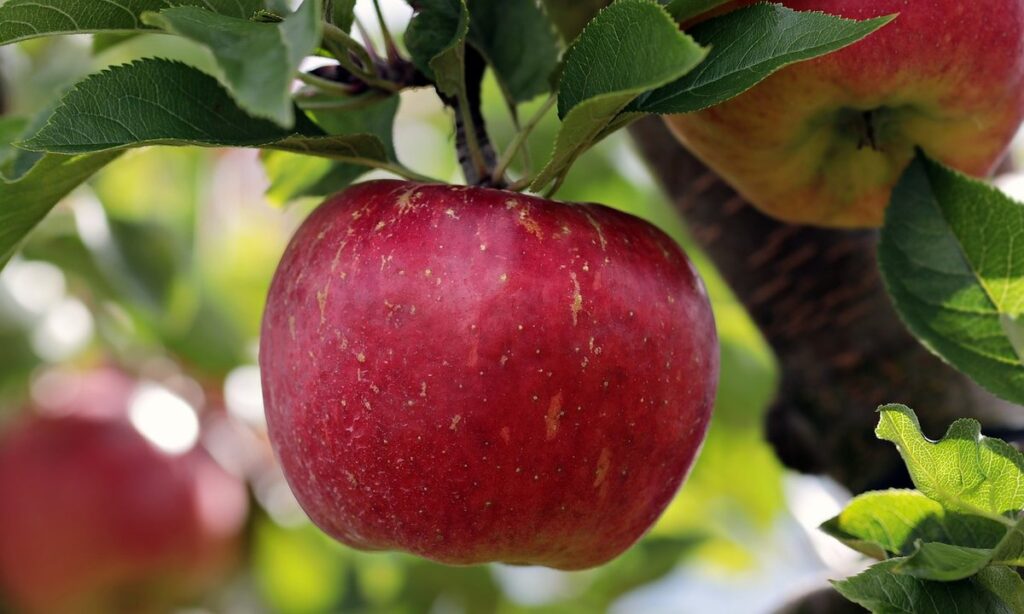
What is an Apple Tree?
Apple trees are more than just a beautiful addition to your backyard – they’re also a vital part of our food supply, providing delicious fruit. Let’s start at the beginning and explore what makes an apple tree tick.
Definition and Classification
An apple tree is a deciduous tree that belongs to the Rosaceae family and is scientifically known as Malus domestica. It’s one of the most widely cultivated fruit trees globally, with over 7,500 known varieties. Apple trees are classified into several categories based on their growth habits, climate tolerance, and disease resistance.
Some common classifications include dessert apples, cooking apples, cider apples, and all-purpose apples. Dessert apples are sweet and juicy, perfect for eating fresh off the tree. Cooking apples, on the other hand, are often tart and used in baking pies, tarts, and jams. Cider apples are used to produce apple cider vinegar and hard cider.
When selecting an apple tree variety, consider factors like climate, soil type, and intended use. For example, if you live in a cold climate, choose a variety that’s resistant to winter damage. If you want to grow apples for cooking or baking, select a variety with a higher acidity level. Some popular varieties include Red Delicious, Granny Smith, and Honeycrisp.
History of Apple Cultivation
Apple cultivation has a rich history that spans thousands of years. In ancient civilizations, apples were considered a symbol of love and fertility. The Romans, for instance, cultivated over 50 varieties of apples, which they prized for their flavor and nutritional value. As civilizations rose and fell, so did the art of apple cultivation.
In the Middle Ages, European monks played a significant role in preserving apple knowledge. They developed new techniques for grafting and pruning, allowing them to cultivate more productive and disease-resistant trees. This led to an explosion of new varieties, with some sources suggesting that over 200 different types were cultivated during this period.
Fast-forward to modern times, and the rise of commercial apple production has revolutionized the industry. Today, apples are grown in over 100 countries worldwide, with China, the United States, and Poland emerging as major players. Advances in genetics, irrigation systems, and orchard management have made it possible to produce high-quality apples on a large scale.
Despite these advancements, many small-scale farmers continue to cultivate heirloom varieties using traditional methods. These trees are often more resilient to disease and pests, requiring less chemical intervention. If you’re interested in growing your own apple tree, consider seeking out one of these varieties for a truly unique experience.
Types of Apple Trees
There are several types of apple trees, each with its own unique characteristics and benefits for your orchard. From sweet dessert apples to tart cider apples, we’ll explore them all.
Dwarf vs. Standard Apple Trees
When it comes to choosing an apple tree for your backyard orchard, one of the most significant decisions you’ll make is between a dwarf and standard variety. Both types have their unique characteristics, growth habits, and space requirements that can greatly impact the overall success of your orchard.
Dwarf apple trees are compact and grow between 6-10 feet in height, making them perfect for small spaces or container gardens. They require minimal pruning and care, but still produce a bountiful harvest of delicious fruit. Standard apple trees, on the other hand, can reach heights of 20-30 feet and need regular pruning to maintain their shape.
In terms of space requirements, standard trees need more room to grow and spread out, while dwarf trees are ideal for small yards or tight spaces. If you’re new to growing apples, a dwarf tree is a great place to start. Plus, they’re perfect for those who want to enjoy fresh fruit without the commitment of regular maintenance.
In terms of ideal uses, standard trees are better suited for larger orchards or commercial operations where space isn’t an issue. Dwarf trees, however, make excellent choices for small gardens, container gardens, or even indoor growing systems.
Semi-Dwarf Apple Trees
Semi-dwarf apple trees are a popular choice for gardeners and commercial orchardists alike. These compact trees typically grow between 6-10 feet tall, making them an excellent option for small gardens or those with limited space. They also produce fruit at a relatively young age, usually within 2-3 years of planting.
One of the key advantages of semi-dwarf apple trees is their high fruit production per square foot. This makes them ideal for small-scale commercial orchards where space is a premium. Additionally, their compact size reduces pruning and maintenance requirements, saving gardeners time and effort.
Semi-dwarf apple trees are also more resistant to diseases and pests compared to standard-sized varieties. This is due in part to their controlled growth habits, which reduce the risk of fungal infections and pest infestations. When selecting a semi-dwarf apple tree, be sure to choose a variety that suits your climate and desired fruit characteristics. Some popular options include ‘Red Delicious’, ‘Gala’, and ‘Granny Smith’.
Choosing the Right Apple Tree Variety
When selecting the perfect apple tree for your backyard, it can be overwhelming with so many varieties to choose from. Let’s break down what you need to consider when making this important decision.
Factors to Consider
When choosing the right apple tree variety, there are several key factors to consider. One of the most important considerations is climate. Apple trees require a certain number of chill hours (hours below 45°F) to produce fruit, so it’s essential to select a variety that is suitable for your region’s climate.
Soil type is also crucial. Apple trees prefer well-draining soil with a pH between 6.0 and 7.0. If you have poor soil conditions, consider choosing a disease-resistant variety or taking steps to improve the soil quality.
Another factor to consider is the intended use of the apples. Do you want to eat them fresh, cook with them, or make cider? Different varieties are better suited for specific uses. For example, sweet-tart varieties like Honeycrisp and Fuji are great for snacking, while tart varieties like Granny Smith are ideal for baking.
Lastly, think about the flavor profile you desire. Do you prefer sweet, tangy, or a balance of both? By considering these factors, you’ll be able to select an apple tree variety that thrives in your conditions and meets your needs.
Popular Apple Varieties
When it comes to choosing an apple tree variety, there are hundreds of options available. However, some varieties stand out from the rest due to their exceptional taste, texture, and versatility. Here are some popular apple varieties that you might consider for your orchard or garden:
One of the most widely cultivated apple varieties is the Red Delicious. Known for its iconic shape and deep red skin, this variety is sweet and tender, making it perfect for snacking fresh from the tree. Its mild flavor also makes it an excellent choice for salads and fruit arrangements.
Another popular variety is the Granny Smith, which boasts a crisp texture and tangy taste that’s ideal for baking pies and tarts. The sweetness of the apples balances out the tartness, creating a delightful flavor profile that’s hard to resist. For those who love to bake, this variety is a must-have in your orchard.
The Golden Delicious variety is another crowd-pleaser, with its warm golden skin and sweet, mellow taste. It’s perfect for snacking and cooking, as it holds its shape well when sliced or chopped. This variety is also great for making applesauce and cider.
Last but not least, the Honeycrisp variety has gained immense popularity in recent years due to its exceptional sweetness and crunchy texture. Its unique flavor profile makes it a favorite among apple enthusiasts, and it’s perfect for snacking fresh from the tree or using in salads and fruit arrangements.
Planting and Caring for Apple Trees
When it comes to growing healthy apple trees, proper planting and care are essential for a bountiful harvest. Let’s dive into the specifics of planting and caring for your new apple tree.
Site Selection and Preparation
When selecting a site for an apple tree, it’s essential to consider factors that will ensure its optimal growth and fruit production. Apple trees require full sun to produce well, so choose a location that receives at least six hours of direct sunlight per day. However, be mindful of the intensity of the sun in your region, as extreme heat can scald young bark.
The soil quality is also crucial for apple tree health. Apples prefer well-drained, fertile soil with a pH between 6 and 7. If your soil lacks nutrients or has poor drainage, consider amending it before planting. Wind protection is another vital factor to consider. Apple trees are susceptible to wind damage, which can cause branches to break and reduce fruiting.
To create a suitable microclimate for your apple tree, plant it in a spot that provides some shelter from harsh winds. You can also use techniques like espalier or training the tree against a south-facing wall to provide protection while maximizing space usage. By considering these factors, you’ll be well on your way to creating an ideal environment for your apple tree to thrive.
Planting Techniques
When planting an apple tree, it’s essential to get it off to the right start with proper techniques. Begin by digging a deep hole that’s 2-3 times wider and as deep as the root ball of the tree. This will provide enough room for the roots to grow and absorb water and nutrients.
Add organic matter such as compost or well-rotted manure to the bottom of the hole, making sure to cover the sides and bottom of the root flare (where the trunk flares out at the base). This will help retain moisture, suppress weeds, and provide essential nutrients for healthy growth.
Conserve water by choosing a location with good air circulation and sunlight. Mulch around the tree to retain moisture, suppress weeds, and regulate soil temperature. Water thoroughly after planting, then regularly during the first year of establishment. Avoid overwatering, which can lead to root rot and other problems. By following these simple steps, you’ll set your apple tree up for a strong start and a long, healthy life.
Pests and Diseases Affecting Apple Trees
As you care for your apple tree, it’s essential to be aware of the common pests and diseases that can affect its health and fruit production. We’ll walk you through some of the most prevalent issues.
Common Pests and Diseases
Apple trees are susceptible to various pests and diseases that can significantly impact their health and productivity. One of the most common pests is the aphid, which feeds on sap, causing curled or distorted leaves. Aphids can also spread plant viruses like apple chlorosis virus.
Codling moths are another significant pest that causes damage by laying eggs inside apple blossoms or young fruit. The larvae that emerge from these eggs feed on the fruit’s flesh, resulting in a characteristic ‘honeycomb’ pattern.
Powdery mildew is a common fungal disease that affects apple trees, particularly during humid weather conditions. It appears as a white, powdery coating on leaves and can reduce photosynthesis and tree growth. Fire blight, caused by Erwinia amylovora bacteria, results in wilting branches and blackened fruit.
Regular monitoring of your orchard is essential to detect early signs of pest or disease issues. Integrated Pest Management (IPM) strategies should be implemented, including pruning infected areas, introducing beneficial insects like bees and ladybugs, and applying targeted pesticides only when necessary.
It’s also crucial to maintain good hygiene practices, such as disinfecting tools after each use, disposing of infested fruit, and selecting resistant tree varieties.
Integrated Pest Management (IPM)
Managing pests and diseases effectively is crucial for maintaining healthy apple trees. Integrated Pest Management (IPM) strategies offer a holistic approach to minimize chemical use while promoting sustainability. IPM involves monitoring orchard conditions, identifying pest and disease issues early on, and implementing control measures that consider the entire ecosystem.
This includes selecting resistant tree varieties, practicing good sanitation, and implementing biological controls such as introducing beneficial insects or using natural predators. Cultural practices like pruning, training, and thinning can also reduce pest pressures. For instance, regular pruning helps maintain air circulation within the canopy, reducing humidity that encourages fungal diseases.
IPM plans often incorporate monitoring tools and techniques, like pheromone traps for detecting pests. When chemical control is necessary, IPM recommends using targeted treatments with minimal residual effect on beneficial insects. Home gardeners can start by understanding their local climate, tree health, and common pest issues in their region to develop a tailored IPM plan.
Harvesting and Enjoying Apple Fruits
Now that you’ve learned how to care for your apple trees, it’s time to reap the rewards and enjoy the delicious fruits of your labor! This section will guide you through harvesting and preparing apples for eating.
Timing and Techniques
Proper timing is crucial when it comes to harvesting apples. It’s not just about waiting for the fruit to ripen; you also need to consider the equipment and techniques used during the process.
First, monitor the apple’s color and texture closely. A ripe apple will be slightly soft to the touch, but still firm enough to hold its shape. The skin should also develop a deeper, richer color depending on the variety. For example, Red Delicious apples turn from green to bright red, while Granny Smith apples shift from green to yellow-green.
To avoid damaging the fruit during harvest, use the right equipment such as ladders and baskets. A sturdy ladder will provide easy access to higher branches, while a well-designed basket will protect the apples from bruising. Handle each apple gently, placing them in the basket or bag with care. It’s also essential to pick apples in the morning when they’re cooler and less likely to be damaged during transport.
Avoid over-handling the fruit, as this can cause unnecessary stress and potentially lead to spoilage. By following these simple steps, you’ll not only enjoy a successful harvest but also preserve the quality of your precious apple crop.
Preserving and Storing Apples
Preserving apples is an art that requires some effort, but the reward is well worth it. There are several methods to store and preserve apples for a longer period, making them available throughout the year. Canning is one of the most popular methods, as it involves packing sliced or whole apples into jars with sugar, water, and sometimes spices, and then heating them in a pressure canner to kill off bacteria.
Freezing apples is another great way to preserve them. This method involves washing, peeling, coring, and slicing the apples before spreading them out on a baking sheet lined with parchment paper and freezing until solid. Then, transfer the frozen apple slices to an airtight container or freezer bag for long-term storage. Dehydrating apples is also an excellent option, especially when you have an abundance of fresh fruit.
When creating jams and preserves, it’s essential to follow a tested recipe and use proper canning procedures to ensure food safety. To create jam, cook the apple mixture with sugar until it reaches the desired consistency and acidity level. Transfer the hot jam into clean, sterilized jars and seal them immediately. Store the sealed jars in a cool, dark place for up to 12 months.
To keep apples fresh for a longer period, consider storing them in a cool, dry place or refrigerate them when not in use. Monitor their condition regularly, as mold can quickly develop if they become too moist.
Frequently Asked Questions
How long does it take for an apple tree to mature after planting?
It typically takes 2-5 years for a young apple tree to start producing fruit, but this can vary depending on factors like climate, soil quality, and the specific variety of tree. With proper care and conditions, some dwarf varieties may produce fruit within 1-2 years.
What’s the best way to protect my apple tree from pests without using pesticides?
Integrated Pest Management (IPM) is a holistic approach that combines physical barriers, cultural controls, and biological controls to manage pests. This can include techniques like hand-picking pests, using row covers, and introducing beneficial insects to your orchard.
Can I grow multiple types of apple trees together, or should they be separate?
While it’s possible to grow multiple varieties together, it’s generally recommended to plant similar types (e.g., all dessert apples) in the same area. This can help with pollination, pruning, and disease management. However, if you’re planting a dwarf variety near a standard tree, ensure there’s enough space for proper growth.
How do I know when my apple fruit is ripe and ready to harvest?
Check for color changes, softening of skin, and sweetness by tasting the fruit. Some varieties may also have specific ripeness indicators like a slight give in the stem or a sweet aroma. Harvest your apples regularly to encourage continuous production.
What’s the best way to store harvested apples to keep them fresh longer?
Store apples in a cool, dry place with good air circulation. The ideal temperature for short-term storage is around 32°F (0°C), while long-term storage requires colder temperatures near 0°F (-18°C). Avoid storing apples near heat sources or direct sunlight to preserve their quality and shelf life.