
Pruning your apple trees is one of the most essential tasks to ensure they stay healthy, productive, and safe. Not only does regular pruning boost fruit yield and quality, but it also helps maintain the tree’s structure and stability, reducing the risk of branches breaking off in strong winds. As an apple tree owner, you want to get the most out of your harvest, right? But with so many techniques and tools available, it can be overwhelming to know where to start.
In this article, we’ll walk you through the basics of pruning apple trees, covering the necessary tools, techniques, and schedule for a successful harvest. From removing dead wood to promoting healthy growth, we’ll cover everything you need to know to prune your apple trees like a pro. Whether you’re a seasoned gardener or just starting out, our expert guide will help you boost your apple tree‘s productivity and enjoy a bountiful harvest all year round.
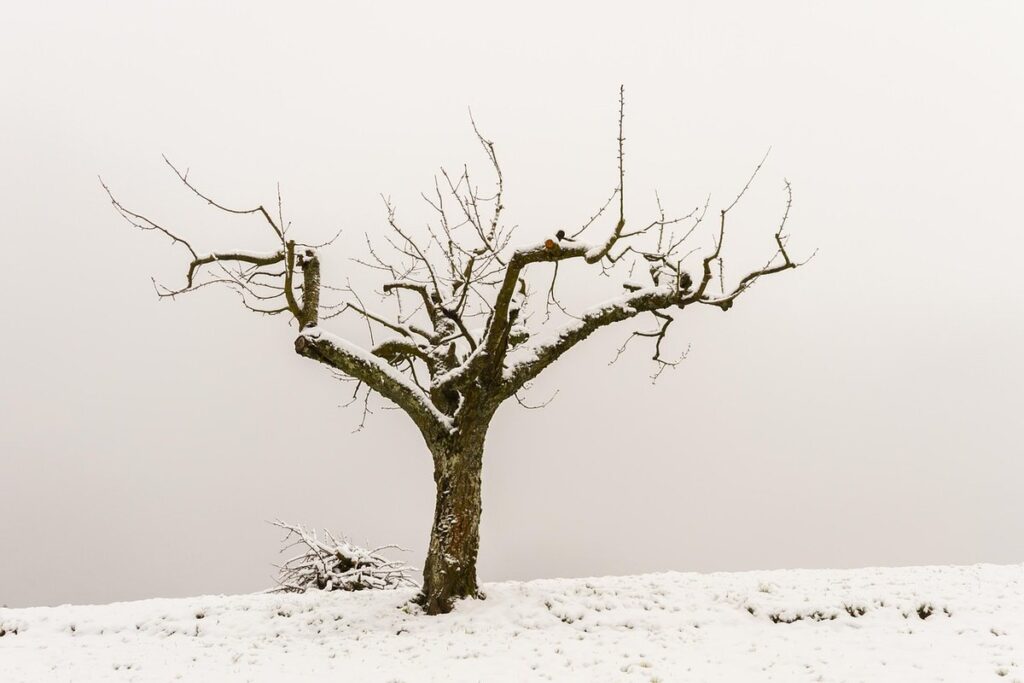
Benefits of Pruning Your Apple Trees
When you prune your apple trees, you’ll enjoy a bounty of benefits, from increased fruit production to improved tree health and longevity. Let’s explore the advantages in more detail.
Improving Fruit Yield and Quality
When you prune your apple trees regularly, one of the most significant benefits is an increase in fruit yield and quality. Pruning allows for better air circulation, which reduces the risk of disease and promotes healthy growth. This, in turn, enables your tree to focus its energy on producing more fruit.
By removing dead, diseased, or damaged branches, you’re also eliminating potential points of entry for pests and diseases that can harm your apples. Pruning also helps maintain a balanced canopy, which ensures even sunlight penetration and optimal photosynthesis. This means your tree is better equipped to produce larger, juicier fruits with improved flavor.
To reap these benefits, it’s essential to prune your apple trees at the right time and frequency. Typically, pruning is done in late winter or early spring before new growth begins. Prune no more than one-third of the tree’s canopy annually to avoid stressing the plant excessively. With regular pruning, you’ll enjoy a bountiful harvest of delicious, high-quality apples for years to come.
Enhancing Tree Structure and Stability
Proper tree structure and stability are crucial for maintaining healthy apple trees. Pruning plays a significant role in achieving this by removing weak branches that can cause damage during strong winds or become susceptible to disease. When branches are allowed to grow freely, they often develop a tangled and uneven structure. This not only obstructs sunlight penetration but also creates pathways for pests and diseases to spread.
Pruning helps maintain an open center system, allowing air circulation and sunlight to reach all areas of the tree. Regular pruning also encourages new growth from lateral shoots, making the tree more resistant to disease and weather-related damage. By selectively removing branches, you can redirect the tree’s energy towards producing fruiting wood, promoting overall health and productivity.
To enhance tree stability, focus on reducing branch weight by cutting back heavy limbs. Aim for a balanced structure with a strong central leader and evenly spaced scaffold branches. Regular pruning will not only improve your apple trees’ physical appearance but also contribute to their longevity and disease resistance.
Choosing the Right Pruning Tools
To prune your apple trees effectively, you’ll need the right tools for the job. Let’s take a look at some essential pruning tools to add to your gardening kit.
Hand Pruners and Loppers for Small Trees
When it comes to pruning smaller apple trees, hand pruners and loppers are essential tools for making precise cuts and shaping branches. For these smaller trees, you’ll want to use high-quality hand pruners with sharp blades that can cut through thicker stems.
Recommended types of hand pruners include bypass pruners, which cut around the branch rather than tearing it, and anvil pruners, which are suitable for cutting thinner stems. Look for hand pruners with a 4-6 inch blade length to ensure you can reach those harder-to-reach areas.
Loppers are also necessary for pruning smaller apple trees, especially when tackling thicker branches. Choose loppers with long handles (around 24-30 inches) and sharp blades that can cut through wood up to 1-2 inches in diameter. This will allow you to prune larger branches without having to use a saw or other more heavy-duty tools.
When selecting hand pruners or loppers, consider the weight of the tool, its durability, and the material it’s made from. A well-crafted pair can make pruning easier and less time-consuming in the long run.
Pole Saws and Chainsaws for Larger Trees
When tackling larger trees, it’s essential to have the right equipment and know-how to avoid accidents. For apple tree pruning, you’ll likely encounter branches that are too high to reach safely with loppers or hand saws. This is where pole saws and chainsaws come in – they’re perfect for cutting thicker branches on taller trees.
When using a pole saw, make sure the extension pole is sturdy and can support your weight without wobbling. Cut in small increments, working from one side to the other to maintain control. If you’re using a chainsaw, choose one with a narrow bar (around 14-16 inches) for better maneuverability in tight spaces.
Before cutting, inspect the tree’s structure and identify any branches that are dead or diseased – these should be removed first. Always wear protective gear: safety glasses, gloves, and ear protection. Keep the chainsaw at a 45-degree angle to prevent kickback, and maintain three points of contact (two hands and one foot) for stability.
Remember, pruning larger trees requires caution and patience. Take your time, and don’t be afraid to seek help if you’re unsure about any aspect of the process.
Pruning Techniques for Different Tree Stages
As you tend to your apple trees, knowing when and how to prune them at different stages is crucial for optimal growth and fruit production. This section covers essential pruning techniques for every stage of an apple tree’s life cycle.
Young Trees (0-2 Years)
For young apple trees (0-2 years old), pruning is crucial for establishing a strong structure that will support their future growth. During this stage, the primary focus should be on developing a balanced and wide-spreading canopy. Remove any weak or damaged branches to encourage healthy growth and prevent disease.
When pruning young apple trees, it’s essential to maintain a central leader or main trunk. This will help direct the tree’s energy towards developing a strong framework rather than a tangled mess of branches. To achieve this, remove any suckers (shoots that grow from the base of the tree) and lateral branches that compete with the central leader for resources.
Aim for an open center system, where the canopy is allowed to spread outwards and upwards, rather than being too dense or crowded. This will also help promote air circulation and reduce the risk of disease. Prune your young apple trees annually, during their dormant season (winter or early spring), to encourage healthy growth and development. By establishing a solid structure now, you’ll set your tree up for long-term success and make future pruning tasks much easier.
Mature Trees (2+ Years)
For mature apple trees (2+ years), pruning techniques aim to maintain shape, promote fruiting, and prevent disease. To achieve this balance, consider the following methods.
When maintaining shape, focus on removing interior branches that compete with outward-facing growth. This will allow sunlight to penetrate the canopy, reducing disease susceptibility and promoting air circulation. Prune no more than 20-25% of the tree’s structure each year to avoid stressing the tree. Cut just outside the branch collar, making clean cuts with sharp tools.
To promote fruiting, prune one-third to one-half of the tree’s oldest canes, selecting those with a diameter of at least 1 inch. This will encourage vigorous growth and stimulate fruit production on remaining branches. Remove any suckers or water sprouts, as they divert energy from productive areas. Consider thinning fruit in late spring to improve quality and prevent over-ripening.
Regular inspection for signs of disease, such as black knot or fire blight, is crucial. Prune affected branches before the issue spreads, taking care not to spread spores further. Keep your pruning tools clean and disinfected between cuts to minimize the risk of spreading disease.
Pruning Schedule and Frequency
To properly care for your apple tree, it’s essential to establish a regular pruning schedule that balances growth with fruit production. We’ll guide you through how often to prune and when.
Annual Pruning
Annual pruning is a crucial practice for maintaining the health and productivity of apple trees. By removing dead, diseased, or damaged branches, you create an environment that fosters healthy growth, promotes fruit production, and reduces the risk of disease and pests. In fact, annual pruning can increase your tree’s yield by up to 30% and enhance its overall structure.
When performing annual pruning, focus on thinning out the center of the tree to allow sunlight to penetrate and promote air circulation. This helps prevent diseases like powdery mildew and fire blight from taking hold. Remove any crossing or rubbing branches that can cause damage to the surrounding fruit. Also, prune away any water sprouts – vigorous shoots that grow from the trunk or branches – as they can divert energy from more productive areas of the tree.
By incorporating annual pruning into your routine, you’ll be rewarded with a more robust and productive apple tree for years to come.
Seasonal Pruning Considerations
When it comes to pruning your apple tree, timing is everything. The seasonal timing of pruning can greatly impact the overall health and productivity of your tree.
Post-harvest pruning, typically done after the harvest season, is a crucial aspect of apple tree maintenance. Pruning immediately after harvesting helps promote healthy growth, encourages fruiting branches, and reduces disease susceptibility. This is an excellent time to remove any diseased or damaged branches, thin out the canopy to improve air circulation, and shape the tree’s overall structure.
For regions with harsh winters, dormant season pruning (usually done in late winter or early spring) might be a better option. During this period, trees are less active, reducing the risk of stimulating new growth that may not have time to harden off before the next winter. Prune only as much as necessary during dormancy, focusing on removing dead, diseased, or crossing branches.
Remember, pruning should always be done with a purpose in mind – whether it’s for maintenance, renewal, or rejuvenation. Timing your prunings wisely will help you achieve your desired outcomes and keep your apple tree thriving year after year.
Common Pruning Mistakes to Avoid
When pruning your apple trees, it’s easy to make mistakes that can harm their health and productivity. Here are some common errors to watch out for in this crucial process.
Over-Pruning
When pruning an apple tree, it’s easy to get carried away and remove too much foliage. However, over-pruning can have serious consequences for the health and productivity of your tree. One of the primary risks is reduced fruit yield. Apple trees rely on their leaves to produce energy through photosynthesis, which in turn fuels growth and development, including fruiting. When you prune too heavily, you’re essentially starving your tree of the energy it needs to produce a bountiful harvest.
To make matters worse, over-pruning can also increase disease susceptibility. Apple trees have natural defenses that help protect them from pests and diseases, but these defenses are weakened when the tree is under stress due to excessive pruning. This makes your tree more vulnerable to common apple tree diseases like powdery mildew, scab, and fire blight.
To avoid over-pruning, take a step back after each pruning session and assess what you’ve done. Look for areas where you can remove just one or two branches at a time, rather than taking out entire sections of the tree. It’s also essential to prune only what is necessary – if a branch is damaged or diseased, it should be removed, but otherwise, leave it intact.
Under-Pruning
Under-pruning is another common mistake that can have serious consequences for your apple tree’s health and productivity. This involves not removing enough branches to maintain a balanced structure, which can lead to inadequate light penetration, increased disease susceptibility, and reduced fruiting potential.
When under-pruning occurs, the tree may grow unevenly, with some branches becoming too long or overcrowded while others are left unmanaged. This can cause a range of problems, including:
* Reduced air circulation, making it more challenging for your tree to dry out after rainfall
* Increased shading, which can lead to reduced fruit quality and lower yields
* Over-maturity of branches, increasing the risk of branch failure in strong winds
To avoid under-pruning, inspect your apple tree regularly during its active growth period. Look for signs of vigorous growth, such as long branches or overcrowding, and remove these sections before they become too large to manage safely. By maintaining a balanced structure through regular pruning, you can promote healthy growth, improve fruit quality, and extend the lifespan of your tree. Regularly reviewing your pruning schedule will help prevent under-pruning and ensure optimal apple tree care.
Best Practices for Recording and Planning Your Pruning Schedule
To ensure you prune your apple tree effectively, it’s essential to create a well-planned schedule that outlines when to prune different branches and tasks. Plan ahead by recording key pruning dates and observations throughout the year.
Keeping a Pruning Record
Maintaining a pruning record is an essential habit for any serious apple tree pruner. Not only does it help you keep track of your progress and accomplishments, but it also enables you to identify areas where you can improve. By recording each pruning session, including the date, time spent, and specific techniques used, you’ll be able to:
* Compare year-over-year growth patterns and adjust your pruning strategy accordingly
* Identify which types of cuts (e.g., thinning, shaping, or reduction) have the most significant impact on tree health and fruit production
* Monitor the effectiveness of different pruning tools and techniques
* Note any challenges or setbacks you encountered during the pruning process, allowing you to refine your approach for future sessions
A simple spreadsheet or notebook can be used to keep a pruning record. Include photos of the before-and-after results, as well as notes on weather conditions and soil moisture at the time of pruning. Regularly reviewing your records will help you develop a more efficient and effective pruning routine, ensuring your apple trees remain healthy and productive for years to come.
Creating a Long-Term Pruning Plan
Creating a long-term pruning plan is crucial for maintaining the health and productivity of your apple tree. To do this effectively, you need to consider your tree’s growth stages and development patterns. Start by observing your tree over several seasons to identify its unique characteristics, such as its rate of growth, fruiting patterns, and any potential issues like disease or pests.
As a general rule, apple trees require more frequent pruning during their first 5-7 years after planting, with less intensive pruning needed in subsequent years. However, this may vary depending on factors like climate, soil quality, and the specific variety of your tree.
To create a long-term plan, divide your tree’s life into stages:
* Years 1-3: Focus on developing a strong branch structure through regular pruning to promote growth and fruiting.
* Years 4-7: Continue to prune for optimal fruit production, while also thinning branches to allow sunlight to reach inner areas of the tree.
* Years 8+: Gradually transition to less intensive pruning, focusing on maintenance and upkeep.
By following this general outline, you can develop a tailored plan that addresses your tree’s unique needs over its lifespan. Remember to regularly inspect your tree for signs of disease or pests, and adjust your plan accordingly.
Frequently Asked Questions
What if I’m new to pruning apple trees, where do I start with the process?
If you’re a beginner, it’s essential to start by observing your tree’s structure and identifying dead or diseased branches. Use the techniques described in this article as a guide, and don’t be afraid to consult additional resources or expert advice if needed. Begin with small pruning tasks and gradually increase your scope as you gain confidence.
Can I prune my apple trees at any time of year, or are there specific seasons to focus on?
While you can prune your apple trees throughout the year, it’s best to avoid severe pruning during the active growing season (spring-fall). This can cause stress to the tree and lead to disease. Prune during dormancy periods, like winter or early spring, when the tree is less susceptible to damage.
How often should I inspect my apple trees for signs of over-pruning, and what are the consequences if I don’t?
Regularly inspect your trees every 1-2 months during the growing season to monitor their health and detect any potential issues. Over-pruning can lead to reduced fruit production, increased susceptibility to disease, and even tree death in extreme cases.
Can I use a single tool for all pruning tasks on my apple trees, or do different tools require different techniques?
Different pruning tools suit various tasks and tree sizes. For example, hand pruners are ideal for small branches and precision cuts, while pole saws and chainsaws are better suited for larger branches and more extensive pruning.
What’s the best way to record and plan my apple tree pruning schedule, especially if I have multiple trees?
Keep a dedicated pruning record or use a gardening app to track your progress. This will help you stay organized and ensure that you’re meeting the specific needs of each tree as they mature. Consider creating a long-term pruning plan that accounts for seasonal fluctuations in growth and productivity.