
Apple scab is one of the most common and devastating diseases affecting apple orchards worldwide. As an apple grower, you know how quickly it can spread, causing significant damage to your crops and impacting yields. But with the right strategies in place, you can prevent apple scab from taking over your orchard. This comprehensive guide will walk you through the essential steps to prevent apple scab, covering environmental factors like temperature and humidity, cultural practices such as pruning and thinning, chemical control methods, and organic alternatives that are gentle on your soil and the environment. By the end of this article, you’ll be equipped with a holistic approach to protecting your orchard from apple scab and ensuring a healthy, thriving harvest every year.
Understanding Apple Scab
To effectively prevent apple scab, it’s crucial to understand what causes this fungal disease and its effects on your tree. This section delves into the details of apple scab.
What is Apple Scab?
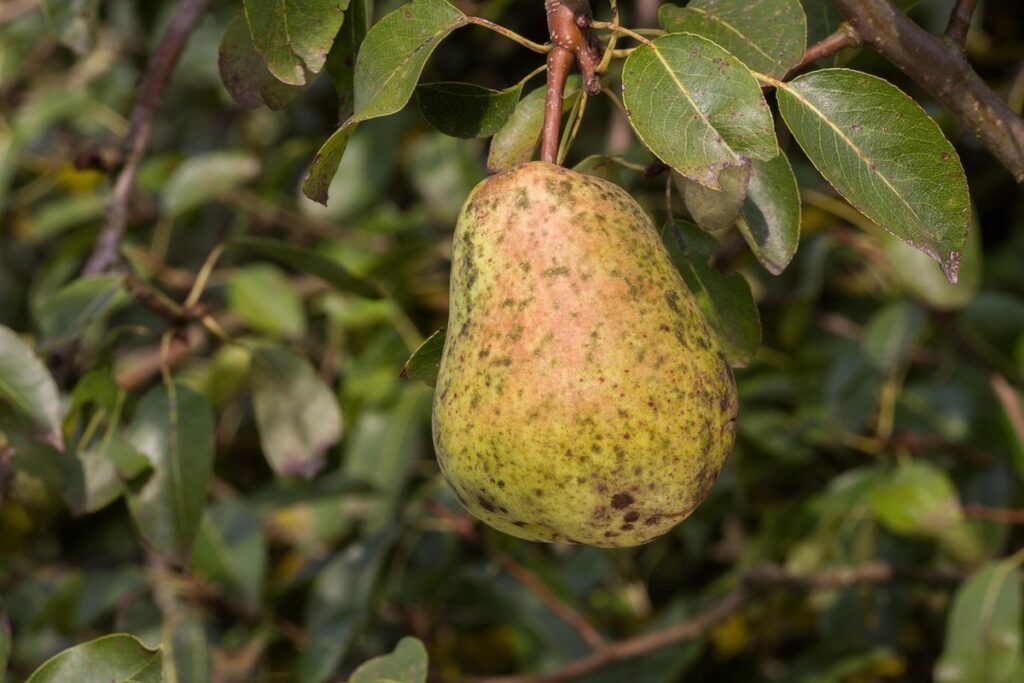
Apple scab is one of the most common and destructive diseases affecting apple trees worldwide. It’s a fungal disease caused by Venturia inaequalis, which infects the leaves, fruits, and stems of apple trees, causing significant damage to the crop. The symptoms of apple scab include yellow or white spots on the leaves, which later turn into black lesions. Infected apples may develop brown or black patches, reducing their quality and marketability.
Apple scab thrives in cool, wet weather conditions, making it a major concern for growers in regions with high humidity and rainfall. If left unchecked, apple scab can cause up to 90% crop loss in severe cases. To prevent this devastating disease, it’s essential to understand its causes and symptoms early on. By recognizing the signs of infection, you can take prompt action to control the spread of apple scab and protect your trees from further damage.
As a grower, keeping an eye out for these warning signs is crucial: yellow or white spots on leaves, premature defoliation, and reduced fruit quality. Regular monitoring and preventive measures, such as pruning infected areas, maintaining good air circulation, and using integrated pest management (IPM) strategies, can help mitigate the impact of apple scab. By taking proactive steps, you can protect your trees and ensure a healthy, productive harvest.
Importance of Preventing Apple Scab
Preventing apple scab is not just essential for maintaining healthy trees and yields; it’s crucial for the economic stability of apple farmers and gardeners. The impact of this disease can be significant, with losses ranging from 30% to 50% of total yield in severe cases. The economic burden is substantial, with each infested orchard losing an estimated $1,500 to $3,000 annually.
Furthermore, failing to control apple scab leads to reduced fruit quality and appearance, making it unsuitable for market. This can result in a loss of revenue from direct sales or through contracts with grocery stores and wholesalers. The disease also affects the reputation of growers, making it challenging to rebuild trust with consumers. To prevent these consequences, gardeners must implement integrated management strategies that include crop rotation, pruning, sanitation, and fungicide applications as needed. Regular monitoring and timely treatment can help minimize damage and ensure a bountiful harvest.
Environmental Factors Contributing to Apple Scab
Let’s dive into some crucial environmental factors that contribute to apple scab, including humidity levels and temperature fluctuations. Understanding these factors will help you create a more effective prevention plan.
Weather Conditions
Weather conditions play a significant role in the development and spread of apple scab. Temperature, humidity, and precipitation are crucial factors to consider when it comes to preventing this disease. Warm temperatures during the spring season, typically between 40°F and 70°F (4°C and 21°C), create an ideal environment for the spores to germinate.
High humidity levels above 80% also contribute to the development of apple scab, as it allows the fungal spores to thrive. Conversely, periods of drought can increase the risk of infection by weakening the tree’s defenses.
Certain weather patterns can significantly increase the risk of apple scab infection. For example, prolonged rain or heavy dew can keep the leaves wet for extended periods, providing a conducive environment for the disease to spread.
To minimize the impact of these factors, farmers and gardeners should monitor local weather forecasts closely. Applying fungicides during peak spore release periods can help prevent infection. Regular pruning of infected branches and maintaining good air circulation around the trees also aid in preventing the spread of apple scab.
Soil pH and Nutrient Levels
When it comes to preventing apple scab, understanding the relationship between soil pH and nutrient levels is crucial. Apple trees that grow in soils with optimal pH conditions tend to be less susceptible to disease. The ideal pH range for most apple varieties lies between 6.0 and 7.0. If your soil’s pH is too high or too low, it can lead to nutrient deficiencies or imbalances.
For example, if the pH is too high (above 7.5), phosphorus availability decreases significantly. Conversely, if the pH is too low (below 5.5), nitrogen and phosphorus become more readily available, but other essential micronutrients like zinc and manganese may become limiting. To ensure optimal nutrient uptake, it’s recommended to have your soil tested regularly and adjust the pH accordingly.
In addition to maintaining a balanced pH, ensuring adequate nutrient levels is also vital. A well-fertilized tree with sufficient calcium, magnesium, and potassium will be better equipped to fight off pathogens like Venturia inaequalis, the fungus responsible for apple scab. By prioritizing soil health through proper pH management and nutrient balancing, you’ll significantly reduce your apple trees’ susceptibility to this devastating disease.
Cultural Practices for Apple Scab Prevention
When it comes to preventing apple scab, understanding and adopting healthy cultural practices can make a significant difference in your orchard’s overall health. Let’s explore some effective techniques you can try today.
Sanitation and Cleaning
Sanitation and cleaning are crucial aspects of apple scab prevention. When it comes to managing this disease, it’s essential to understand that a clean orchard is a healthier one. Regularly removing weeds, debris, and infected leaves can significantly reduce the spread of apple scab.
Here are some practical tips to keep your orchard clean:
* Remove weeds promptly, as they provide an ideal environment for spores to germinate.
* Dispose of any fallen leaves or debris that may harbor infected material. This will prevent the disease from spreading through contact with healthy trees.
* Regularly inspect your trees and prune any branches that show signs of infection.
By maintaining a clean orchard, you’ll be able to reduce the risk of apple scab and create a healthier environment for your trees to thrive in. Remember, prevention is key, so make sanitation and cleaning an integral part of your apple scab management strategy.
When it comes to reducing the spread of disease, every little bit counts. Regular cleaning can help prevent the buildup of fungal spores and reduce the likelihood of infection. By incorporating these simple practices into your routine, you’ll be taking a proactive approach to maintaining a healthy orchard.
Pruning Techniques
When it comes to preventing apple scab, proper pruning techniques play a crucial role. By pruning your trees at the right time and using the correct methods, you can reduce the risk of infection and create a healthier environment for your trees.
One of the most effective ways to prevent apple scab is to prune your trees in the dormant season, typically between late winter and early spring. This allows you to remove any diseased or infected branches before new growth begins, reducing the chance of spores spreading. Additionally, pruning during this time encourages a strong, upright growth habit, making it easier for fungicides to penetrate and protect the tree.
When pruning, be sure to focus on removing any weak or damaged branches, as these are more susceptible to infection. Cut just above a bud eye (the small, swollen area where a branch meets the trunk) at a 45-degree angle, leaving about one-quarter inch of stem attached. This helps promote healthy growth and prevents water from collecting in the cut area.
By incorporating pruning into your apple scab prevention plan, you can significantly reduce the risk of infection and create a thriving environment for your trees to grow and produce delicious fruit.
Chemical Control Methods
When dealing with severe apple scab outbreaks, chemical control methods can be a necessary last resort, so let’s take a look at how to use them safely and effectively.
Fungicides and Their Application
Fungicides are an essential tool in preventing apple scab, but their use requires careful consideration and application. There are several types of fungicides available, including copper-based compounds, sulfur, chlorothalonil, and azoles. Each has its own strengths and weaknesses, and the right choice will depend on the severity of the infestation and the specific needs of your orchard.
When applying fungicides, it’s essential to follow the recommended guidelines carefully. This includes timing, rate of application, and potential interactions with other chemicals or environmental factors. For example, copper-based fungicides are effective against apple scab but can be toxic to bees and other beneficial insects if not applied properly.
Some popular methods of fungicide application include foliar sprays, soil drenches, and trunk injections. Foliar sprays are the most common method, as they provide a direct and targeted approach to controlling apple scab. However, they require precise timing and weather conditions must be favorable for optimal results.
Resistance Management and Rotational Use
Effective resistance management and rotational use of fungicides are crucial in maintaining the efficacy of apple scab control methods. Overuse or misuse of fungicides can lead to the development of resistant strains, rendering these chemicals ineffective in controlling the disease.
To minimize this risk, rotate the active ingredients used in your spray program regularly. For example, if you’ve been using a product containing chlorothalonil, switch to one with azoxystrobin for a season or two. This approach will help delay the development of resistant strains and prevent their buildup.
Another key strategy is to use integrated pest management (IPM) techniques that combine multiple control methods, including cultural practices, biological controls, and chemical applications. For instance, remove infected branches or trees from your orchard to reduce the disease’s spread, and introduce beneficial insects like lady beetles or lacewings to prey on apple scab spores.
Monitor your spray program closely and keep detailed records of your fungicide use. This will help you identify potential issues early on and make data-driven decisions about rotating your chemical applications.
Organic Control Methods
When it comes to preventing apple scab, organic control methods can be a safe and effective way to keep your trees healthy without resorting to harsh chemicals. Here, we’ll explore some of these alternatives in more detail.
Biological Controls
Biological controls offer a promising approach to preventing apple scab. Beneficial insects and microorganisms can help suppress the disease by attacking the fungal spores that cause it. For instance, ladybugs and lacewings are natural predators of aphids, which can spread apple scab. By introducing these beneficial insects into your orchard, you can create a balanced ecosystem where they thrive, reducing the risk of scab.
Another effective biological control is the use of beneficial microorganisms such as Trichoderma harzianum and Bacillus subtilis. These microorganisms produce compounds that inhibit fungal growth, directly attacking the apple scab fungus. You can apply these microorganisms as a foliar spray or soil drench to promote their colonization on plant surfaces.
To integrate biological controls into your orchard management strategy, start by conducting a thorough assessment of your ecosystem. Identify any potential sources of scab-friendly conditions, such as moisture-retentive soils or shading that fosters fungal growth. Then, introduce beneficial insects and microorganisms through targeted releases or applications.
Organic Fungicides and Herbicides
When it comes to preventing apple scab, some gardeners may consider using organic fungicides and herbicides as an alternative to chemical control methods. Organic fungicides and herbicides are derived from natural sources such as plants, bacteria, or fungi, and are designed to target specific pests without harming the environment.
Using organic fungicides can be beneficial for apple scab prevention as they often work in conjunction with good gardening practices like pruning, sanitation, and crop rotation. For example, neem oil is a popular organic fungicide that can be used to control fungal diseases like apple scab. Neem oil works by disrupting the life cycle of fungi, preventing them from infecting the plant.
However, there are limitations to using organic fungicides and herbicides. Some may not be as effective as chemical controls in severe infestations or high-risk environments. Additionally, some organic products can be expensive or hard to find. When choosing an organic fungicide or herbicide, look for products that have been specifically labeled for use against apple scab and follow the application instructions carefully.
Monitoring and Managing Apple Scab
Monitoring for apple scab can be a challenging task, especially if you’re not sure what to look for. That’s why we’ll walk you through the key signs and symptoms to help you catch this disease early on.
Identification and Diagnosis
Identifying and diagnosing apple scab is crucial for effective management. Apple scab symptoms can be subtle at first but become more pronounced over time. Initially, you may notice yellow or greenish spots on the leaves, which eventually turn brown and crumbly. These lesions often have a powdery or fuzzy appearance, particularly when viewed under magnification.
As apple scab progresses, it can cause significant damage to fruit production. Infected apples develop a rough, corky texture and may drop prematurely. Apple trees exhibiting these symptoms should be inspected carefully for signs of the disease, including the presence of fungal spores on the underside of leaves.
Laboratory tests, such as PCR (polymerase chain reaction) analysis or DNA sequencing, can help confirm an apple scab diagnosis. For a more practical approach, send a leaf sample to your local nursery or extension office for expert evaluation. Regular monitoring and early detection enable timely treatment and minimize the risk of disease spread.
When inspecting trees, focus on areas where leaves are more susceptible, such as between nodes or near the tips. Be sure to examine both upper and lower surfaces of leaves for signs of infection.
Integrated Pest Management (IPM) Strategies
When it comes to managing apple scab, Integrated Pest Management (IPM) strategies are crucial for effective prevention and control. IPM is an ecological approach that considers the complex interactions between the environment, pests, and cultural practices. To make informed management decisions, it’s essential to monitor weather conditions, soil pH, and nutrient levels.
Monitoring weather conditions helps predict the ideal time for fungicide applications. For example, applying a fungicide 2-3 weeks before scab infections typically occur can significantly reduce the risk of infection. Soil pH also plays a critical role in managing apple scab. Most apple varieties prefer slightly acidic to neutral soil pH (5.5-7.0). If your orchard’s soil pH is too high, consider adjusting it through lime application.
Additionally, maintaining optimal nutrient levels ensures healthy trees can withstand disease pressures. A balanced fertilizer program should be implemented according to the orchard’s specific needs. Regularly monitoring these factors allows you to make data-driven decisions and adapt management strategies accordingly. By combining IPM with a deep understanding of your orchard’s unique conditions, you’ll be well-equipped to prevent apple scab effectively.
Conclusion
Now that you’ve learned about the causes of apple scab and effective prevention methods, it’s time to put your knowledge into action. To summarize, maintaining a healthy orchard ecosystem is crucial in preventing apple scab disease. This includes ensuring proper air circulation, watering, and fertilization practices. It also involves choosing resistant apple varieties and implementing integrated pest management strategies.
By incorporating these measures into your orchard care routine, you can significantly reduce the risk of apple scab infestations. Remember to monitor your trees regularly for signs of the disease and adjust your prevention methods as needed. With consistent effort and attention to detail, you can enjoy a bountiful and healthy apple harvest year after year.
Frequently Asked Questions
What if I’ve already planted my apple trees, and they’re showing signs of apple scab? Can I still implement the prevention strategies mentioned?
You can still implement the prevention strategies, but it’s essential to act quickly to minimize damage. Start by removing infected leaves and fruit, and sanitize your pruning tools to prevent further spread. Then, apply fungicides or organic control methods as recommended in the main article. Keep in mind that prevention is key, so try to avoid these scenarios in the future.
How often should I monitor my orchard for signs of apple scab during the growing season?
Regular monitoring is crucial to catching apple scab early and preventing its spread. Check your trees at least once a week, looking for yellow or white spots on leaves, which can turn into black lesions over time. Also, inspect fruits for brown or black patches. Take immediate action if you notice any signs of infection.
Can I use the same fungicides every year to control apple scab, or do I need to rotate them?
Rotating fungicides is recommended to prevent resistance buildup and ensure continued effectiveness. The main article discusses rotational use and resistance management strategies in more detail. Be sure to follow these guidelines to maintain the health of your orchard.
How can I reduce the risk of spreading apple scab to other parts of my orchard or neighboring trees?
To minimize the risk of spread, always sanitize your pruning tools between cuts, and disinfect any equipment that comes into contact with infected areas. Regularly clean up fallen leaves and fruit, and consider implementing a sanitation schedule for your entire orchard.
Are there any organic fungicides or biological controls that are suitable for use in sensitive ecosystems or near water sources?
Yes, there are several options available. Organic fungicides like copper-based products can be used, but ensure you follow the recommended application rates to avoid harming beneficial organisms. Biological controls such as Trichoderma harzianum can also be effective and environmentally friendly alternatives. However, always consult local regulations before applying any control methods in sensitive areas or near water sources.