
The apple coddling moth infestation is one of the most frustrating problems apple growers face each year. These pesky moths can devastate an entire harvest, causing significant economic losses and reducing yields. But there’s hope for controlling these unwanted pests without breaking out the heavy chemical arsenal. In this article, we’ll delve into the world of organic and chemical methods to control apple coddling moth infestations, as well as explore prevention techniques like sanitation and physical barriers. We’ll cover everything from identifying the signs of an infestation to implementing effective pest management strategies that will help you protect your apples and keep these moths at bay. Whether you’re a seasoned grower or just starting out, this guide is packed with practical tips and advice to help you tackle apple coddling moth control once and for all.
Understanding the Problem
To tackle apple coddling moth control effectively, it’s essential to first understand the root of the problem: how these moths infest and damage your trees. Let’s take a closer look at what causes this issue.
What is an Apple Coddling Moth?
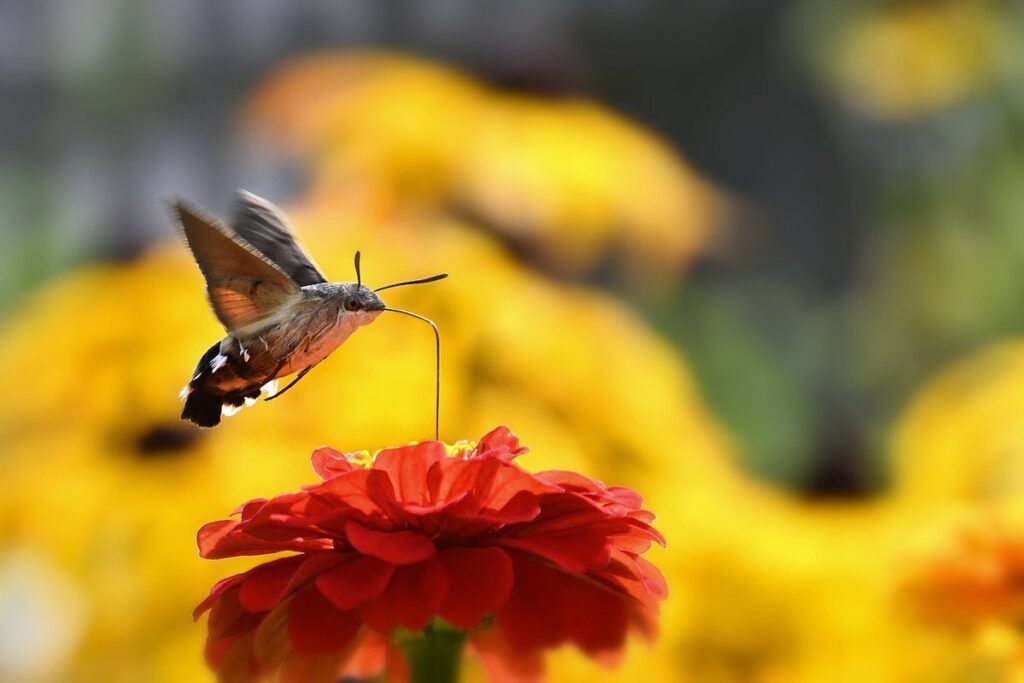
The apple coddling moth (Cydia pomonella) is a significant pest of apple trees worldwide. These moths are small to medium-sized insects, with grayish-brown wings and distinctive silvery markings. They have a complex life cycle, which begins in the spring when adult females lay eggs on apple blossoms or young fruit.
The larvae that emerge from these eggs feed on the developing apples, causing damage and creating entry points for other pests and diseases. The larvae go through several instars before pupating within the apple core. Adult moths typically emerge from mid-spring to early summer, when they begin the cycle anew.
It’s essential to understand that multiple generations of apple coddling moths can occur in a single growing season, which is why control measures need to be implemented promptly and consistently throughout the year. Regular monitoring for signs of infestation, such as tiny exit holes or frass (insect droppings), can help you detect an issue early on and take corrective action before it’s too late.
By being aware of the life cycle and habits of the apple coddling moth, you’ll be better equipped to develop effective control strategies tailored to your specific orchard needs.
Damage Caused by Apple Coddling Moths
Apple coddling moths can cause significant damage to apple trees and fruit, resulting in substantial economic losses for orchard owners. The larvae of the moth feed on the leaves and fruit of the tree, causing defoliation and reducing yields.
Some common types of damage caused by apple coddling moths include:
* Holes or tunnels in the skin of the fruit, making it unsuitable for market
* Discoloration or browning of the fruit’s skin, which can also affect its quality and appearance
* Premature ripening of the fruit, as the larvae feed on the surrounding tissue
* Weakened trees due to extensive defoliation, making them more susceptible to disease and pests
In severe cases, apple coddling moth infestations can lead to tree mortality. For example, a study in Washington state found that an average of 20-30% of apples harvested were damaged by the moths.
To minimize damage, it’s essential to implement effective control methods, such as monitoring for eggs and larvae, using pheromone traps, and introducing beneficial insects that prey on the moth. Regular pruning and sanitation practices can also help prevent infestations from getting out of hand.
Identifying Infestations
To effectively control apple coddling moths, it’s essential to first identify any infestations that may be occurring on your trees. Look for signs of damage and eggs on the apples themselves.
Signs of an Apple Coddling Moth Infestation
If you suspect an apple coddling moth infestation on your property, it’s essential to recognize the common signs of infestation. One of the primary indicators is the presence of moth eggs, which are typically laid on the underside of leaves or on the fruit itself. These small, white, spherical masses can be difficult to spot, but they’re often found near areas with high humidity.
Larval activity is another sign of an infestation. Apple coddling moths lay their eggs on the apple tree, and when the larvae hatch, they begin feeding on the fruit. You may notice small holes or tunnels in the apples, particularly around the calyx end. The larvae can also leave behind a brownish-green deposit on the fruit’s surface.
Adult moths are often seen flying near the affected areas during dawn and dusk hours. They have a grayish-brown color with distinctive white spots on their wings. If you notice these adult moths, it may indicate that an infestation is present or nearby.
Monitoring for Apple Coddling Moths
Monitoring for Apple Coddling Moths is crucial to effective control. To detect infestations early on, you’ll need to understand where these moths are most likely to be found and what signs to look out for.
Common Places to Monitor
Start by inspecting areas around apple trees, particularly in the orchard or garden where your apples grow. This includes tree trunks, branches, leaves, and nearby vegetation. In homes, check storage areas, pantries, and fruit baskets. Moths are attracted to the smell of ripe fruit, so it’s essential to monitor any areas where apples are stored.
Visual Cues
Apple coddling moths can be difficult to spot because they are small and usually active at night. However, you may notice:
* Tiny eggs on the underside of leaves or tree bark
* Small holes in apple skins
* Silky webbing around affected fruit
* Larvae or adult moths caught in sticky traps
Sticky Traps
One effective monitoring method is using sticky traps coated with pheromones that mimic female moth scent. Hang these near the base of trees or in areas where you suspect infestations, and check them regularly for captured moths.
Regular monitoring and early detection are key to preventing infestations and controlling apple coddling moth populations. By knowing what signs to look out for and using sticky traps, you can catch infestations before they spread, reducing the need for chemical treatments and minimizing damage to your fruit trees.
Organic Control Methods
If you’re looking for a non-toxic and environmentally friendly way to manage apple coddling moths, we’ve got you covered with these effective organic control methods. Let’s dive into some natural techniques that’ll keep your orchard healthy and pest-free!
Hand-Picking and Trapping
Hand-picking is an essential technique for controlling apple coddling moth populations. It involves manually removing infested fruit from trees to prevent further damage. To do this effectively, inspect the fruit regularly, focusing on areas with high infestation rates. Use a gentle touch when handling the fruit to avoid causing additional damage.
For smaller orchards or home gardens, hand-picking can be a cost-effective and efficient method for controlling apple coddling moth populations. For instance, a study in Washington state found that hand-picking reduced coddling moth populations by 70% on small-scale organic farms.
Homemade trapping methods are another effective way to control apple coddling moths. One popular approach is using pheromone traps baited with synthetic sex attractants. These traps can be hung near the trees, and when the male moths are attracted to the trap, they become trapped and unable to mate.
When creating your own homemade trap, consider using a plastic container or bag with some attractive lures such as apple cider vinegar or banana peels to entice the moths inside. Once the moth is trapped, dispose of it properly to prevent further infestation.
Biological Controls: Natural Predators and Parasites
Beneficial insects play a vital role in controlling apple coddling moth populations. These natural predators and parasites prey on the moths at various life stages, making them an essential component of integrated pest management (IPM) strategies.
One example is Trichogramma wasps, tiny parasitic wasps that lay their eggs inside the apple coddling moth’s eggs or larvae. Upon hatching, these Trichogramma eggs devour the moth’s offspring from within. This biological control method can reduce apple coddling moth populations by up to 70%. Lady beetles and lacewings are also beneficial insects that feed on apple coddling moths, while Braconid wasps parasitize the adult moths.
To introduce these beneficial insects into your orchard, consider using a technique called ” augmentation.” This involves releasing large numbers of beneficial insects in a specific area to ensure they can establish themselves and start controlling moth populations. For example, Trichogramma wasps can be applied as a spray or introduced through bait stations. By harnessing the power of these natural predators and parasites, you can maintain a balanced ecosystem and reduce your reliance on chemical pesticides.
Chemical Control Methods
When it comes to tackling apple coddling moth infestations, using chemical control methods can be an effective solution for your orchard. We’ll explore some of these options in more detail below.
Introduction to Insecticides for Apple Coddling Moth Control
When it comes to controlling apple coddling moth populations, insecticides are often considered a last resort. This is because they can have negative impacts on the environment and human health if not used carefully. Insecticides can be particularly detrimental to beneficial insects like bees and butterflies that pollinate apple trees.
If you do decide to use insecticides for apple coddling moth control, it’s essential to choose products specifically labeled for this purpose. These products typically contain pyrethroids or organophosphates, which are toxic to the moths’ nervous system. However, always follow the label instructions carefully and take necessary precautions to avoid harming yourself, others, or the environment.
To minimize risks, apply insecticides in the evening when adult moths are most active, and use a spray that will reach all areas of the tree where eggs and larvae may be hiding. Keep in mind that repeated applications can lead to resistance development in moth populations. Monitor your trees closely for any signs of treatment failure or adverse effects on beneficial insects.
Choosing the Right Insecticide: Safety Precautions and Guidelines
When it comes to controlling apple coddling moths, choosing the right insecticide is crucial. Not only do you want to ensure that it effectively kills the pests, but also that it doesn’t harm the environment or put human safety at risk.
To make an informed decision, consider the efficacy of the insecticide – does it have a proven track record against apple coddling moths? Look for products that contain active ingredients such as spinosad or Bacillus thuringiensis (Bt). These have been shown to be effective in controlling moth populations.
Next, think about the environmental impact. Some insecticides can contaminate soil and waterways, harming beneficial insects and other wildlife. Opt for products with low toxicity and minimal risk of drift, such as those labeled as “environmentally friendly” or “IPM-compatible.” Finally, always follow the manufacturer’s instructions carefully to minimize human exposure.
When selecting an insecticide, also consider its human safety profile. If you have children or pets that spend time in your orchard, choose a product with low toxicity and no acute hazard ratings.
Prevention Techniques
To successfully control apple coddling moths, understanding prevention techniques is key. This section shares practical methods to prevent infestations and protect your orchard from these damaging pests.
Sanitation and Cleaning Practices
To prevent apple coddling moth infestations, regular cleaning and sanitation practices are essential. Start by inspecting your orchard or garden regularly for signs of moth activity, such as damaged fruit or debris. Remove any fallen apples or debris to reduce the risk of attracting moths.
Clean any storage areas, equipment, and tools used in the orchard using a mixture of soap and water. Pay particular attention to cracks and crevices where eggs and larvae may hide. Dry all cleaned surfaces thoroughly to prevent moisture buildup.
Properly dispose of infested or damaged fruit, as well as any debris collected from the orchard. Consider composting clean materials, but ensure they’re fully broken down before using them in your garden. Regularly disinfect pruning tools and other equipment used for maintaining the trees to prevent cross-contamination.
In addition to these practices, consider implementing integrated pest management (IPM) strategies that combine sanitation with biological or chemical controls for more effective moth control.
Physical Barriers: Netting and Row Covers
When it comes to preventing apple coddling moths from reaching your trees, physical barriers can be an effective and non-chemical solution. One of the most commonly used physical barriers is netting. This is a lightweight mesh fabric that fits snugly over individual trees or entire orchards. Netting is available in various mesh sizes, but for apple coddling moth control, a mesh size of 1/4 inch (6 mm) is usually sufficient.
To install netting, simply drape it over the tree branches and secure with twine or clips. This will prevent adult moths from flying into the area and laying eggs on the leaves and fruit. You can also use row covers, which are similar to netting but often made of a lighter material. Row covers work well for smaller trees or areas where installing individual nets may be impractical.
When choosing between netting and row covers, consider the size and layout of your orchard. Netting is more effective for large trees or areas with dense foliage, while row covers are better suited for smaller spaces or young trees.
Integrated Pest Management (IPM) for Apple Coddling Moth Control
Effective IPM involves a holistic approach to pest control, using a combination of cultural, biological, and chemical controls to minimize damage from apple coddling moth. This section will explore the key strategies involved in implementing an integrated pest management plan.
IPM Strategies and Techniques
When it comes to controlling apple coddling moths, an Integrated Pest Management (IPM) approach is crucial for long-term success. This involves combining multiple control methods to minimize harm to the environment and your apple crop. At its core, IPM strategies focus on cultural practices that promote healthy tree growth, reduce pest susceptibility, and encourage beneficial organisms.
For example, maintaining a balanced soil pH, ensuring adequate water supply, and implementing proper pruning techniques can all contribute to an IPM strategy. Biological controls involve introducing natural predators or parasites of the apple coddling moth, such as parasitic wasps or fungi that target its larvae. Chemical controls may be necessary in severe infestations, but should be applied judiciously and in combination with other methods.
To implement a comprehensive IPM plan for apple coddling moths, consider the following steps:
* Monitor your orchard regularly to detect early signs of infestation
* Use pheromone traps to identify male moth activity and target control efforts
* Introduce natural predators or parasites as needed
* Apply targeted chemical treatments when necessary
Monitoring and Record-Keeping in IPM Programs
Monitoring and record-keeping are crucial components of an effective IPM program for apple coddling moth control. By regularly monitoring the pest’s activity, you can identify potential issues before they escalate into infestations. Record-keeping allows you to track progress, make informed decisions, and adjust your strategy as needed.
When it comes to monitoring, focus on key indicators such as pheromone trap captures, larval damage, and adult moth sightings. You should also consider factors like weather patterns, soil moisture, and crop growth stages, which can impact the pest’s behavior. For instance, during periods of high rainfall or drought, apple coddling moths may be more active.
To maintain accurate records, use a dedicated logbook or spreadsheet to track monitoring results, treatment applications, and other relevant data. This will help you identify trends and patterns that inform your decision-making process. By combining regular monitoring with meticulous record-keeping, you’ll be well-equipped to adapt to the changing needs of your orchard and maintain effective apple coddling moth control.
Frequently Asked Questions
Can I use a combination of organic and chemical control methods to manage apple coddling moth infestations?
Yes, many growers successfully integrate multiple approaches for effective control. This might include using physical barriers like netting or row covers alongside biological controls, such as introducing natural predators or parasites. Chemical insecticides can be reserved for more severe cases, taking care to follow safety guidelines and minimizing their use.
How often should I monitor my trees for signs of apple coddling moth infestation during peak season?
Regular monitoring is crucial during the spring and summer months when moths are most active. Check your trees at least once a week, paying close attention to areas with high fruit production or where you’ve noticed previous infestations. Be sure to record any findings in your IPM journal for future reference.
Are there specific sanitation practices I should follow to prevent apple coddling moth egg laying on my trees?
Yes! Sanitation is an essential aspect of preventing re-infestation. Remove and dispose of fallen fruit, debris, or weeds near your trees to eliminate potential harborage sites. Dispose of infested or damaged fruit in sealed bags or containers to prevent eggs from hatching. Regularly clean tools and equipment with soap and water.
How do I balance the use of biological controls with the need for more immediate results when dealing with severe apple coddling moth infestations?
Biological controls can be slower-acting than chemical methods, so it’s essential to have a plan in place for handling severe cases. For instance, introducing natural predators or parasites might take several weeks to become effective. Meanwhile, you may need to implement additional control measures like hand-picking, trapping, or targeted insecticide applications to mitigate immediate damage.
Can I use the same insecticides for controlling apple coddling moths on different varieties of apples?
No, it’s crucial to follow label instructions and ensure that your chosen insecticide is registered for use on the specific variety of apples you’re growing. Some chemicals might have varying levels of efficacy or safety profiles depending on the tree type, so always verify compatibility before application.