
Are you ready to unlock the incredible health benefits of some of the most vibrant veggies on your plate? Anthocyanin, a powerful antioxidant responsible for those stunning purple hues, is not only a feast for the eyes but also a treasure trove of nutrients. From reducing inflammation and fighting free radicals to supporting heart health and anti-aging, anthocyanin-packed purple vegetables are a game-changer in the world of nutrition. In this article, we’ll delve into the amazing properties of these superfoods, exploring how they can boost your overall well-being and share simple, mouth-watering recipes to incorporate them into your daily meals. By the end of it, you’ll be eager to get cooking with purple vegetables like eggplant, radicchio, and red cabbage!
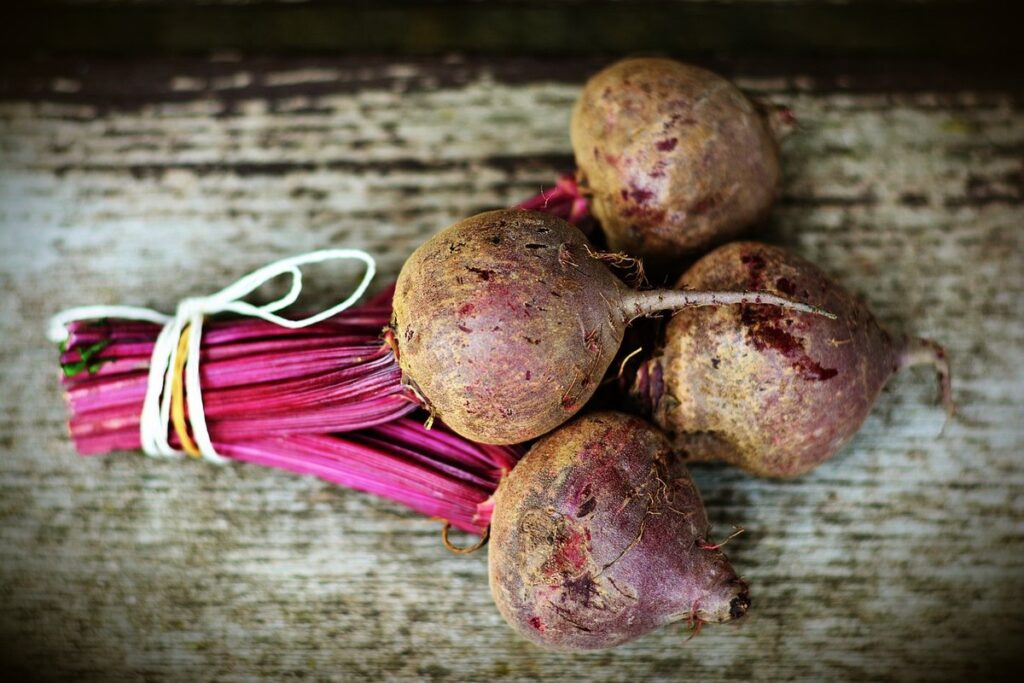
Section 1: Introduction to Anthocyanins
Welcome to our exploration of anthocyanin-packed purple vegetables, where we’ll start by diving into what these incredible compounds are and why they’re so important for our health. Let’s get started on this fascinating journey together!
What Are Anthocyanins?
Anthocyanins are a type of powerful plant compound that’s responsible for the vibrant purple color you see in certain fruits and vegetables. These pigments are actually a subclass of flavonoids, which are some of the most studied and beneficial compounds found in plant-based foods. To break it down further, anthocyanins are a specific class of anthocyanidins, which are responsible for the red, purple, and blue colors of many fruits and vegetables.
You may be wondering why we’re so excited about these pigments. Well, not only do anthocyanins contribute to the beautiful colors of our favorite foods, but they also play a significant role in their health benefits. Research has shown that anthocyanins have high antioxidant activity, which helps protect cells from damage caused by free radicals. This is just one reason why incorporating more purple vegetables into your diet can have a positive impact on overall health and well-being.
The Science Behind Anthocyanins
At the heart of purple vegetables’ vibrant color lies a group of powerful antioxidants called anthocyanins. These complex molecules are responsible for the red, purple, and blue hues found in various fruits and vegetables. But what exactly is the chemistry behind anthocyanins? Simply put, anthocyanins are water-soluble pigments that belong to the flavonoid family. They consist of a ring structure called a flavan nucleus, which contains six carbon rings.
This unique molecular configuration allows anthocyanins to absorb certain wavelengths of light and reflect others, resulting in their characteristic colors. The specific color produced depends on the pH level of the plant’s environment – acidic conditions tend to produce more red hues, while neutral or alkaline conditions yield purple shades. For instance, blueberries are typically more acidic than raspberries, which is why they have a deeper purple color.
In addition to their role in coloration, anthocyanins play a crucial part in protecting plants from excessive sunlight and oxidative stress. They help to regulate the plant’s photosynthetic activity and protect it against damage caused by free radicals.
Section 2: Health Benefits of Consuming Purple Vegetables
Rich in antioxidants and bursting with flavor, purple vegetables offer a wealth of health benefits that will leave you feeling energized and revitalized. Let’s dive into some of the most impressive advantages of adding these superfoods to your diet.
Antioxidant Properties and Anti-Inflammation
When we think about the health benefits of purple vegetables, two key areas come to mind: antioxidant properties and anti-inflammation. And it’s no surprise why – anthocyanins, the powerful pigments responsible for these veggies’ deep color, are some of the most potent antioxidants found in nature.
Think of oxidative stress like a fire raging out of control inside your body, causing cell damage and speeding up aging. Antioxidants are like firefighters, snuffing out those flames before they get too big to handle. And anthocyanins are among the strongest firefighters around! They neutralize free radicals, reducing inflammation and protecting cells from harm.
The science is clear: a diet rich in anthocyanin-rich foods can help mitigate chronic diseases like heart disease, diabetes, and certain cancers. For example, studies have shown that eating 1-2 cups of cooked purple vegetables per week can lower cardiovascular risk by up to 30%. So what are you waiting for? Make room on your plate for more eggplant, radicchio, or beets – your body will thank you!
Cardiovascular Health and Disease Prevention
When it comes to cardiovascular health, the benefits of anthocyanin-rich purple vegetables are nothing short of remarkable. Research has shown that these powerful compounds play a significant role in lowering blood pressure and reducing the risk of cardiovascular disease.
One key way anthocyanins achieve this is by improving blood vessel function. By relaxing and widening blood vessels, anthocyanins allow for improved blood flow and reduced blood pressure. This can have a profound impact on overall heart health, particularly for individuals at risk of cardiovascular disease.
Studies have consistently shown that populations with high anthocyanin intake have lower rates of heart disease. For example, a study of over 20,000 participants found that those who consumed the most anthocyanins had a 16% lower risk of cardiovascular disease compared to those with low consumption.
To reap the benefits for yourself, focus on incorporating more purple vegetables into your diet. Try adding beets, eggplants, or purple cabbage to your salads, stews, and roasts. By making these simple changes, you can start reaping the rewards of anthocyanin-rich purple vegetables and protecting your heart health in the process.
Section 3: Types of Purple Vegetables High in Anthocyanins
When it comes to harnessing the power of purple vegetables, understanding the different types is key. Let’s dive into some of the most potent anthocyanin-rich options you can easily incorporate into your diet.
Eggplant and Its Many Varieties
Eggplant is one of the most versatile and nutritious purple vegetables out there. Not only does it add depth to a variety of dishes, but it’s also packed with anthocyanins and other essential nutrients. But did you know that there are many types of eggplants available, each with its own unique characteristics and uses?
Some popular varieties include the classic Italian eggplant, which is great for frying or grilling due to its tender skin. Then there’s the Japanese eggplant, also known as the “elongated” eggplant, which has a thinner skin and a sweeter flavor. The Thai eggplant, on the other hand, is smaller and more rounded, with a thicker skin that holds up well to stir-frying.
When choosing an eggplant variety, consider how you plan to prepare it. For example, if you’re looking for a crispy exterior and a tender interior, the Italian or Japanese eggplant might be your best bet. If you prefer a heartier, more robust flavor, try using the Thai eggplant in a stir-fry or curry. Experimenting with different varieties can add excitement to your cooking routine and keep mealtime interesting.
Other Anthocyanin-Rich Purple Vegetables
In addition to the previously mentioned anthocyanin-rich vegetables, there are several other purple vegetables that offer impressive health benefits. Radicchio, for instance, is a leafy green vegetable with deep red-purple leaves that are packed with anthocyanins and other antioxidants. It’s an excellent choice for salads and can add a pop of color to your dishes.
Beets, another vibrant purple vegetable, are not only visually stunning but also rich in nutrients. They’re a great source of fiber, vitamins, and minerals like potassium and manganese. When cooked, beets release their anthocyanins, which have been shown to reduce inflammation and improve cardiovascular health.
Purple cabbage is yet another hidden gem that deserves attention. Its deep purple hue indicates an abundance of anthocyanins, which are powerful antioxidants that can help protect against chronic diseases like cancer and Alzheimer’s disease. To incorporate these nutrients into your diet, try adding shredded purple cabbage to salads or using it as a crunchy topping for tacos and burgers.
To reap the benefits of radicchio, beets, and purple cabbage, aim to include them in your meals at least 2-3 times a week. Experiment with different recipes to find ways to incorporate these vegetables into your favorite dishes.
Section 4: Cooking and Preparing Purple Vegetables for Maximum Benefit
When cooking with purple vegetables, it’s essential to bring out their natural sweetness and vibrant color. Here are some expert tips on how to prepare them for maximum nutritional benefit.
Tips for Preserving Anthocyanins During Cooking
When cooking with purple vegetables like eggplants and red cabbage, it’s essential to preserve the delicate anthocyanins that give them their vibrant color. Unfortunately, heat, cooking methods, and storage can significantly impact the retention of these beneficial compounds.
To minimize loss of anthocyanins during cooking, choose gentle heat and quick cooking times. Steaming or stir-frying purple vegetables for 2-3 minutes is a great way to retain their color and nutrients. However, if you prefer to boil or roast them, try to limit the cooking time to 5-7 minutes to avoid breaking down the anthocyanins.
When it comes to storage, keep in mind that light exposure can also affect anthocyanin retention. Store purple vegetables in a cool, dark place to preserve their color and nutrients. If you must store them in the refrigerator, use a paper bag or wrap them tightly in plastic wrap to prevent oxygen from breaking down the anthocyanins.
Some simple cooking techniques like sautéing with acidity (like lemon juice) can also help preserve anthocyanins. Additionally, using minimal water and gentle heat when cooking will help retain these beneficial compounds. By following these tips, you’ll be able to enjoy your purple vegetables while maximizing their health benefits.
Simple Recipes to Incorporate More Purple Veggies into Your Diet
Incorporating more purple veggies into your diet is easier than you think. With their deep, rich colors and antioxidant-packed goodness, it’s no wonder these vegetables are a superfood powerhouse. To make the most of this incredible nutrient profile, we’ve put together some simple recipes to get you started.
Try adding a handful of chopped purple cabbage to your favorite salad or slaw recipe for an instant boost of vitamins and minerals. The sweetness of the cabbage pairs perfectly with tangy dressings like apple cider vinegar or lemon juice.
For a more substantial meal, whip up a hearty Purple Sweet Potato Soup by roasting 2-3 large sweet potatoes until tender, then blending them with vegetable broth, garlic, and a pinch of nutmeg. This comforting soup is not only delicious but also packed with anthocyanins to fight inflammation and protect against chronic diseases.
You can also make the most of purple carrots in a simple Roasted Carrot Salad by tossing 4-6 thinly sliced carrots with olive oil, salt, pepper, and a sprinkle of chopped fresh herbs like parsley or cilantro. Roast at 425°F for 20-25 minutes until tender and caramelized.
With these easy recipes, you’ll be well on your way to unlocking the full health benefits of purple veggies in no time!
Section 5: Incorporating Anthocyanin-Rich Purple Vegetables into a Balanced Diet
Now that you’ve discovered the incredible health benefits of anthocyanin-rich purple vegetables, let’s explore some delicious ways to incorporate them into your daily meals. This section will share practical tips for making purple veggies a staple in your balanced diet.
Meal Planning and Preparation Tips
Incorporating more purple vegetables into your diet can seem daunting, but with a little planning and prep, you’ll be on your way to unlocking the incredible health benefits of anthocyanins. One of the easiest ways to start is by dedicating one or two nights a week to meal prep. Set aside some time to chop, slice, and roast a variety of purple vegetables such as eggplants, radicchio, or purple cabbage.
As you plan your meals for the week, think about how you can incorporate these colorful veggies into your daily routine. Add roasted sweet potatoes to your breakfast hash, toss purple kale into your lunchtime salad, or use beet juice as a natural food coloring in homemade pasta sauce. Remember, meal prep is not just about cooking and portioning out individual meals – it’s also about creating a plan that makes healthy eating easy and sustainable.
To make the most of your meal planning, try the following tips: shop for seasonal produce to ensure optimal flavor and nutrition; keep a running list of recipe ideas on your fridge or phone so you can easily reference them throughout the week; and don’t be afraid to get creative with new ingredients – after all, that’s where the magic happens!
Combining Purple Veggies with Other Nutrient-Dense Foods
When combining purple veggies with other nutrient-dense foods, consider pairing them with healthy fats like avocado, nuts, and seeds to enhance their absorption and bioavailability. For example, add sliced eggplant to a salad mixed with olive oil, lemon juice, and chopped walnuts for a flavor-packed and nutritious meal.
Other excellent pairing options include combining purple vegetables with whole grains, legumes, or lean proteins to create balanced and filling dishes. A simple way to do this is by adding roasted beets to a quinoa bowl topped with grilled chicken, mixed greens, and a citrus vinaigrette. This combination not only offers an impressive array of vitamins and minerals but also provides sustained energy due to the complex carbohydrates in quinoa.
Some additional pairing suggestions include:
• Pair purple cabbage slaw with a lean turkey or veggie wrap for added fiber and antioxidants
• Add purple sweet potatoes to a hearty lentil soup for a boost of vitamin A and minerals
• Combine roasted Brussels sprouts with farro, cherry tomatoes, and grilled chicken for a flavorful and nutritious one-pot dish
Section 6: Research and Studies Supporting the Health Benefits of Anthocyanins
Research has been pouring out on the incredible health benefits of anthocyanin-rich vegetables, providing valuable insights into their potential impact on our well-being. Let’s dive into some of the key findings that showcase the power of purple.
Overview of Key Studies
Numerous studies have shed light on the incredible health benefits of anthocyanin consumption. A 2018 review published in the Journal of Agricultural and Food Chemistry found that anthocyanins may help reduce inflammation, improve cardiovascular health, and even exhibit anti-cancer properties. For instance, a study on elderberry (Sambucus nigra) anthocyanins discovered that they possess potent antioxidant activity, capable of neutralizing free radicals and protecting against oxidative stress.
In another notable study published in the Journal of Nutrition, researchers investigated the effects of pterostilbene-rich grape extract (a major anthocyanin derivative) on cognitive function in older adults. The results showed significant improvements in memory and attention compared to a placebo group. These findings suggest that incorporating anthocyanin-rich foods into your diet may have far-reaching benefits for overall health, from inflammation reduction to cognitive support.
More research is needed to fully understand the mechanisms behind these effects, but one thing is clear: making purple vegetables a staple of your meals can be a powerful step towards unlocking their health benefits.
Limitations and Future Directions for Research
While anthocyanins have shown tremendous promise in various health benefits, there are still some limitations and areas that need further research. For instance, the long-term effects of high anthocyanin intake on human health are not well understood. Some studies suggest that excessive consumption may lead to an increased risk of kidney stones or interact with certain medications.
Additionally, most current research has been conducted in vitro or using animal models, which limits our understanding of how anthocyanins function within the human body. More human clinical trials are needed to confirm the efficacy and safety of anthocyanin-rich foods for various health conditions.
To take advantage of the potential benefits of anthocyanin-packed vegetables, focus on incorporating a variety of these foods into your diet in moderation. Aiming for 1-2 servings per day is a good starting point. Some examples of anthocyanin-rich vegetables include eggplant, red cabbage, and radicchio.
As research continues to unfold, we can expect to see more targeted studies exploring the specific health benefits of different anthocyanin varieties and their potential applications in disease prevention and treatment.
Section 7: Conclusion and Final Thoughts
Now that you’ve learned all about the incredible health benefits of anthocyanin-packed vegetables, let’s wrap up our exploration of their power. Here are some final thoughts on incorporating them into your daily life.
Recap of Key Takeaways
As we conclude our exploration of the incredible health benefits of anthocyanin-packed purple vegetables, it’s essential to revisit the key takeaways that will have the most significant impact on your well-being. By incorporating these nutrient-dense foods into your diet, you’ll be harnessing the power of nature’s superfoods to boost your energy levels, support cardiovascular health, and even reduce inflammation.
The importance of anthocyanins in protecting against chronic diseases cannot be overstated. Studies have shown that a high consumption of anthocyanin-rich foods can decrease the risk of heart disease by up to 32% and reduce the likelihood of developing type 2 diabetes by as much as 26%. By making purple vegetables a staple in your kitchen, you’ll not only be treating yourself to a flavorful addition but also providing your body with a wealth of essential nutrients.
So what can you do today to unlock the full potential of anthocyanin-packed vegetables? Start by incorporating at least one serving of these superfoods into each meal. Experiment with new recipes and flavors to find your favorite way to enjoy them.
Encouragement to Make Purple Vegetables a Part of Your Healthy Diet
As we’ve explored the incredible health benefits of anthocyanin-packed purple vegetables, it’s time to make a commitment to incorporate them into our daily lives. By doing so, you’ll be unlocking a wealth of nutrients that can have a profound impact on overall well-being.
First and foremost, aim to include at least 2-3 servings of purple vegetables in your diet each week. This could be as simple as adding a handful of kale or arugula to your morning smoothie, snacking on a few dark grapes, or roasting a batch of eggplants for dinner. The key is to make it convenient and enjoyable.
Consider incorporating purple vegetables into your favorite dishes, such as pasta sauces, soups, or stir-fries. Not only will you be adding an explosion of color to the plate, but also a boost of antioxidants and fiber. Don’t be afraid to get creative with new recipes or experiment with different cooking methods – your taste buds (and body) will thank you!
Frequently Asked Questions
Can I store anthocyanin-rich purple vegetables at room temperature, or do they require special handling?
While it’s tempting to display your newly purchased purple veggies on the kitchen counter, they’re best stored in a cool, dry place away from direct sunlight. For longer-term storage, consider refrigerating them to preserve their nutrient content and prevent spoilage.
How can I incorporate more anthocyanin-rich vegetables into my diet if I have limited cooking experience?
Start small by incorporating one new purple veggie per week into your meals. Try roasting or grilling eggplant as a side dish, or add shredded red cabbage to salads for a burst of color and nutrients. As you gain confidence in the kitchen, experiment with more complex recipes.
What are some common mistakes people make when preparing anthocyanin-rich vegetables, and how can I avoid them?
One common mistake is overcooking, which can break down the delicate anthocyanins. To preserve these compounds, cook your purple veggies using gentle heat methods like steaming or sautéing. Avoid boiling water, as it can lead to excessive water loss and nutrient degradation.
Can I take anthocyanin supplements instead of consuming whole purple vegetables?
While supplements may be a convenient option, research suggests that the benefits of anthocyanins are most pronounced when consumed in their natural form – i.e., through whole foods. The bioavailability and interaction with other nutrients in food can enhance the effects of anthocyanins.
How do I know which types of purple vegetables are high in anthocyanins, and how can I choose the best ones for my diet?
Eggplant, radicchio, and red cabbage are all excellent sources of anthocyanins. When selecting these veggies, look for deep colors, firm texture, and minimal blemishes or soft spots. Some varieties, like eggplants with thicker flesh, may contain higher anthocyanin levels than others.