
American roses have long been a symbol of love, beauty, and passion in our culture. From their early beginnings to their current status as a staple in gardens and celebrations around the world, these stunning flowers have captured hearts for centuries. But what makes American roses so special? Their rich history is deeply intertwined with the country’s own story, from colonial times to present day.
In this article, we’ll delve into the fascinating world of American roses, exploring their origins, characteristics, and enduring cultural significance. We’ll discuss how these flowers have been immortalized in art and literature, and why they continue to be a beloved part of popular celebrations like weddings and festivals. Whether you’re a rose enthusiast or simply someone who appreciates the beauty of nature, this journey through the world of American roses is sure to captivate and inspire.
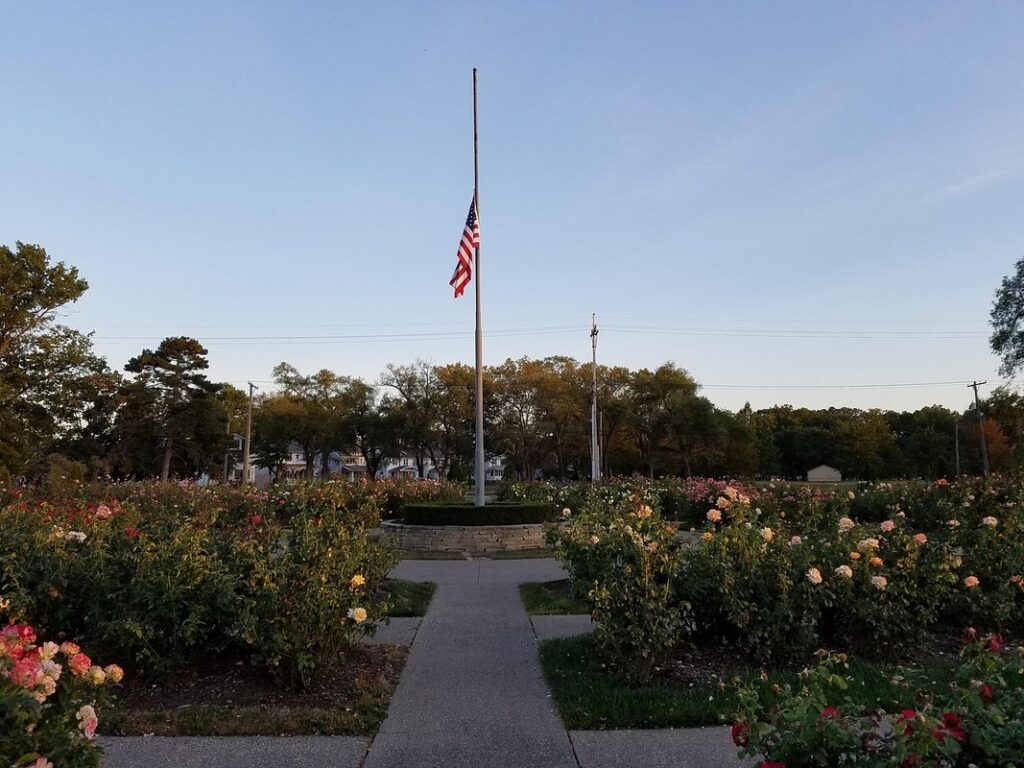
History of the American Rose
The history of the American rose is a rich and fascinating tale that spans centuries, from its early introduction by European settlers to its modern-day cultivation. Let’s take a step back in time and explore how this beloved flower came to be.
Introduction to the Early Origins
As we delve into the rich history of the American rose, it’s essential to explore its early origins. The story begins with the arrival of European settlers, who brought with them their love for rose cultivation. These pioneers introduced new species and techniques that would shape the course of American rose history.
In the 17th century, European settlers such as Thomas Jefferson and George Washington began cultivating roses in their gardens at Monticello and Mount Vernon, respectively. They recognized the beauty and fragrance of these flowers and saw potential for hybridization. This marked the beginning of a new era in American rose breeding.
The introduction of European rose species to America led to the creation of unique hybrids that thrived in the New World’s climate. By the mid-19th century, American rose growers had developed their own distinct styles, blending European and native influences. As we’ll explore further in our journey through American rose history, this early era laid the groundwork for the stunning diversity of roses we see today.
Evolution of Hybrid Roses in the 19th Century
As we explore the rich history of the American rose, it’s essential to acknowledge the pivotal role that 19th-century hybridizers played in shaping the modern rose landscape. During this period, a new wave of innovative breeders emerged, pushing the boundaries of what was possible with these delicate flowers.
Pioneers like Jean-Baptiste André Guerit and Robert Hogg began experimenting with grafting techniques, allowing them to combine different rose species and create novel hybrids. The introduction of Chinese and Japanese roses added a new level of diversity, resulting in an explosion of colors, shapes, and fragrances. Breeders also focused on improving disease resistance, making roses more resilient and easier to care for.
Notable examples from this era include the ‘La France’ rose, developed by Guillot & Co., which boasted striking red petals with a delicate fragrance. The hybrid tea rose, introduced in 1867, further revolutionized the industry by offering repeat-flowering varieties with improved resistance to black spot disease. These groundbreaking developments paved the way for future generations of rose enthusiasts and growers, solidifying the American rose’s reputation as a symbol of beauty and resilience.
Characteristics and Types of American Roses
American roses are incredibly diverse, boasting a wide range of characteristics that set them apart from their international counterparts. Let’s explore some of these unique features together!
Overview of Rose Classification Systems
When it comes to understanding the vast array of American roses, one must first grasp the different classification systems used by rose enthusiasts and experts. The most widely recognized system is that developed by the American Rose Society (ARS). This system categorizes roses based on their growth habits, bloom times, and other characteristics.
The ARS system divides roses into seven main categories: shrub, floribunda, grandiflora, climber, rambling, shrub rugosa, and groundcover. Each category further breaks down into subcategories, such as miniature or English roses. This system provides a clear framework for understanding the diverse range of American rose types.
Understanding these classification systems is essential in choosing the right rose for your garden, whether you’re looking for low-maintenance options or vibrant blooms. For instance, if you have limited space, a compact shrub rose might be an ideal choice. In contrast, those with more extensive areas can opt for climbing roses that provide stunning displays of color and fragrance.
As you explore the world of American roses, keep in mind that classification systems are not absolute. Some roses may overlap between categories or exhibit unique characteristics not easily categorized. By becoming familiar with these classification systems, you’ll be better equipped to navigate the vast variety of American rose types and make informed decisions when selecting your perfect bloom.
Common Varieties of American Roses
American roses have been a beloved symbol of beauty and resilience for centuries. Among the many varieties that thrive in American gardens, some stand out for their striking characteristics and versatility. Take, for instance, the iconic ‘Peace’ rose, introduced in 1945 and still a crowd favorite today. This hybrid tea rose boasts large, cupped blooms in soft pastel shades that evoke peace and tranquility.
Another popular variety is the Knock Out rose, a low-maintenance shrub rose with repeating blooms throughout the growing season. These roses are perfect for busy gardeners or those new to rose cultivation. Their compact size also makes them ideal for small spaces or containers. In contrast, the ‘New Dawn’ climbing rose offers a dramatic display of pale pink blooms that cascade over trellises and arches.
When choosing an American rose variety, consider factors like climate, soil type, and desired bloom color. Some roses, like the Knock Out series, are bred to be disease-resistant, making them perfect for areas prone to black spot or powdery mildew.
Growing and Caring for American Roses
To ensure these stunning flowers thrive, you’ll need to provide them with the right conditions, including proper sunlight, watering, and pruning techniques. Let’s dive into the specifics of growing and caring for your American roses.
Choosing the Right Climate and Soil Conditions
When it comes to growing American roses, understanding the ideal climate and soil conditions is crucial for their health and resilience. To start, determine your USDA zone by checking the average frost dates for your area. American roses thrive in zones 5-9, but some varieties can tolerate warmer or cooler temperatures.
For optimal growth, aim for a slightly acidic to neutral soil pH, ranging from 6.0 to 7.0. A soil test kit can help you determine your soil’s pH level and nutrient content. If your soil is too alkaline or acidic, amend it with organic matter like compost or peat moss.
Some American rose varieties are more adaptable than others. For example, ‘Knock Out’ roses are known for their low-maintenance requirements and can thrive in zones 4-9. In contrast, some heirloom varieties may require more specialized care. Research the specific needs of your chosen variety to ensure you’re providing the best conditions.
By understanding your climate and soil conditions, you’ll be well on your way to growing stunning American roses that bring beauty and resilience to your garden.
Tips for Watering, Pruning, and Fertilizing American Roses
When it comes to caring for your American roses, watering, pruning, and fertilizing are essential techniques that require attention. Watering should be done carefully, especially during the first year after planting, as overwatering can lead to root rot. A general rule of thumb is to provide about 1 inch of water per week, either through rain or irrigation. To ensure even distribution, mulch around the base of the plants and avoid overhead watering that can encourage disease.
Pruning American roses requires patience and timing. For optimal blooming, prune in late winter or early spring before new growth begins. Remove any dead, diseased, or damaged branches, cutting at a 45-degree angle just above an bud eye. This will promote healthy growth and encourage blooms. Consider removing about one-third to one-half of the plant’s height to maintain shape and size.
Fertilizing American roses is essential for robust growth and blooming. Use a balanced fertilizer (10-10-10) in early spring when new growth begins, following package instructions carefully. As your roses mature, consider switching to a rose-specific fertilizer that includes micronutrients like iron and magnesium, which promote healthy foliage and blooms.
The Cultural Significance of the American Rose
The American rose is more than just a beautiful flower, it’s also a deeply ingrained part of our cultural heritage and identity as Americans. Let’s explore its rich symbolism and significance in our society.
Symbolism and Representation in Art and Literature
In American culture, roses have long been imbued with symbolic meanings that transcend their physical beauty. In art and literature, they’re often used to represent love, passion, and the fragility of life. Consider Emily Dickinson’s poetry, where roses are frequently used as metaphors for the fleeting nature of human experience. Similarly, in popular media, roses have become a shorthand for romance and sentimentality – think of the iconic bouquet given by Richard Gere to Julia Roberts in Pretty Woman.
But roses also represent resilience and determination. In literature, the rose is often associated with themes of survival and rebirth, such as in Toni Morrison’s Beloved, where the rose serves as a symbol of hope amidst tragedy. Similarly, in art, the American Rose has been depicted in powerful works like Georgia O’Keeffe’s iconic flower paintings, which capture both the beauty and fragility of life.
When working with the symbolism of roses, remember that their meaning can vary depending on context. Consider incorporating different types of roses – such as the wild rose or the hybrid tea – to convey distinct messages about love, loss, and renewal.
Tradition and Celebration: Roses in American Holidays and Events
Roses are an integral part of American celebrations and traditions, adding a touch of elegance and romance to special occasions. One of the most iconic associations is with Valentine’s Day, where roses are often exchanged as a symbol of love and affection. According to the Society of American Florists, over 75% of Americans give or receive flowers on Valentine’s Day, with roses being the top choice.
Weddings are another significant event in American culture where roses play a prominent role. A classic wedding bouquet is rarely complete without a mix of red and pink roses, representing love and devotion. In fact, a survey by The Knot found that 83% of brides choose roses for their wedding arrangements, citing their timeless beauty and emotional significance.
In addition to these events, roses are also celebrated during holidays like Mother’s Day and Memorial Day. On Mother’s Day, red roses are often given as a token of appreciation for mothers, while on Memorial Day, American flags are planted with rose bouquets to honor fallen soldiers. These traditions highlight the deep connection Americans have with roses, which transcends their beauty and fragrance to represent love, gratitude, and respect.
The Economic Impact of the American Rose Industry
The economic impact of the American rose industry is a fascinating aspect that often goes unnoticed, but it’s crucial to understanding its significance in our daily lives. As we explore this topic, let’s examine how roses contribute to local economies and beyond.
Overview of the US Rose Market
The US rose market is a significant contributor to the country’s horticulture industry. According to data from the Society of American Florists, over 2 billion roses are produced annually in the United States alone. Roses account for a substantial share of the domestic flower market, with Americans spending an estimated $1.6 billion on cut flowers every year.
The majority of roses grown and sold in the US come from large-scale commercial farms, particularly those in California, Florida, and Oregon. These regions offer optimal climate conditions, allowing farmers to cultivate various rose varieties year-round. The state of California accounts for nearly half of the country’s total rose production, thanks to its mild winters and long growing season.
Roses not only contribute to local economies but also create employment opportunities for thousands of growers, packers, and distributors. The economic impact of the American rose industry is undeniable, with each dollar invested generating an estimated $1.27 in economic activity. As a result, roses have become an essential component of US agriculture, providing both beauty and resilience to local communities.
Sustainability Efforts in the American Rose Industry
As the demand for sustainably sourced products continues to rise, the American rose industry is taking steps towards reducing its environmental footprint. One notable initiative is the adoption of organic growing practices. Many rose farmers are transitioning to organic methods, which eliminate the use of synthetic fertilizers and pesticides. This not only benefits the environment but also enhances the quality and flavor of the roses.
Eco-friendly packaging is another area where the industry is making strides. Some growers now offer biodegradable or recyclable packaging options for their rose products, such as boxes made from sustainable materials or plant-based wrapping paper. These alternatives minimize waste and reduce the carbon footprint associated with traditional packaging methods.
Consumers can also contribute to sustainability efforts by supporting local rose farmers who prioritize environmentally friendly practices. Look for growers that use organic methods, offer eco-friendly packaging options, or implement other sustainable initiatives. By making informed choices, we can promote a more resilient and beautiful American rose industry that benefits both people and the planet.
Conclusion: The Enduring Allure of the American Rose
As we come full circle on our journey through the world of the American rose, let’s reflect on why its timeless beauty continues to captivate us.
Recapitulating Key Points and Takeaways
As we come to the conclusion of our exploration into the world of American roses, it’s essential to recapitulate the key points and takeaways from this journey. For those who may be new to the subject matter, this section aims to provide a concise overview of the enduring allure of the American rose.
Throughout this article, we’ve delved into the rich history of the American rose, tracing its evolution from European imports to becoming a symbol of national pride. We discussed how the rose has become an integral part of American culture, often associated with love, passion, and beauty. This phenomenon is rooted in the fact that roses are one of the most recognizable and beloved flowers globally, with over 150 different species grown commercially.
One of the key takeaways from our discussion on the resilience of the American rose is its ability to thrive in diverse climates and environments. With careful cultivation and proper care, these stunning blooms can bring joy and vibrancy to gardens across the country, regardless of geographical constraints. By selecting disease-resistant and climate-tolerant varieties, gardeners can ensure their roses continue to flourish year after year.
For those interested in growing their own American rose, we recommend starting with a few easy-to-grow varieties such as ‘Knock Out’ or ‘Drift’. These low-maintenance options are perfect for beginners, requiring minimal pruning and care. Moreover, consider incorporating companion planting techniques to enhance the overall health and resilience of your roses.
By embracing the beauty and symbolism of the American rose, you’re not only contributing to its rich history but also fostering a deeper connection with nature. Whether you’re an avid gardener or simply looking for inspiration, remember that these resilient blooms have much to teach us about adaptability, hardiness, and the enduring power of beauty.
Frequently Asked Questions
What are some common mistakes to avoid when growing American roses?
When growing American roses, it’s essential to avoid overwatering, which can lead to root rot and other issues. Also, be mindful of the pH level of your soil, as American roses prefer slightly acidic conditions (pH 6.0-6.5). Finally, make sure to provide adequate sunlight, as most American rose varieties require at least six hours of direct sunlight per day.
How can I identify a true American rose from other types of roses?
To identify a true American rose, look for the following characteristics: fragrant blooms with 30-40 petals, dark green glossy leaves, and a moderate to large growth habit. Additionally, check if the rose is native to North America or has been cultivated in the United States for over a century.
What are some tips for incorporating American roses into my garden design?
When designing your garden with American roses, consider their mature size, growth habits, and bloom times to create a balanced and visually appealing layout. Also, be mindful of companion planting, as some plants can benefit from the shade provided by American rose bushes. Finally, don’t forget to leave space for proper air circulation to prevent disease.
Can I grow American roses in containers or do they require in-ground planting?
Yes, you can grow American roses in containers, but make sure to use a large enough container (at least 12-18 inches deep) with good drainage and adequate sunlight. Use a well-draining potting mix specifically designed for roses, and fertilize regularly. Keep in mind that container-grown American roses may require more frequent watering due to the limited soil volume.
How can I preserve the beauty of my American rose blooms after they fade?
To preserve the beauty of your American rose blooms after they fade, consider air-drying or pressing them between sheets of paper towel or blotting paper. You can also use a professional flower press or a silica gel desiccant to dry and preserve the roses for extended periods.