
Are you new to the world of aloe vera care? Maybe you’ve had an aloe plant sitting on your windowsill for months, but aren’t quite sure how to keep it happy and healthy. Or perhaps you’re eager to start growing your own aloe vera at home and reap its incredible health benefits.
Either way, this comprehensive guide is here to help. In this article, we’ll take you by the hand (or rather, by the leaf) and walk you through everything you need to know to get started with aloe vera care. From choosing the right plant to propagating new ones, and troubleshooting common issues like overwatering or under-watering – we’ve got it covered.
We’ll also explore the amazing health benefits of aloe vera, so you can make the most of your new green friend. By the end of this guide, you’ll be an expert aloe vera caretaker, ready to enjoy the rewards of growing and using this incredible plant.
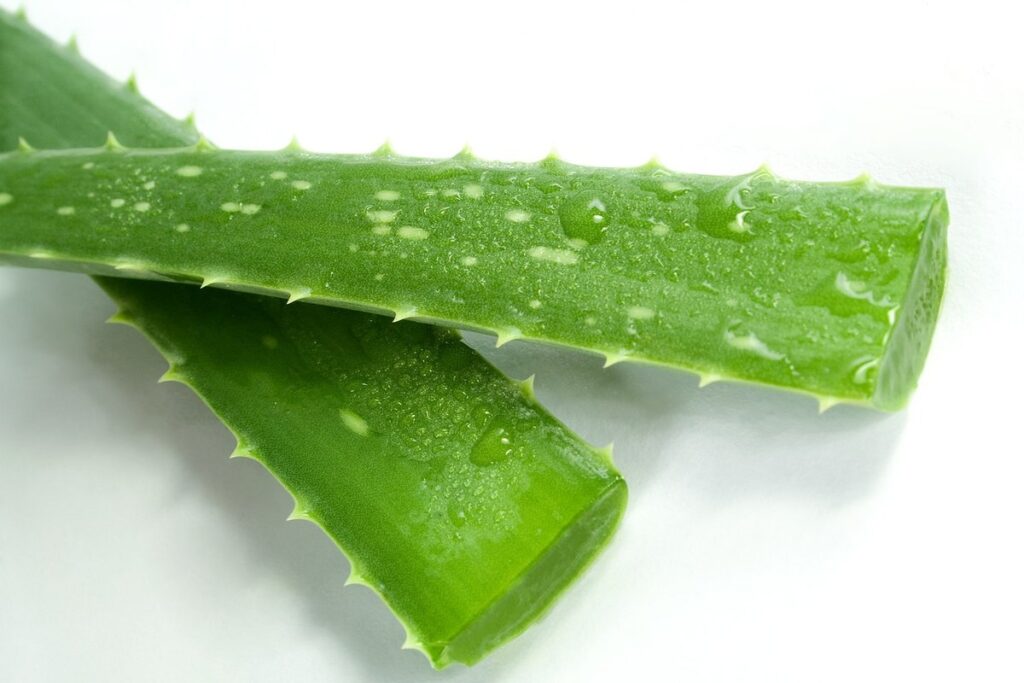
Understanding Aloe Vera and Its Benefits
Let’s dive into what makes aloe vera so special, and explore its incredible benefits for your skin, hair, and overall well-being. You’ll soon be an expert on this amazing plant!
Introduction to Aloe Vera
Aloe vera has been a part of human history for thousands of years, with its origins dating back to ancient Egypt. It was highly valued for its medicinal and cosmetic properties, and was often used by pharaohs and nobles to soothe burns and skin conditions. The plant’s popularity continued in ancient Greece and Rome, where it was used to treat a range of ailments from wounds to digestive issues.
Today, aloe vera is more popular than ever as a natural remedy for various health concerns. Its versatility has led to its widespread use in skincare products, hair care, and even oral health. The gel extracted from the plant’s leaves is known for its anti-inflammatory properties, making it an effective treatment for skin irritations, sunburns, and minor cuts.
As a beginner, it’s essential to understand the basics of aloe vera before diving into its care. This includes knowing where to source high-quality aloe vera products, how to store them properly, and which parts of the plant are safe for use. With this knowledge, you’ll be well on your way to harnessing the benefits of aloe vera in your own home.
Health Benefits of Aloe Vera
When it comes to reaping the benefits of aloe vera, its uses extend far beyond skin care and beauty. In fact, consuming aloe vera has been scientifically proven to have numerous health benefits, making it an excellent addition to a healthy lifestyle.
One of the primary advantages of aloe vera is its ability to support digestive health. Aloe vera gel contains prebiotic fibers that help feed good bacteria in the gut, promoting a balanced microbiome and reducing inflammation. This can lead to improved digestion, reduced bloating, and even alleviated symptoms of irritable bowel syndrome (IBS).
Aloe vera also boasts impressive skin care benefits when consumed internally. The vitamins A, C, and E present in aloe vera help protect the skin from damage caused by free radicals, reducing the appearance of fine lines and wrinkles. Additionally, the anti-inflammatory properties of aloe vera can soothe acne, rosacea, and other skin irritations.
Moreover, aloe vera has been shown to accelerate wound healing due to its high levels of vitamin A and C, which stimulate collagen production and promote tissue repair. This makes it an excellent natural remedy for minor cuts and scrapes.
To incorporate aloe vera into your diet, start by adding 1-2 tablespoons of aloe vera gel to your smoothies or juices daily. You can also mix it with water or take it as a supplement.
Choosing the Right Aloe Vera Plant
When selecting an aloe vera plant, it’s essential to consider factors such as the plant’s size, shape, and color of leaves. This will ensure you bring home a healthy, thriving aloe vera that meets your needs.
Selecting the Perfect Species
When it comes to selecting an aloe vera plant, you have several options. There are over 500 species of aloe, but not all of them are suitable for beginners. Here are some popular types and their characteristics:
The Aloe Vera (Aloe barbadensis) is the most widely available and commonly used species in skincare products. It’s known for its thick, fleshy leaves and ability to store water, making it a great choice for indoor growing.
Another option is the Aloe Aristata (Lithops), also known as the “Living Stone”. This plant has smaller leaves than the Aloe Vera and is more compact, making it perfect for small spaces or terrariums.
The Aloe Plicatilis (Fan Aloe) is a popular choice among beginners due to its low maintenance requirements. It has long, thin leaves that grow in a fan shape, giving it a unique appearance.
When selecting an aloe plant, look for one with plump, firm leaves and no signs of yellowing or blackening. Avoid plants with soft or mushy leaves, as they may be overwatered. Choose a pot that is well-draining to prevent root rot and ensure the soil stays moist but not waterlogged.
For beginners, I recommend starting with an Aloe Vera plant, as it’s easy to care for and versatile in its uses.
Factors to Consider When Buying an Aloe Vera Plant
When buying an aloe vera plant, there are several key factors to consider. First and foremost, take a close look at the size of the plant. A mature aloe vera can grow quite large, so if you’re looking for a compact option, choose a smaller plant that’s around 6-8 inches tall. On the other hand, if you want a more established plant with multiple offsets, consider one that’s around 12-18 inches tall.
Another important factor is the age of the plant. A younger aloe vera (usually under 2 years old) will have softer, more delicate leaves than an older plant. While it may look appealing to buy a young plant, keep in mind that it will take longer to mature and produce offsets. Ideally, choose a plant that’s around 1-2 years old for optimal growth.
Check the condition of the plant as well – make sure it has no signs of pests or diseases such as yellowing leaves, white powdery patches, or sticky residue. Also, inspect the roots to ensure they’re healthy and not damaged. By considering these factors, you can choose a high-quality aloe vera plant that will thrive under your care.
Caring for Your Aloe Vera Plant
To keep your aloe vera plant thriving, it’s essential to provide it with proper care, and that starts with understanding its watering needs. Watering is often the most critical aspect of aloe vera care.
Lighting Requirements for Aloe Vera
When it comes to lighting, aloe vera plants are quite adaptable, but they still have specific requirements to thrive. Ideally, aloe vera prefers bright, indirect sunlight, which means filtering the direct sun’s rays through a sheer curtain or placing it near an east- or west-facing window. Direct sunlight can be too intense and may cause the leaves to become scorched.
If you don’t have a spot with natural light, you can also use artificial lighting sources like LED grow lights. These are energy-efficient and mimic the spectrum of natural light, making them perfect for indoor plants. Keep in mind that even with artificial light, it’s still essential to provide some direct sunlight (about 1-2 hours a day) to promote photosynthesis.
In terms of placement, avoid placing your aloe vera plant near drafty windows or areas with low humidity. This can cause the leaves to become wrinkled and dry out quickly. A general rule of thumb is to keep the plant at least 3-4 feet away from any direct sunlight source.
Watering Your Aloe Vera Plant: The Ultimate Guide
Watering an aloe vera plant can be a delicate matter. Overwatering is one of the most common mistakes that lead to root rot and plant death. On the other hand, underwatering can cause stress and make the plant more susceptible to pests.
So, how often should you water your aloe vera? As a general rule, allow the top layer of soil to dry out between waterings. Check the soil by sticking your finger into it, about an inch deep. If the soil feels dry, it’s time to water.
When watering, use lukewarm water and avoid getting any on the leaves or crown of the plant. Water at the base of the plant, making sure not to overwater. A good rule of thumb is to give your aloe vera about 1-2 ounces of water per month during its dormant period, which typically lasts from October to February.
Signs of overwatering include soft and mushy leaves, yellowing or droopy leaves, and the presence of white or grayish mold on the soil. If you notice any of these symptoms, stop watering immediately and repot your aloe vera in fresh soil.
Propagating and Repotting Aloe Vera
Now that you’ve learned how to care for your aloe vera, it’s time to share some with friends or upgrade your plant’s home – let’s talk propagating and repotting!
Propagation Methods for Aloe Vera
Propagating a new aloe vera plant is an exciting process that can be achieved through various methods. One of the most popular ways to propagate aloe vera is by using leaf cuttings. To do this, you’ll need to carefully remove a mature leaf from the mother plant, making sure it’s about 3-4 inches long and has a small stem attached. Allow the cut end to dry for 1-2 days before planting it in well-draining soil. Keep the soil consistently moist but not waterlogged until roots have developed.
Another method of propagation is through division, where you separate the offsets or “babies” that form around the base of the mother plant. This process should be done during spring or fall when the plant is actively growing. Gently dig around the edges of the pot to loosen the soil and carefully separate the offset from the mother plant. Repot both the separated offset and the remaining mother plant in individual pots filled with a well-draining potting mix.
If you’re up for a more challenging method, seed propagation can also be successful. Sow the seeds on the surface of a sterile potting mix and keep it moist but not waterlogged until germination occurs.
When to Repot Your Aloe Vera Plant
As an aloe vera beginner, it’s essential to know when to repot your plant to ensure its optimal growth and health. Aloe vera plants typically need to be repotted every 2-3 years as they outgrow their containers. But how do you know if your plant needs repotting? One of the most common signs is a root-bound condition, where the roots have filled up the pot and are circling around it.
If you notice that your aloe vera plant is showing any of these symptoms, it’s time to consider repotting: the leaves start to grow more slowly or become smaller, the plant becomes top-heavy and prone to falling over, or water starts to collect in the saucer. When choosing a potting mix for your aloe vera plant, select one that is well-draining and contains perlite or sand to prevent waterlogged soil.
When repotting your aloe vera plant, choose a container that is only slightly larger than the original one to avoid overwatering. Gently remove the plant from its pot, taking care not to damage the roots. Trim any circling roots with scissors or pruning shears, and place the plant in its new home.
Common Problems and Solutions for Aloe Vera Care
As you nurture your aloe vera plant, common problems can arise, but don’t worry, we’ve got you covered with practical solutions to keep your succulent happy and thriving.
Overwatering: Causes and Remedies
Overwatering an aloe vera plant is one of the most common mistakes beginners make. When you water your aloe vera too frequently, it can lead to root rot and cause your plant to drop its leaves. This happens because the roots are unable to breathe and begin to suffocate, causing the plant to turn yellow or brown.
When left unchecked, overwatering can be fatal for an aloe vera plant. The signs of root rot include soft, mushy roots that are black or brown in color, as well as a foul odor coming from the soil. If you notice these symptoms, it’s essential to take action quickly by repotting your aloe vera in fresh, dry soil.
To avoid overwatering, make sure to water your aloe vera sparingly, allowing the soil to dry out completely between waterings. Check the soil moisture by sticking your finger into the soil up to the first knuckle – if it feels dry, it’s time to water. Water thoroughly until you see water coming out of the drainage holes, then let the plant rest for a few days before watering again.
Pests and Diseases in Aloe Vera Plants
As you care for your aloe vera plant, it’s essential to be aware of common pests and diseases that can affect its health. Spider mites are one of the most prevalent problems, especially in dry environments. These tiny insects feed on the sap of the plant, causing yellowing or bronzing leaves. Check for fine webbing between stems and underneath leaves – if you spot it, act quickly to prevent infestation.
Mealybugs are another common issue, typically appearing as white cottony patches on the plant’s stems and leaves. These pests excrete a sticky substance called honeydew, which can attract ants and promote fungal growth. To control mealybug infestations, use neem oil or insecticidal soap according to package instructions.
Fungal infections like root rot and leaf spot are often caused by overwatering or poor air circulation. Identify symptoms such as soft, mushy leaves or black spots on the plant’s epidermis. Treat fungal issues promptly with fungicides or by improving your watering schedule and air exchange around the plant. Regularly inspect your aloe vera for signs of pests and diseases to prevent infestations from taking hold.
Conclusion: Mastering Aloe Vera Care for Beginners
Mastering aloe vera care is not just about following a few simple steps; it’s about understanding the plant’s needs and creating an ideal environment for it to thrive. By now, you should have gained a solid foundation in caring for your aloe vera plant. Remember, consistency is key – make sure to water, fertilize, and prune your aloe vera at regular intervals. Don’t be too hard on yourself if you notice a few setbacks; they’re an opportunity to learn and refine your care routine.
As you continue to care for your aloe vera, observe its responses to different conditions and adjust your approach accordingly. With patience and practice, you’ll develop the intuition to provide exactly what your plant needs. Congratulations – you’re well on your way to becoming an expert aloe vera caregiver!
Frequently Asked Questions
How do I know if my aloe vera plant is getting enough light?
Make sure to place your aloe vera plant near an east- or west-facing window, where it can receive bright but indirect sunlight for at least 4-6 hours a day. Avoid direct sunlight, which can cause burning and discoloration. If you’re unable to provide natural light, consider using grow lights to supplement your plant’s needs.
What are some common pests that affect aloe vera plants, and how do I get rid of them?
Aphids, mealybugs, and spider mites are common pests that can infest aloe vera plants. To get rid of them, isolate the affected plant, and treat it with insecticidal soap or neem oil according to the product’s instructions. Regularly inspect your plants for signs of pest activity, and take prompt action to prevent infestations.
How often should I repot my aloe vera plant, and what are the signs that it needs re-potting?
Repot your aloe vera plant every 2-3 years in the spring when it becomes pot-bound. Signs that your plant needs re-potting include: the soil is depleted of nutrients, the plant has outgrown its container, or you notice roots growing out of the drainage holes.
Can I propagate my aloe vera plant through division, and how do I go about it?
Yes, you can propagate your aloe vera plant through division. Wait until the plant becomes mature enough to divide, usually after 6-12 months. Gently remove the offsets or “pups” from the mother plant, allowing them to dry for a few days before planting in well-draining soil.
What are some common mistakes beginners make when caring for their aloe vera plants, and how can I avoid them?
Overwatering is one of the most common mistakes beginners make. To avoid this, ensure good air circulation around your plant, and only water it when the soil feels dry to the touch. Monitor your plant’s temperature range (65-80°F) and adjust its care accordingly. Regularly inspect your plant for signs of pests or diseases.