
Are you excited to learn about one of nature’s most amazing gifts? Aloe pups are more than just adorable little plants, they’re also a gateway to a world of benefits and possibilities. Not only can you use them to soothe burns and skin irritations, but they’re also relatively low-maintenance additions to your garden. As it turns out, growing aloe pups is easier than you think, and with the right care, they’ll reward you with an abundance of uses for years to come. In this comprehensive guide, we’ll delve into everything from proper care and propagation techniques to some of the amazing benefits that make these little plants so special. Whether you’re a seasoned gardener or just starting out, get ready to discover the wonders of aloe pups and unlock their full potential!
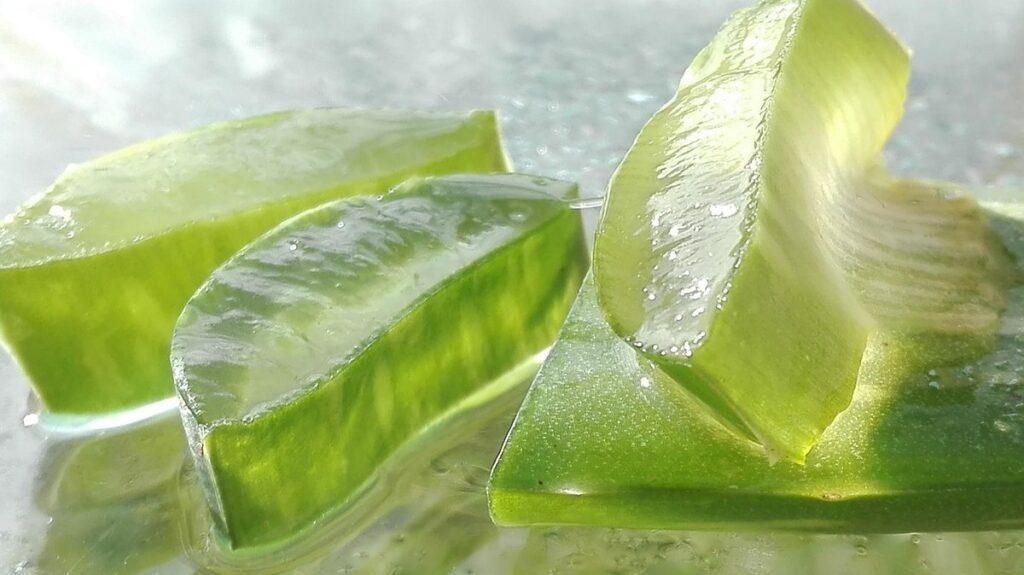
What are Aloe Pups?
If you’re new to aloe pups, let’s start with the basics: what exactly is an aloe pup and how does it grow from its parent plant. We’ll cover that here!
Definition and Overview of Aloe Pups
Aloe pups are small, offsets that grow at the base of an aloe plant. They are essentially baby aloes that can be easily removed from their mother plant and grown into mature plants themselves. Aloe pups typically appear as a cluster of leaves or a small rosette, with a short stem connecting them to the parent plant.
When an aloe plant reaches maturity, it will often produce offsets as a natural way to propagate itself and ensure its survival. This process is called “pup formation.” It’s essential to note that not all aloe species produce pups, but many popular varieties like Aloe Vera do. To encourage pup formation, provide your aloe plant with plenty of sunlight, water, and fertilize it regularly.
Keep in mind that if you’re not planning to propagate your aloe plant, it’s best to remove the pups before they become too large, as they can start to drain resources from the mother plant.
Types of Aloe Pups and Their Characteristics
Aloe pups are young offsets that grow around the base of mature aloe plants. There are several types of aloe pups, each with unique characteristics and growth habits. Some of the most common types of aloe pups include ‘Christmas Carol’, which is known for its vibrant red and green leaves, while others like ‘Crosby’s Prolific’ produce a high volume of offsets.
Some aloe pups have specific growing requirements, such as full sun or well-draining soil, making it essential to choose the right type for your environment. For example, if you live in an area with low sunlight, consider aloe pups that are more tolerant of shade. In addition to their unique features, some aloe pups can be propagated quickly and easily, making them ideal for beginners.
When selecting an aloe pup, research its specific needs and ensure it will thrive in your care. By choosing the right type of aloe pup, you’ll not only enjoy its ornamental value but also benefit from the unique characteristics it offers.
Growing and Caring for Aloe Pups
Now that you have your aloe pups growing strong, it’s time to learn how to care for them and encourage healthy development. This includes tips on watering, pruning, and providing optimal conditions.
Soil Requirements for Aloe Pups
When it comes to creating an ideal environment for aloe pups to thrive, one of the most critical factors is soil quality. Aloe pups prefer well-draining potting mixes that retain moisture but also allow excess water to escape quickly. Avoid using regular garden soil as it can be too dense and may cause root rot.
For optimal growth, choose a mix specifically designed for cacti or succulents, which typically contain perlite, vermiculite, or sand to enhance drainage. You can also create your own blend by mixing 2/3 of a regular potting soil with 1/3 of perlite or sand.
A pH level between 6 and 7 is ideal for aloe pups, so avoid using acidic soils that may lead to nutrient deficiencies. Water sparingly when the top inch of soil feels dry to the touch, and fertilize during the growing season (spring-fall) with a balanced, water-soluble fertilizer.
Some popular potting mixes suitable for aloe pups include Miracle-Gro Cactus Potting Mix and Black Gold Cactus Mix. Remember to repot your aloe pups every 2-3 years as they outgrow their containers, taking care to choose a mix that retains moisture but doesn’t retain too much water.
Watering Schedule and Frequency
When it comes to watering your aloe pups, it’s essential to strike the right balance. Overwatering is one of the most common mistakes people make when caring for these plants, and it can be detrimental to their health. On the other hand, underwatering can also cause problems, especially during periods of drought.
As a general rule, water your aloe pups sparingly, allowing the soil to dry out completely between waterings. This means checking on them every 7-10 days, depending on the climate and temperature in your area. If you live in a hot, dry environment, you may need to water more frequently.
Watch for signs of overwatering, such as yellowing or droopy leaves, soft spots on the skin, and a sour smell from the roots. These are all warning signs that your aloe pup is getting too much moisture. Conversely, if you notice brown tips, dry leaves, or slow growth, it may be due to underwatering.
To water your aloe pups correctly, check the soil by sticking your finger into it about an inch deep. If the soil feels dry, it’s time to water. Water thoroughly until the excess moisture drains from the pot. Let the plant sit for 24 hours before checking again, and adjust your watering schedule accordingly.
Lighting and Temperature Needs
When it comes to providing optimal care for your aloe pups, ensuring they receive suitable lighting and temperature conditions is crucial. Aloe plants are native to tropical regions and thrive in environments with bright, indirect light. Placing them near an east- or west-facing window is ideal, as this allows for gentle, diffused sunlight throughout the day.
Direct sunlight can be too intense, causing scorching or discoloration on the leaves. If you’re unable to place your aloe pups near a natural light source, consider using grow lights with a low-wattage LED option. This will provide the necessary light spectrum without overheating the plant.
Temperature requirements are equally important. Aloe pups prefer daytime temperatures between 65-75°F (18-24°C) and nighttime temperatures around 55-65°F (13-18°C). Avoid placing them near heating or cooling vents, fireplaces, or drafty windows, as sudden temperature fluctuations can cause stress to the plant.
Keep in mind that aloe pups are more sensitive to temperature extremes than mature aloe plants. Monitor their environment and adjust accordingly to ensure they receive the ideal conditions for healthy growth.
Benefits and Uses of Aloe Pups
Now that we’ve discussed how to care for your aloe pups, let’s explore their incredible benefits and uses in your home and garden. From natural remedies to decorative arrangements, get ready to discover all the amazing ways to utilize your aloe pups!
Medicinal Properties and Health Benefits
Aloe pups have been prized for their medicinal properties and potential health benefits for centuries. Research suggests that they contain a rich array of compounds with anti-inflammatory, antioxidant, and antimicrobial properties, making them an effective treatment for various skin issues.
One of the most significant advantages of using aloe pups is their ability to soothe sunburned skin and promote wound healing. The gel extracted from the plant has been shown to accelerate tissue repair and reduce inflammation in burns, cuts, and scrapes. For instance, studies have found that topical application of aloe vera can decrease burn severity by up to 50% within just 24 hours.
In addition to their external applications, aloe pups may also hold potential for internal health benefits. Some proponents claim that the plant’s compounds can aid in digestion, reduce inflammation, and even lower blood sugar levels. However, it is essential to consult with a healthcare professional before using aloe products internally due to limited research on this topic.
When utilizing aloe pups for medicinal purposes, be sure to use fresh or frozen gel directly from the plant or opt for high-quality commercial products that are free of contaminants and additives.
Skincare and Haircare Uses
Aloe pups have been gaining popularity as a natural remedy for various skin and hair issues. One of the most exciting benefits of aloe pups is their ability to soothe and calm irritated skin. To use an aloe pup for skincare, simply slice it open and extract the gel-like substance inside. Apply this gel directly to affected areas, such as sunburned skin or minor cuts and scrapes.
In addition to its soothing properties, aloe pups can also be used to hydrate and nourish dry skin. Simply mix a small amount of aloe pup gel with your favorite moisturizer for an intense hydration treatment. You can also use aloe pups as a natural face mask by applying a thick layer to your face and leaving it on for 15-20 minutes before rinsing off.
For haircare, aloe pups can help to calm an itchy scalp and promote healthy hair growth. To use an aloe pup for haircare, simply massage the gel into your scalp or add it to your shampoo for an extra dose of nourishment. With regular use, you may notice reduced dandruff, softer locks, and a healthier-looking mane.
Incorporating aloe pups into your skincare and haircare routine is easy and affordable, making them a great natural alternative to harsh chemical products.
Insect Repellent and Other Household Uses
In addition to its many skincare benefits, aloe pups can be used in various other ways around the household. One of the most practical uses is as an insect repellent. When crushed or blended with water, aloe gel can help deter mosquitoes and other biting insects. This makes it a great natural alternative to commercial bug sprays, especially for families with young children.
To use aloe pups as an insect repellent, simply apply a few drops of the pure gel to exposed skin or clothing. You can also mix it with water and spray it around outdoor areas like patios and porches to keep insects at bay. Some gardeners even swear by using aloe gel as a natural fungicide for plants, helping to prevent fungal diseases that can damage leaves and flowers.
By incorporating aloe pups into your household routine, you can enjoy its numerous benefits while also reducing your reliance on chemical-based products. Remember to always use high-quality aloe gel that is free from additives and preservatives, and follow the recommended usage guidelines for optimal effectiveness.
Propagation and Reproduction of Aloe Pups
To successfully multiply your aloe collection, it’s essential to understand how to properly propagate and reproduce these amazing plants. We’ll walk you through this process step-by-step.
Methods of Propagation: Division, Leaf Cuttings, and Sowing Seeds
Propagating aloe pups is an exciting process that allows you to multiply these wonderful plants and share them with friends and family. There are several methods for propagating aloe pups, including division, leaf cuttings, and sowing seeds. Each method has its own advantages and disadvantages, and the best approach will depend on your specific situation.
Division involves separating mature aloe pups from their parent plant, taking care to leave as much of the root system intact as possible. This method is ideal for plants that have outgrown their containers or are showing signs of stress. To divide an aloe pup, carefully remove it from its pot and gently separate the roots with a blunt tool.
Leaf cuttings involve removing individual leaves from mature aloe pups and allowing them to dry and form calluses before planting them in well-draining soil. This method is perfect for plants that are too dense or have weak roots. Simply snip off a leaf, allow it to dry for 3-7 days, and then plant it about an inch deep in a propagation tray.
Sowing seeds is the most straightforward method of all, but it requires patience as it can take several months for seeds to germinate. Sow seeds about 1/4 inch deep in a well-draining seed starting mix and keep the soil consistently moist until germination occurs.
Tips for Successful Reproduction
To successfully reproduce aloe pups, it’s essential to create an environment that mimics their natural habitat. Aloe plants thrive when exposed to temperatures between 65-75°F (18-24°C), so ensure the area has consistent warmth and moderate humidity.
Before reproduction begins, inspect your plant for signs of healthiness. Healthy aloe pups typically have vibrant green skin, plump leaves, and no visible pests or diseases. Remove any weak or damaged pups to prevent them from competing with healthier ones for resources.
When transferring the plant to soil for reproduction, use a well-draining potting mix to prevent waterlogged soil. Water sparingly until new roots emerge, allowing about 1-2 inches of soil to dry out between waterings.
Monitor your plant’s progress closely and provide optimal conditions during this sensitive period. This includes providing sufficient light ( indirect sunlight is best) and maintaining a balanced fertilizer routine. By following these steps and creating a suitable environment, you’ll increase the chances of successful reproduction and healthy new pups.
Common Challenges and Solutions
Dealing with common challenges such as over-watering, pests, and diseases is an essential part of caring for aloe pups. Over-watering can lead to root rot, which is often fatal to these sensitive plants. To prevent this, ensure that the soil dries out completely between waterings and avoid getting water on the leaves to minimize the risk of fungal infections.
Pests like mealybugs, spider mites, and scale insects are also a common issue when growing aloe pups indoors. Regularly inspect your plants for these pests and use neem oil or insecticidal soap to control infestations. Keep in mind that chemical pesticides can harm the plant, so opt for organic solutions whenever possible.
Diseases such as leaf spot and root rot are also prevalent among aloe pups. To prevent the spread of disease, maintain good hygiene by disinfecting your tools after handling the plants and avoid overhead watering to minimize moisture on the leaves. If you do encounter an infection, remove any affected areas to prevent further damage.
Monitor your plants regularly for signs of pests or diseases and address any issues promptly to ensure the health and longevity of your aloe pups.
Common Problems and Troubleshooting Aloe Pups
Don’t worry if you encounter any issues with your aloe pups, we’ve got you covered. This section tackles common problems and provides troubleshooting tips to keep your aloe pups thriving.
Signs of Overwatering or Underwatering
As you care for your aloe pups, it’s essential to be aware of the signs of overwatering and underwatering. These issues can quickly become fatal if not addressed promptly. Overwatering is the most common cause of death among aloe plants, especially pups.
Look out for soft or mushy leaves, which indicate that the pup has taken in too much water. If you notice this symptom, stop watering immediately and let the soil dry out completely before resuming care. On the other hand, underwatering will present itself through shriveled or wrinkled leaves, usually accompanied by a yellowish hue.
To determine if your pup is under or overwatered, gently lift the pot to assess its weight. A well-watered aloe pup should feel heavy due to the moisture in the soil. If it’s too light, the pup may be underwatering.
Keep an eye out for these warning signs and adjust your watering schedule accordingly. Water only when the top 1-2 inches of soil feels dry to the touch, and avoid getting water on the leaves themselves to prevent fungal diseases.
Pest Control: Dealing with Aphids, Mealybugs, and Other Pests
When it comes to growing healthy aloe pups, one of the most common problems you may encounter is pest infestations. Aphids, mealybugs, and spider mites are some of the most notorious pests that can wreak havoc on your aloe plant. These tiny insects can weaken your plant’s defenses and even cause physical damage.
To control these pests, start by inspecting your plant thoroughly for any signs of infestation. Look for clusters of small white eggs or cottony patches on the leaves and stems. If you catch the problem early, isolate the affected pup to prevent further spreading.
Use a gentle spray of neem oil or insecticidal soap to control aphid and mealybug populations. For spider mites, use a mild dish soap solution mixed with water. Repeat applications as necessary, making sure to mist your plant thoroughly between treatments.
To prevent infestations in the first place, ensure good air circulation around your plant, keep it clean by removing any debris or dead leaves, and avoid overwatering – all of which can attract pests. By being vigilant and taking prompt action, you can keep your aloe pups pest-free and thriving.
Fungal Infections and Treatment Options
If you notice black, yellowish, or white cottony growths on your aloe pup’s leaves or crown, it may be a sign of fungal infection. This is a common issue that can spread quickly, so it’s essential to address it promptly. Fungal infections in aloe pups are usually caused by overwatering or poor air circulation.
One of the most common types of fungal infections in aloe pups is root rot, which occurs when the roots are exposed to too much moisture and begin to decay. To treat root rot, you’ll need to repot your aloe pup in fresh, well-draining soil, making sure not to overwater it. You can also use a fungicide specifically designed for houseplants to help control the infection.
In some cases, fungal infections may be treated with anti-fungal powders or sprays. However, prevention is always the best course of action. To prevent fungal infections, ensure good air circulation around your aloe pup, and avoid overwatering by letting the soil dry out slightly between waterings. Regularly inspect your plant for signs of infection, and take prompt action if you notice any issues.
Keep in mind that fungal infections can be challenging to treat, so it’s crucial to address them as soon as possible. If you’re unsure about how to treat an infected aloe pup or if the infection is severe, consider consulting with a local nursery or gardening expert for guidance.
Aloe Pups in Decorative Arrangements
When it comes to decorating your home, aloe pups can add a touch of elegance and beauty to any room. Let’s explore how to incorporate them into stunning decorative arrangements.
Tips for Displaying Aloe Pups in Interior Spaces
When it comes to showcasing the beauty of aloe pups indoors, you’ll want to get creative with their display. Not only do they add a touch of tropical flair to your space, but they also purify the air and bring in some much-needed greenery. Here are some tips for displaying aloe pups in interior spaces:
Choose a statement pot: Select a vibrant or patterned planter that complements the unique shape and color of your aloe pup. This will not only add visual interest to your space but also create a beautiful contrast between the plant’s natural beauty and the decorative container.
Consider height and scale: Place smaller aloe pups on a shelf or mantle, while larger ones can be showcased on a side table or console table. This will create a balanced look in your room without overwhelming the space.
Group them together: Create a stunning display by grouping multiple aloe pups of varying sizes and shapes together in a decorative planter or tray. This not only adds visual interest but also makes for a beautiful conversation piece in any room.
Outdoor Decorating Ideas
When it comes to outdoor spaces, incorporating plants is essential for creating a welcoming atmosphere. Aloe pups can be a fantastic addition to your garden design, and with some creative ideas, you can turn them into stunning decorative arrangements.
For instance, group multiple aloe pups together in a unique pot or planter, adding some decorative rocks or pebbles for visual interest. This will not only add texture but also create a sense of movement in the space. You could also pair aloe pups with other plants like succulents, herbs, or wildflowers to create a diverse and colorful arrangement.
Consider repurposing old planters, terracotta pots, or even glass containers to add a vintage touch to your outdoor decor. Add some decorative moss or lichen for extra texture and interest. If you’re feeling crafty, try creating your own mosaic planter using broken tiles or glass pieces – the result will be truly unique.
Don’t forget about lighting; string lights or fairy lights can create a magical ambiance in the evening hours. Experiment with different shapes, sizes, and colors of pots to find the perfect combination that suits your outdoor space.
Frequently Asked Questions (FAQs) About Aloe Pups
When it comes to caring for your new aloe pup, you likely have many questions. One of the most common inquiries is about how often to water these plants. The answer is relatively simple: overwatering is the most significant threat to aloe pups, so err on the side of caution and water sparingly. Water only when the soil feels dry to the touch, usually every 7-10 days during the spring and summer months.
Another frequently asked question is whether aloe pups can be grown indoors or outdoors. The good news is that you can grow them in both settings! For indoor growth, choose a south-facing window with bright, indirect light. Outdoor aloe pups prefer full sun to partial shade and well-draining soil.
Keep in mind that aloe pups are relatively low-maintenance plants, but they do require some care to thrive. Be sure to repot your aloe pup every 6-12 months to provide it with fresh potting mix and a larger container if necessary.
Frequently Asked Questions
Can I propagate aloe pups indoors or do they require outdoor conditions?
Yes, you can propagate aloe pups indoors as long as you provide them with sufficient light. Since aloe plants are typically grown outdoors, ensure that your indoor space has enough natural light to support the growth of your new plant. East- or west-facing windows are ideal for aloe pup propagation.
How do I prevent overwatering when caring for aloe pups?
To avoid overwatering, check the soil moisture by sticking your finger into the soil up to the first knuckle. If the soil feels dry, it’s time to water your aloe pup. Be cautious not to get any water on the plant’s leaves or crown to prevent rot and other issues.
Can I use aloe pups for medicinal purposes without proper training?
While aloe pups have numerous health benefits, using them for medicinal purposes requires knowledge of their properties and potential interactions with medications. If you’re interested in using aloe pups for healing, consult with a healthcare professional or a certified aromatherapist to ensure safe and effective use.
Are there any specific signs that indicate my aloe pup is healthy?
A healthy aloe pup typically has firm, thick leaves with no signs of browning or softening. Check for any visible pests, fungal infections, or other issues that may be affecting your plant’s health. Regular monitoring will help you address potential problems before they become severe.
Can I propagate aloe pups from seed, or is division the only option?
While you can propagate aloe pups from seeds, this method is less common and requires more time and patience. Division, on the other hand, is a quicker and more reliable way to reproduce aloe pups. If you’re new to propagating plants, starting with division might be the best approach for consistent results.