
Are you looking to take your garden to the next level with Allium Purple Sensation? This stunning ornamental onion is not only a beautiful addition to any flower bed, but it also offers a range of benefits for your plants and ecosystem. From repelling pests and attracting pollinators to improving growth and overall health, the advantages of companion planting with Allium Purple Sensation are numerous. But what if you could take it a step further by pairing it with complementary plants that amplify its effects? In this article, we’ll explore the world of companion planting with Allium Purple Sensation and provide expert tips on choosing the perfect partners to create a thriving and balanced garden ecosystem. Get ready to discover how to unlock your plants’ full potential!
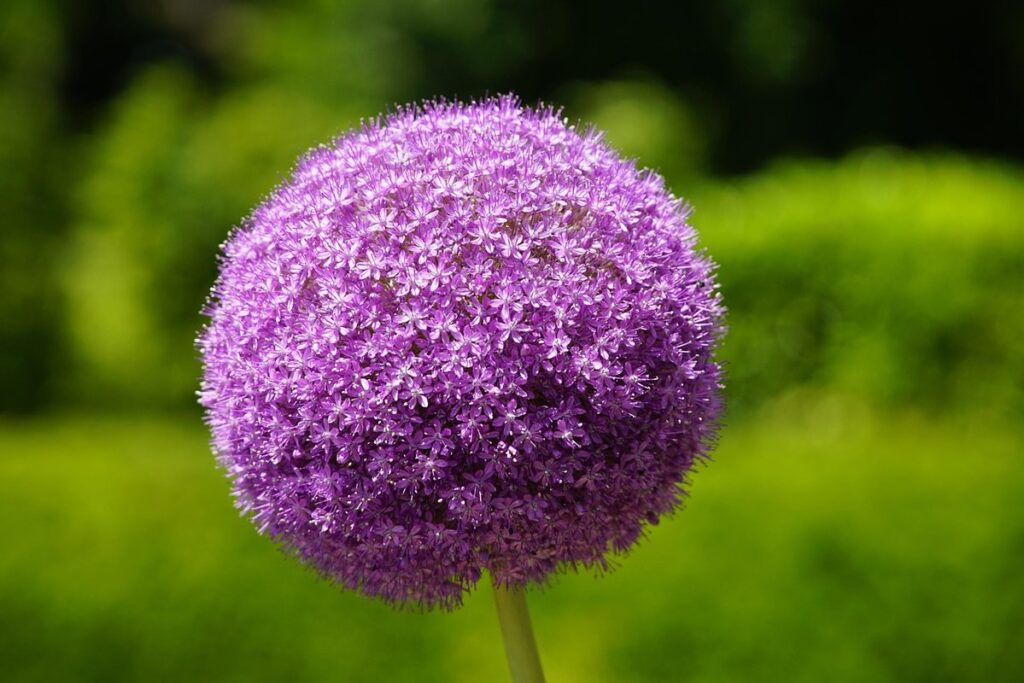
The Importance of Companion Planting
Companion planting is a simple yet powerful technique that can elevate your garden’s biodiversity and overall health. By pairing Allium Purple Sensation with complementary plants, you can boost growth and beauty.
Benefits of Allium Purple Sensation as a Companion Plant
Growing allium purple sensation as a companion plant can bring numerous benefits to your garden. One of the most significant advantages is improved pest resistance. When planted alongside other vegetables and flowers, allium purple sensation’s strong scent repels aphids, whiteflies, and other pests that can damage your crops. For instance, planting allium purple sensation near tomatoes can help protect them from hornworms and nematodes.
Additionally, companion planting with allium purple sensation can enhance growth by improving soil health. Its deep taproots bring up nutrients from lower soil layers, making them available to nearby plants. This is particularly beneficial for plants that have shallow root systems, such as lettuce or carrots. By incorporating allium purple sensation into your garden, you can create a more diverse and resilient ecosystem.
As an added bonus, the beautiful flowers of allium purple sensation will attract pollinators like bees and butterflies, further boosting plant growth and productivity in your garden.
Choosing Complementary Plants for Allium Purple Sensation
When selecting companion plants for Allium Purple Sensation, it’s essential to consider their growth habits, soil preferences, and blooming times. This will ensure that they harmonize with the ornamental onion and create a visually appealing display.
For example, if you’re looking to add some color and texture, consider pairing Allium Purple Sensation with low-growing, spreading plants like Creeping Thyme or Phlox subulata. These plants have shallow roots and prefer well-draining soil, making them ideal companions for the ornamental onion’s similar requirements.
On the other hand, if you want to create a dramatic contrast, pair Allium Purple Sensation with tall, statuesque plants like Sunflowers or Delphiniums. Just be sure to plant these taller companions behind the allium to avoid shading it out during their blooming periods.
When selecting companion plants, also consider their bloom times. Pairing plants that bloom at different times will ensure a constant display of color throughout the growing season. For instance, pair Allium Purple Sensation with early-blooming plants like Crocus or Grape Hyacinth for a stunning spring display, or late-blooming plants like Asters or Chrysanthemums for a vibrant fall display.
Remember to plant companion plants at the same time as your allium to ensure they grow and mature together. By carefully selecting companion plants that complement Allium Purple Sensation’s growth habits and blooming times, you’ll create a thriving and visually stunning garden bed.
Understanding Allium Purple Sensation’s Growing Requirements
To ensure your Allium Purple Sensation thrives, it’s essential to understand its specific growing needs and how they differ from other varieties of ornamental onions. Let’s dive into the key requirements for this stunning perennial.
Soil and Sunlight Preferences of Allium Purple Sensation
When it comes to growing Allium Purple Sensation, understanding its soil and sunlight preferences is crucial for optimal growth. This lovely allium variety thrives in well-draining soil with a pH range of 6.0 to 7.0. It’s essential to avoid waterlogged soils as this can lead to root rot and other issues.
In terms of sunlight exposure, Allium Purple Sensation requires full sun to partial shade. Aim for at least six hours of direct sunlight per day to promote healthy foliage and vibrant blooms. East- or west-facing gardens are ideal locations for growing this allium variety.
If you’re transplanting Allium Purple Sensation from a container into the ground, make sure to loosen the soil to a depth of about 12 inches. This will give the roots room to expand and help prevent soil compaction. By providing your Allium Purple Sensation with the right soil conditions and sunlight exposure, you’ll be rewarded with stunning purple blooms that add beauty and drama to your garden.
When choosing companion plants for Allium Purple Sensation, keep in mind that it’s a relatively low-maintenance variety.
Watering and Fertilization Needs for Optimal Growth
To ensure that Allium Purple Sensation reaches its full potential, proper watering and fertilization techniques are crucial. Watering needs to be adjusted based on the climate you’re growing in. For optimal growth, it’s recommended to provide about 1 inch of water per week, either through rainfall or irrigation.
When it comes to fertilizing your Allium Purple Sensation, choose a balanced fertilizer with an N-P-K ratio of 10-10-10. Aiming for moderate fertilization is best – too little and growth will be stunted, while over-fertilizing can cause the plant to become more susceptible to disease.
To avoid burning the roots, it’s essential to dilute your fertilizer according to the instructions on the label. Overwatering can lead to root rot, so ensure the soil isn’t waterlogged before applying any fertilizers.
As a rule of thumb, apply fertilizer in the spring when new growth begins and again after the flowers have bloomed. This ensures that your plant receives necessary nutrients for optimal growth throughout its growing cycle.
Companion Plants That Thrive with Allium Purple Sensation
When it comes to companion planting, you’ll want to surround your stunning Allium Purple Sensation with plants that complement its unique beauty and promote healthy growth. Let’s take a look at some excellent options!
Planting Bulbs: How to Pair Allium Purple Sensation with Spring-Blooming Flowers
When planting Allium Purple Sensation with spring-blooming bulbs, it’s essential to choose companions that not only complement its late-summer blooms but also benefit from the bulb’s growth. Consider pairing it with tulips, daffodils, or hyacinths for a stunning and diverse display.
Tulips, in particular, are an excellent match for Allium Purple Sensation. Their slender stems and cup-shaped flowers provide a beautiful contrast to the large, rounded blooms of the allium. Plant them together in mid-to-late summer, making sure to space them 6-8 inches apart. This will allow both plants to have sufficient room to grow without overcrowding each other.
For an added layer of interest, combine Allium Purple Sensation with hyacinths or daffodils. These bulbs bloom earlier than the allium and will create a beautiful sequence of blooms throughout the growing season. Plant them around 3-4 inches apart, taking care not to overcrowd the area. By pairing these spring-blooming bulbs with Allium Purple Sensation, you’ll enjoy a vibrant and dynamic display that showcases the unique beauty of each plant.
Summer Bloomers: Complementary Plants for Extended Floral Display
As we’ve explored the benefits of growing Allium Purple Sensation as a companion plant, it’s time to introduce some warm-season companions that will enhance its blooming period and create an extended floral display. These summer bloomers are specifically chosen for their ability to complement Allium Purple Sensation’s mid-to-late spring flowering season.
Some excellent choices include Lantana, Bee Balm, and Black-eyed Susan. Lantana produces clusters of small, fragrant flowers that attract pollinators like bees and butterflies, while its compact growth habit allows it to thrive in containers or borders. Bee Balm adds a pop of color with its tubular flowers, which are rich in nectar, making them a favorite among hummingbirds.
By incorporating these summer bloomers into your garden design, you’ll enjoy a vibrant display of color from late spring through fall. For example, plant Lantana alongside Allium Purple Sensation for a stunning contrast between the spherical purple blooms and the clusters of yellow flowers. This combination will not only add beauty to your garden but also provide a continuous source of nectar for pollinators.
Repelling Pests and Attracting Beneficial Insects with Allium Purple Sensation
When planting Allium Purple Sensation, consider its natural defenses against pests and how it can attract beneficial insects to your garden for a healthier ecosystem. This section explores those benefits in more detail.
Natural Pest Control Methods Using Allium Purple Sensation
When it comes to maintaining a healthy and balanced garden ecosystem, repelling pests is an essential aspect of care. Allium Purple Sensation, with its beautiful deep purple blooms and onion-scented foliage, plays a vital role in this process. One of the key pest-repelling benefits of growing Allium Purple Sensation is its ability to deter aphids and spider mites.
These two pests are common garden woes that can quickly multiply and damage plants if left unchecked. To utilize Allium Purple Sensation’s pest-repelling properties, simply plant it nearby other susceptible plants like roses, lavender, or mint. The fragrance from the allium flowers repels these pests, creating a protective barrier around your plants.
In addition to its insect-repelling abilities, Allium Purple Sensation is also attractive to beneficial insects like bees and butterflies. This dual-purpose benefit makes it an excellent choice for gardeners looking to create a balanced ecosystem in their garden. By incorporating Allium Purple Sensation into your plantings, you’ll not only enjoy stunning blooms but also reap the rewards of a healthier, more resilient garden.
Attracting Pollinators and Other Beneficial Insects to Your Garden
When it comes to creating a thriving garden ecosystem, attracting beneficial insects is just as important as repelling pests. Allium Purple Sensation, with its vibrant purple flowers and onion-like scent, makes an excellent addition to this endeavor. These lovely bulbs are a magnet for pollinators like bees and butterflies, which not only add beauty to your garden but also play a crucial role in plant reproduction.
In fact, studies have shown that bees are responsible for pollinating around 1/3 of the world’s crops. By attracting these busy insects to your garden, you’ll be supporting the health and productivity of your plants. Ladybugs, too, are frequent visitors to Allium Purple Sensation flowers, feasting on aphids and other pests that can harm your plants.
To make the most of this beneficial insect-attracting power, plant Allium Purple Sensation in an area where it will receive full sun to partial shade. This will give the bulbs the energy they need to produce those enticing flowers. Consider planting them alongside vegetables like tomatoes or peppers, which rely heavily on pollinators for fruit set. By incorporating these lovely alliums into your garden design, you’ll be creating a welcoming haven for beneficial insects and setting yourself up for a more sustainable gardening experience.
Designing a Companion Planting Scheme with Allium Purple Sensation
When choosing companion plants for your Allium Purple Sensation, think beyond just aesthetics and consider how they can boost growth and health in this stunning ornamental onion. Let’s dive into designing a harmonious planting scheme together!
Layout Considerations for Effective Companion Planting
When arranging companion plants around Allium Purple Sensation, consider their mature size to avoid overcrowding. This allium variety can grow up to 2 feet tall and wide, so choose companion plants that won’t compete for space.
For example, pair Allium Purple Sensation with low-growing herbs like thyme or creeping rosemary, which require minimal space and won’t overwhelm the surrounding area. Conversely, larger perennials like daylilies or coneflowers can complement the allium’s height while adding visual interest to the garden bed.
When selecting companion plants, also think about their growth habits and requirements. For instance, if you’re planting a water-loving companion plant like sweet willow or cattail near the allium, ensure they have access to adequate moisture.
To create a balanced layout, consider a 3-plant combination featuring Allium Purple Sensation as the focal point. This can include one taller companion plant on either side and a shorter variety in front or behind the allium.
Rotating Companion Plants to Avoid Depletion of Nutrients
As you continue to grow and maintain your Allium Purple Sensation plants, it’s essential to consider rotating your companion plants to avoid depleting the soil of nutrients. Companion planting can have many benefits for your garden, but if not done thoughtfully, it can also lead to nutrient depletion.
When selecting companion plants for your Allium Purple Sensation, it’s crucial to choose plants that complement their growing requirements without competing for resources. For example, planting nitrogen-fixing legumes like beans or peas alongside your alliums can help replenish the soil with essential nutrients. However, if you plant these same legumes year after year, they may deplete the soil of other nutrients necessary for your alliums’ growth.
To avoid this issue, rotate your companion plants every 3-4 months to maintain a balanced and diverse garden ecosystem. This allows you to replenish depleted nutrients while also avoiding pests and diseases that can accumulate in specific plant species.
Common Challenges and Solutions for Companion Planting with Allium Purple Sensation
One of the most significant hurdles you may face when growing your Allium Purple Sensation is dealing with common pests that target these beautiful flowers. Effective companion planting strategies can help mitigate these challenges.
Troubleshooting: Addressing Issues with Companion Planting
While companion planting with Allium Purple Sensation can be incredibly beneficial, issues may arise due to compatibility problems between plants. If you notice that your allium is being outcompeted by its neighbors or showing signs of stress, it’s essential to identify and address the problem.
One common issue is pests that target both the allium and its companion plant, such as aphids on nearby roses. To combat this, consider introducing beneficial insects like ladybugs or lacewings, which prey on aphids and other pests. Alternatively, use physical barriers like fine mesh to prevent aphid migration between plants.
Another potential problem is fungal diseases that spread quickly through water and soil, affecting both the allium and its companion plant. To minimize this risk, ensure good air circulation around your plants and avoid watering at night when moisture can linger on leaves. Regularly inspect your plants for signs of disease and take prompt action if you notice any issues.
If you’re experiencing root competition or overcrowding, consider thinning out surrounding plants to give the allium more space to grow. This will not only prevent stress but also allow it to thrive in its ideal growing conditions.
Tips for Successful Companion Planting in Small Gardens or Spaces
Companion planting in small gardens can be particularly challenging due to limited space and sometimes unpredictable growing conditions. However, with a little creativity and planning, you can still reap the benefits of this harmonious gardening technique even in confined areas.
When choosing companion plants for Allium Purple Sensation in small gardens or containers, consider compact or dwarf varieties that won’t compete too much for resources like sunlight and water. For instance, pair your Allium with low-growing herbs such as thyme or rosemary which not only repel pests but also thrive in partial shade conditions.
Consider vertical gardening options by making the most of space upwards rather than outwards. Use trellises or arbors to train climbing plants like peas or beans to maximize space without overwhelming your companion plantings. Additionally, use smaller containers that are specifically designed for compact growth and make sure they have good drainage holes to prevent waterlogged soil.
By carefully selecting a mix of companion plants tailored to the specific conditions of your small garden or container, you can create a thriving ecosystem even in limited spaces, supporting healthy growth and repelling pests away from your prized Allium Purple Sensation.
Conclusion and Final Thoughts on Allium Purple Sensation Companion Plants
Now that we’ve explored some great companion plant options for your Allium Purple Sensation, let’s wrap up our discussion with a few final thoughts and key takeaways.
Recap of Key Takeaways from This Article
As we wrap up our discussion on Allium Purple Sensation companion plants, let’s recap the key takeaways to help you create a thriving and beautiful garden. We’ve explored the benefits of combining these ornamental onions with other flowers and herbs, which not only enhance their growth but also add visual appeal to your outdoor space.
Some of the most effective companion plants for Allium Purple Sensation include chives, lavender, and catmint, which repel pests like aphids and whiteflies that can harm these delicate bulbs. By incorporating these beneficial companions into your garden design, you’ll not only reduce the need for pesticides but also create a balanced ecosystem.
Remember to choose companion plants with similar growing conditions to ensure they thrive together. For example, if your Allium Purple Sensation prefers well-drained soil, select plants like yarrow or rosemary that have similar requirements. By following these simple tips and guidelines, you’ll be able to create a stunning garden that’s both functional and visually appealing. With the right companion planting strategy, your Allium Purple Sensation will flourish, and you’ll enjoy a bountiful harvest of beautiful blooms.
Future Directions: Exploring New Possibilities in Companion Planting
As we conclude our exploration of Allium Purple Sensation companion plants, it’s exciting to ponder the future directions this practice may take. Companion planting is an evolving field, and new discoveries are continually being made about the relationships between different plant species. One potential area of growth is in using Allium Purple Sensation as a natural pest deterrent in integrated pest management (IPM) systems.
Imagine incorporating these ornamental onions into your garden design not only for their striking beauty but also to help control pests that might threaten other valuable plants. For example, Allium Purple Sensation’s strong scent can repel aphids and spider mites, making it a great companion plant for sensitive vegetables like lettuce or tomatoes.
As researchers continue to uncover the secrets of plant communication, we may see innovative applications of Allium Purple Sensation in permaculture designs and biodynamic farming practices. By leveraging the unique properties of these plants, gardeners can create more resilient, self-sustaining ecosystems that require fewer external inputs.
With its versatility and attractive blooms, Allium Purple Sensation is poised to play an increasingly important role in shaping the future of companion planting.
Frequently Asked Questions
How Do I Know Which Companion Plants to Pair with Allium Purple Sensation?
When selecting companion plants for Allium Purple Sensation, consider the growing requirements of each plant, including sunlight, watering, and fertilization needs. Research which plants complement Allium Purple Sensation’s pest-repellent properties and attract beneficial insects. For instance, basil and mint are excellent choices as they repel pests and improve growth.
Can I Use Companion Planting with Other Types of Allium Varieties?
Yes, while the benefits of companion planting may vary slightly between allium varieties, many species can still provide mutual support to each other’s growth. However, some allium types may have specific requirements or preferences that differ from Allium Purple Sensation.
How Do I Rotate Companion Plants to Avoid Depletion of Nutrients?
Rotate companion plants by changing the position of different species in your garden every season to avoid depleting nutrients and promoting pests. This also helps maintain soil fertility, improves overall biodiversity, and reduces the risk of disease.
What Are Some Common Challenges When Implementing Companion Planting with Allium Purple Sensation?
Common challenges include pest invasions that target companion plants or damage crops, inadequate sunlight or water supply for certain species, and poor planning of companion plant layouts. These issues can be mitigated by conducting thorough research, carefully selecting compatible plants, and adjusting garden layouts as needed.
Can I Use Companion Planting in Small Gardens or Spaces?
Yes, you can use companion planting in small gardens or spaces by choosing compact varieties of companion plants that thrive in limited areas. Also, consider vertical gardening methods to maximize space and create a diverse and thriving ecosystem.