
As a homeowner, you’re likely no stranger to the importance of keeping your backyard looking its best. But have you considered taking it to the next level with an all-mulch backyard? Not only can mulching add a pop of color and texture to your outdoor space, but it also offers a host of benefits for your lawn and garden. By choosing the right type of mulch and maintaining it effectively, you can create a thriving ecosystem that’s not only beautiful but also healthy. In this article, we’ll explore the world of all-mulch backyards, covering topics such as mulch selection, maintenance tips, and innovative ideas to get creative with your landscape design. Whether you’re a seasoned gardener or just starting out, you won’t want to miss these expert insights on how to transform your backyard into a lush oasis.
What is Mulch and Why Use It in Your Yard?
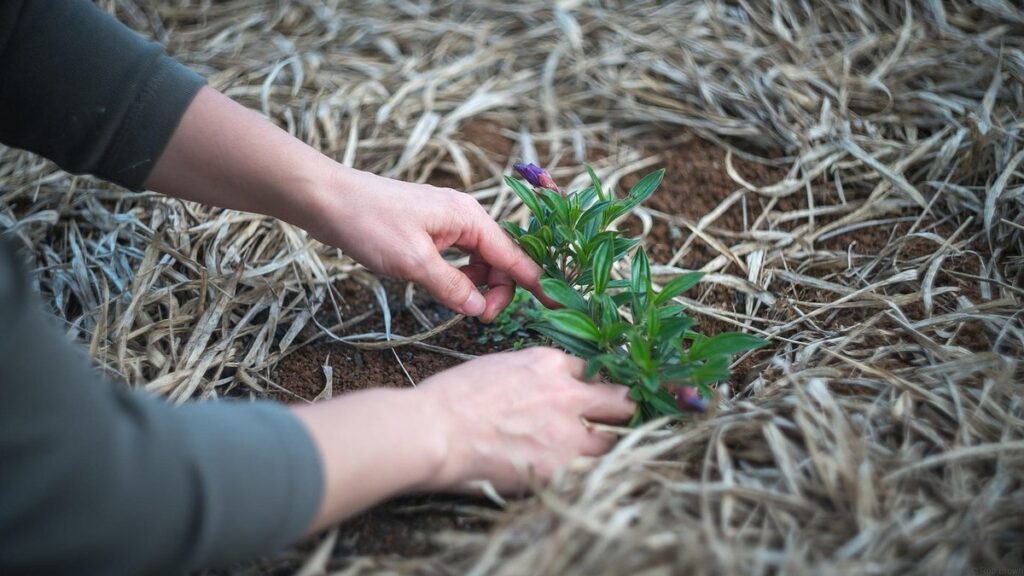
When you hear the word mulch, do you know what it’s all about? Let’s start by exploring what exactly mulch is and why it’s a game-changer for your yard.
Benefits of Mulching for a Healthier Lawn
Mulching is one of the simplest yet most effective ways to give your lawn some TLC. By applying a layer of mulch around 2-3 inches deep, you can create an environment that’s perfect for healthy growth and development. One of the key benefits of mulching is its ability to retain moisture in the soil. This means you’ll need to water less frequently, as the mulch acts as a barrier preventing excess moisture from evaporating.
Mulch also suppresses weeds by blocking light and depriving them of oxygen, which makes it easier to maintain your lawn’s appearance. Plus, it regulates soil temperature, keeping it cooler in the summer and warmer in the winter. This helps roots grow deeper and stronger, making your lawn more resilient to droughts and extreme weather conditions.
By incorporating mulch into your yard maintenance routine, you’ll be rewarded with a lush, vibrant lawn that’s easier to care for.
Different Types of Mulch and Their Characteristics
When it comes to mulching your yard, you’re not limited to just one type of material. There are various options available, each with its own unique characteristics, advantages, and disadvantages.
Organic mulches, such as wood chips, bark, and leaves, are a popular choice for many gardeners. They’re easy to find, biodegradable, and can help suppress weeds. However, they may need to be replenished frequently and can attract pests like termites.
Inorganic mulches, including gravel, stone, and plastic, are low-maintenance and long-lasting. They also don’t break down over time, making them a good choice for areas with poor soil quality. On the other hand, they can look unattractive and may not provide any significant benefits to the soil.
Wood-based mulches, like cedar and cypress, are naturally resistant to rot and insects. They’re also relatively inexpensive and easy to find. However, some types of wood-based mulch can be too dense and may prevent water from reaching plant roots.
Other options include pine straw, which is lightweight and acidic, and cocoa hulls, which are rich in nutrients but may attract pests. Ultimately, the type of mulch you choose will depend on your specific needs and preferences. Consider factors like climate, soil quality, and maintenance schedule when selecting a mulching material.
How to Choose the Right Type of Mulch for Your Yard
When it comes to choosing the right type of mulch for your yard, there are several factors to consider. First and foremost, think about your climate. If you live in a hot and dry region, you’ll want to opt for a mulch that’s designed to retain moisture and suppress weeds, such as cypress or cedar mulch. On the other hand, if you live in an area with high rainfall, you may prefer a lightweight mulch like pine straw or bark chips that can drain easily.
You should also consider your soil type when selecting a mulch. For example, if you have acidic soil, you’ll want to avoid using dyed or colored mulches that can alter the pH level. Instead, opt for natural-colored mulches like wood chips or leaves. Additionally, think about your personal preferences – do you prefer a uniform look or are you okay with a more rustic, organic appearance? Some mulches, like pine straw or cocoa hulls, have a more textured and varied appearance that can add visual interest to your yard.
When selecting a mulch, consider the maintenance requirements as well. For example, some mulches like wood chips may need to be replenished regularly due to decomposition, while others like gravel or stone require little to no upkeep.
Types of Mulch: Organic vs. Inorganic
When it comes to choosing a mulch for your backyard, you’ll want to consider whether organic or inorganic materials are best suited for your needs and garden goals.
You may be wondering what sets these two types apart, and that’s exactly what we’re about to explore.
Organic Mulches (Wood Chips, Bark, Leaves)
Organic mulches are an excellent choice for backyard gardens, offering numerous benefits that enhance soil health and aesthetics. Wood chips, bark, and leaves are popular organic options, each with its unique characteristics.
Wood chips are a cost-effective and widely available choice, made from the byproduct of woodworking industries or wood waste. They decompose relatively quickly, typically within 2-3 years, adding nutrients to the soil as they break down. Bark mulch, on the other hand, is often sourced from tree trimmings and has a more durable composition, lasting around 5 years before needing replacement.
Leaves can also be used as an organic mulch, providing a free resource for gardeners who collect them from their own trees or nearby areas. However, they require regular maintenance to prevent matting and moisture retention issues. To use leaves effectively, it’s essential to chop them finely before applying, ideally in 2-3 inch layers.
When using any of these organic mulches, keep in mind that they will eventually decompose and need replenishing. Regularly check your mulch layer for signs of decay, and refresh as necessary to maintain a healthy soil environment.
Inorganic Mulches (Plastic, Rubber, Stone)
Inorganic mulches, such as plastic, rubber, and stone, have gained popularity due to their durability and ease of maintenance. Plastic mulch, for instance, can last up to 5 years with proper installation, whereas organic mulches may need to be replenished annually. However, it’s essential to consider the environmental impact of using inorganic materials.
One significant disadvantage is the potential for microplastics to leach into the soil and water systems. This can have detrimental effects on plant growth, wildlife, and even human health. Rubber mulch, made from recycled tires, may seem like a more eco-friendly option but can still release toxic chemicals when heated by the sun.
On the other hand, stone or gravel mulches offer a more aesthetically pleasing alternative with minimal environmental concerns. These materials require little to no maintenance, are resistant to pests and diseases, and can help improve soil drainage. However, they may not provide the same level of moisture retention as organic mulches.
If you’re considering inorganic mulch for your backyard, weigh the benefits against the potential drawbacks. For example, if you have a high-traffic area or a sloped lawn, plastic or rubber mulch might be a practical choice. But for garden beds or areas where children and pets play, stone or gravel could be a better option to minimize environmental risks.
Mulch Maintenance: Tips for Long-Lasting Results
To keep your mulched backyard looking its best, it’s essential to regularly replenish and maintain the mulch layer. This means replacing old mulch and reapplying new material as needed to ensure long-lasting results.
How Often to Replenish or Replace Mulch
The frequency at which you need to replenish or replace mulch depends on several factors, including the type of mulch, climate, and usage. On average, it’s recommended to refresh the mulch every 1-3 years. However, some types of mulch like organic mulch may break down faster than others.
To determine if your mulch needs replenishing, inspect it regularly for signs of decay or damage. Look out for bare spots, uneven distribution, and mold growth. If you notice any of these issues, it’s likely time to refresh the mulch.
For high-traffic areas, consider replenishing every 6-12 months. This will help maintain a neat appearance and prevent mulch from getting compacted. Additionally, if your mulch is exposed to direct sunlight or extreme weather conditions, you may need to replace it more frequently.
In general, it’s best to start with a thick layer of mulch (around 3-4 inches) to provide adequate coverage. As the mulch breaks down, replenish with fresh mulch to maintain its effectiveness and prevent weeds from growing.
Mulching Around Plants: Do’s and Don’ts
When mulching around plants, it’s essential to strike a balance between protecting the soil and avoiding damage to the roots. One common mistake is piling too much mulch against the base of plants, which can lead to rotting and suffocation of the roots. Instead, maintain a 2-3 inch layer of mulch, keeping it at least 6 inches away from the plant’s trunk.
To create an ideal environment for your plants, choose a breathable mulch like pine straw or hardwood bark chips. Avoid using too much cedar or cypress wood chips, as they can release chemicals that may harm plants. For better results, consider mixing different types of mulches to achieve optimal texture and drainage.
When reapplying mulch, gently rake it over existing layers to avoid compacting the soil. Be mindful not to smother young seedlings or newly planted areas with excessive mulch. To prevent weeds from growing through the mulch, lay a thin layer of landscape fabric underneath before adding mulch. This simple yet crucial step will save you time and effort in maintaining your garden’s health and beauty.
DIY vs. Professional Installation: Which is Best?
When it comes to mulching your backyard, one of the biggest decisions you’ll face is whether to install it yourself or hire a professional. We’ll weigh the pros and cons of each option for you.
Pros and Cons of Installing Mulch Yourself
Installing mulch yourself can be a cost-effective option, allowing you to save money on labor costs. However, it’s essential to consider whether you have the time and expertise to do the job correctly. If not, potential errors can lead to unnecessary expenses down the line.
One of the main advantages of DIY mulching is that you maintain control over the quality of the materials used. This means you can choose from a wide range of mulch types, including organic and inorganic options, to suit your specific needs and budget. For example, if you’re looking for a sustainable solution, you can opt for wood chips or bark.
On the other hand, installing mulch yourself can be a time-consuming process, especially if you have a large yard. You’ll need to consider factors such as the size of your garden beds, the type of mulch you’ve chosen, and how much material is required. Additionally, you may need to hire equipment or rent tools, which can add extra costs.
To ensure success with DIY mulching, it’s crucial to plan carefully and follow a step-by-step approach. Start by preparing your garden bed, removing any weeds or debris. Next, spread the mulch evenly, leaving space for growth between plants. Finally, maintain your mulch by replenishing it as needed and keeping an eye out for any signs of wear.
When to Hire a Professional for Mulch Installation
If you’re planning to install mulch in your backyard, it’s essential to consider whether DIY installation is feasible or if hiring a professional is necessary. While mulching can be a straightforward process for small areas, larger spaces or complex designs may require specialized expertise and equipment.
For instance, if you have a large garden with multiple beds, uneven terrain, or intricate pathways, a professional installer will be better equipped to navigate these challenges. They’ll bring the necessary tools, such as skid-steer loaders or excavators, to efficiently complete the job.
Another situation where hiring a pro is recommended is when you’re looking for precision and customization in your mulch design. A professional can help you achieve specific patterns, shapes, or textures that might be difficult to replicate on your own. Additionally, if you have limited time or physical ability, it’s best to leave the installation to someone who can handle the task quickly and safely.
In these cases, hiring a professional mulch installer will save you time, effort, and potential mistakes, ensuring a beautiful and well-maintained mulched backyard.
Mulch Safety: Precautions to Take When Working with Mulch
When working with mulch, it’s essential to take certain precautions to avoid accidents and injuries. Let’s discuss some critical safety measures you should consider when handling mulch in your backyard.
Handling and Storage Guidelines
When handling mulch, it’s essential to prioritize your safety and the surrounding environment. Start by wearing protective gear, including gloves, long sleeves, and eye protection. These simple precautions can help prevent injuries from splinters, cuts, or dust irritation.
Mulch can be heavy, so be sure to lift correctly to avoid straining your back. When loading mulch into a wheelbarrow or bag, keep the load evenly distributed to prevent it from toppling over. If you’re working with a large quantity of mulch, consider investing in a tarp or drop cloth to contain any spills.
It’s also crucial to store mulch properly to maintain its quality and prevent moisture buildup. Keep mulch away from direct sunlight and heat sources, as this can cause it to dry out or become brittle. Consider storing it in a covered area or under a canopy to protect it from the elements. By following these simple guidelines, you’ll be able to safely handle and store your mulch, ensuring a successful and enjoyable backyard project.
Mulch Allergy Prevention and Treatment
If you’re a gardening enthusiast, chances are you’ve heard of mulch allergies. While rare, these allergies can cause severe reactions in some individuals. Mulch allergies occur when the body mistakenly identifies certain compounds in mulch as foreign and attacks them, triggering an allergic reaction.
The primary culprits behind mulch allergies are volatile organic compounds (VOCs) released by certain types of wood mulch. These VOCs can irritate eyes, skin, and respiratory systems, causing symptoms like itching, redness, and difficulty breathing. Hardwoods like cedar and cypress are particularly notorious for releasing these allergenic chemicals.
To prevent mulch allergies, opt for alternative materials like organic bark chips or pine straw, which release fewer VOCs. When handling mulch, wear protective gear such as gloves, a mask, and long sleeves to minimize skin contact. Regularly clean your gardening tools and wash your hands after working with mulch to avoid spreading allergens.
If you do experience symptoms of a mulch allergy, seek medical attention promptly. Your doctor may recommend antihistamines or other treatments to alleviate the reaction. To reduce VOC emissions from existing wood mulch, aerate it regularly by turning it over and adding new material on top.
Creative Mulch Ideas: Beyond Traditional Landscaping
Take your mulching game to the next level by exploring unconventional materials and creative uses for traditional favorites, from unusual planters to artistic designs. We’ll show you how to think outside the box!
Using Mulch in Container Gardens and Vertical Planters
Incorporating mulch into container gardens and vertical planters is a fantastic way to add visual appeal while also retaining moisture and suppressing weeds. When choosing a mulch for containers, select a lightweight option that won’t compact or rot when exposed to water. Organic options like cocoa husk or coconut coir are excellent choices.
To incorporate mulch in your container gardens, start by adding a 1-2 inch layer at the bottom of the pot before planting. This helps with drainage and prevents roots from sitting in waterlogged soil. As plants grow, add more mulch around the base to retain moisture and suppress weeds. You can also use mulch as a decorative topping for your containers – simply spread it evenly over the surface.
For vertical planters, consider using a slightly heavier-duty mulch like bark chips or wood shavings. Apply a 2-3 inch layer at the bottom of the planter to help stabilize plants and prevent soil erosion.
Mulch-Based Hardscaping and Decorative Elements
When it comes to using mulch beyond traditional landscaping, getting creative with hardscaping and decorative elements is a great place to start. Mulch can be used as a versatile material for creating borders and pathways that add visual interest and texture to your yard.
One way to use mulch in this way is by creating a meandering path through your garden or around outdoor living spaces. Simply lay down a layer of mulch, then use a rake or edger to create a smooth, curved edge. You can also use mulch to create borders between different areas of your yard, such as between the lawn and a garden bed.
To give your paths and borders some extra visual appeal, try mixing different types of mulch together in a pattern or design. For example, you could layer dark-colored wood chips over lighter-colored bark or pine straw for a contrasting look. This is also a great way to add color and texture to areas where grass won’t grow.
Another idea is to use mulch as a material for decorative features like stepping stones or small retaining walls. Simply lay down a layer of compacted gravel, then top it with a layer of smaller rocks or pebbles in a decorative pattern.
Frequently Asked Questions
Can I use mulch in containers or vertical planters?
Yes, you can use mulch in container gardens and vertical planters to retain moisture, suppress weeds, and regulate soil temperature. Just be sure to choose a type of mulch that is compactible and won’t become too dense over time.
How do I maintain my mulch during extreme weather conditions?
Mulching is most effective when it’s kept 2-3 inches deep, but during periods of drought or heavy rainfall, you may need to adjust the depth of your mulch. Remove any weeds that grow through the mulch and replenish it as needed.
Is it safe to use mulch around plants with shallow roots?
Yes, but be cautious not to overcrowd your plants with too much mulch. Mulching around plants with shallow roots can help retain moisture, but avoid piling mulch against plant stems or trunks to prevent waterlogged conditions and potential root rot.
Can I mix different types of mulch together in my yard?
While it’s generally a good idea to stick with one type of mulch for consistency, mixing different types can create interesting textures and benefits. For example, combining organic wood chips with inorganic gravel can provide both moisture retention and improved drainage.
How often should I replenish or replace my mulch?
The frequency of replenishing or replacing your mulch depends on various factors such as the type of mulch used, weather conditions, and soil quality. Typically, you’ll need to replenish organic mulches every 6-12 months, while inorganic mulches may last longer with less maintenance.