
Are you tired of struggling to grow plants in your high-pH soil? You’re not alone! Many gardeners face challenges when it comes to cultivating beautiful blooms and lush greenery in alkaline environments. But don’t worry, we’ve got you covered. In this article, we’ll take a look at the best alkaline soil plants list, including trees, shrubs, perennials, and annuals that can thrive in high pH conditions.
Whether you’re a seasoned gardener or just starting out, understanding which plants can tolerate alkaline soil is crucial for creating a healthy and vibrant garden. We’ll cover not only the top plant picks but also provide tips on how to prepare and maintain your soil to give them the best chance of success. So, if you’re ready to transform your high-pH garden into a blooming oasis, keep reading!
Understanding Alkaline Soil and Its Effects on Plant Growth
So, you want to know what makes alkaline soil so unique and how it affects your plants? Let’s break down the basics of alkaline soil and its impact on plant growth.
Defining Alkalinity and Its Measurement
Alkaline soil is characterized by its high pH levels, typically ranging from 7 to 9. This type of soil is commonly found in areas with limestone deposits, high rainfall, and limited organic matter. The high concentration of calcium carbonate in these regions can lead to an increase in pH levels.
Understanding the pH levels of your soil is crucial for optimal plant growth. A common misconception is that all plants prefer a neutral pH level (around 7). However, some plants are more tolerant or even thrive in alkaline conditions. To measure alkalinity, gardeners use a pH meter, which provides an accurate reading of the soil’s pH levels.
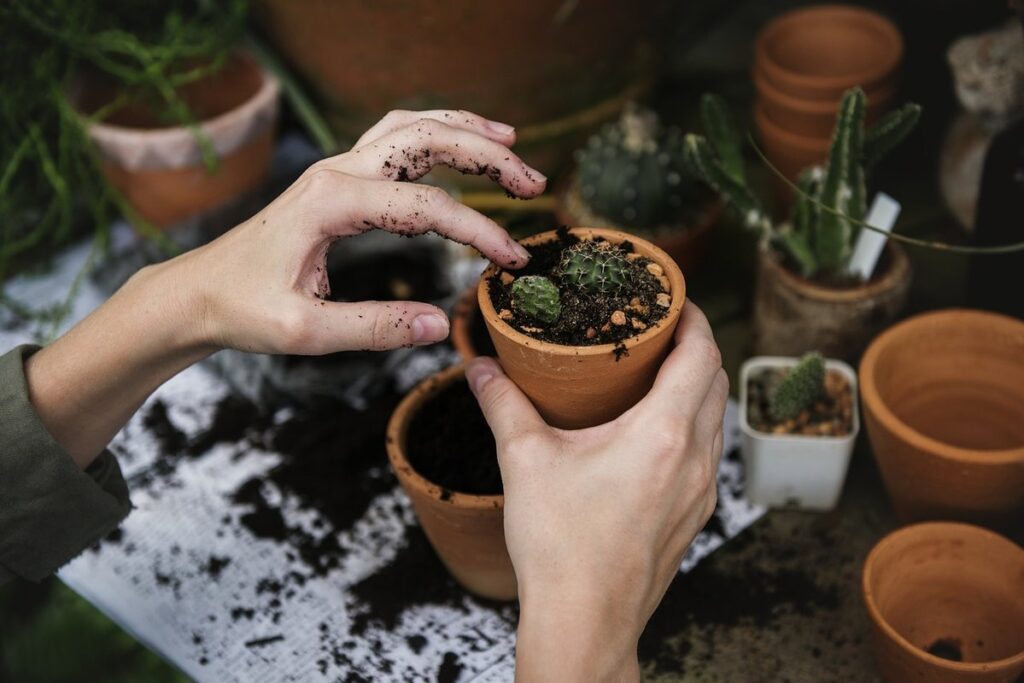
When dealing with high-pH soil, it’s essential to consider the specific needs of your plants. Some plants can adapt to these conditions by altering their root structure and developing specialized mechanisms to absorb nutrients. For instance, succulents and cacti are notorious for their ability to tolerate extreme alkalinity due to their adapted water-storing mechanisms.
Challenges of Growing Plants in Alkaline Soils
Growing plants in alkaline soils can be quite challenging due to several factors. One of the primary issues is nutrient deficiencies. High pH levels make it difficult for plants to absorb essential nutrients like nitrogen, phosphorus, and potassium from the soil. This is because most plant-friendly nutrients are readily available at a lower pH range (around 6-7). For instance, if you’re growing tomatoes in an alkaline soil with a pH of 8 or higher, they might not be able to absorb enough calcium, which can lead to blossom-end rot.
Another significant challenge faced by plants growing in high pH environments is water scarcity. Alkaline soils tend to have poor water retention capabilities, making it difficult for plants to get the required moisture levels. This forces growers to constantly monitor soil moisture levels and adjust their irrigation schedule accordingly. Moreover, high-pH environments also increase a plant’s susceptibility to pests and diseases. For example, fungal infections are more common in alkaline soils due to the presence of sodium and calcium ions that can create an ideal breeding ground for pathogens.
To tackle these challenges, it’s essential to understand your soil pH levels and take corrective measures accordingly. This may include applying lime or gypsum to adjust the pH level, using fertilizer specifically formulated for high-pH environments, and practicing efficient irrigation techniques to minimize water loss.
Choosing Plants for Alkaline Soil: Factors to Consider
When selecting plants for your alkaline soil, there are several key factors to consider, including plant hardiness and specific pH requirements. This section will help you make informed choices for a thriving garden.
Selecting Species with Adaptability Traits
When selecting plants for alkaline soil, it’s essential to consider species that are naturally more tolerant of high pH levels. These adaptable plants have evolved unique traits that enable them to thrive in environments where other plants would struggle.
Some key characteristics of adaptable plant species include extensive root systems, which allow them to absorb nutrients and water from deep within the soil. This is particularly important in alkaline soils, where nutrient availability can be limited. For example, the succulent species Echeveria and Crassula have developed impressive root systems that enable them to survive in areas with poor soil quality.
Other adaptable traits include a waxy or thick cuticle on leaves, which helps prevent water loss due to high pH levels. Plants like Agave and Yucca have developed this adaptation, allowing them to conserve moisture in arid environments. By choosing plants with these adaptability traits, gardeners can increase their chances of success when cultivating in alkaline soils.
Plants Suitable for Low-Fertility Soils
If you’re dealing with alkaline soil that’s low in nutrients, it can be challenging to find plants that’ll thrive. However, there are some amazing options that have adapted to these conditions over time. Succulents and cacti, for example, are perfect choices for low-fertility soils. These plants have evolved to store water in their leaves, stems, or roots, allowing them to survive with minimal nutrient intake.
Some popular succulent species include aloe vera, agave, and echeveria. Cacti like prickly pear, Christmas cactus, and epiphytic orchids also do well in alkaline soils with limited nutrients. When planting these species, make sure to provide them with good drainage to prevent waterlogged soil. You can also supplement their nutrient intake by fertilizing sparingly during the growing season.
Another option is to consider plants that have shallow root systems, such as sedum and creeping juniper. These plants can survive in soils with low nutrient availability because they don’t require a lot of nutrients to grow. When choosing plants for your alkaline soil, select species that are known to thrive in these conditions. By doing so, you’ll be more likely to have success with your planting endeavors.
Plant List for Alkaline Soil: Perennials, Annuals, and More
As you plan your alkaline soil garden, it’s essential to know which plants will thrive in high pH environments. In this section, we’ll explore a diverse list of perennials, annuals, and more that are perfect for your conditions.
Trees and Shrubs That Excel in High pH Environments
When it comes to trees and shrubs that excel in high pH environments, you’ll be pleased to know that there are many wonderful options available. For instance, cedar trees are well-suited for alkaline soils, as they have adapted to thrive in areas with high pH levels. In fact, white cedar (Thuja occidentalis) is a popular choice for landscaping projects in regions with alkaline soil.
Other trees that prefer or tolerate alkaline conditions include oak species like the English oak (Quercus robur), which can grow up to 100 feet tall and live for centuries. When it comes to shrubs, boxwood (Buxus sempervirens) is a low-maintenance option that can handle high pH levels. Lavender (Lavandula spp.) is another excellent choice, as its fragrant flowers bloom in shades of purple and attract pollinators.
When selecting trees or shrubs for your alkaline soil garden, be sure to research their specific needs and ensure they receive the right amount of sunlight and water. Some species may require more frequent watering or pruning, so it’s essential to understand their requirements before planting.
Perennial Flowers for Alkaline Soils: A Mix of Colorful Options
When it comes to adding color and vibrancy to your alkaline soil garden, perennial flowers are an excellent choice. These low-maintenance plants not only bring beauty to your outdoor space but also thrive in high pH environments. One of the most popular options is coneflowers (Echinacea spp.), which come in a variety of colors including pink, purple, and white. Their large, showy blooms attract pollinators like bees and butterflies, making them a great choice for gardeners who want to support local wildlife.
Another option is black-eyed Susans (Rudbeckia hirta), which produce bright yellow petals with dark centers. These daisy-like flowers are easy to care for and can tolerate a range of soil conditions, including alkaline soils. Daylilies (Hemerocallis spp.) are also a great choice, as they come in a wide range of colors and can bloom multiple times throughout the growing season.
To incorporate these colorful perennials into your garden, start by selecting a location that receives full sun to partial shade. Plant them at the right depth, making sure not to overcrowd the area. With proper care, including regular watering and fertilization, these flowers will continue to thrive and add beauty to your alkaline soil garden for years to come.
Tips for Planting and Maintaining in Alkaline Soil
When working with alkaline soil, it’s essential to understand how to plant and maintain your garden effectively. We’ll share practical tips on cultivating thriving plants in high pH environments.
Soil Preparation Strategies
Preparing alkaline soil for planting requires careful consideration to create an environment conducive to healthy plant growth. Before planting, it’s essential to adjust the pH level if necessary and incorporate organic matter to enhance fertility and structure.
To assess the pH level, use a soil testing kit or send a sample to a laboratory for analysis. This will determine whether your alkaline soil is too high (above 8.5) or suitable for plant growth. If adjustments are needed, add elemental sulfur or aluminum sulfate to lower the pH level. Conversely, if your soil is not alkaline enough, incorporate lime to raise it.
When adding organic matter, focus on materials with a low pH, such as peat moss, composted pine bark, or leaf mold. These will help balance the high pH without making drastic changes. Additionally, mix in a 2-3 inch layer of well-rotted manure or worm castings to enrich soil with nutrients and beneficial microorganisms.
When incorporating organic matter, be mindful not to overdo it, as this can lead to nutrient imbalances. Aim for 10-20% organic matter content for optimal results.
Fertilization Considerations for Alkaline Soils
When it comes to fertilizing plants in alkaline soils, it’s essential to consider the unique challenges these environments pose. Alkaline soils often have high levels of calcium and magnesium, which can lead to nutrient deficiencies such as nitrogen, iron, and manganese scarcity.
To mitigate these issues, choose fertilizers that are specifically designed for high-pH soils. Look for products that contain sulfur or aluminum, which help lower the soil pH and make nutrients more available to plants. Organic options like fish bone meal and alfalfa meal can also provide essential micronutrients while promoting a balanced microbial community.
Another crucial consideration is the type of nitrogen used in fertilizers. Alkaline soils tend to bind with ammonium-based fertilizers, making them less effective. Instead, opt for nitrate-based or sulfur-coated urea products, which release nitrogen more slowly and are less likely to be tied up by the soil’s high calcium levels.
By selecting the right fertilizer and taking into account the unique nutrient needs of your plants, you can help create a thriving garden even in the most alkaline of soils.
DIY Methods for Testing and Adjusting Your Soil’s pH
Now that you have your alkaline soil plants list, let’s dive into how to accurately test and adjust your soil’s pH levels using simple, cost-effective DIY methods. This section will guide you through each step of the process.
Home Tests and Kits: A Review of Accuracy and Ease of Use
When it comes to testing and adjusting your soil’s pH levels, at-home kits can be a convenient and cost-effective solution. However, their accuracy is often debated among gardening enthusiasts.
Some popular home test kits claim to provide accurate pH readings with just a few drops of soil or a simple dipstick test. While these methods can give you an idea of your soil’s pH range, they may not be entirely reliable. For instance, the DIY pH test kit by Luster Leaf is often praised for its ease of use and affordable price point. However, it has been reported to yield inconsistent results when compared to lab-based testing.
To get a more accurate reading, consider investing in a high-quality soil testing kit that includes a buffer solution to calibrate your readings. Alternatively, you can send a soil sample to a reputable laboratory for analysis. When choosing a home test kit, look for one with good customer reviews and a high accuracy rating from independent testing organizations.
Keep in mind that even the most accurate at-home kits may not account for other factors affecting your soil’s pH, such as nutrient deficiencies or microbe imbalances. A comprehensive understanding of these factors will help you make informed decisions when adjusting your soil’s pH levels to support the needs of alkaline-tolerant plants.
Tips for Adjusting pH Levels and Creating a More Balanced Environment
When working with alkaline soils, it’s essential to understand that adjusting the pH level can be a delicate process. However, there are several natural materials and organic amendments you can use to create a more balanced environment for your plants.
To lower high pH levels, consider using sulfur-based products or natural fertilizers like peat moss. These ingredients help reduce soil alkalinity by releasing acidic compounds that counterbalance the existing alkaline conditions. For instance, elemental sulfur is an excellent choice as it slowly releases sulfate ions over time, gradually lowering the soil’s pH.
On the other hand, if your soil is too acidic, you can use natural lime or dolomitic limestone to increase the pH levels. This will not only help adjust the acidity but also provide essential nutrients for plant growth. Organic matter like compost or well-rotted manure can also help buffer against extreme pH fluctuations.
When applying any of these materials, be sure to follow the recommended application rates and guidelines to avoid over-correcting the soil’s pH levels.
Frequently Asked Questions
Can I still grow acidic-loving plants in alkaline soil with some modifications?
Yes, while it’s more challenging, you can adapt some acidic-lover plants to alkaline conditions by adjusting the pH levels or using acidic fertilizers. However, this may require regular monitoring and adjustments to maintain optimal growing conditions.
How long does it take for new alkaline-tolerant plants to adjust to my garden?
The adjustment period varies depending on factors like soil type, climate, and plant species. Typically, it takes 1-3 months for newly planted alkaline-tolerant species to establish themselves in high-pH environments.
Are there any DIY methods to acidify small areas of alkaline soil without using commercial fertilizers?
Yes, you can create a homemade acidic fertilizer by mixing equal parts peat moss and sulfur or using compost tea. These methods are more cost-effective but may require repeated applications for optimal results.
Can I use store-bought kits to test my soil pH accurately, or should I opt for professional testing services?
Home tests and kits can provide reliable results if used correctly, but their accuracy might vary depending on the product quality and user expertise. For high-stakes gardening decisions, consider investing in professional testing services for precise pH readings.
Can alkaline-tolerant plants thrive without any special care or maintenance?
While these plants are more adaptable to high-pH conditions, regular maintenance is still crucial for optimal growth. This includes proper watering, fertilization, pruning, and monitoring soil pH levels to prevent nutrient deficiencies or other issues that might arise in alkaline environments.