
Agave plants have long been a staple in Mexican culture, not just for their striking beauty but also for their incredible versatility. As these remarkable plants reach maturity, they produce a majestic flower stalk that’s truly a sight to behold. Not only is it a harbinger of new life and growth, but it also plays a crucial role in the production of tequila, one of Mexico’s most iconic exports. But beyond its industrial significance, the agave flower stalk holds deep cultural and symbolic meaning for many communities. In this article, we’ll delve into the fascinating world of agave plants, exploring their unique characteristics, cultural importance, and practical uses – from cooking to craftsmanship – to truly appreciate the wonder that is the agave flower stalk.
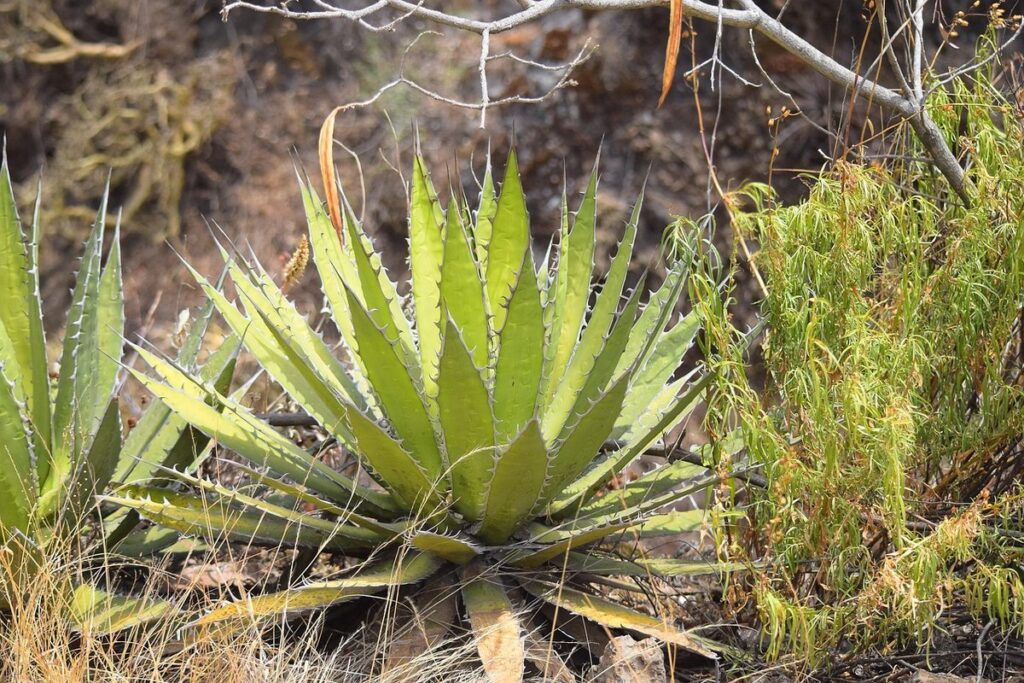
What is an Agave Plant?
Let’s start from the beginning and explore what makes an agave plant so unique, a fascinating topic that will help you understand its flower stalk.
Characteristics of Agave Plants
Agave plants are known for their unique and striking appearance. One of the most distinctive features is their succulent stems and leaves that store water to survive in dry conditions. This adaptation allows them to thrive in arid environments, making them a popular choice for desert landscapes.
The thick, fleshy leaves of agave plants have a waxy coating called cutin that helps prevent water loss through transpiration. This feature enables the plant to conserve moisture and can even change color in response to environmental factors. For example, some species display vibrant colors as they mature or when exposed to intense sunlight.
In addition to their impressive foliage, agave plants often have a distinctive rosette shape, with leaves radiating from a central point. This unique structure helps the plant collect and conserve water more efficiently. Many gardeners and landscapers appreciate this characteristic for its ornamental value, making agave plants a popular choice for low-maintenance gardens.
By understanding the characteristics of agave plants, you can better appreciate their remarkable adaptations to arid environments and choose the right species for your specific climate and needs.
Types of Agave Plants with Flowering Stalks
Among the numerous species of agave plants, some stand out for their remarkable ability to produce towering flower stalks. If you’re fascinated by these natural wonders, you should know that certain types of agave plants are more likely to display this stunning feature.
For instance, Agave americana, also known as the century plant, is one of the most iconic examples of an agave with a flowering stalk. This majestic species can grow up to 15 feet tall and produces vibrant yellow flowers in the summer months. Another notable mention is Agave victoria-regina, a smaller variety that reaches about 6-8 feet high and boasts beautiful red or pink blooms.
It’s essential to note that these plants typically only produce flower stalks after they have reached maturity, which can take anywhere from 10 to 30 years in the case of some species. As an agave enthusiast, it’s crucial to understand the life cycle of your plant to appreciate this rare and spectacular event.
When cultivating an agave with a flowering stalk, make sure to provide it with plenty of sunlight, water carefully during the growing season, and repot the plant every 2-3 years to ensure optimal growth.
Growth Cycle of an Agave Plant
The growth cycle of an agave plant is a remarkable process, from sprouting to flowering and seeding. In this next part, we’ll dive into the stages of an agave’s life.
From Suckers to Mature Plants
As your agave plant grows from a small sapling to a mature plant, it will go through several stages of development. One of the most interesting aspects of this process is the growth of suckers, also known as “pups,” which are small plantlets that emerge from the base of the mother plant.
At first, these suckers may seem like just another leaf or stem growing from the agave’s root system. However, with proper care and conditions, they can grow into fully formed plants in their own right. As the suckers develop, they will begin to produce their own roots, gradually detaching themselves from the mother plant.
To encourage healthy sucker growth, make sure your agave is getting enough water and nutrients. Avoid over-watering, which can cause the suckers to rot or become weak. With patience and proper care, you can expect 3-5 new suckers to emerge every year or two, eventually growing into mature plants with their own established root systems.
When a sucker reaches about one-third of its full height, it’s ready to be repotted. Choose a pot that is only slightly larger than the sucker’s roots and use a well-draining cactus mix to prevent waterlogged soil.
The Journey to Flowering Age
As an agave plant grows and matures, it undergoes significant changes that signal its readiness to produce a flower stalk. One of the most noticeable transformations is the size of the leaves. As the plant reaches maturity, typically between 10 to 20 years, the leaves will begin to decrease in size, becoming more compact and robust.
The color of the leaves also undergoes a change during this time. The older, mature leaves may turn yellow or brown as they age, while new growth will emerge with a greener hue. This color transition is a natural process, indicating that the plant has stored sufficient energy for flowering.
Another significant change is the orientation of the leaves. As the plant grows taller, its leaves will begin to lean inwards, forming a more compact rosette shape. This positioning allows the plant to conserve water and direct its energy towards producing a flower stalk. By observing these changes, you can identify whether your agave is ready for flowering. Keep in mind that the exact timing may vary depending on factors like climate, soil quality, and species.
Characteristics of Agave Flower Stalks
As you delve deeper into the world of agave flower stalks, it’s essential to understand their distinct characteristics that set them apart from other plants. Let’s take a closer look at these unique features.
Structure and Composition
An agave flower stalk is composed of several distinct features that work together to support the plant’s life cycle. At the base, you’ll find a thick stem, often referred to as the peduncle, which can grow up to 6 feet tall in some species. This stem serves as the central axis around which the tightly wrapped leaves and flowers are arranged.
The unique structure of an agave flower stalk is characterized by its spirally arranged leaves, known as phylloclades or pinnae. These leaves are actually modified branches that have evolved to perform photosynthesis and store water, allowing the plant to conserve resources during times of drought. The tightly wrapped arrangement of these leaves provides excellent protection from harsh environmental conditions.
As you move up the stalk, you’ll notice a change in leaf morphology, with some species developing larger, more robust leaves near the base and smaller, more delicate ones towards the top. This adaptation allows for optimal resource allocation during different stages of growth.
Unique Features and Functions
An agave flower stalk is a remarkable structure that plays a vital role in the plant’s life cycle. One of its most distinctive features is its striking appearance, which can grow up to 40 feet tall and support hundreds of flowers. This towering height allows the agave to attract an array of pollinators, including bees, butterflies, and hummingbirds.
The agave flower stalk also serves as a vital platform for seed production. As the plant matures, it produces a massive inflorescence that can contain thousands of tiny flowers, each capable of producing seeds. This allows the agave to propagate itself efficiently, spreading its unique genetic traits to new areas. To encourage healthy seed production, gardeners can provide their agaves with full sun and well-draining soil, as these conditions promote strong growth and flowering.
The agave flower stalk’s role in attracting pollinators is also crucial for seed set. By providing a rich source of nectar, the plant attracts beneficial insects that facilitate fertilization. This symbiotic relationship between the agave and its pollinators highlights the importance of maintaining a diverse ecosystem around these plants.
Environmental Factors Influencing Agave Flower Stalk Growth
Let’s explore how environmental factors such as climate, soil quality, and watering habits can significantly impact the growth of your agave flower stalk.
Climate and Soil Conditions
When it comes to growing an agave plant’s flower stalk, climate and soil conditions play a significant role. Temperature fluctuations can either encourage or hinder the growth of the stalk, with most agave species requiring a period of cooler temperatures before flowering. For example, the iconic Blue Agave (Agave angustifolia) typically takes 10 to 20 years to mature, but only flowers after experiencing a cold winter.
Soil conditions also impact flower stalk growth. Well-draining soil rich in organic matter is essential for agave plants, as it allows for healthy root development and prevents waterlogged soil that can lead to root rot. pH levels between 6.0 and 7.5 are suitable for most agave species, although some may require more alkaline or acidic conditions.
To replicate these optimal conditions in your garden, consider planting your agave in a spot with full sun and good air circulation. Mulching around the base of the plant can help retain moisture and suppress weeds. Regular soil testing will also allow you to make informed decisions about nutrient amendments, ensuring that your agave receives the nutrients it needs to produce a healthy flower stalk.
By understanding how climate and soil conditions impact agave flower stalk growth, you’ll be better equipped to provide your plants with the ideal environment for flowering.
Watering and Irrigation Considerations
When it comes to promoting healthy growth and flowering in agave plants, proper watering and irrigation practices are crucial. Over-watering is one of the most common mistakes gardeners make when caring for these succulents. Agaves need well-draining soil that can dry out between waterings, so avoid using regular potting mix. Instead, use a cactus or succulent potting mix specifically designed to hold moisture but still allow excess water to drain.
Water your agave plant only when the top inch of soil feels dry to the touch. This usually means watering once every 7-10 days during spring and summer months when they’re actively growing. During fall and winter, reduce watering to once a month as growth slows down.
It’s also essential to understand that agaves don’t like standing water, which can lead to root rot. Make sure the pot has good drainage holes to prevent waterlogged soil. Regularly inspect your plant for signs of over-watering, such as yellowing leaves or soft stems. If you notice any issues, adjust your watering schedule accordingly.
By following these tips, you’ll be able to create an ideal environment for your agave plant to thrive and eventually produce a stunning flower stalk.
Cultural Significance and Symbolism
The agave flower stalk has been imbued with rich cultural significance, playing a vital role in many traditional ceremonies and rituals across Latin America. Let’s delve into its symbolic meanings.
Ancient Mesoamerican Traditions
In ancient Mesoamerica, the agave plant was more than just a succulent – it was a sacred being deeply ingrained in the region’s spiritual and cultural practices. The Aztecs and Mayans revered the agave for its life-giving properties, using its sap to create a potent elixir called pulque that was believed to possess mystical powers.
During rituals and ceremonies, the agave plant played a central role, often symbolizing fertility, abundance, and the cycles of nature. The agave’s majestic flower stalk, with its towering spikes and vibrant colors, was particularly revered for its beauty and spiritual significance. The Aztecs would often adorn their temples with intricate carvings and paintings depicting the agave in all its glory.
To tap into this rich cultural heritage, consider incorporating elements of Mesoamerican symbolism into your own celebrations or rituals. For example, you could use agave-inspired motifs in your decor or create a pulque-like cocktail to toast the arrival of spring. By embracing these ancient traditions, you’ll not only connect with the natural world but also honor the rich cultural legacy that surrounds us today.
Contemporary Uses and Symbolisms
In modern times, agave plants have taken on new significance beyond their traditional uses. One of the most creative ways to utilize agave flowers is through textile design. The soft, silky fibers extracted from the plant’s leaves can be woven into beautiful fabrics, perfect for creating unique clothing and accessories.
The agave plant also provides a natural source of vibrant dyes, offering an eco-friendly alternative to synthetic colors. For example, the agave’s juice can be used as a dye for fabric, producing a range of hues from soft pastels to deep blues and purples. Not only is this process sustainable, but it also results in rich, high-quality colors.
In addition to textiles and dyes, agave flowers are often used in ornamental arrangements to add an exotic touch to interior spaces. Simply place the cut stalks in a vase or container with some rocks or pebbles for support, and you’ll have a striking centerpiece that’s sure to impress your guests. Whether it’s through textile design, natural dyes, or decorative arrangements, agave plants continue to inspire creativity and innovation in modern contexts.
Harvesting and Utilizing Agave Flower Stalks
Now that you have harvested your agave flower stalk, let’s explore the various ways to utilize its unique properties for personal care and crafts. We’ll dive into practical uses for this remarkable plant part.
Preparing the Plant for Harvest
Preparing an agave plant for harvest involves several steps that will help you maximize its potential while also ensuring a clean and efficient harvesting process. Before cutting the flower stalk, remove all lower leaves from the base of the plant using a sharp knife or pruning shears. This is crucial as it not only prevents any damage to the plant during handling but also allows for better visibility when making the final cut.
When removing the lower leaves, cut them off as close to the base as possible, leaving about an inch of stem intact. This will help minimize sap loss and prevent any further leaf growth that may impede access to the flower stalk. Next, assess the flower stalk’s readiness by gently twisting it back and forth; if it comes away easily, it’s ready for harvest.
Finally, carefully cut the flower stalk as close to its base as possible using a sharp pruning saw or loppers. Take care not to damage any surrounding foliage or the plant’s crown. Once harvested, you can either dry the stalks immediately to preserve their natural color and flexibility or leave them to air-dry for later use in crafts or other applications.
Traditional Uses: Tequila Production and Beyond
In many traditional communities, agave flower stalks have been a valuable resource for centuries. One of the most well-known uses is in tequila production. Agave plants are harvested when they reach maturity and the flower stalks are removed to make way for the next generation of plants. The aguamiel, or sap, extracted from the agave plant during this process is then fermented and distilled to create the iconic Mexican spirit.
However, the uses of agave flower stalks go far beyond tequila production. In some parts of Mexico, these stalks are used for basket-weaving and other crafts. The sturdy material provides an excellent canvas for artisans to create beautiful and functional pieces that showcase their skills and creativity. Additionally, agave stalks can be repurposed as soap-making materials due to their high silica content, which adds a natural exfoliating property to homemade soaps.
If you’re interested in exploring these traditional uses, consider reaching out to local artisans or communities who still practice these methods. By supporting these efforts and learning from their expertise, you can not only appreciate the rich cultural heritage of agave but also contribute to its preservation.
Conclusion: Appreciating the Beauty of Agave Flower Stalks
As we come to the end of our exploration of agave flower stalks, I hope you’ve gained a deeper appreciation for these stunning natural wonders. Remember, an agave flower stalk is not just a byproduct of blooming plants, but also a fleeting yet breathtaking experience that deserves attention and admiration. To truly appreciate its beauty, take time to observe the stalk’s unique shape and coloration – note how it can add a dramatic touch to your garden or indoor space. When admiring an agave flower stalk, consider taking a few moments to learn about its role in plant reproduction and the significance of this phase in the life cycle of these fascinating plants. This new understanding will undoubtedly deepen your connection with nature and enhance your appreciation for these remarkable flowers.
Frequently Asked Questions
What are the best conditions for growing agave plants from suckers?
To successfully grow agave plants from suckers, provide well-draining soil with full sun to partial shade. Water sparingly during the first few months after planting, allowing the soil to dry slightly between waterings. Gradually increase watering as the plant matures, but avoid overwatering which can lead to root rot.
Can I propagate agave plants from their leaves?
While it’s technically possible to propagate agave plants from their leaves, this method is less reliable and often results in weak or deformed seedlings. The safest and most effective way to propagate agave plants is through suckers or offsets produced around the base of mature plants.
How long does it take for an agave plant to produce a flowering stalk?
The time it takes for an agave plant to reach maturity and produce a flowering stalk varies depending on factors like climate, soil quality, and plant species. Generally, this process can take anywhere from 5-20 years or more in ideal conditions.
What are some creative ways to utilize the agave flower stalk beyond tequila production?
Beyond its role in tequila production, the agave flower stalk has several practical uses. You can use it as a natural dye source, infuse oils and perfumes with its fragrance, or even craft decorative items like vases or centerpieces. The possibilities are vast and limited only by your imagination.
How do I preserve an agave flower stalk after harvesting?
To prolong the life of an agave flower stalk, dry it immediately after harvesting to prevent moisture buildup which can lead to mold and decay. Hang the dried stalk upside down in a warm, well-ventilated area or store it in a breathable container like paper bags or mesh sacks.