
If you’re an indoor gardener looking for a more efficient way to grow your plants, you’ve likely heard of hydroponics and aeroponics. These two popular methods have been gaining traction in recent years, but what’s the difference between them? While both systems allow for nutrient-rich soilless cultivation, they diverge when it comes to water usage and delivery. Aeroponics uses a fine mist to nourish roots, while hydroponics circulates a solution through the plant’s system. Which method is best suited for your needs? In this article, we’ll delve into the key differences between aeroponics vs hydroponics, including their effects on water usage, nutrient delivery, and plant growth. By exploring these factors, you’ll be able to make an informed decision about which method is right for your indoor garden.
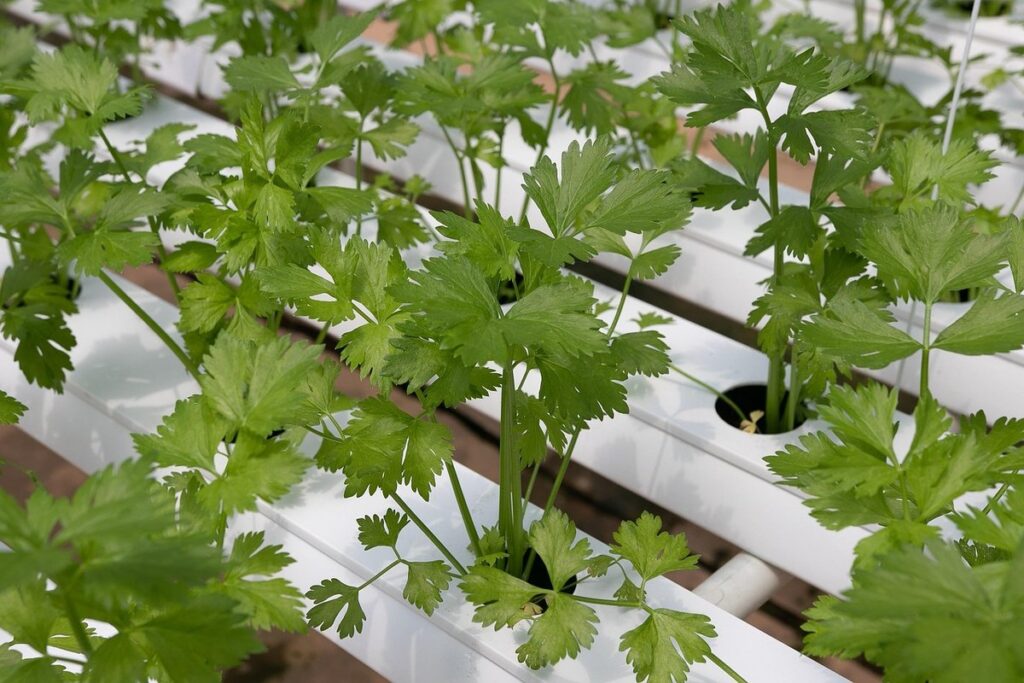
Understanding the Basics of Hydroponics and Aeroponics
Let’s start by understanding the fundamental principles behind hydroponics and aeroponics, two popular methods for growing plants without soil. Both systems have unique benefits and requirements.
What is Hydroponics?
Hydroponics is a method of growing plants in a nutrient-rich solution rather than soil. This approach has gained popularity worldwide due to its efficiency and sustainability. The benefits of hydroponics are numerous, including increased crop yields, reduced water consumption, and minimal land use.
At the core of hydroponic systems is the idea that roots don’t require soil to absorb necessary nutrients. In a hydroponic setup, plants’ roots hang in a solution containing essential minerals, which they absorb through tiny hair-like structures called root hairs. This nutrient-dense solution can be formulated specifically for each plant species, ensuring optimal growth.
Hydroponics has been successfully applied in various sectors, from commercial agriculture to small-scale home gardens. For instance, urban farmers use hydroponic systems to grow fresh produce in cities with limited land availability. By choosing a well-designed system and following proper maintenance guidelines, gardeners can reap the rewards of hydroponics, including higher yields and lower environmental impact.
What is Aeroponics?
Aeroponics is a soilless cultivation method that has gained popularity in recent years for its efficiency and yield. Unlike traditional gardening methods, which require a significant amount of water and nutrients to be absorbed through the roots, aeroponics suspends plant roots in the air and delivers water and nutrients through a fine mist.
This innovative technique offers several advantages over traditional gardening methods. For one, it uses up to 95% less water than traditional farming practices. This makes it an attractive option for areas where water is scarce or during droughts. Additionally, aeroponics allows for more precise control over nutrient delivery, resulting in healthier and stronger plants.
Aeroponics differs from hydroponics in that the roots are not submerged in a nutrient-rich solution, but rather sprayed with a fine mist of water and nutrients. This method is often considered more energy-efficient than hydroponics, as it reduces evaporation and minimizes the risk of root rot. As you consider which method to use for your indoor garden, keep in mind that aeroponics offers a unique combination of efficiency, precision, and sustainability.
Key Differences Between Hydroponics and Aeroponics
Now that we’ve looked at what aeroponics and hydroponics have in common, let’s dive into the key differences between these two popular growing methods. This section highlights the main distinctions to help you choose the best fit for your indoor garden.
Water Use Efficiency Comparison
When it comes to water usage, hydroponics and aeroponics have distinct approaches that set them apart. Hydroponics typically involves a nutrient-rich solution being pumped through the system, which can be quite wasteful if not properly managed. According to the US Environmental Protection Agency (EPA), a well-designed hydroponic system can use up to 90% more water than an aeroponic system.
Aeroponics, on the other hand, uses a fine mist of nutrient-rich solution that is sprayed onto the roots of the plants at regular intervals. This method conserves significantly more water due to its precise application and reduced evaporation rates. Studies have shown that aeroponic systems can reduce water consumption by up to 95% compared to traditional hydroponics.
For gardeners looking to save water, this difference is substantial. Aeroponics offers a unique advantage in terms of water efficiency, making it an ideal choice for those living in areas with limited water resources or experiencing drought conditions.
Nutrient Delivery Systems
When it comes to delivering nutrients to plants, both hydroponics and aeroponics employ different systems. In hydroponics, nutrient delivery is typically achieved through drip irrigation. This involves a network of tubes and emitters that distribute a precise amount of nutrients directly to the roots of the plants. For example, a common setup for hydroponic growers includes a reservoir where the nutrient solution is stored, which is then pumped up to the plant’s roots via a system of tubes and drippers.
Aeroponics takes a different approach, using a fine mist to deliver nutrients directly to the roots. This method is often compared to “aerosol” or “spray” irrigation, where a pump creates a high-pressure mist that coats the roots in a nutrient-rich solution. Unlike drip irrigation, this system relies on the plant’s own wicking action to absorb the nutrients from the fine mist. Some growers even use an ultrasonic nebulizer, which disperses the nutrient solution into tiny particles for more efficient absorption.
Plant Growth and Yield Comparison
Let’s dive into a crucial aspect of choosing between aeroponics and hydroponics: how each method affects plant growth and yield, and which one comes out on top.
Aeroponics vs Hydroponics: A Side-by-Side Analysis
When it comes to plant growth and yield comparison, both aeroponics and hydroponics have their strengths. In a study published by the University of California, researchers found that aeroponic lettuce had 30% higher yields than hydroponic lettuce. This is likely due to the unique root system created by aeroponics, which allows for more efficient water uptake.
In terms of overall health, plants grown using aeroponics tend to have stronger root systems and are less susceptible to disease. Hydroponic systems, on the other hand, can be prone to overwatering and nutrient burn if not monitored closely. For example, a study by the Netherlands-based research institute Wageningen UR found that aeroponic tomatoes had significantly higher fruit quality and lower water usage than their hydroponically grown counterparts.
In practice, growers using aeroponics tend to report higher yields and healthier plants with less maintenance required. However, hydroponics can be more straightforward to set up and requires less equipment upfront. To make an informed decision, consider your specific growing needs and preferences when choosing between these two systems.
Factors Influencing Plant Growth in Both Systems
When it comes to plant growth in both aeroponic and hydroponic systems, several factors come into play that can either enhance or hinder a plant’s development. Temperature is one such factor, as plants grown under optimal temperatures between 18-24°C (64-75°F) tend to exhibit healthier growth rates compared to those exposed to extreme temperatures.
Humidity levels also have a significant impact on plant growth in both systems. Aeroponic and hydroponic systems typically require a controlled environment with moderate humidity levels, usually around 40-60%. If the air is too dry or too humid, it can lead to issues such as nutrient deficiencies, pest infestations, or even root rot.
Light exposure is another crucial factor that affects plant growth in both aeroponic and hydroponic systems. Most plants require a minimum of 12-14 hours of light per day for optimal growth, with some requiring more or less depending on their specific needs. Using high-intensity LED grow lights can provide the necessary spectrum and intensity to support healthy growth in both systems.
Maintaining a consistent balance between these factors is essential for maximizing plant yields in aeroponic and hydroponic systems.
Aeroponics Advantages: Why You Might Prefer This Method
So, you’re curious about what sets aeroponics apart from hydroponics? Let’s dive into some of the key advantages that might make this method perfect for your indoor garden.
Improved Root Development
One of the significant advantages of aeroponics is its ability to promote healthier root development. This is primarily due to the unique misting system used in this method. Unlike traditional soil-based gardening, where roots must work tirelessly to absorb water and nutrients from the surrounding soil, an aeroponic system provides a constant supply of nutrient-rich mist directly to the roots.
This controlled delivery system allows for more precise application of water and nutrients, which can lead to increased root mass and density over time. As a result, plants grown using aeroponics tend to have a stronger root system, enabling them to absorb necessary resources more efficiently. This is particularly beneficial in indoor gardening settings where space is limited and precise control over the growing environment is crucial.
To put this into perspective, studies have shown that aeroponic systems can increase plant yields by up to 40% compared to traditional hydroponic or soil-based methods. By utilizing an aeroponic system, gardeners can take advantage of improved root development and enjoy healthier, more productive plants in their indoor gardens.
Energy Efficiency and Cost Savings
Aeroponics offers significant energy efficiency and cost savings compared to traditional farming methods. For large-scale operations, this can translate into substantial financial benefits. In an aeroponic system, roots are misted with water and nutrients, eliminating the need for a constant water supply like in hydroponics.
This reduced water usage also means lower energy consumption for pumping systems. According to a study by the University of Arizona, aeroponically grown crops use up to 95% less water than traditional farming methods. This not only saves on water bills but also reduces the carbon footprint associated with energy production.
For home gardeners, the cost savings might be more pronounced in terms of reduced labor and equipment costs. Aeroponic systems are often automated, requiring less manual intervention and allowing for more efficient use of space. By leveraging aeroponics’ energy efficiency, growers can minimize their environmental impact while maximizing yields and profits.
Hydroponics Advantages: Why You Might Prefer This Method
So, you’re considering hydroponics for your indoor garden, but want to know if it’s really worth the investment. Let’s take a closer look at the advantages of this method.
Higher Yields with Precise Nutrient Control
With hydroponics, you have unparalleled control over nutrient delivery, which is a game-changer for indoor gardening. This method allows you to precisely manage the amount of nutrients each plant receives, ensuring they get exactly what they need to thrive. In contrast to traditional soil-based systems, where nutrient absorption can be inconsistent and affected by various factors like pH levels and moisture content.
By adjusting the nutrient solution’s concentration and composition in real-time, you can fine-tune your plants’ growth patterns. For instance, if you notice your tomato plants are struggling with nitrogen deficiency, you can quickly boost their nitrogen intake to get them back on track. This level of precision is particularly beneficial for sensitive crops like lettuce and herbs, which require delicate nutrient balances.
To maximize yields and plant health, consider implementing a hydroponic system with automated dosing and monitoring capabilities. These systems can detect nutrient levels, pH, and EC (electroconductivity) in real-time, allowing you to make informed adjustments as needed. By doing so, you’ll be able to provide your plants with the optimal conditions for growth, resulting in healthier, more robust specimens that are better equipped to thrive under controlled environments like indoor gardens.
Flexibility in System Design
One of the most significant advantages of hydroponics is its flexibility in system design. This means that you can adapt a hydroponic system to fit various space constraints or desired plant varieties. For instance, if you have limited vertical space, you can opt for a vertical hydroponic system that makes the most of your ceiling height. On the other hand, if you’re dealing with a large area, you can choose from a variety of layouts and configurations to maximize crop yields.
Another benefit of hydroponics is its ability to accommodate different types of plants. Whether you’re growing leafy greens, herbs, or even vining plants like tomatoes, hydroponic systems can be tailored to meet their specific needs. For example, you can use a NFT (Nutrient Film Technique) system for plants that prefer a continuous flow of nutrients, or an Ebb and Flow system for plants that require a more periodic supply.
This flexibility is particularly useful when working with space-constrained areas like indoor gardens. By choosing the right hydroponic system design, you can optimize your growing space and achieve maximum yields while minimizing waste and maintenance costs.
Choosing Between Aeroponics and Hydroponics: What to Consider
When deciding between aeroponics and hydroponics, it’s essential to consider factors such as water usage, plant growth rates, and equipment costs. This section will help you make an informed decision for your indoor garden setup.
Space and Equipment Constraints
When choosing between aeroponics and hydroponics, it’s essential to consider the space and equipment constraints that come with each system. If you’re working with a limited budget or have limited square footage for your indoor garden, aeroponics might be the more cost-effective option.
Aeroponic systems are often designed for compact spaces, making them ideal for small apartments or urban gardens. They require less vertical space and can produce yields comparable to hydroponic systems. For example, an aeroponic system with 10-12 plants can thrive in a footprint of just 2×4 feet.
On the other hand, hydroponic systems often require more equipment and space due to the need for a larger reservoir and pump system. This can make them more expensive upfront and take up valuable real estate in your garden or grow room. If you’re short on space or budget, aeroponics offers a more efficient and adaptable solution.
To give yourself an edge when deciding between these two systems, consider measuring the available space in your indoor garden and weighing it against the equipment costs for each system. This will help you make a more informed decision that suits your unique needs and resources.
Initial Investment and Maintenance Costs
When it comes to setting up an indoor garden using either aeroponics or hydroponics, one of the most significant factors to consider is the initial investment and ongoing maintenance costs. Aeroponics systems tend to be more expensive upfront due to the need for specialized equipment such as misting pumps and aeration systems.
For example, a basic aeroponic system can cost anywhere from $1,000 to $3,000, depending on the size of the system and the number of plants it supports. Hydroponic systems, on the other hand, are often more budget-friendly, with prices ranging from $500 to $2,000 for a comparable setup.
In terms of ongoing maintenance costs, both systems require some level of upkeep, but aeroponics tends to be more labor-intensive. Aeroponic systems require regular cleaning and calibration of the misting pumps, as well as monitoring of the system’s oxygen levels to ensure optimal plant growth.
Frequently Asked Questions
Can I use a combination of hydroponics and aeroponics for my indoor garden?
Yes, it’s possible to integrate elements from both systems to create a hybrid approach that suits your specific needs. For example, you could use hydroponic systems for certain plants and aeroponic systems for others, depending on their unique requirements. This flexibility can help maximize efficiency and minimize resources.
How do I troubleshoot common issues in my aeroponics system?
Common issues with aeroponics include root rot, nutrient deficiencies, or inadequate water pressure. To address these problems, ensure proper air circulation, maintain consistent pH levels, and regularly inspect the roots for signs of stress or disease. Regularly monitoring your system can also help you identify potential issues before they become severe.
What’s the recommended space for aeroponics versus hydroponics?
The ideal space allocation depends on several factors, including plant type, growth rate, and desired yield. Generally, aeroponic systems require more vertical space due to their precise misting requirements, while hydroponic systems can be designed to fit a wider range of spaces. Consider the specific needs of your plants when planning your indoor garden.
Can I use reclaimed or gray water in my hydroponics system?
Yes, it’s possible to reuse and recycle water in hydroponic systems, which can help reduce water consumption and lower costs. However, ensure that any reused water is properly treated and tested for nutrient levels and pH to prevent contamination of the root zone.
How often should I check and adjust the nutrient delivery system in my aeroponics setup?
It’s recommended to regularly inspect and calibrate your aeroponic nutrient delivery system every 1-2 weeks, depending on plant growth rates and nutrient consumption. This ensures that plants receive the optimal balance of nutrients for healthy growth, which can lead to improved yields and reduced waste.