
Are you tired of dealing with the hassle and waste associated with traditional soil-based gardening? If so, you’re in luck because we’re about to dive into the world of aeroponic gardening basics. This innovative method of growing plants has been gaining popularity among gardeners and commercial growers alike due to its incredible water-saving capabilities and ability to increase yields. With aeroponics, roots are suspended in air, allowing for optimal nutrient delivery and absorption – a game-changer for those looking to maximize crop production. In this article, we’ll take you through the essential steps of setting up an aeroponic system, as well as advanced techniques for commercial-scale production. Whether you’re a seasoned gardener or just starting out, this guide will walk you through the benefits and best practices of aeroponics so you can start reaping its rewards today.
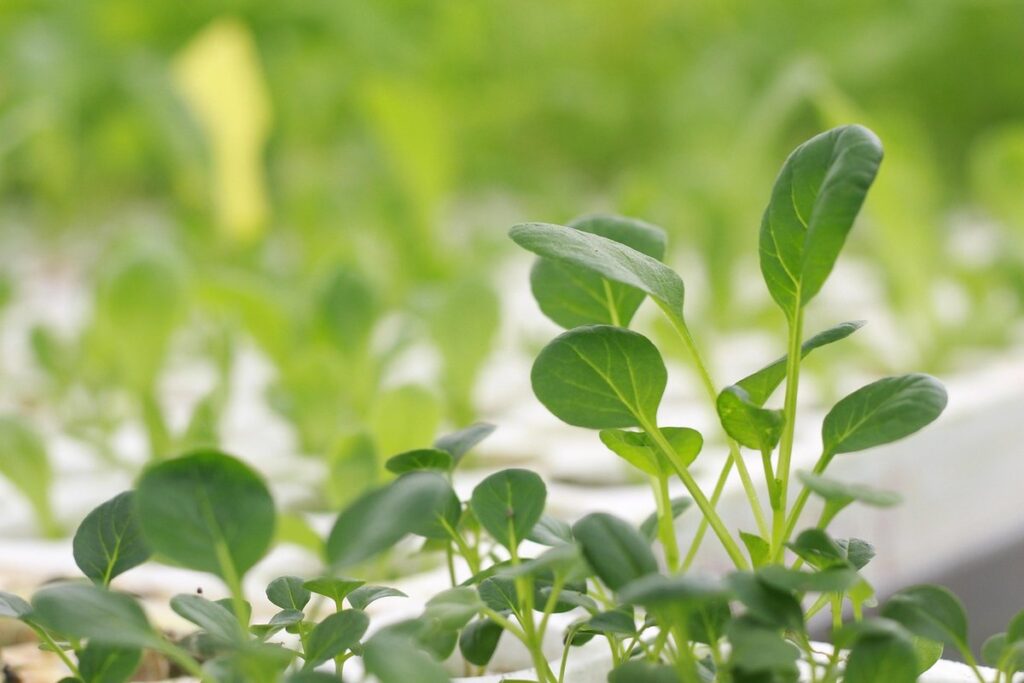
What is Aeroponics?
At its core, aeroponics is a soilless cultivation method that suspends plant roots in the air while delivering essential nutrients and water through a fine mist. Let’s dive into what makes this system so unique.
Definition and Explanation
Aeroponics is a soilless cultivation method that’s often misunderstood as being similar to traditional hydroponic gardening. However, it has a distinct history and set of principles. The term “aeroponic” was first coined in the 1980s by Dr. Robert Trenary, who experimented with misting plants’ roots in the absence of soil. This innovative technique allows for efficient water and nutrient delivery to plant roots, resulting in faster growth rates and higher yields.
Unlike hydroponics, which uses a nutrient-rich solution pumped through the system, aeroponics relies on fine mist or spray nozzles to deliver nutrients directly to the roots. This method is more precise and flexible, as it doesn’t require a constant flow of water and nutrients. Additionally, aeroponic systems are generally more energy-efficient, using up to 90% less water compared to traditional gardening methods.
To understand the difference, consider this: hydroponics can be thought of as “water-based,” while aeroponics is truly “air-based.” This distinction highlights the unique advantages and benefits that aeroponics offers to gardeners.
Benefits of Aeroponics
Aeroponics offers several benefits over traditional gardening methods. One of the most significant advantages is its ability to increase crop yields significantly. In aeroponic systems, plants’ roots are suspended in the air and sprayed with a fine mist of water and nutrients. This allows for optimal nutrient absorption and oxygenation, leading to faster growth rates and more bountiful harvests.
Another benefit of aeroponics is its reduced water usage. Unlike traditional soil-based gardening methods, which require frequent watering and can waste significant amounts of water through runoff, aeroponic systems use a controlled misting system that delivers exactly the right amount of water and nutrients to each plant. This not only conserves water but also reduces the risk of overwatering and root rot.
Improved root health is another key benefit of aeroponics. In traditional soil-based gardening methods, roots can become compacted or rot due to excess moisture. Aeroponic systems eliminate these problems by keeping the roots suspended in the air and free from contamination. This leads to healthier plants that are better equipped to resist disease and pests.
Setting Up an Aeroponic System
To get started with aeroponic gardening, you’ll first need to set up a reliable system that provides the right balance of water and air for your plants. This section covers the essential steps to create an optimal environment.
Components Required
To set up a basic aeroponic system, you’ll need to acquire several essential components. These include a reservoir, pump, delivery system, and a trellis or support for the plants. The reservoir is where you’ll store the nutrient-rich solution that will be pumped up to the plant roots.
A good quality pump is crucial as it needs to be able to provide consistent pressure to distribute the nutrients evenly throughout the system. Consider using a submersible pump, which can be easily submerged in the reservoir and has fewer moving parts compared to external pumps.
The delivery system consists of tubes or pipes that connect the pump to the plant roots. These should be made of food-grade materials such as PVC or polypropylene to prevent contamination of the nutrient solution.
When selecting a trellis or support, consider using a sturdy one that can hold the weight of your plants. You can choose from various types such as metal, plastic, or wooden ones.
Choosing the Right Plants for Aeroponics
When choosing plants for an aeroponic system, it’s essential to consider their specific needs and characteristics. Plants with deep taproots, such as carrots and beets, may not thrive in aeroponics due to the lack of a solid medium to anchor their roots.
On the other hand, plants like lettuce, herbs, and leafy greens excel in aeroponic systems because they have shallow root systems and can absorb nutrients efficiently from the mist. These plants typically require less water than deep-rooted plants, making them ideal for aeroponics.
Considerations such as growth habits are also crucial when selecting plants. For example, indeterminate tomato varieties may not be suitable for aeroponics due to their extensive root systems and high water requirements. However, compact or dwarf varieties of tomatoes can thrive in aeroponic systems.
When choosing plants, it’s best to opt for those that have adapted well to hydroponic or aeroponic systems in the past. Researching specific plant recommendations will help ensure a successful setup and optimal growth in your aeroponic system.
Understanding Aeroponic Nutrient Delivery Systems
Let’s dive into how nutrient delivery systems work in aeroponic gardening, a crucial aspect of maintaining healthy plant growth and maximizing yields. This system is designed to provide plants with exactly what they need, when they need it.
Types of Nutrient Solutions
In aeroponic gardening, nutrient solutions play a crucial role in delivering essential nutrients to plants’ roots. There are several types of nutrient solutions used in aeroponics, each with its own unique characteristics and advantages.
Liquid fertilizers are one of the most common types of nutrient solutions used in aeroponics. These solutions are typically made from a combination of macronutrients (nitrogen, phosphorus, potassium) and micronutrients (iron, zinc, boron). They come in various concentrations and can be customized to meet specific plant needs. For example, you can use a liquid fertilizer with a balanced N-P-K ratio (20-20-20) for most vegetables or a specialized formula for flowering plants like tomatoes.
Soilless mixes are another type of nutrient solution used in aeroponics. These mixes typically consist of a blend of peat moss, vermiculite, and perlite, which provide excellent water retention and aeration properties. They can be combined with liquid fertilizers or used on their own to deliver nutrients directly to the roots.
Micro-irrigation systems use tiny tubes and drippers to deliver precise amounts of nutrient solution directly to plant roots. This method is ideal for large-scale commercial operations, where precise control over nutrient delivery is essential. For home gardeners, micro-irrigation systems can be more complex to set up but offer unparalleled flexibility and precision.
When choosing a nutrient solution, consider factors like plant type, growth stage, and water quality. Always follow the manufacturer’s instructions for preparation and application.
pH Balance and Nutrient Management
Maintaining optimal pH levels and nutrient balances is crucial for healthy plant growth in aeroponic systems. The ideal pH range for most plants is between 5.5 and 6.5, although some species may require slightly different levels. Monitoring the pH levels regularly is essential to prevent nutrient deficiencies or toxicity.
Nutrient management is also vital in aeroponic gardening. Unlike traditional soil-based methods, where nutrients are absorbed through root development, aeroponic systems rely on a continuous flow of nutrients directly to the roots. Over-fertilization can be just as detrimental as under-fertilization, leading to burnt leaves and reduced yields.
To achieve optimal nutrient management, it’s essential to use a balanced fertilizer specifically formulated for aeroponics. These fertilizers typically contain a mix of nitrogen (N), phosphorus (P), and potassium (K) in the ratio 20-20-20 or 15-30-15. Adjusting the pH levels can be done using acidic or alkaline substances, such as vinegar or baking soda.
Regular testing and adjustments will ensure your plants receive the right amount of nutrients for optimal growth. A well-maintained aeroponic system can provide superior nutrient delivery compared to traditional methods, leading to healthier and more productive plants.
Aeroponic System Design and Maintenance
Designing a functional aeroponic system is crucial for your success, so let’s dive into the specifics of planning and maintaining your setup. Effective design will ensure healthy plant growth.
System Layout and Configuration
When designing and configuring an aeroponic system, it’s essential to consider several key factors for optimal performance. First, assess the available space and plan accordingly to ensure a compact layout that can accommodate the necessary components, such as pumps, reservoirs, and grow tubes. Adequate drainage is also crucial; design the system with enough slope or incorporate a separate drainage channel to prevent water from accumulating.
Aeration is another vital aspect of an aeroponic system’s configuration. Integrate sufficient air vents or use aerating devices like misting nozzles to maintain optimal oxygen levels and facilitate healthy root growth. When selecting grow tubes, take into account the plants’ mature size and choose a diameter that allows for adequate spacing between them.
Incorporating adjustable valves and monitoring equipment can also streamline system maintenance. These features enable you to control water flow rates and monitor nutrient consumption in real-time, helping you fine-tune your system’s performance over time. By carefully considering these factors during the design process, you’ll be well on your way to creating a highly efficient and productive aeroponic system.
Regular Maintenance Tasks
To ensure the longevity of your aeroponic system, regular maintenance tasks are essential. Cleaning is one of the most critical aspects of maintaining your system. Regularly inspect and clean the pump, pipes, and other equipment to prevent clogging and contamination. Use a soft brush or cloth to gently remove any debris or mineral buildup.
Monitoring water quality is also crucial in an aeroponic system. Check pH levels regularly and adjust as needed. Maintain a suitable temperature range (usually between 65-75°F) for optimal plant growth. Regularly inspect the roots for signs of disease or pests, and take action promptly if you notice any issues.
Pruning is another vital maintenance task. Remove any dead or dying plant material to maintain air circulation and prevent the spread of diseases. Train your plants to grow upwards by pruning lower branches and promoting new growth. This will also help increase yields and improve overall plant health.
Remember, regular maintenance tasks are key to extending the life of your aeroponic system and ensuring healthy plant growth. Set aside time each week to inspect and maintain your system, and you’ll be rewarded with a bountiful harvest in no time.
Monitoring and Troubleshooting Aeroponic Systems
As you work with your aeroponic system, it’s inevitable that issues will arise, so let’s explore how to monitor and troubleshoot common problems to keep your plants thriving. We’ll cover essential tips for a smooth operation.
Measuring and Tracking System Performance
Tracking key metrics is essential to optimize plant growth and ensure the overall health of your aeroponic system. This involves monitoring temperature, humidity, and nutrient delivery rates to make data-driven decisions.
Temperature control is crucial as it affects plant respiration, photosynthesis, and nutrient uptake. Aim for a temperature range between 65°F to 75°F (18°C to 24°C), depending on the crop’s specific requirements. For instance, tomatoes thrive in warmer temperatures while lettuce prefers cooler conditions.
Humidity levels should be maintained between 40% to 60%. This can be achieved by using humidifiers or evaporative cooling systems. High humidity promotes healthy root growth and prevents water-borne diseases.
Nutrient delivery rates must also be monitored closely. Over-delivery of nutrients can lead to nutrient toxicity, while under-delivery may stunt plant growth. Most aeroponic systems use a standardized 20-20-20 formula (N-P-K) for optimal results.
Common Issues and Solutions in Aeroponics
As you navigate the world of aeroponic gardening, it’s inevitable that you’ll encounter common issues that can impact the health and productivity of your system. One of the most critical concerns is root rot, which occurs when roots are consistently waterlogged or exposed to high levels of moisture. This can be caused by inadequate drainage, overwatering, or a lack of oxygen in the root zone.
To combat root rot, ensure that your aeroponic system has proper ventilation and adequate drainage channels. Regularly inspect your system’s components for signs of wear and tear, and replace them as needed to prevent clogging.
Another common issue is algae blooms, which can occur when excess nutrients accumulate in the water reservoir. To prevent this, implement a nutrient cycle and adjust your feeding schedule accordingly. Regularly check pH levels and make adjustments to maintain optimal ranges (usually between 5.8 and 6.2).
Inadequate nutrient supply is another potential issue. Monitor your system’s nutrient uptake by inspecting plant growth and adjusting feed schedules as necessary. You can also consider implementing a monitoring system that tracks water quality and nutrient levels in real-time.
Advanced Techniques and Best Practices in Aeroponics
To take your aeroponic gardening skills to the next level, we’ll dive into advanced techniques for optimizing yields, reducing water usage, and achieving healthy plant growth. This is where the magic happens.
Implementing Drip Irrigation and Fertigation Systems
Implementing drip irrigation and fertigation systems into your aeroponic setup can significantly enhance efficiency and yields. This is because these systems allow for precise control over water and nutrient delivery to the roots of your plants, reducing waste and promoting healthy growth.
Drip irrigation, which involves delivering water directly to the base of each plant through a network of tubes, can help reduce evaporation and runoff by up to 90%. This means that more water is available for the plants’ needs, rather than being lost as excess moisture. Fertigation systems take this concept a step further by combining fertilizers with irrigation water, providing essential nutrients directly to the roots.
By integrating these systems into your aeroponic setup, you can expect to see improved yields and healthier plant growth. For example, a study on tomato plants showed that those grown using drip irrigation and fertigation systems produced 20% more fruit than those grown without. To get started, research and choose a reputable brand for your drip irrigation and fertigation system, and be sure to follow the manufacturer’s instructions carefully when setting up your system.
Using Aeroponics for Commercial-Scale Crop Production
Using aeroponics for commercial-scale crop production offers numerous benefits, including increased yields and reduced water usage. However, scaling up aeroponic systems to meet commercial demands poses unique challenges.
When considering scalability, one of the primary concerns is the cost of equipment and infrastructure. Large-scale aeroponic systems can be expensive to set up and maintain, which may not be feasible for small farms or startups. Nevertheless, investing in quality equipment upfront can lead to long-term savings on labor costs and resource consumption.
For instance, a study by the University of Arizona found that aeroponically grown lettuce required 95% less water than conventionally grown lettuce. While this water-saving potential is significant, it’s essential for commercial farmers to carefully weigh the costs and benefits of transitioning to aeroponic systems.
To overcome equipment maintenance challenges, many large-scale aeroponic operations outsource their system monitoring and maintenance to specialized companies. This approach allows farmers to focus on crop management while ensuring optimal system performance.
Frequently Asked Questions
Can I use aeroponics for indoor plants, or is it limited to outdoor applications?
Aeroponics can be used for both indoor and outdoor plant cultivation. In fact, indoor aeroponic systems are ideal for cities with limited space and controlled environments, allowing for precise climate control and increased yields.
How do I choose the right nutrient solution for my specific crop requirements in an aeroponic system?
Selecting the correct nutrient solution depends on the type of plants you’re growing, their growth stage, and the desired yield. Research and consult with experts to determine the optimal nutrient balance for your specific crops, ensuring maximum absorption and minimizing waste.
What’s the ideal pH range for most aeroponic systems, and how do I maintain it?
The optimal pH range for aeroponics varies between 5.5 and 6.5, depending on the plant species. Regularly monitor pH levels using a pH meter and adjust as necessary with nutrient solutions or buffers to prevent damage to your plants.
Can I use recycled water in my aeroponic system, and are there any specific considerations?
Yes, you can use recycled water in an aeroponic system, but it’s essential to ensure the water is free of contaminants and has been properly treated. Regularly test the water quality and adjust the nutrient solution accordingly to prevent nutrient deficiencies or toxicity.
How do I troubleshoot common issues like root rot or nutrient deficiencies in my aeroponic system?
Root rot can be prevented by maintaining optimal humidity levels, monitoring pH, and providing sufficient aeration. For nutrient deficiencies, inspect your nutrient delivery systems, check for clogs or blockages, and adjust the nutrient solution as needed. Regularly monitor plant health and address issues promptly to minimize losses.