
As a gardener, you’re probably aware that the health of your vegetable garden relies on many factors, but did you know that soil pH is one of the most critical ones? It’s surprising how often we focus on other aspects like watering and fertilizing while neglecting this crucial element. A perfect soil pH can make all the difference in ensuring optimal nutrient availability for your plants to grow strong and healthy.
In this article, we’ll guide you through testing and adjusting your soil pH for a thriving vegetable garden. You’ll learn how to identify if your soil is too acidic or alkaline and what steps to take to correct it. We’ll also cover the importance of maintaining a balanced soil pH over time to prevent nutrient deficiencies and ensure healthy plant growth. Whether you’re a seasoned gardener or just starting out, this article will provide you with the knowledge to optimize your garden’s potential.
What is Soil pH and Why Does It Matter
Soil pH is a crucial factor in vegetable gardening, affecting nutrient availability and plant growth. Let’s start by exploring what soil pH is and why it matters for your garden’s success.
The Importance of Soil pH in Plant Nutrition
Soil pH is often misunderstood as simply being alkaline or acidic. However, it plays a vital role in plant growth and nutrition. When we talk about soil pH, we’re referring to the measure of hydrogen ions present in the soil. This level affects how plants absorb essential nutrients.
A healthy balance of nutrient availability is directly linked to optimal soil pH. Nutrients like nitrogen, phosphorus, and potassium become available or unavailable based on the pH level. For instance, a soil pH that’s too low can lead to iron deficiency in plants. Conversely, if the pH is too high, it may cause magnesium deficiency.
To give you an idea of how crucial this balance is, consider this: a study found that even slight variations in soil pH can impact plant yields by up to 20%. This emphasizes the need for maintaining optimal soil pH levels. By understanding your garden’s specific needs and making adjustments accordingly, you can create an environment where plants thrive.
Common Soil pH Ranges and Their Effects on Vegetables
Soil pH plays a crucial role in determining which vegetables thrive in your garden. Knowing the different soil pH ranges and their effects on various vegetables is essential for growing a diverse range of produce.
Acidic soils, with a pH between 0-6.9, are often found near coal deposits or can be caused by excessive use of fertilizers. Vegetables that prefer acidic conditions include blueberries, strawberries, and raspberries. These plants thrive in the slightly acidic to acidic range of 4.5-6.0. For example, blueberries require a pH between 4.0-5.5 to grow well.
On the other hand, alkaline soils, with a pH above 7.1, can be found near limestone or chalk deposits. Vegetables that prefer more alkaline conditions include cucumbers, squash, and melons. These plants tend to thrive in the slightly alkaline to neutral range of 6.5-7.0.
Neutral soils, with a pH between 6.0-7.0, are ideal for most vegetables and support balanced nutrient availability. To determine your soil pH, you can purchase a DIY testing kit or send a sample to a lab for analysis. Based on the results, you can adjust the pH by adding lime to raise it or sulfur or aluminum sulfate to lower it.
Understanding Your Soil pH
So, what exactly is soil pH and how does it impact your vegetable garden? In this section, we’ll break down the basics of measuring and understanding your soil’s acidity level.
How to Test Your Soil pH at Home
Testing your soil’s pH level is an essential step in determining its suitability for vegetable gardening. You can either purchase a DIY testing kit or send your soil sample to a laboratory for analysis.
DIY kits are inexpensive and user-friendly, making them a great option for home gardeners. These kits typically include a small container, a testing solution, and instructions on how to collect and mix the soil sample. By following these steps, you can determine the pH level of your soil at home.
When choosing a DIY kit, ensure it’s specifically designed for soil testing and follow the manufacturer’s guidelines carefully. A common mistake is not allowing the mixture to sit long enough, which can lead to inaccurate results. If you prefer a more accurate reading or have limited experience with DIY kits, consider sending your soil sample to a laboratory for analysis.
Keep in mind that both DIY kits and laboratory tests require a small amount of soil, usually around 1-2 cups, making it easy to collect samples from various areas of your garden.
Interpreting Soil pH Results: What Do They Mean?
When you receive your soil test results, it’s essential to understand what they mean so you can take the necessary steps to create a thriving vegetable garden. A typical soil test report will include information on pH levels and nutrient availability.
Let’s break down the key components of your soil test results:
pH levels: The ideal pH range for most vegetables is between 6.0 and 7.0. If your soil test shows a pH outside this range, it may be necessary to adjust it to ensure optimal plant growth. For example, if you have a pH above 8.0, your plants may suffer from nutrient deficiencies.
Nutrient availability: Your soil test will also indicate the levels of essential nutrients like nitrogen (N), phosphorus (P), and potassium (K). These values are usually expressed as ppm or %.
To make sense of these numbers, consider the following:
* Nitrogen: Levels between 50-100 ppm support moderate growth. Higher levels can lead to excessive vegetative growth at the expense of fruiting.
* Phosphorus: Levels above 10 ppm indicate sufficient availability for most vegetables.
* Potassium: Optimal levels are typically between 100-150 ppm.
By understanding your soil pH results and nutrient availability, you’ll be well-equipped to make informed decisions about amendments and fertilizers that will benefit your vegetable garden.
Ideal Soil pH Ranges for Popular Vegetables
When growing a diverse vegetable garden, understanding ideal soil pH ranges is crucial to ensure your crops receive the necessary nutrients. Let’s explore the optimal pH levels for popular vegetables together!
Acid-Loving Vegetables (Low pH)
When it comes to vegetables that thrive in acidic soils, there are several options for gardeners. One of the most popular choices is blueberries, which prefer a pH range between 4.0 and 5.5. In fact, many commercial blueberry farms use sulfur or aluminum sulfate to acidify their soil to achieve this optimal pH level.
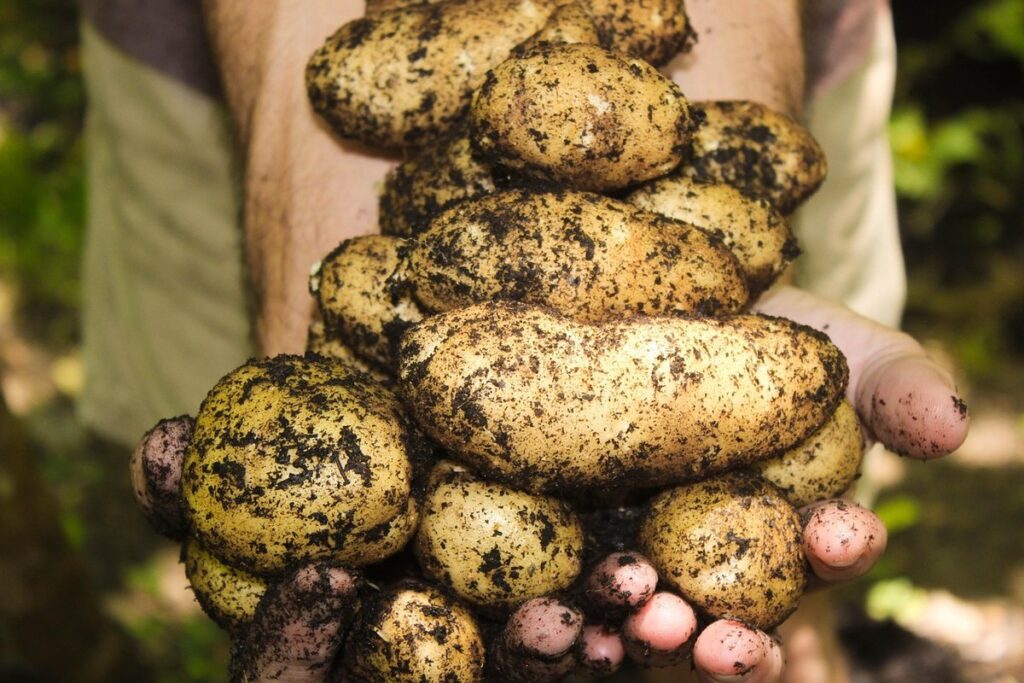
Another vegetable that loves acidic soils is potatoes. These starchy tubers thrive in slightly acidic to neutral soils with a pH range of around 4.5 to 7.0. However, if you’re growing potatoes in very alkaline soil (above pH 8), you may notice reduced yields and poor tuber quality.
Strawberries are also well-suited for acidic soils, particularly those with a pH between 5.5 and 6.5. In fact, some strawberry varieties can tolerate even more acidic conditions, making them an excellent choice for gardeners with naturally acidic soil.
To grow these acid-loving vegetables successfully, make sure to test your soil regularly and adjust the pH as needed. For acidic soils, you may need to add lime or calcium-rich fertilizers to raise the pH.
Alkaline-Tolerant Vegetables (High pH)
When it comes to alkaline-tolerant vegetables, squash, melons, and corn are some of the most resilient varieties that can thrive in high-pH soils. These plants have adapted over time to grow well in environments with elevated soil pH levels, often between 7.5 to 8.5. For instance, cantaloupe and honeydew melons can tolerate pH levels up to 9.0 without showing significant stress.
One of the key reasons these vegetables can handle alkaline soils is their ability to adjust their nutrient uptake mechanisms. They are less demanding in terms of micronutrient availability, which means they can still obtain essential nutrients even when other plants may struggle due to soil pH constraints.
To grow these alkaline-tolerant vegetables successfully, ensure your soil has adequate calcium and magnesium levels. These minerals play a crucial role in plant nutrition and help neutralize any potential deficiencies caused by high-pH soils. Also, maintain good drainage to prevent waterlogged conditions that can exacerbate soil acidity issues.
Adjusting Your Soil pH for Vegetable Gardening
Now that we’ve discussed why soil pH matters, let’s dive into how to adjust it to create a garden bed where your vegetables can thrive.
Methods for Lowering Soil pH (Acidic Soils)
If you’re dealing with acidic soils and want to lower the pH levels, there are several methods you can use. One of the most straightforward approaches is lime removal. If your soil has a high concentration of limestone or other alkaline materials, removing these elements will help decrease the pH level.
Adding organic matter like peat moss or sulfur-rich compost can also help acidify the soil. These additions work by introducing acidic compounds that react with the existing minerals in the soil to lower its overall pH. However, it’s essential to note that excessive addition of organic matter may lead to over-acidification, which can harm plant growth.
Another method for lowering soil pH is using acidifying fertilizers like ammonium sulfate or aluminum sulfate. These products contain acidic compounds that will release hydrogen ions when applied to the soil, reducing its pH levels. Always follow the recommended application rates and guidelines to avoid damaging your plants’ roots.
Methods for Raising Soil pH (Alkaline Soils)
If you’re dealing with alkaline soils and trying to raise the pH level, there are several methods to consider. One of the most common ways is by adding liming agents. These can be either agricultural lime (calcium carbonate) or dolomitic limestone, which also contains magnesium in addition to calcium.
Agricultural lime is often the preferred choice for gardeners because it’s readily available and relatively inexpensive. However, it’s essential to note that applying too much lime can lead to over-liming, which may cause more harm than good. This is why it’s crucial to follow the recommended application rates provided by the manufacturer or a reliable gardening resource.
On the other hand, sulfur can be used to lower soil pH. But for raising alkaline soils, this might not be the most effective option. Nonetheless, some gardeners use elemental sulfur as a slow-release liming agent in specific situations. Always consult a trusted gardening expert before making any decisions about using sulfur or any other soil amendment.
Before applying any liming agents, it’s essential to get a soil test done to determine your soil pH and nutrient levels. This will help you choose the most suitable method for raising your soil pH while avoiding over-liming.
The Role of Organic Matter in Maintaining Optimal Soil pH
Organic matter is a vital component in maintaining optimal soil pH, and understanding its role can make all the difference in creating a thriving vegetable garden. Let’s dive into how organic matter helps regulate soil pH naturally.
How Organic Matter Affects Soil pH
When it comes to maintaining optimal soil pH for a thriving vegetable garden, organic matter plays a crucial role. But did you know that adding organic matter can also impact the soil’s pH levels and nutrient availability? This may seem counterintuitive, but understanding how these factors interact is essential for creating a balanced ecosystem in your garden.
Organic matter, such as compost or well-rotted manure, can have both acidifying and alkalizing effects on the soil. For example, pine needles are acidic and will lower the pH of the surrounding soil, while wood ash has an alkaline nature and can raise it. This is because organic matter can release hydrogen ions (H+) or hydroxide ions (OH-) as they break down, either increasing or decreasing the acidity of the soil.
When adding organic matter, it’s essential to consider the starting pH of your garden bed and choose materials accordingly. For example, if your soil is already too alkaline, adding compost with a higher pH might not be the best option. A better approach would be to incorporate acidic materials like peat moss or sulfur into the mix to help balance out the pH levels.
Creating a Sustainable Soil pH Balance with Composting
When it comes to creating a sustainable soil pH balance with composting, it’s essential to understand that organic matter can greatly impact your soil’s acidity and alkalinity levels. Adding compost to your soil is an excellent way to introduce beneficial microbes, which help break down nutrients and make them available to your plants. However, if you’re not careful, high amounts of compost can tip the pH balance in either direction.
To achieve a balanced soil pH through composting, follow these guidelines:
* Start by testing your soil pH to determine where it falls on the acidity-alkalinity spectrum.
* Choose a compost mix that’s formulated for your specific climate and region.
* Add 2-3 inches of compost to the topsoil each year, working it into the existing soil as you go.
* Monitor your soil pH regularly, adjusting the amount of compost applied based on any changes in acidity or alkalinity levels.
By incorporating compost into your gardening routine and paying attention to its effects, you can create a sustainable balance in your soil’s pH level – one that will support healthy plant growth and a thriving vegetable garden.
Common Soil pH-Related Problems and Solutions
Now that we’ve covered the basics of soil pH, let’s dive into some common issues you might encounter and how to fix them in your vegetable garden.
Identifying and Addressing Acidic or Alkaline Soils
Soil pH imbalance can manifest in different ways, depending on whether your soil is too acidic or alkaline. Acidity and alkalinity levels are measured on a scale ranging from 0 to 14, with 7 being neutral. If your soil’s pH falls below 7, it becomes increasingly acidic, while values above 7 indicate alkalinity.
Acidic soils often lead to stunted growth in plants due to nutrient deficiencies. These nutrients include nitrogen, phosphorus, and potassium – all essential for healthy plant development. Tomatoes grown in acidic soils may exhibit pale leaves, reduced fruit yields, or a slower maturation rate. Carrots, on the other hand, might develop discoloration.
Alkaline soils, with pH values exceeding 7, can also hinder nutrient uptake. This is particularly common in areas where limestone or chalk deposits are present. Alkalinity can cause plants to exhibit symptoms like slow growth, weak root systems, and yellowing leaves.
To address these issues, it’s crucial to test your soil regularly and adjust the pH levels accordingly. Lime can be added to acidic soils, while elemental sulfur is used to lower alkaline values.
Strategies for Correcting Soil pH Imbalances
When dealing with soil pH imbalances, it’s essential to identify and correct them promptly. A pH imbalance can hinder plant growth and reduce yields significantly. To adjust the pH level of your garden’s soil, you’ll need to determine whether it’s too acidic or alkaline.
To make your soil more acidic, you can add elemental sulfur (sulfur) at a rate of 1-2 pounds per 100 square feet. However, this method takes time and may require repeated applications. Another option is to use aluminum sulfate, but be cautious as excessive application can damage plants. For alkaline soils, the most effective approach is liming with dolomitic limestone, which not only adjusts pH but also provides essential nutrients like calcium and magnesium.
Consider conducting a soil test before making any adjustments, as this will provide you with an accurate assessment of your garden’s pH levels. If you’re unsure about how to proceed or if you want more targeted advice, consult with local gardening experts or agronomists who can offer tailored guidance based on your specific climate and soil conditions.
When correcting the pH level, do it in moderation and keep a close eye on the results, as overcorrection can be just as detrimental as an imbalance.
Frequently Asked Questions
How often should I re-test my soil pH after adjusting it?
Re-testing your soil pH regularly is crucial to ensure that the adjustments you made are effective and lasting. It’s recommended to re-test every 6-12 months, or sooner if you notice any changes in your plants’ growth or nutrient deficiencies. This will help you fine-tune your adjustments and maintain an optimal soil pH for your vegetable garden.
Can I use household items like lemon juice or vinegar to lower my soil pH?
While it may seem tempting to use common household items to adjust your soil pH, using substances like lemon juice or vinegar is not recommended. These can be too acidic and potentially harm your plants’ roots. Instead, consider using a pH-lowering fertilizer or consulting with a gardening expert for more precise guidance.
How do I know if my vegetable garden is suffering from nutrient deficiencies due to an imbalance in soil pH?
Nutrient deficiencies caused by soil pH imbalances can manifest in various ways, such as yellowing leaves, stunted growth, or reduced yields. If you notice any of these symptoms, it’s essential to re-test your soil pH and adjust it accordingly. You may also want to consider adding organic matter like compost to improve nutrient availability.
What are some long-term strategies for maintaining a balanced soil pH in my vegetable garden?
Maintaining an optimal soil pH requires ongoing effort, but there are several long-term strategies you can implement. These include regularly testing your soil pH, using cover crops or green manure to improve soil structure and fertility, and incorporating organic matter like compost or mulch into your gardening routine.
Can I grow a variety of vegetables in my garden without worrying about their specific pH requirements?
While some vegetables are more tolerant of extreme soil pH levels, it’s generally best to choose varieties that match your local soil conditions. Growing multiple vegetable types can lead to nutrient competition and potentially harm the plants’ growth. By selecting compatible varieties and adjusting your soil pH accordingly, you’ll create a thriving ecosystem for your vegetable garden.