
If you’re tired of coming home to find your cat lounging in the middle of your prized herb garden or batting at your carefully arranged flowers, you’re not alone. Many cat owners struggle with their feline friends’ fascination with plants, and it’s not just about aesthetics – some plants can be toxic to cats if ingested. But what if you could choose plants that actually discourage your cat from approaching them? By understanding a little bit about cat behavior and the importance of responsible pet ownership, you can create a harmonious home environment where both you and your cat feel comfortable. In this article, we’ll explore the world of cat-deterrent plants, including how to select and arrange them effectively, and provide some valuable insights into why cats are drawn to certain types of foliage in the first place.
Understanding Feline Behavior
To better understand why some plants seem irresistible to your cat, it’s essential to grasp the underlying motivations behind their behavior. Let’s dive into the world of feline psychology and explore what drives this curious creature.
What Drives Cat Behavior Around Plants?
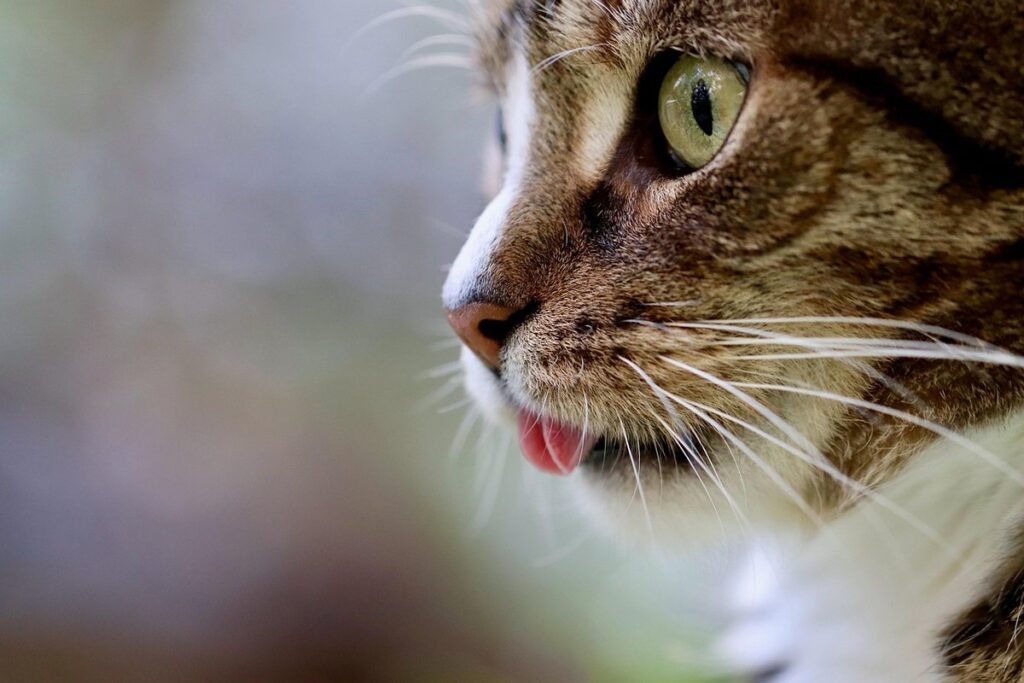
When you bring plants into your home, it’s not uncommon to notice your cat’s sudden fascination with them. But what drives this interest? As it turns out, cats are naturally drawn to certain types of foliage due to their instincts and senses.
One reason is that plants mimic the appearance and scent of grasses and wildflowers that cats instinctively associate with hunting and foraging in their natural habitat. Your cat’s keen sense of smell allows them to detect even the slightest whiff of greenery, which can trigger a strong response. Additionally, the texture and structure of leaves and stems provide a satisfying stimulation for your cat’s whiskers and paws.
But it’s not just about instinct – vision also plays a significant role. Cats have excellent low-light vision, allowing them to detect even slight movements or changes in plant patterns. This can lead to a game of “stalk and chase,” as your cat becomes fascinated with the gentle sway of leaves or the delicate dance of flowers.
By understanding these underlying drives, you can take steps to redirect your cat’s attention away from your prized plants. Try placing them out of reach, using deterrents like citrus sprays or sticky tape, or providing alternative foliage for your cat to graze on – all while ensuring their safety and satisfaction.
Identifying High-Risk Plant Species
When it comes to identifying high-risk plant species that are particularly enticing to cats, there are several common household plants that stand out. Lilies, for example, are highly toxic to cats and can cause severe kidney damage if ingested. These beautiful flowers come in a variety of colors and are often used in floral arrangements, making them a popular choice for home decor.
Snake plants, also known as mother-in-law’s tongue, are another common household plant that poses a risk to feline friends. Their upright leaves and ability to thrive in low-light conditions make them a popular choice for indoor spaces. However, their pointed tips can cause puncture wounds if ingested, and some species contain toxic compounds.
Peace lilies are yet another example of a high-risk plant species. While they’re known for their elegant white blooms and ability to purify the air, they contain insoluble calcium oxalate crystals that can cause oral and gastrointestinal irritation in cats.
If you suspect your cat has ingested any part of these plants, it’s essential to seek veterinary attention immediately.
Plant Selection for Cat-Free Homes
If you’re a cat lover who also wants a lush, low-maintenance garden, choosing plants that deter cats is crucial. In this section, we’ll explore some purr-fectly safe and cat-deterrent options for your home.
Choosing Non-Toxic Alternatives
When it comes to choosing plants that will keep your cat at bay, it’s essential to consider not only their effectiveness but also their safety for indoor growth. Some plants can be toxic to cats even if they’re unappealing, so make sure to do your research.
Let’s start with some great alternatives to catnip, which is a popular choice but can be overwhelming in large quantities. Lemongrass (Cymbopogon citratus), for instance, has a similar citrusy scent that cats tend to dislike. It’s easy to grow indoors and requires minimal maintenance. You can also try growing cat grass, which is a type of wheatgrass or oat grass that cats often find unappealing.
The ‘Dragon Blood’ tree (Croton lechleri) is another plant species that’s both beautiful and safe for indoor growth. Its vibrant red sap has natural medicinal properties but is highly distasteful to cats. This low-maintenance tree can thrive in a pot indoors, providing a stunning focal point while keeping your feline friend at bay.
When selecting non-toxic alternatives, remember to research each plant thoroughly to ensure it’s safe for indoor growth and won’t pose any risks to you or your pets.
Considerations for Low-Maintenance Plants
If you’re a busy cat owner who wants to keep plants in your home without breaking your back over maintenance, consider low-maintenance options that can thrive in various lighting conditions. These plants are perfect for households with cats as they require minimal upkeep and can survive neglect.
Some excellent choices include the ZZ Plant, which is almost impossible to kill and can tolerate a range of light levels from direct sunlight to artificial light. The Snake Plant (also known as Mother-in-Law’s Tongue) is another great option that can go weeks without watering and still look vibrant.
The Spider Plant is also a low-maintenance option that does well in bright, indirect light but can adapt to lower light conditions too. When choosing these plants, consider the amount of light your home receives throughout the day. If you have a spot with plenty of direct sunlight, opt for plants like succulents or cacti that thrive in brighter conditions.
Remember, even low-maintenance plants need some TLC every now and then. Water them sparingly, and fertilize them occasionally to keep them healthy and thriving. By choosing the right plant for your lighting situation, you can enjoy beautiful greenery without the guilt of neglecting it.
Creating Cat-Repellent Environments
If you’re tired of your cat wreaking havoc on your favorite plants, it’s time to rethink your indoor space and create a feline-free zone using these clever plant solutions. Let’s dive into creating environments that discourage cats from scratching and nibbling.
Understanding Air Quality and Plant Pollutants
When it comes to creating cat-repellent environments, understanding air quality and plant pollutants is crucial. You see, certain plants can release volatile organic compounds (VOCs) into the air, contributing to indoor pollution. These VOCs can trigger respiratory issues, allergies, and even headaches in both humans and cats.
Some common culprits include Peace Lily, Snake Plant, and Dracaena, which are often used for their air-purifying benefits. However, they also release high levels of VOCs like isoprene, ethanol, and acetone. To put this into perspective, a 2018 study found that indoor air pollution can be up to five times worse than outdoor air pollution.
To mitigate these effects, choose low-VOC plants or opt for artificial alternatives. If you still want to use plant-based solutions, consider rotating your plants every few months to prevent build-up. Additionally, keep your home well-ventilated by opening windows and using fans to circulate the air. By being mindful of these factors, you can create a more welcoming environment for both humans and cats – without sacrificing style or functionality!
Integrating Cat-Deterrent Plants Strategically
When it comes to creating an environment that discourages cats from exploring, strategic placement of cat-deterrent plants can be a game-changer. By grouping these plants near high-traffic areas, you can create a barrier that deters cats from approaching certain zones within your home.
Consider placing cat-deterrent plants like lavender or chamomile near entryways or in rooms where cats tend to congregate. This will help funnel them away from sensitive areas, such as your kitchen counters or prized garden. You can also use these plants to block off narrow pathways or hallways that connect cat-accessible zones.
Another effective strategy is to use cat-deterrent plants as living barriers between cat-friendly spaces and high-value areas. For example, you could plant a row of catnip-free herbs like rosemary or sage along the edge of your cat’s favorite lounging spot, effectively creating a deterrent zone that keeps them from encroaching on your prized possessions.
Remember to space these plants strategically, allowing for easy passage while still maintaining an effective barrier. With a little creativity and planning, you can harness the power of cat-deterrent plants to create a harmonious environment that balances both human and feline needs.
DIY Solutions and Additional Tips
For cat owners who prefer not to rely on commercial deterrents, we’ll explore some creative DIY solutions and additional tips to keep your feline friends at bay. These ideas are perfect for a natural approach.
Natural Deterrents Beyond Plants
If you’re looking for ways to keep cats away from certain areas beyond using plants, there are several other methods you can try. One of the most effective natural deterrents is essential oils. Certain scents such as lavender, peppermint, and lemongrass can be very unpleasant for cats, causing them to associate the area with discomfort.
To use essential oils effectively, dilute a few drops in water or a spray bottle and spritz it around the perimeter of the area you want to protect. You can also add a few drops to a diffuser for a more subtle approach.
Another option is citrus sprays. Cats have a strong dislike for citrus scents, so spraying lemon or orange extract around the area can be an effective way to keep them away. Just be sure to test it in a small area first to ensure it doesn’t damage any surfaces.
Finally, physical barriers are another great option. Installing a fence or screen around the area you want to protect is an effective way to keep cats out. You can also try using double-sided tape or aluminum foil, which cats find uncomfortable to walk on.
Integrating Humane Deterrence Methods with Plant Selection
When combining plant selection with humane deterrent techniques, you can create an even more effective cat-deterrent system. To start, choose plants that are known to repel cats, such as lavender, rosemary, and chamomile. These plants have a strong scent that’s unpleasant for cats.
In addition to selecting the right plants, you can also use humane deterrent granules or sprays near your chosen cat-deterrent plants. These products contain natural ingredients like citrus, vinegar, or hot peppers that deter cats without harming them. For example, you can sprinkle a few drops of citrus-based spray around the perimeter of your garden to keep curious cats away.
To integrate these methods effectively, consider placing cat-deterrent granules near the base of your plant, where they’ll be most effective in repelling cats. You can also use sprays on individual leaves or stems for an added boost. By combining plant selection with humane deterrent techniques, you’ll create a multi-layered defense system that’s both eco-friendly and humane.
Cat Owner Considerations and Safety Precautions
As a cat owner, it’s essential to consider the potential risks of certain plants to your feline friend’s health and safety. Here, we’ll discuss key considerations for safe plant selection and placement.
Understanding Allergic Reactions and Poisoning Risks
As a cat owner, it’s essential to be aware of the potential health risks associated with certain plants. Some plants can trigger allergic reactions in cats, while others can cause poisoning if ingested. If you’re bringing new plants into your home, make sure to do a thorough check on their toxicity levels.
Common symptoms of plant-induced allergies in cats include skin irritation, itching, and redness. If your cat exhibits any of these symptoms after exposure to a new plant, it’s likely an allergic reaction. On the other hand, poisoning from plants can be more severe and even life-threatening if not treated promptly. Some common signs of plant poisoning in cats include vomiting, diarrhea, lethargy, and difficulty breathing.
To minimize risks, keep all toxic plants out of reach or consider replacing them with cat-friendly alternatives. If you suspect your cat has ingested a toxic substance, contact your veterinarian or a pet poison hotline immediately for guidance. Regularly inspect your home for potential hazards and take steps to prevent accidents from happening in the first place.
Responsible Pet Ownership and Plant Selection
As a cat owner, it’s essential to strike a balance between bringing life and color into your home with plants and ensuring their safety around your furry friends. Before introducing new greenery to your space, double-check the plant’s toxicity levels using reliable resources like the ASPCA’s Toxic and Non-Toxic Plant List. This will help you make informed decisions about which plants are safe for your cats.
Creating a cat-friendly environment requires some planning and attention to detail. For instance, consider placing plants out of reach or in hanging baskets to prevent accidental nibbling. Also, be mindful of your cat’s favorite lounging spots – ensure that plants won’t topple over or obstruct their pathways. Remember, it’s all about finding harmony between aesthetics and safety.
To get started, begin by assessing your current plant collection. Identify any high-risk plants and replace them with safer alternatives. As you introduce new plants, keep a close eye on your cat’s behavior, watching for signs of curiosity or distress around the plants. By taking these simple steps, you can enjoy the benefits of indoor gardening while keeping both your cats and family members safe and happy.
Frequently Asked Questions
What’s the average lifespan of cat-deterrent plants, and do I need to replace them often?
Cat-deterrent plants can last anywhere from a few months to several years, depending on their species and maintenance requirements. Yes, some cat-deterrent plants may need to be replaced regularly due to their shorter lifespan or to maintain their effectiveness in deterring cats.
Can I use cat-deterrent plants in small spaces like apartments or condos?
While larger homes can benefit from strategically placed cat-deterrent plants, even smaller spaces can make use of compact cat-deterrent options. Consider using potted cat-deterrent plants that are designed for indoor spaces or incorporating cat-deterrent flowers into your balcony garden.
How do I balance the aesthetic appeal of cat-deterrent plants with their effectiveness?
Choose cat-deterrent plants that not only repel cats but also add visual interest to your space. For example, you can opt for cat-deterrent herbs like lemongrass or citronella, which are as visually appealing as they are effective at deterring cats.
Are there any specific considerations I should keep in mind when choosing cat-deterrent plants with pets who have allergies?
When selecting cat-deterrent plants, consider the potential allergenicity of the plant’s pollen or sap. Opt for hypoallergenic cat-deterrent options like bamboo or orchids, which are less likely to exacerbate respiratory issues.
Can I use cat-deterrent plants in areas with poor air quality, and will they improve indoor air quality?
Some cat-deterrent plants can help purify the air by removing pollutants and toxins. However, their effectiveness in improving indoor air quality may be limited if the issue is more severe. Consider combining cat-deterrent plants with other air-purifying solutions to achieve optimal results.