
Are you ready to take your gardening game to the next level? Raised garden beds are an excellent way to create a thriving edible oasis in your backyard, providing numerous benefits for your plants and you. Not only do they improve soil drainage and accessibility, but also increase crop yields and allow for better pest control. If you’re new to gardening or looking to upgrade your current setup, understanding the basics of raised garden beds is crucial. In this article, we’ll delve into the types of raised garden beds available, share expert tips on planning and maintenance, and provide a step-by-step guide on how to create your own backyard haven. Whether you’re a seasoned gardener or just starting out, get ready to discover the best practices for success with raised garden beds.
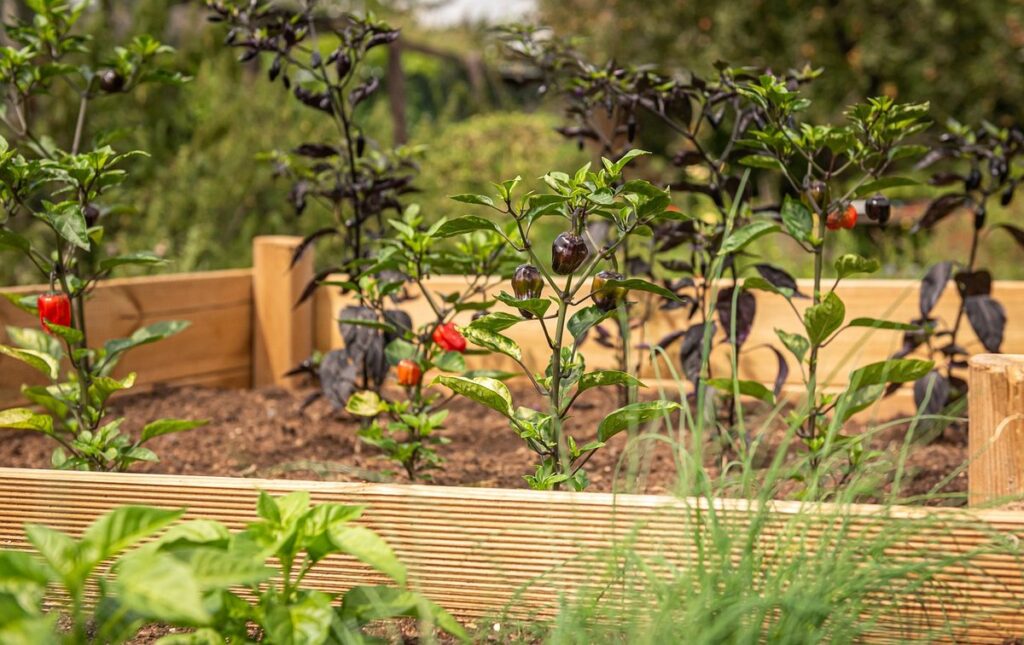
What are Raised Garden Beds?
Let’s get started with the basics: raised garden beds are essentially elevated planters made of various materials, designed to grow plants above ground level. This section will explain how they work and their benefits.
Definition and Purpose
A raised garden bed is essentially a contained gardening space that’s built above ground level. Unlike traditional in-ground gardens, which are dug into the earth to create planting spaces, raised beds are constructed using materials like wood, stone, or composite materials. This design provides several benefits for gardeners of all levels.
One key advantage of raised garden beds is their improved drainage and aeration. By raising the soil off the ground, excess water can easily flow out, reducing the risk of waterlogged soil that’s prone to root rot and other problems. Plus, with better air circulation, roots have room to breathe, promoting healthy plant growth.
Raised beds also offer increased accessibility for gardeners with mobility issues or limited flexibility. The elevated design makes it easier to tend to plants without having to bend or kneel in the dirt. This is especially beneficial for those who struggle with back pain or arthritis.
History and Origins
Raised garden beds have been around for centuries, with early evidence of their use dating back to ancient civilizations such as Egypt and Greece. These cultures used raised beds to grow plants in areas where the soil was poor or waterlogged. As agriculture evolved over time, so did the design and functionality of raised gardens.
In the 19th century, Victorian gardeners popularized the concept of raised beds by using them to create ornate and decorative gardens. This marked a significant shift from traditional farming methods, which often involved intensive tillage and crop rotation. Raised beds allowed for better drainage, improved soil quality, and increased yields.
Today, raised garden beds are a staple in many gardening communities worldwide. Their versatility and adaptability have made them an attractive option for urban and suburban gardeners alike. With the rise of sustainable living and environmental awareness, raised beds continue to gain popularity as a way to grow food while minimizing waste and preserving resources. By incorporating raised garden beds into your own garden design, you can enjoy numerous benefits including improved soil health, reduced water consumption, and increased crop yields.
Types of Raised Garden Beds
When it comes to designing a raised garden bed, you have several options to consider, from traditional wooden frames to more modern alternatives. Let’s explore some popular types together!
Wooden Raised Bed Gardens
Wooden raised bed gardens are a popular choice for many gardeners due to their rustic charm and ability to blend seamlessly into natural surroundings. However, like all materials, they have both benefits and drawbacks.
One of the main advantages of wooden raised bed gardens is their durability. When properly maintained, wood can last for decades, providing a long-term solution for your gardening needs. For instance, cedar wood is naturally resistant to rot and insect damage, making it an excellent choice for outdoor projects like raised beds. Additionally, wooden raised beds can be easily customized to fit any garden design, allowing you to create unique and visually appealing spaces.
On the other hand, wooden raised bed gardens require regular maintenance to ensure their longevity. This includes applying a wood sealant or stain every few years to protect against moisture damage. Moreover, wood is a natural resource that has an environmental impact. For example, deforestation can lead to soil erosion and loss of biodiversity if not managed sustainably.
To minimize the drawbacks, consider using reclaimed or sustainably sourced wood for your raised bed garden. You can also opt for composite materials made from recycled plastic and wood fibers, which offer improved durability and reduced maintenance requirements.
Composite and Plastic Raised Bed Gardens
Composite and plastic raised bed gardens have gained popularity in recent years due to their durability and low maintenance requirements. One of the primary advantages of these materials is their weather resistance. Unlike wood, which can rot and decay over time, composite and plastic raised beds remain intact even in harsh weather conditions.
However, there are some potential drawbacks to consider. For instance, some plastics may contain chemicals that can leach into the soil and potentially contaminate your crops. BPA (bisphenol A) is a common chemical found in some plastics that has been linked to health concerns. To mitigate this risk, look for plastic raised beds made from BPA-free materials.
When choosing composite or plastic raised bed gardens, consider the following factors: durability, UV resistance, and chemical composition. Some brands offer high-quality options with built-in UV protection and eco-friendly manufacturing processes. By doing your research and selecting a reputable brand, you can enjoy the benefits of these long-lasting garden beds while minimizing potential risks to your plants and family’s health.
Self-Watering and Elevated Raised Bed Gardens
If you’re looking for a way to make gardening easier and more efficient, consider investing in self-watering and elevated raised bed gardens. These unique features provide numerous benefits, including water-saving capabilities and improved accessibility.
Self-watering systems are designed to supply plants with a steady flow of moisture, eliminating the need for frequent watering. This is especially beneficial during hot summer months or in areas with low rainfall. For instance, the WaterWise system uses a built-in water reservoir that releases moisture as needed, reducing evaporation and runoff. By using this type of system, you can save up to 50% of your water usage compared to traditional raised bed gardens.
Elevated raised beds also offer accessibility benefits for gardeners with mobility issues or back pain. They allow plants to be grown at a comfortable height, eliminating the need to bend or kneel. Additionally, elevated beds are often constructed with durable materials and designed with safety features in mind, making them an excellent choice for families or individuals who value low-maintenance gardening. By incorporating self-watering and elevated features into your raised bed design, you can create a thriving garden that’s both efficient and enjoyable to maintain.
Planning and Designing Your Raised Garden Bed
When planning a raised garden bed, it’s essential to consider the space you have available and what type of plants will thrive in your climate. Let’s dive into the design process!
Choosing the Right Location
When selecting a location for your raised garden bed, there are several factors to consider that will impact its success. The first and most crucial factor is sunlight exposure. Most vegetables require at least six hours of direct sunlight per day to grow well, so choose a spot that receives plenty of sun.
Next, consider the quality of the soil in your chosen location. Raised garden beds can help improve soil quality, but if the underlying soil is poor, it will be difficult to achieve optimal results. Look for areas with good drainage and minimal shade from trees or buildings.
Also, take into account nearby water sources. You’ll want a spot that’s close to a hose or watering can, but not so close that it creates a moisture-rich environment that fosters disease and pests. Avoid areas with standing water or where water tends to collect. By considering these factors, you can choose the perfect location for your raised garden bed and set yourself up for a successful harvest.
Measuring and Mapping Your Space
Measuring and mapping out your garden space is crucial to ensure optimal plant placement and efficient use of resources. Before you start digging, take a moment to assess the dimensions of your raised bed. Measure the length, width, and depth to get an accurate picture of what you’re working with.
To maximize space, consider dividing your bed into sections or zones based on sunlight patterns, soil types, and plant requirements. This will help you group plants that thrive in similar conditions together. For example, if one section receives full sun, reserve it for heat-loving vegetables like tomatoes or peppers. Meanwhile, a shadier area can be dedicated to leafy greens like lettuce or herbs.
Remember to also consider the mature size of each plant when placing them in your bed. Leave enough space between plants for air circulation and easy access for maintenance. A general rule of thumb is to allocate about 12-18 inches of space between plants, depending on their spread. By mapping out your garden space thoughtfully, you’ll be able to make the most of your raised bed’s potential and enjoy a bountiful harvest all season long.
Aesthetics and Visual Appeal
When it comes to designing your raised garden bed, aesthetics and visual appeal are just as important as functionality. A thoughtfully designed raised bed can elevate the entire outdoor space and create a sense of serenity and connection to nature.
To incorporate visually appealing design elements, start by considering color schemes that complement each other. For instance, you can pair deep greens with rich terracottas or soft blues with creamy whites. Think about the overall mood and atmosphere you want to create in your garden bed – do you want it to be calming and soothing, or vibrant and energetic?
Incorporate different textures by combining plants with varying leaf types, such as velvety succulents, delicate ferns, or crunchy grasses. You can also add decorative elements like river rocks, wooden planks, or mosaic tiles to create visual interest.
To add a playful touch, experiment with patterns and repetition. Alternate between solid-colored stones and patterned planters, or arrange plants in symmetrical or asymmetrical patterns. Don’t be afraid to get creative and have fun with the design process!
Building and Maintaining Your Raised Garden Bed
Now that you’ve built your raised garden bed, it’s time to focus on what makes it thrive: designing a maintenance routine that works for you. Let’s dive into some essential tips and tricks.
Materials and Tools Needed
When building and maintaining your raised garden bed, having the right materials and tools on hand is crucial for success. Let’s start with the essentials: lumber. You’ll need wooden planks or boards to construct the frame of your raised bed, typically 8-12 feet long and 6-8 inches wide. Cedar, cypress, and redwood are popular choices due to their natural resistance to rot and insects.
You’ll also need a soil mix specifically designed for raised beds, which should include a combination of topsoil, compost, and perlite or vermiculite. A good rule of thumb is to use a 3:2:1 ratio of topsoil to compost to perlite. Don’t forget to add a layer of mulch or straw to retain moisture and suppress weeds.
In addition to these materials, you’ll need irrigation systems in place to ensure your plants receive the right amount of water. Drip irrigation systems or soaker hoses are excellent choices for raised beds, as they deliver water directly to the roots without wasting it on the surrounding soil. Finally, a garden fork, trowel, and rake will come in handy for maintenance tasks like weeding, planting, and leveling the soil.
Assembly and Construction Tips
When it comes to assembling and constructing your raised garden bed, safety should be your top priority. Before you start building, make sure to clear the area of any debris and ensure a level surface. Wear protective gear like gloves, safety glasses, and a dust mask to prevent injuries.
To avoid common mistakes, begin by reading through the manufacturer’s instructions and checking the material’s specifications. For instance, wooden raised beds require proper assembly and support to prevent warping or cracking. Use galvanized screws to secure the frame together, as they are resistant to rust and can withstand harsh weather conditions.
As you assemble the bed, consider the accessibility of your garden. Ensure that the height is comfortable for you to reach and maintain without straining your back. Also, keep in mind the spacing between each plank or board, leaving enough room for growth and maintenance.
To prevent waterlogging and promote healthy drainage, build a slight incline in your raised bed’s design. This will allow excess water to flow out easily, reducing the risk of root rot and other problems.
Seasonal Maintenance and Upkeep
As you tend to your raised garden bed throughout the growing season, it’s essential to stay on top of routine maintenance tasks. Watering is one of the most critical aspects of keeping your raised bed thriving. Aim to provide about 1-2 inches of water per week, either through rainfall or irrigation. Make sure to check the soil moisture by inserting your finger into the soil up to the knuckle – if it feels dry, it’s time to water.
Regular pruning is also crucial for maintaining a healthy and productive raised bed. Remove any dead or diseased plant material to prevent the spread of disease and encourage new growth. For most vegetables and flowers, prune back around 1/3 of the foliage after about six weeks of growth to promote bushy plants and increase yields. Don’t forget to fertilize regularly – a balanced fertilizer applied every four to six weeks will provide your plants with the necessary nutrients for optimal growth.
By incorporating these routine maintenance tasks into your gardening schedule, you’ll be well on your way to enjoying a bountiful harvest from your raised garden bed.
Growing Specific Plants in Raised Garden Beds
When it comes to growing your favorite fruits, vegetables, and flowers, knowing which varieties thrive in raised beds is crucial for a bountiful harvest and vibrant blooms. Let’s explore some of these key plants together.
Vegetable and Fruit Plant Selection
When selecting vegetables and fruits for your raised garden bed, it’s essential to consider the climate you live in. Different plants thrive in various temperature ranges, so choose varieties that match your local conditions. For instance, if you’re in a region with hot summers, opt for heat-tolerant crops like okra or Southern peas.
Soil pH is another crucial factor to consider. Most vegetables and fruits prefer slightly acidic to neutral soil (pH 6.0-7.0). However, some plants like asparagus and rhubarb can tolerate more alkaline conditions. Be sure to check the specific requirements for each plant you want to grow.
Lastly, think about growth habits when selecting plants. Compact or dwarf varieties are ideal for raised beds, as they don’t require extensive space. Look for plants labeled “bush” or ” compact” to save space and reduce pruning needs. Consider companion planting by pairing vegetables like tomatoes with basil or lettuce to create a balanced ecosystem in your raised bed.
Research local nurseries or extension services for specific recommendations on plant selection based on climate, soil type, and pest management strategies in your area.
Companion Planting Strategies
Companion planting is an age-old technique that has been passed down through generations of gardeners. By strategically placing different plants together, you can create a harmonious and thriving ecosystem within your raised garden bed. This practice not only promotes healthy growth but also attracts beneficial pollinators, repels pests, and even improves soil health.
When it comes to pest control, companion planting can be a game-changer. For example, planting marigolds with tomatoes can deter nematodes and whiteflies. Basil, on the other hand, repels aphids and flies that target tomatoes and peppers. By combining these plants, you can reduce the need for pesticides and create a balanced environment.
In addition to pest control, companion planting also attracts beneficial pollinators like bees and butterflies. Planting flowers like lavender, rosemary, or coneflowers near your vegetables can attract these important visitors, ensuring proper pollination. By incorporating these strategies into your raised garden bed design, you’ll create a vibrant and diverse ecosystem that will reward you with a bountiful harvest.
To get started, research which plants complement each other in terms of growth habits, nutrient requirements, and pest-repellent properties. Then, intentionally interplant them in your raised bed to maximize benefits.
Trellises and Support Systems
When growing climbing plants in raised garden beds, providing adequate support is crucial for their growth and health. A well-designed trellis or support system can make a significant difference in the overall appearance of your garden bed. One popular option is to use cages, which come in various shapes and sizes to accommodate different plant varieties.
For instance, tomato plants thrive in cages that are around 5-6 feet tall, while peas prefer smaller cages with openings for easy harvesting. Arbors, on the other hand, provide a more decorative element to your garden bed, making them perfect for climbing flowers or roses.
When choosing a support system, consider factors such as plant height, growth habits, and pruning requirements. Stakes are another option, but they can be less aesthetically pleasing compared to cages or arbors. For added stability, you can also use twine or soft ties to gently secure the plant stems to the trellis.
By providing a sturdy support system, your climbing plants will not only grow healthier but also look more visually appealing, adding character and charm to your raised garden bed.
Conclusion and Future Considerations
As you conclude your journey through building raised garden beds, let’s wrap up what we’ve learned together. Now, it’s time to consider future projects and ways to refine your gardening skills.
Recap of Key Points
As you’ve learned throughout this article, raised garden beds offer numerous benefits for your gardening endeavors. To recap, these structures provide improved drainage and aeration, which helps to prevent waterlogged soil and reduces the risk of root rot. They also allow for better access and easier maintenance, making it simpler to tend to your plants without having to kneel or bend.
Another key point is that raised beds can be built using a variety of materials, from wood to stone, metal, and even recycled plastic. When choosing the right material for your raised bed, consider factors like durability, cost, and environmental impact. You should also take into account the specific needs of your plants and ensure that the chosen material will provide the necessary conditions.
By incorporating these structures into your garden design, you’ll be able to enjoy a more efficient, productive, and enjoyable gardening experience. Don’t forget to plan carefully before constructing your raised bed, taking into consideration factors like soil type, climate, and accessibility.
Future Improvements and Expansion Ideas
As you continue to enjoy your raised garden bed, it’s essential to think about future improvements and expansions. One way to upgrade is by using sustainable materials for your bed. Consider replacing traditional wood with reclaimed or recycled wood, bamboo, or even shipping pallets. Not only will this reduce waste, but it’ll also add a unique touch to your garden.
To increase yield, you can implement companion planting techniques. This involves pairing plants that complement each other in terms of growth habits and pest resistance. For example, planting marigolds with tomatoes can deter nematodes and attract beneficial insects. You can also experiment with vertical gardening by using trellises or a wall-mounted system to maximize space.
Another idea is to incorporate new features into your raised bed. This could be as simple as adding a drip irrigation system for efficient watering or installing a rain barrel to collect and store rainwater. Alternatively, you could integrate a compost bin or worm farm to create nutrient-rich fertilizer right in your garden.
Frequently Asked Questions
What’s the ideal size for a raised garden bed?
When planning your raised garden bed, consider the space you have available and the types of plants you want to grow. A standard size is around 4′ x 8′, but you can also opt for smaller or larger beds depending on your needs. Keep in mind that wider beds (around 3-4 feet wide) are easier to reach into than narrower ones.
How do I ensure proper drainage in my raised garden bed?
Proper drainage is crucial for the health of your plants. To achieve this, you can add a layer of organic matter like compost or well-rotted manure at the bottom of the bed. You can also use a mixture of sand and perlite to improve soil structure.
Can I use any type of wood for my raised garden bed?
While it’s tempting to repurpose old pallets or wooden planks, not all woods are suitable for raised garden beds. Avoid using pressure-treated wood, cedar, or cypress as they can leach chemicals into the soil. Opt for sustainable, rot-resistant woods like reclaimed oak, pine, or spruce instead.
What’s the best way to build a trellis for my raised garden bed?
Trellises are an excellent way to maximize vertical space and support climbing plants. You can purchase pre-made trellises or create your own using wooden stakes, wire mesh, and twine. Make sure the trellis is sturdy enough to support the weight of the plants and any additional features like netting or shade cloth.
How do I maintain my raised garden bed during the off-season?
Proper maintenance during the off-season will help extend the life of your raised garden bed. This includes cleaning up debris, pruning dead plant material, and adding mulch to retain moisture and suppress weeds. Consider covering the bed with a frost blanket or tarp to protect it from harsh weather conditions.
Can I grow large plants like tomatoes in a raised garden bed?
While raised beds are ideal for smaller plants like herbs, leafy greens, and root vegetables, larger plants like tomatoes can also thrive in them. Make sure to provide enough space (around 18-24 inches between plants) and use supports or trellises to keep the plants upright and secure.