
If you’re looking to create a haven for these hardworking pollinators, attracting bees to your garden is a great place to start. But with so many plants vying for attention, it can be overwhelming to know which ones to choose. Not only do certain flowers and vegetables attract bees like magnets, but incorporating them into your garden design can also have a significant impact on the local ecosystem. By planting native flowers that provide a rich source of nectar and pollen, you’ll be supporting the health of these vital pollinators. In this article, we’ll explore which plants are bee-friendly, how to create a thriving habitat, and share expert tips for designing an attractive garden that will draw in bees by the bucketload.
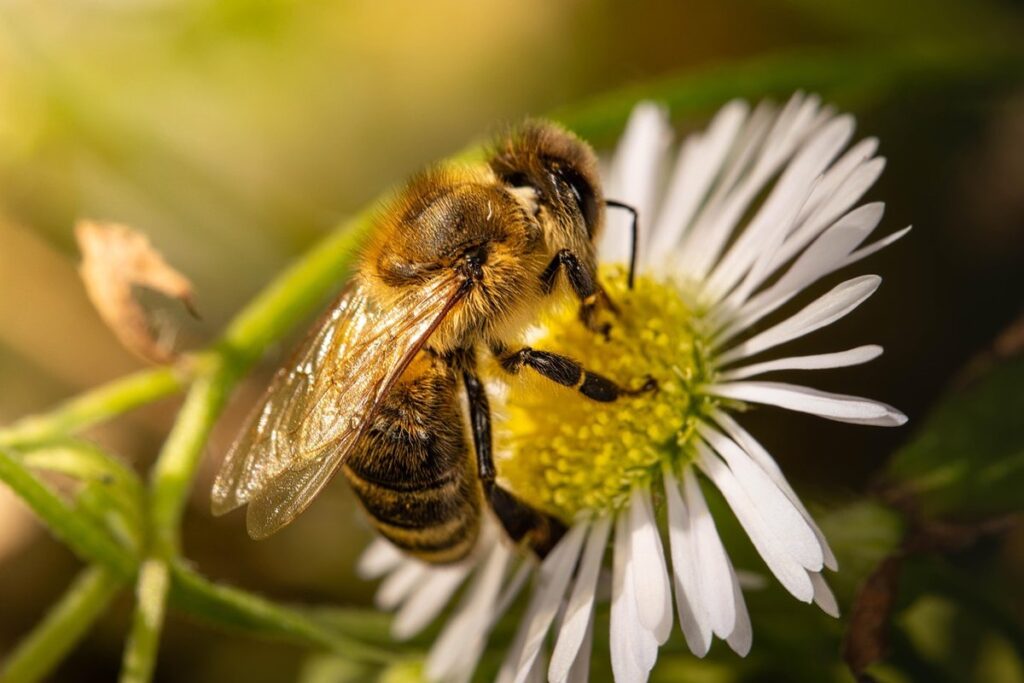
Understanding Bee-Friendly Plants
When it comes to planting a bee-friendly garden, understanding which flowers will attract these busy pollinators is crucial. Let’s take a look at some of the top plants that draw bees in.
Importance of Pollinator Gardens
Pollinators like bees play a vital role in maintaining ecosystem health. Without them, plants would struggle to reproduce, and food production would be severely impacted. In fact, one-third of the food we eat is directly or indirectly dependent on bee pollination. This means that without healthy bee populations, our diets would suffer significantly.
To address this issue, many gardeners are creating bee-friendly gardens in their backyards. These gardens provide a vital source of nectar and pollen for bees, allowing them to thrive and support local ecosystems. By incorporating a variety of bee-friendly plants into your garden, you can make a significant contribution to the health of our environment.
Some easy-to-grow options include coneflower, black-eyed Susan, and lavender. These plants are not only attractive but also provide a rich source of nectar for bees. When selecting plants for your bee-friendly garden, choose varieties that are native to your region and are known to attract local pollinators. By doing so, you can create a haven for these vital creatures in your own backyard.
Types of Flowers That Attract Bees
When it comes to attracting bees to your garden, choosing the right flowers is crucial. Bees are drawn to nectar-rich blooms, which provide them with the energy they need to pollinate and thrive. Here are some types of flowers that are known to attract bees:
Annuals like sunflowers (Helianthus annuus) and zinnias (Zinnia spp.) are great options for bee-friendly gardens. These plants produce an abundance of nectar-rich blooms throughout the growing season, making them a favorite among bees. Perennials like coneflowers (Echinacea spp.), black-eyed Susans (Rudbeckia hirta), and lavender (Lavandula spp.) also attract bees with their fragrant flowers.
Native plants are another excellent choice for bee-friendly gardens. For example, bee balm (Monarda didyma) is a perennial native to North America that produces red, pink, or purple flowers that are rich in nectar. Another option is the butterfly bush (Buddleja davidii), which attracts not only bees but also butterflies and hummingbirds.
When selecting flowers for your garden, look for plants with specific features that attract bees, such as long tubes that allow them to reach the nectar deep within the bloom. Some examples include trumpet-shaped flowers like honeysuckle (Lonicera spp.) and fuchsia (Fuchsia spp.). By incorporating these bee-friendly flowers into your garden, you’ll be supporting local pollinators and enjoying a bounty of blooms in return!
Characteristics of Bee-Friendly Plants
When it comes to attracting bees, not all plants are created equal. In this next part, we’ll explore the characteristics that make certain flowers irresistible to these busy buzzing visitors.
Nectar-Rich Features
Nectar is the primary source of energy for bees, and plants that produce an abundance of nectar are naturally more attractive to these busy pollinators. To maximize nectar production, flowers often develop large, showy blooms that allow easy access for bees to collect this precious resource.
One key characteristic of bee-friendly plants is their flower shape. Tubular shapes, in particular, make it easier for bees to reach the nectar deep within the bloom. Think of trumpet-shaped flowers like honeysuckle or fuchsia – these are perfect examples of how a plant’s design can benefit from bee input! Large, flat blooms like zinnias and sunflowers also make it easy for bees to land and collect nectar.
In addition to shape, plant size is another important factor. Bees prefer plants with multiple flowers in close proximity, as this allows them to move efficiently between blooms without expending too much energy. By incorporating these characteristics into your garden design, you’ll be well on your way to creating a bee-friendly oasis that’s rich in nectar and full of life!
Bloom Times and Seasons
When it comes to creating a bee-friendly garden, one key consideration is the bloom times and seasons of your plants. You see, bees need a constant source of food throughout the growing season, which can be up to 6 months long for some species. A single plant may bloom beautifully for a few weeks, but then suddenly stop producing nectar and pollen. To combat this, choose plants with staggered bloom times so that there’s always something in flower.
For example, if you have a bed of lavender that blooms from June to August, pair it with a spring-blooming plant like crocus or grape hyacinth for early season nectar and pollens. Then, follow up with fall-blooming plants like asters or goldenrod to provide late-season food sources. This staggered approach will create a constant supply of nectar and pollen, ensuring that your local bee population has access to this essential resource throughout the seasons.
By planting a mix of early-, mid- and late-season bloomers, you’ll be supporting these vital pollinators all year round.
Native Plants That Attract Bees
If you’re looking for easy ways to bring bees into your garden, planting native flowers is a great place to start. This section highlights some of the best bee-friendly options in North America.
Examples from Different Regions
When it comes to supporting local pollinator populations, choosing native bee-friendly plants is crucial. Let’s take a look at some examples from different regions around the world.
In North America, for instance, the Black-eyed Susan (Rudbeckia hirta) and Butterfly Milkweed (Asclepias tuberosa) are excellent choices for attracting bees in the eastern United States. In California, the Purple Sage (Salvia leucophylla) and Mariposa Lily (Calochortus splendens) are native favorites that provide a vital source of nectar for local pollinators.
In Europe, the Oxeye Daisy (Leucanthemum vulgare) and Red Clover (Trifolium pratense) are widely recognized as excellent bee-friendly plants. In Australia, the Honey Heather (Haemodoraceae) and Kangaroo Paw (Anigozanthos spp.) are native species that play a vital role in supporting local pollinator populations.
By choosing plants native to your region, you’ll be supporting the local ecosystem and providing essential resources for bees and other pollinators. Remember, it’s all about creating a welcoming environment that fosters a thriving community of pollinators!
Tips for Incorporating Native Plants
When it comes to incorporating native plants into your garden, there are several factors to consider. First and foremost, think about the soil type in your area. Native plants have evolved to thrive in local conditions, so if you’re working with poor soil or heavy clay, look for species that are tolerant of these challenges.
Consider the climate in your region as well – some native plants may require more moisture or protection from extreme temperatures. Be sure to choose varieties that fit your specific microclimate.
Don’t worry if you have limited space; many native plants are perfectly happy growing in containers or even hanging baskets. Choose compact varieties and make the most of vertical space with a trellis or arbor.
When selecting native plants, look for species that attract bees early in the season when other flowers may not be blooming yet. This will provide a valuable source of nectar and pollen for these important pollinators. Some great options include coneflowers, black-eyed susans, and wild indigo.
Plant them near water sources or in areas with good air circulation to keep them healthy and thriving.
Vegetables and Fruits That Attract Bees
Certain vegetables and fruits are bee magnets, providing a vital source of nectar and pollen for these busy pollinators to thrive. Let’s explore some top picks that will draw bees to your garden!
Pollination Benefits for Gardens
Planting bee-friendly vegetables and fruits in your home garden not only supports these vital pollinators but also boosts the overall health and productivity of your plants. One of the primary benefits of incorporating pollination-friendly produce is increased efficiency and yield. When bees are attracted to a diverse range of flowers, they can transfer pollen more effectively between plants, resulting in higher fruit and vegetable production.
Consider the example of tomatoes – when grown alongside bee-friendly herbs like lavender or rosemary, their yields increase by up to 30%. Similarly, blueberries and strawberries benefit from having nearby flowers that attract pollinators. By introducing a mix of vegetables and fruits that cater to bees’ needs, you can create a thriving ecosystem in your garden.
To maximize the benefits of pollination-friendly planting, aim for a diverse range of flowers that bloom at different times throughout the growing season. This will provide a constant source of nectar and pollen for bees, ensuring they stay healthy and active within your garden. By making these simple adjustments to your gardening practices, you’ll not only support local bee populations but also enjoy a more bountiful harvest.
Specific Varieties to Consider
When it comes to attracting bees to your garden, some vegetable and fruit varieties are more effective than others. For instance, herbs like lavender, rosemary, and thyme are known for their strong scents that bees adore. Planting a few rows of these herbs will not only add fragrance to your garden but also provide a vital source of nectar for busy bees.
In the world of fruits, berries are an excellent choice. Strawberries, blueberries, raspberries, and blackberries all have vibrant colors and sweet aromas that attract bees like magnets. Planting these in a sunny spot with well-draining soil will ensure they bloom profusely and provide a constant source of nectar for pollinators.
If you’re looking to incorporate more vegetables into your bee-friendly garden, consider planting sunflowers, zinnias, or cosmos. These annuals have large, showy blooms that bees find irresistible, making them perfect for adding some color and attracting pollinators to your garden. By incorporating these varieties into your garden, you’ll be providing a haven for bees to thrive in no time.
Creating a Bee-Friendly Garden
Now that you’ve learned which plants attract bees, it’s time to create a welcoming space for them in your garden. Let’s dive into creating a bee-friendly haven together!
Tips for Designing an Attractive Habitat
When designing an attractive habitat for bees, it’s essential to consider more than just selecting the right plants. The layout and maintenance of your garden also play a crucial role in creating a bee-friendly environment.
Start by choosing a mix of plants that provide nectar and pollen throughout different seasons. Consider native flowers, herbs, and shrubs that are rich in these resources and provide a source of food for bees when other options are scarce. The color palette is also essential; incorporate a variety of colors to attract multiple bee species. For example, red flowers like poppies and roses attract carpenter bees, while lavender and mint draw in bumblebees.
In terms of layout, create a diverse range of microhabitats by incorporating different textures and heights. This will allow bees to navigate the space easily and forage for food efficiently. Consider leaving some areas untidy with leaf litter and branches, as these provide shelter and nesting sites for solitary bees. Regular maintenance is also crucial; avoid using pesticides, which can harm bee populations. Instead, adopt a more natural approach to pest control and maintain soil health through composting or mulching.
Managing Pesticide Use and Other Threats
As you work to create a bee-friendly garden, it’s essential to consider the common threats facing pollinators and take steps to mitigate their impact. One of the most significant risks is pesticide use. Many commercial pesticides can harm or kill bees, even if they’re applied according to label instructions.
To minimize this risk, opt for integrated pest management (IPM) techniques that combine physical barriers, cultural controls, and targeted applications of organic or low-toxicity pesticides only when necessary. For example, hand-picking pests like aphids or whiteflies can be just as effective as chemical treatments.
Climate change is another significant threat to pollinators. Rising temperatures and altered precipitation patterns disrupt the delicate timing between plants and bees. To combat this, choose bee-friendly plants that are native to your region and have a long blooming season to provide a steady source of nectar and pollen throughout the growing season.
Be mindful of other threats like invasive species, which can outcompete native plants for resources and habitat. Consider incorporating plants that repel pests or attract beneficial insects, like marigolds or dill, into your garden design. By taking these steps, you can create a haven for bees in your own backyard and help support the local pollinator population.
Conclusion: Supporting Our Pollinator Friends
Now that you know which plants attract bees, let’s talk about how we can support our pollinator friends and make a positive impact on their populations.
Recap of Key Takeaways
As we conclude our exploration of plants that attract bees, let’s take a moment to recap the key takeaways from this article. By incorporating bee-friendly plants into your garden design, you’ll be making a significant contribution to supporting these vital pollinators.
First and foremost, it’s essential to choose plants that are native to your region. These plants have evolved alongside local bees and will provide them with the nectar and pollen they need to thrive. Some popular examples of bee-friendly flowers include coneflowers, black-eyed susans, and lavender. When selecting plants, also consider factors such as bloom time, soil type, and sunlight requirements.
In addition to choosing the right plants, it’s crucial to create a diverse garden ecosystem that mimics nature. Aim for a mix of annuals and perennials, shrubs, and trees to provide year-round interest and nectar sources. Don’t forget about native grasses, which can also be an essential food source for bees.
Remember, every small action counts in supporting our pollinator friends. Even a few bee-friendly plants in your garden can make a significant difference. Start by identifying areas where you can incorporate more native flowers or reduce pesticide use. Consider consulting with local nurseries or gardening experts to learn more about the best plants for your specific climate and region.
By following these simple steps, you’ll be well on your way to creating a bee-friendly haven in your garden. Remember to be patient and enjoy the process of watching your garden flourish and attract these amazing pollinators. With a little planning and creativity, you can make a real difference in supporting the health and well-being of our vital pollinators.
Frequently Asked Questions
Can I use bee-friendly plants in containers as well as in-ground gardens?
Yes, many bee-friendly plants can thrive in containers, making it easy to attract pollinators to small or urban spaces. Choose a container with good drainage and a well-draining potting mix to ensure the health of your plants.
How do I maintain a healthy ecosystem by incorporating native bees into my garden?
To support native bees, incorporate a variety of native flowers that provide nectar and pollen throughout different seasons. Also, avoid using pesticides, which can harm or kill these pollinators. By doing so, you’ll be creating a thriving habitat for native bees.
What if I have limited space – are there any compact bee-friendly plants?
Yes, many bee-friendly plants come in compact varieties that are perfect for small gardens or balconies. Look for species like lavender, coneflower, and black-eyed Susan, which are all relatively small but still attract a high number of pollinators.
How often should I water my bee-friendly plants to ensure they’re healthy?
Water your bee-friendly plants when the soil feels dry to the touch, typically 2-3 times a week depending on weather conditions. Avoid overwatering, as this can lead to disease and pests that harm pollinators. Keep in mind that some plants may require more or less water than others.
Can I grow vegetables and fruits that attract bees alongside other plants?
Not only is it possible but also beneficial for creating a diverse pollinator habitat. Incorporate bee-friendly flowers among your vegetable and fruit crops to attract pollinators, ultimately increasing yields and flavor. Some examples include sunflowers with tomatoes or herbs like mint with strawberries.