
If you’re tired of swatting at wasps in your garden or dealing with the mess they leave behind, you’ll love learning about the natural pest control methods that can keep these pesky insects away. Did you know that certain plants have been used for centuries to repel wasps and other unwanted pests? From basil and mint to lemongrass, there are many effective options available for gardeners who want to avoid chemical pesticides.
In this article, we’ll explore the world of wasp-repelling plants and show you how to use them to protect your garden. We’ll take a closer look at some of the most effective species, including their benefits, growing requirements, and tips for using them in your outdoor space. Whether you’re a seasoned gardener or just starting out, this article will provide you with the knowledge you need to create a wasp-free zone in your yard.
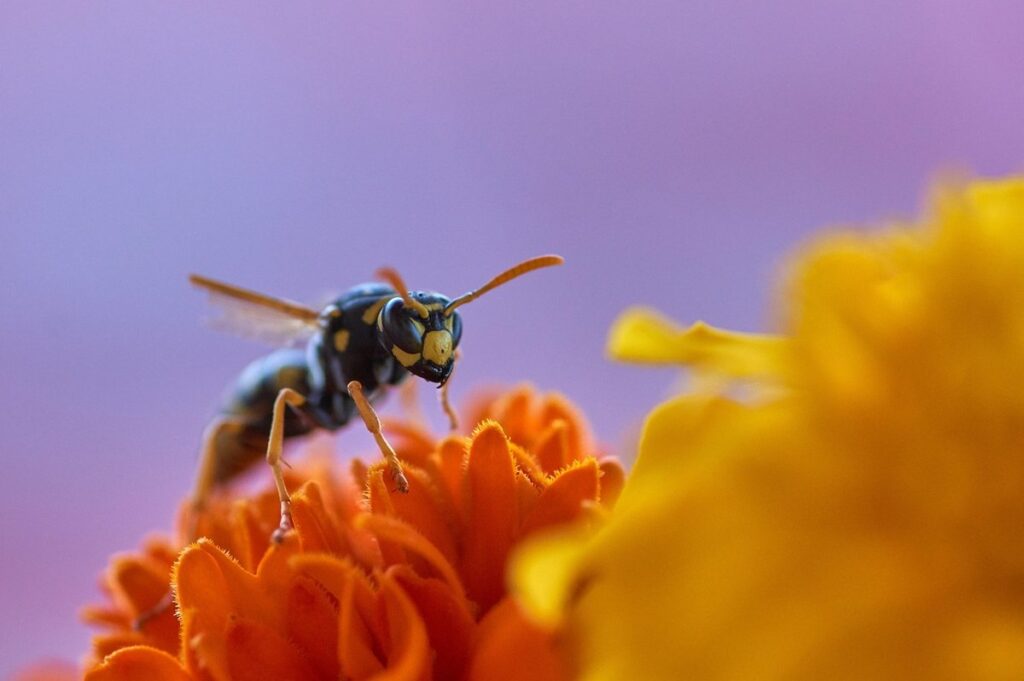
Introduction to Wasp Repellents
If you’re looking for a natural solution to keep those buzzing wasps at bay, you’re in the right place! This section will explore effective ways to repel wasps without harsh chemicals.
Common Wasp Problems in Gardens
If you’re a gardener, chances are you’ve had some run-ins with wasps at one point or another. These buzzing pests can be more than just an annoyance – they can cause significant damage to your garden and even pose a threat to your safety.
One of the primary concerns with wasps in gardens is the damage they inflict on plants. Wasps feed on nectar, but they also consume plant sap, which can weaken the plant’s overall health. This can lead to stunted growth, yellowing leaves, and reduced fruit production. For example, a single nest of paper wasps can destroy an entire patch of tomatoes in just a few days.
But perhaps the most significant problem with wasps is the risk of getting stung. Wasps are generally non-aggressive unless provoked, but they’re also fiercely protective of their nests. If you accidentally disturb a nest or try to swat at a wasp that’s bothering you, it may become aggressive and attack. This can be particularly concerning if you have pets or young children in the garden.
To minimize the risk of wasp problems in your garden, keep an eye out for signs of infestation, such as nests built in planters or under eaves. Regularly inspect your plants for any damage caused by wasps and take steps to prevent them from taking up residence in the first place – more on that later!
Benefits of Using Plant-Based Wasp Repellents
When it comes to controlling wasps in your garden, using plant-based wasp repellents is an excellent alternative to traditional chemical methods. Not only are these natural solutions better for the environment, but they also reduce the risk of exposure to harsh chemicals.
One of the most significant benefits of using plant-based wasp repellents is their eco-friendliness. Unlike synthetic pesticides, which can contaminate soil and waterways, natural repellents break down quickly and harmlessly in the environment. This means you can enjoy your garden without worrying about the long-term impact on the ecosystem.
Another advantage of plant-based wasp repellents is that they’re often just as effective as their chemical counterparts. Certain plants, such as citronella and lemongrass, contain natural oils that repel wasps and other pests. By planting these species in your garden or using essential oils extracted from them, you can create a wasp-free zone without exposing yourself to toxic chemicals.
To get started with plant-based wasp repellents, consider incorporating natural plants into your garden design or using essential oils in a diffuser.
Understanding How Plants Repel Wasps
To naturally keep wasps at bay, it’s essential to understand how plants repel them and what properties make certain species effective deterrents. Let’s dive into these fascinating facts now!
The Science Behind Wasp-Repelling Plants
Plants have evolved unique ways to protect themselves from herbivores and other pests, including wasps. Certain plant chemicals and essential oils play a crucial role in deterring these unwanted visitors. These compounds can be categorized into two main groups: those that repel wasps through physical properties and those that deter them with their scent.
Some plants contain sulfur-containing compounds like allicin, which is found in garlic and chives. These volatile chemicals not only ward off wasps but also attract beneficial insects like ladybugs and lacewings. Other examples include citronella oil, lemongrass oil, and peppermint oil, all of which have natural insect-repelling properties.
Research has shown that certain plant species are more effective at deterring wasps due to their chemical composition. For instance, studies suggest that plants like lavender, basil, and mint can reduce wasp activity in gardens by up to 70%. By incorporating these plants into your garden or using essential oils extracted from them, you can create a wasp-free zone without resorting to harsh chemicals.
Incorporating these plant chemicals and essential oils into your gardening routine is easier than you think. Plant multiple species together to create a multi-layered defense system. You can also use essential oils in water sprays or diffusers to repel wasps from specific areas of the garden.
Key Plant Compounds Responsible for Wasp Repellency
When it comes to wasp-repelling plants, certain plant compounds play a crucial role in deterring these stinging insects. Researchers have identified several key compounds responsible for this repellent effect.
One such compound is salicylic acid, found in plants like willow and sweet bay. This natural oil has been shown to be highly effective against wasps, as it interferes with their olfactory system and prevents them from detecting the presence of a potential food source or threat. Other compounds, such as geraniol and citronella oil, have also been found to repel wasps by masking their sense of smell.
The concentration of these plant compounds can vary depending on the specific plant species and growing conditions. For example, willow leaves tend to contain higher concentrations of salicylic acid than stems or flowers. By understanding which plants are naturally rich in these repellent compounds, gardeners can strategically incorporate them into their landscaping to create a wasp-free zone.
Incorporating these plant compounds into your garden is relatively easy – simply plant the recommended species in strategic locations around your yard.
Choosing the Right Wasp-Repelling Plants
When it comes to creating a wasp-repellent garden, selecting the right plants is crucial – that’s why we’ll dive into the top picks for warding off these pesky insects.
Best Plants for Wasp Repellent Gardens
When designing a wasp-repellent garden, choosing plants that naturally deter these stinging insects is crucial. Fortunately, there are several options to consider. Basil, for instance, is a popular herb known for its fragrance and taste, but it’s also a natural wasp repellent. Planting basil in your garden can help keep wasps at bay, as their strong scent deters them from the area.
Another effective option is mint, which not only repels wasps but also other pests like ants and mosquitoes. Lemongrass is yet another plant that fits the bill, emitting a citrusy aroma that wasps find unappealing. To get the most out of these plants, it’s essential to plant them in areas where they can spread freely, as their scent will be more potent when they’re allowed to grow.
When combining multiple plants for maximum effect, consider pairing basil with lemongrass or mint for a potent wasp-repellent blend. These plants are also relatively low-maintenance and require minimal upkeep, making them perfect additions to any garden seeking natural pest control.
Plant Considerations for Your Garden Climate
When selecting wasp-repelling plants for your garden, it’s essential to consider the climate you’re working with. Different regions have unique temperature and precipitation patterns that can impact plant growth and effectiveness as a deterrent.
First, think about the hardiness zone of your area. If you live in an area with extreme temperatures or dry conditions, choose wasp-repelling plants that are tolerant of these conditions. For example, if you’re in a hot desert climate, opt for plants like Agastache or Lavender, which thrive in full sun and require minimal watering.
Next, consider the moisture levels in your garden. If it’s consistently humid, you may need to select wasp-repelling plants that can handle high humidity, such as Geraniums or Citronella. On the other hand, if your garden is prone to drought, choose plants like Basil or Mint, which are more forgiving of dry conditions.
Lastly, think about the maturity date of the plant and how it will fit into your seasonal growth plan. Choose wasp-repelling plants that bloom at different times throughout the growing season to ensure a constant presence in your garden.
Incorporating Wasp-Repelling Plants into Your Garden
Let’s talk about how you can naturally keep wasps at bay by incorporating plants that repel them into your garden design and layout. This section will cover some easy-to-grow options to try.
Tips for Effective Plant Placement
When strategically placing wasp-repelling plants in your garden, it’s essential to consider their proximity to areas where people tend to congregate. Positioning these plants near outdoor seating areas or walkways can create a buffer zone between you and potential wasp encounters.
To maximize the effectiveness of these plants, also consider the type of soil they require and the amount of sunlight needed for optimal growth. Ensure that these conditions are met in their designated spot, allowing them to thrive and release their natural chemicals that repel wasps.
Keep in mind that while wasp-repelling plants can be an effective deterrent, their effectiveness may vary depending on factors like plant density, size, and location within the garden. To achieve optimal results, aim for a balanced arrangement of these plants throughout your garden, taking into account their mature growth habits and space requirements.
When choosing spots for your wasp-repelling plants, look for areas with high wasp activity, such as near food sources or nesting sites. By placing them in strategic locations, you can create an environment that discourages wasps from inhabiting your garden altogether.
Complementing Plant-Based Wasp Control with Other Methods
While plant-based wasp control methods can be highly effective on their own, combining them with other natural strategies can provide even greater protection for your garden. For example, incorporating physical barriers like fine mesh or netting around sensitive plants can help prevent wasps from reaching them altogether.
You can also complement your wasp-repelling plants with other integrated pest management (IPM) techniques. This might include introducing beneficial insects that prey on wasp larvae, such as parasitic wasps or ladybugs. By attracting these natural predators to your garden, you can create a balanced ecosystem where pests are kept in check without the need for pesticides.
Another approach is to use UV-based traps that exploit the fact that wasps are attracted to ultraviolet light. These traps can be placed strategically around the garden to capture wasps and prevent them from returning. By combining these methods with your plant-based wasp control strategies, you can enjoy a more holistic and sustainable approach to managing pests in your garden.
DIY Wasp-Repellent Garden Tips and Tricks
If you’re tired of wasps buzzing around your garden, we’ve got some great news for you: there are plenty of natural ways to keep them at bay, and we’ll show you how.
Homemade Wasp Deterrents Using Essential Oils
When it comes to creating homemade wasp deterrents using essential oils, you’ll want to focus on plants that are known to repel these pesky insects. Some popular options for natural wasp-repellents include peppermint oil, lemongrass oil, and citronella oil.
To make a homemade wasp repellent spray, start by mixing 10-15 drops of your chosen essential oil with 1 cup of water in a spray bottle. Shake well to combine, then spritz around entry points, gardens, or areas where you’ve spotted wasps. For example, if you notice wasps attracted to your garden’s flowers, try spraying the surrounding soil and plants with this mixture.
Another recipe involves mixing equal parts water and apple cider vinegar in a spray bottle, adding 10-15 drops of peppermint essential oil. This solution is not only effective at repelling wasps but also helps deter other pests like ants and aphids. Simply shake well before use and spritz as needed to keep your garden wasp-free.
These DIY remedies are easy to make and can be customized with different essential oils for various needs. Just remember to always dilute the essential oils in water, as undiluted oils can be irritating to skin and plants.
Natural Wasp Control Methods for Small-Scale Gardens
If you’re a small-scale gardener with limited space, don’t worry – natural wasp control methods can still be effective. For container gardens, consider using plants like mint and basil, which repel wasps with their strong scents. Place them near areas where wasps are most active to keep them at bay.
For larger spaces, incorporate plants that deter wasps into your landscaping. Lavender and rosemary are excellent choices for this purpose. Plant them strategically throughout your garden to create a barrier against these pesky insects.
Another natural way to control wasp populations is by using physical barriers. Create a wasp-repellent perimeter around your garden using copper mesh or fine-mesh screens. This will prevent wasps from entering the area while allowing beneficial pollinators like bees and butterflies to pass through.
To further minimize wasp activity, maintain a clean garden environment. Regularly remove food sources like fruit, sugar, and pet food that can attract these insects. By implementing these simple yet effective methods, you’ll be well on your way to creating a wasp-free oasis in even the smallest of spaces.
Maintenance and Upkeep of Your Wasp-Repelling Garden
Now that you’ve planted your wasp-repelling garden, let’s dive into the essential maintenance tips to keep it thriving and pest-free all season long. Regular care will ensure its effectiveness in deterring those unwanted visitors.
Ongoing Care for Wasps-Repping Plants
To keep your wasp-repelling plants thriving and effective at keeping those pesky wasps away, regular maintenance is crucial. This includes watering, pruning, and fertilizing your plants to ensure they receive the necessary nutrients for optimal growth.
Watering is often an overlooked but essential task in plant care. Wasps are attracted to sugary substances, so it’s vital to avoid overwatering, which can lead to sweet-tasting sap on the leaves. Stick to a consistent watering schedule that meets the specific needs of your plants. For instance, mint and basil require more frequent watering than rosemary or lemongrass.
Pruning is another critical aspect of plant care. By pruning your wasp-repelling plants regularly, you promote healthy growth, prevent overcrowding, and encourage new blooms. Remove any dead or dying leaves to prevent the spread of disease and keep your garden looking its best. Fertilize your plants during the growing season (spring and summer) with a balanced fertilizer that contains essential nutrients for optimal plant growth.
For example, when fertilizing your mint plants, look for a fertilizer specifically formulated for herbs, which will provide the necessary nitrogen, phosphorus, and potassium to promote healthy leaf growth. By following these simple maintenance tips, you’ll be able to keep your wasp-repelling plants happy and healthy all season long.
Adapting to Seasonal Changes in Wasp Activity
As summer transitions into fall and eventually winter, wasp activity undergoes significant changes. To maintain an effective wasp-repellent garden throughout these seasons, it’s essential to be aware of the fluctuations in wasp behavior.
In warmer months (June to August), wasps tend to thrive and become more aggressive as they forage for food and establish their colonies. To adapt to this period, ensure your garden is well-maintained by regularly pruning weeds and deadheading flowers that attract wasps. This not only keeps the area tidy but also reduces potential nesting sites.
As fall sets in (September to November), wasp activity begins to slow down as the colony prepares for winter. During this time, it’s crucial to inspect your garden for remaining wasp nests and remove them promptly to prevent future invasions.
In colder months (December to February), most wasp colonies die off or enter a state of dormancy. While this is an ideal time to reassess and revitalize your wasp-repellent garden, remain vigilant as some species may still be active.
To adapt to these seasonal changes, maintain a flexible approach by regularly monitoring your garden’s wasp activity and adjusting your maintenance routine accordingly. By staying informed and proactive, you’ll effectively protect your space from wasps throughout the year.
Frequently Asked Questions
Can I mix and match different wasp-repelling plants to achieve optimal results?
You can combine multiple plants with different wasp-repellent properties to create a more effective barrier against these pests. For example, pairing basil’s strong scent with lemongrass’s citral content can create an even stronger deterrent. However, keep in mind that some plants may compete for resources or have incompatible growing requirements, so choose varieties carefully and consider factors like sunlight and water needs.
How do I know if a plant is truly effective at repelling wasps?
While the effectiveness of individual plants may vary depending on climate, soil conditions, and other factors, most research suggests that certain species (like basil and mint) are consistently effective against wasps. Look for studies or anecdotal evidence from experienced gardeners to gauge a plant’s performance in your specific region.
Can I use essential oils extracted from these plants as an alternative to planting the actual plants?
Yes, you can use essential oils derived from wasp-repellent plants like lemongrass and citronella to deter wasps. However, be aware that oil concentrations may need to be adjusted for optimal results and repeated applications may be necessary due to the volatility of these compounds.
How often should I replace or prune my wasp-repelling plants to maintain their effectiveness?
Regular pruning can help control the size and shape of your plants while maintaining their potency. Typically, you’ll want to trim back woody stems in early spring and remove spent flowers throughout the growing season. Replace any plants that become diseased or senescent with new, healthy specimens.
Can I use wasp-repellent plants as a standalone solution for all pest control needs?
No, while these plants can provide an effective barrier against wasps, they may not address other pest issues like aphids or whiteflies. Consider combining plant-based solutions with additional methods (like traps or biological controls) to achieve comprehensive garden management.