
As an avid gardener or simply someone who cares about our environment, you’re likely aware of the importance of pollinators like bees in maintaining healthy ecosystems. However, did you know that carpenter bees are some of the most valuable and underappreciated pollinators out there? These amazing creatures are not only crucial for pollination but also fascinating to observe. But to attract them to your garden, you need to choose the right plants and create a welcoming habitat. That’s where this guide comes in – we’ll take you through everything you need to know about attracting carpenter bees with the best plants for pollination, designing a bee-friendly space, and understanding their behavior to maximize their benefits. By following our expert advice, you can support local pollination and enjoy these incredible pollinators up close.
Importance of Carpenter Bees in Pollination
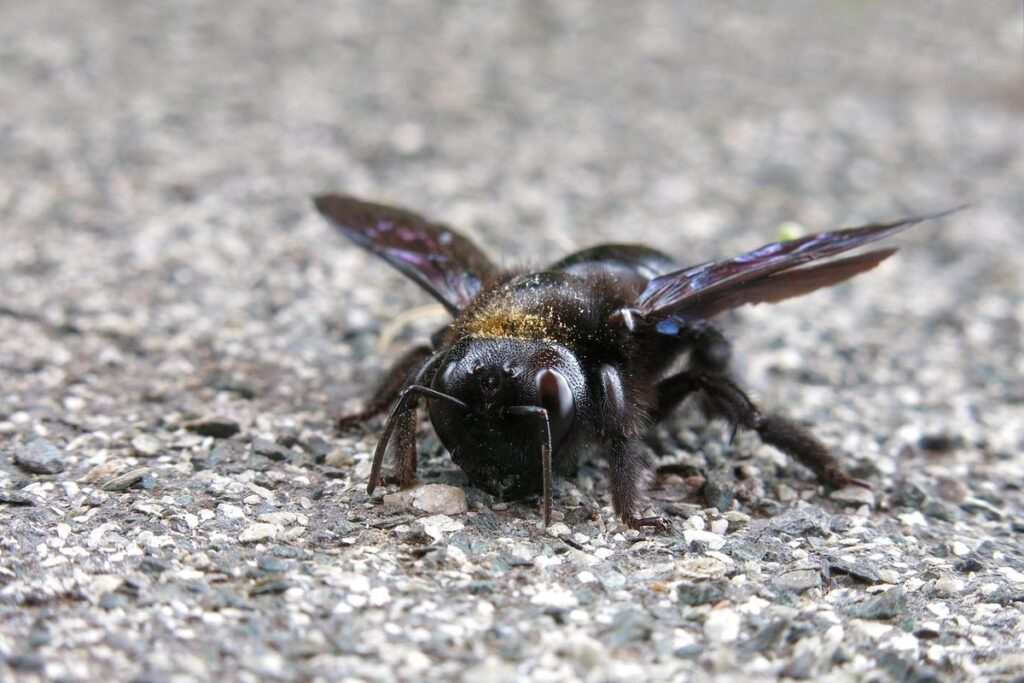
Carpenter bees may look intimidating, but they’re actually valuable pollinators that play a crucial role in your garden’s ecosystem. Let’s explore their importance and why you want them buzzing around!
Benefits of Attracting Carpenter Bees to Your Garden
Attracting carpenter bees to your garden can have numerous benefits for both your plants and the ecosystem as a whole. One of the most significant advantages is their role in pollination. Carpenter bees are important pollinators, just like honeybees and butterflies, and they play a crucial part in the reproduction process of many plant species.
By attracting carpenter bees to your garden, you’re contributing to a healthy ecosystem. These beneficial insects help transfer pollen between flowers, allowing plants to set seed and propagate new growth. In return, the carpenter bees rely on the nectar and pollen from these very same plants as a food source.
To attract carpenter bees to your garden, focus on planting a diverse range of native flowers that are rich in nectar and pollen. Some excellent choices include lavender, coneflower, and black-eyed Susan. By creating a bee-friendly environment, you’ll not only support the local pollinator population but also enjoy an explosion of color and vitality in your garden as these beautiful bees flit from flower to flower, transferring vital nutrients and life-giving energy.
Common Challenges Faced by Carpenter Bees
Carpenter bees play a vital role in pollination, but they face numerous challenges that threaten their populations. One of the primary concerns is habitat loss due to urbanization and deforestation. As natural areas are converted into housing developments and farmland, carpenter bee habitats are destroyed, leaving them without suitable nesting sites. For instance, a study in California found that the number of native bee species declined by 28% between 2006 and 2014, largely due to habitat loss.
Another significant challenge is the widespread use of pesticides, which can harm or kill carpenter bees. Pesticides like neonicotinoids have been linked to bee declines worldwide. When these chemicals are applied to plants, they can be absorbed by bees through their pollen collection activities, causing damage to their nervous systems and reproductive health.
To create a welcoming environment for carpenter bees, consider planting native flowers that provide nectar and pollen, essential food sources for them. You can also avoid using pesticides in your garden and instead opt for natural methods of pest control.
Choosing Plants that Attract Carpenter Bees
When selecting plants to attract carpenter bees, consider species that provide an abundance of nectar and pollen, such as coneflowers and sunflowers.
Plant Selection Criteria for Carpenter Bee Attraction
When it comes to selecting plants that attract carpenter bees, there are several key characteristics to look for. Carpenter bees are particularly drawn to flowers with a specific set of traits that provide the perfect combination of nectar, pollen, and landing strips.
First and foremost, consider the flower color. Carpenter bees are attracted to bright, bold colors such as red, blue, purple, and yellow. These colors are often associated with high levels of nectar, which is essential for their survival. However, it’s not just about the color – shape and size also play a crucial role. Carpenter bees prefer funnel-shaped flowers that are around 1/4 to 3/8 inch deep, as these provide easy access to nectar and pollen.
Fragrance is another important factor to consider. Carpenter bees have an acute sense of smell and can detect the sweet aroma of certain flowers from a distance. Plants with strong fragrances such as lavender, mint, and rosemary are often attractive to carpenter bees. By selecting plants that meet these criteria, you’ll be well on your way to creating a bee-friendly garden that’s perfect for pollination.
Native vs. Introduced Plants: Which is Best?
When it comes to choosing plants that attract carpenter bees for pollination, one crucial decision is whether to plant native species or introduced ones. Native plants have evolved alongside local wildlife, including carpenter bees, making them the ideal choice for supporting these beneficial insects. Introduced plants, on the other hand, may not provide the same level of support and can even outcompete native species.
Native plants offer several advantages over introduced ones when it comes to attracting carpenter bees. For one, they are more likely to have the right combination of flowers, foliage, and structure that cater specifically to carpenter bee needs. Take, for example, the native New England Aster (Aster novae-angliae), which produces showy purple flowers rich in nectar – a favorite of many carpenter bees.
In contrast, introduced plants like Lavender or Rosemary may not provide the same level of nutrition and shelter that carpenter bees require. If you do choose to plant introduced species, make sure they are non-invasive and won’t harm local ecosystems. Ultimately, prioritizing native plants will give you the best chance of attracting a healthy population of carpenter bees to your garden.
Top Plants that Attract Carpenter Bees
If you’re looking to create a bee-friendly garden, knowing which plants attract carpenter bees is essential. In this next section, we’ll reveal our top picks for pollinator powerhouses!
Woody Plants for Carpenter Bee Habitat
When it comes to attracting carpenter bees to your garden, not only do you want to focus on the nectar-rich flowers they love, but also provide them with a safe and welcoming habitat. Woody plants are a crucial part of this equation, as they offer carpenter bees the perfect spot to nest and raise their young.
Some of the best woody plants for carpenter bee habitat include oak trees, ash trees, and maple trees. These deciduous trees have large cavities that are perfect for carpenter bees to excavate and make into their homes. For example, white oak (Quercus alba) is a favorite of many carpenter bee species, as its robust branches and sturdy trunk provide ample opportunities for nesting.
When choosing woody plants for your garden, look for mature trees with plenty of space between them to allow for proper air circulation and sunlight penetration. Avoid pruning or removing branches that have cavities, as these will serve as a haven for carpenter bees. By incorporating these tree species into your garden design, you’ll be providing a vital habitat for carpenter bees, ultimately supporting their populations and the pollination services they provide.
Perennial Flowers for Pollen and Nectar Sources
If you’re looking to attract carpenter bees to your garden while also providing them with the essential resources they need for survival, perennial flowers are an excellent choice. These long-lived plants offer a consistent source of pollen and nectar, two crucial nutrients that carpenter bees rely on.
Start by planting coneflowers (Echinacea spp.), which produce large, showy blooms rich in nectar. Their towering spikes attract carpenter bees from far and wide, making them an ideal addition to any pollinator garden. Another great option is black-eyed Susans (Rudbeckia hirta), whose bright yellow petals provide a rich source of pollen.
Bee balm (Monarda didyma) is also a must-have for carpenter bee enthusiasts. Its red, pink, or purple flowers are shaped like lipsticks, making them irresistible to these busy bees. When planting perennial flowers, be sure to choose varieties that bloom at different times to provide a constant source of food throughout the growing season.
To maximize your garden’s attractiveness to carpenter bees, plant multiple perennials in a sunny spot with well-draining soil. Avoid using pesticides, which can harm or kill these beneficial pollinators. By providing a welcoming environment and plenty of pollen and nectar sources, you’ll be well on your way to creating a haven for carpenter bees to thrive in.
Creating a Carpenter Bee-Friendly Garden
To create a welcoming haven for these valuable pollinators, we’ll explore specific plants and design tips to attract carpenter bees to your garden. This section highlights top picks for attracting carpenter bees.
Designing the Perfect Habitat for Carpenter Bees
When designing a garden to attract carpenter bees, it’s essential to provide a welcoming environment that meets their unique needs. These beneficial pollinators require specific elements to thrive, including nesting sites and an abundance of food sources.
To create the perfect habitat for carpenter bees, consider the following design elements: Provide a variety of flowers rich in nectar and pollen, such as lavender, coneflowers, and black-eyed Susans, which are among their favorite sources of nutrition. Also, include trees with hollow branches, like willows or cottonwoods, where they can excavate their nests.
In addition to these food sources and nesting sites, ensure your garden includes a mix of open areas for carpenter bees to fly and maneuver, as well as sheltered spots to protect them from harsh weather conditions. Aim to create a diverse landscape with a combination of native plants that provide a constant supply of nectar and pollen throughout the growing season.
By incorporating these design elements, you’ll be creating a welcoming space for carpenter bees to inhabit, feed, and thrive, ultimately supporting their crucial role in pollination.
Tips for Maintaining a Healthy Carpenter Bee Population
Maintaining a healthy carpenter bee population is crucial for their survival and the success of your pollination efforts. To ensure these beneficial insects thrive in your garden, follow these tips:
When choosing plants that attract carpenter bees, consider the specific needs of each species. Carpenter bees are attracted to flowers with long, tube-shaped structures that allow them to reach nectar deep within the bloom. Plants like lavender and coneflower are excellent choices because they have the perfect architecture for carpenter bee exploration.
It’s essential to provide a diverse range of blooming plants throughout the growing season to keep carpenter bees well-fed and active. Aim to include at least 10-15 different species in your garden, with blooms that last from early spring to late fall. This will create a constant nectar flow, keeping the bees satisfied and encouraging them to stay.
To support the health of your local carpenter bee population, avoid using pesticides or other chemicals in your garden. These can harm or even kill carpenter bees, undermining their pollination efforts and potentially harming your plants as well. Instead, adopt integrated pest management techniques that prioritize natural methods for controlling pests.
Understanding Carpenter Bee Behavior
Carpenter bees are social creatures, and understanding their behavior is crucial for creating an inviting environment that attracts them. Let’s dive into what makes these beneficial insects tick.
Nesting Habits and Preferences
Carpenter bees are renowned for their unique nesting habits, which set them apart from other bee species. Unlike honeybees that build hives using wax produced by their own bodies, carpenter bees excavate and use existing materials to create their nests. Specifically, these industrious insects have a strong affinity for wood and bamboo. In fact, the ideal nesting site for a carpenter bee is typically a hollow reed or a small opening in an unpainted wooden surface, such as a tree trunk.
When selecting a nesting material, carpenter bees often prioritize straight-grained woods like cedar, cypress, and pine. These materials provide a solid foundation for their nests and allow them to easily excavate the necessary tunnels. Bamboo is also a popular choice due to its durable nature and abundance of hollow reeds. When creating your bee-friendly garden, consider incorporating plant species that attract carpenter bees while providing suitable nesting sites. This can be as simple as installing a wooden bee hotel or planting bamboo in an area with minimal foot traffic.
Social Structure: Solitary vs. Colonies
When it comes to understanding carpenter bee behavior, one of the most interesting aspects is their social structure. While some species of bees are highly social and live in colonies with a strict hierarchy, most carpenter bees are solitary creatures. In fact, only about 2% of all bee species exhibit eusocial behavior, meaning they live in complex societies with different castes.
This means that the vast majority of carpenter bees live alone, either in pre-existing nests or by excavating their own tunnels into wood. Each female carpenter bee is responsible for finding her own food and storing it away for her young, rather than relying on a communal effort like some other social insects.
As you’re trying to attract carpenter bees to your garden for pollination purposes, it’s essential to understand this solitary nature. By providing the right conditions and resources, such as undisturbed wood or nesting sites, you can encourage these beneficial pollinators to visit your flowers regularly. Keep in mind that even though they’re solitary, carpenter bees are still attracted to flowers rich in nectar and pollen, so be sure to plant a diverse range of species to keep them coming back!
Supporting Local Ecosystems through Carpenter Bee Conservation
To help attract these valuable pollinators, we’ll explore plants that provide the perfect habitat for carpenter bees to thrive and contribute to a healthy local ecosystem. Let’s take a closer look at some bee-friendly favorites!
Importance of Community Involvement in Conservation Efforts
Community involvement is crucial for effective conservation efforts. When individuals come together to support local ecosystems, they can achieve far more than what a single person or organization could on their own. By working collectively, we can address the complex challenges facing our environment and promote long-term sustainability.
For example, community-led initiatives have successfully restored habitats, reduced pollution, and increased biodiversity in various regions. In addition to these tangible benefits, collective efforts also foster a sense of ownership and responsibility among community members. This shared commitment to conservation encourages people to take action and make environmentally conscious choices in their daily lives.
To get involved in local conservation efforts, start by researching organizations or initiatives focused on carpenter bee conservation in your area. Many groups offer volunteer opportunities, such as habitat restoration projects or pollinator monitoring programs. You can also participate in community events, like garden tours or educational workshops, to learn more about the importance of these ecosystems and how you can contribute. By working together, we can create a lasting impact on our environment and preserve the beauty of nature for future generations.
Creating a Certified Wildlife Habitat: A Step-by-Step Guide
Creating a Certified Wildlife Habitat is an exciting way to support local ecosystems and contribute to carpenter bee conservation. To get started, you’ll need to meet the basic requirements set by the National Wildlife Federation (NWF). This involves creating a habitat that provides food, water, shelter, and a safe place for wildlife to raise their young.
To meet these needs, consider incorporating native plants that attract pollinators like carpenter bees into your garden design. For example, plant a variety of flowers that bloom at different times throughout the growing season, such as coneflower (Echinacea spp.), black-eyed Susan (Rudbeckia hirta), and lavender (Lavandula spp.). These plants not only provide nectar for carpenter bees but also serve as a source of shelter and protection from predators.
Remember to maintain a water source in your garden, such as a birdbath or shallow dish filled with fresh water. This will allow carpenter bees to drink and collect water for their larvae. By creating a habitat that meets the basic needs of wildlife, you’ll be supporting local ecosystems and contributing to the conservation of these important pollinators.
When applying for certification through the NWF, make sure to carefully review the requirements and submit your application with photos of your garden’s features. It’s also essential to maintain your certified status by continuing to meet the habitat standards and reporting any changes or updates to your garden design.
Frequently Asked Questions
Can I attract carpenter bees to my garden if it’s already established, or do I need to start from scratch?
While it’s possible to attract carpenter bees to an existing garden, it’s generally easier to create a bee-friendly habitat from the ground up. If you’re starting with an existing garden, focus on incorporating plants that attract carpenter bees and provide necessary resources like nesting sites and pollen-rich flowers.
How do I protect my plants from carpenter bee damage while still allowing them to visit for pollination?
Carpenter bees don’t harm your plants in the same way that some other insects might. They’re actually beneficial pollinators! However, if you notice any damage, it’s likely due to their nesting activities rather than feeding. Consider using physical barriers or plant covers to protect sensitive areas while still allowing access for pollination.
What are some common mistakes to avoid when designing a carpenter bee habitat?
Some common pitfalls include selecting non-native plants that may not provide the resources carpenter bees need, neglecting to provide adequate nesting sites, and ignoring potential environmental factors like wind direction or sunlight patterns. Be sure to research specific needs for your region’s carpenter bee populations.
Can I use pesticides in my garden if I’m trying to attract carpenter bees?
No, using pesticides is generally counterproductive when attempting to create a bee-friendly environment. These chemicals can harm or even kill carpenter bees and other beneficial pollinators. Instead, focus on integrated pest management techniques that prioritize organic methods and minimize the use of chemical controls.
How do I know if my garden design is suitable for carpenter bees?
Observe your garden regularly to see which areas seem most attractive to carpenter bees. Pay attention to their behavior, noting where they tend to nest, feed, or interact with plants. By observing and adjusting based on their preferences, you can create a habitat that meets their specific needs and supports local pollination efforts.