
If you’re like many gardeners, you love spending time surrounded by nature’s beauty. However, if you’ve ever encountered a stinging bee in your garden, you know how quickly things can turn unpleasant. Stinging bees are an essential part of our ecosystem, but their painful sting can ruin even the most enjoyable gardening experience.
In this article, we’ll explore the world of stinging bees and provide you with practical tips on how to identify them, select plants that attract beneficial pollinators instead, and maintain a bee-friendly garden. We’ll also discuss emergency response plans in case of an unexpected encounter. By learning how to interact safely with these important insects, you can enjoy your garden while minimizing the risk of getting stung. Whether you’re a seasoned gardener or just starting out, this guide will equip you with the knowledge and confidence to peacefully coexist with stinging bees.
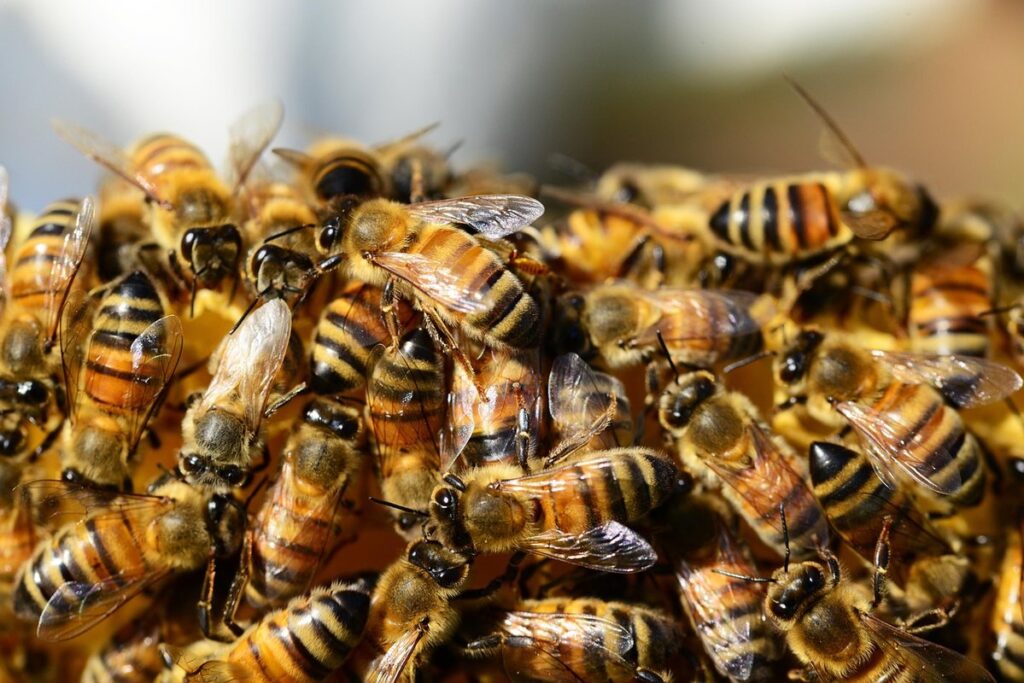
Understanding Stinging Bees and Their Habitat
To coexist peacefully with stinging bees, it’s essential to understand their habitat and behavior. We’ll delve into the types of plants they prefer and how their nesting habits impact garden spaces.
What Attracts Stinging Bees to Your Garden
When stinging bees are attracted to your garden, it’s often due to a combination of factors that make their environment inviting. One of the primary draws is the variety and abundance of flowers, particularly those with nectar-rich blooms like sunflowers, zinnias, and lavender. These flowers provide an essential source of food for stinging bees, fueling their activities throughout the day.
Soil quality also plays a crucial role in attracting stinging bees. Gardens with rich, well-drained soil tend to support a diverse range of pollinator-friendly plants, which in turn attract these beneficial insects. Avoid using pesticides or herbicides, as they can harm stinging bees and other pollinators. Nearby water sources are another key factor; stinging bees need access to clean drinking water for their survival.
Keep your garden’s soil moist but not waterlogged by installing a drip irrigation system or soaker hose. This will help maintain the right balance of moisture, making it more appealing to stinging bees and other beneficial insects.
Identifying Common Species of Stinging Bees Found in Gardens
When gardening, it’s essential to recognize common species of stinging bees that inhabit your outdoor space. The most prevalent stinging bee species found in gardens are:
* Honey Bees (Apis mellifera): These bees have a golden-brown color with a fuzzy appearance and can grow up to 1.2 inches in length. They are social bees, typically living in colonies, and are known for their distinctive waggle dance when communicating the location of food sources.
* Carpenter Bees (Xylocopa virginica): Recognizable by their shiny black bodies with yellow or white markings on their thorax, these bees can grow up to 1.5 inches long. Unlike honey bees, carpenter bees are solitary and do not live in colonies; they are also known for drilling holes into wood to create nesting sites.
* Bumble Bees (Bombus spp.): These bees have a distinctive rounded abdomen with a furry appearance, often varying in color depending on the species. They typically grow between 1-2 inches long.
When interacting with these stinging bee species, remember that most are non-aggressive and will only sting when threatened or provoked. Keep your distance from any bee nesting sites, as disrupting their habitats can lead to aggressive behavior.
Recognizing Signs of Agitation or Defense Behavior in Stinging Bees
When interacting with stinging bees, it’s essential to recognize the subtle signs that can indicate they’re feeling threatened or agitated, helping you avoid a painful sting. Keep an eye out for these telltale behaviors in your garden.
Visual Cues: Body Language and Posture of Threatened Bees
When you notice a stinging bee becoming agitated, its body language and posture can change, making it clear that it’s preparing to defend itself. One of the most obvious visual cues is a raised abdomen. Bees will often tense their bodies, causing their abdomens to puff out, which can appear as a dark spot or band at the rear end of the bee.
Another indicator of agitation is aggressive flying patterns. Threatened bees may fly erratically, making sharp turns and sudden changes in direction. They might even appear to be “dancing” around an area, which can be a sign that they’re feeling threatened.
To identify these visual cues, look for a combination of raised abdomens and unusual flying behavior. When you notice either one, it’s essential to give the bee plenty of space. Avoid approaching or disturbing it further, as this can escalate the situation and lead to a painful sting. If you see multiple bees displaying similar behaviors around an area, it’s likely that they’re feeling threatened by something specific, such as a predator or a perceived threat.
In these situations, it’s crucial to carefully assess the environment and remove any potential threats or triggers. By recognizing these visual cues and taking steps to give stinging bees space, you can minimize the risk of being stung and coexist peacefully in your garden.
Auditory Cues: Sounds Made by Threatened Bees
When stinging bees feel threatened, they often communicate their agitation through distinct auditory cues. One of the most recognizable sounds is a change in buzzing frequency and loudness level. Threatened honeybees (Apis mellifera) typically increase their buzz rate to around 200-250 Hz, while other species like carpenter bees (Xylocopa spp.) may reach frequencies as high as 500 Hz.
The loudness of the buzzing can also be a key indicator of agitation. A study found that bees under stress produce sounds at levels up to 110 decibels (dB), comparable to the sound of a lawnmower or rock concert. For comparison, normal conversation is around 60 dB. When you hear an unusually loud buzzing, it’s essential to exercise caution.
To recognize and respond to auditory cues, pay attention to changes in pitch, volume, or pattern. If you notice bees suddenly increasing their buzz rate or producing a high-pitched whine, calmly back away from the area. Avoid direct eye contact or sudden movements, as these can further provoke the bee.
Preventing Encounters with Stinging Bees in Your Garden
When it comes to stinging bees, prevention is key. This section will share practical tips on how to minimize encounters and create a bee-friendly garden that’s safe for you and your family.
Plant Selection and Arrangement for Reduced Bee Activity
When it comes to reducing encounters with stinging bees in your garden, selecting and arranging plants wisely is crucial. Some plant species are more likely to attract stinging bees than others. While it’s not possible to completely eliminate bee activity, choosing the right plants can minimize their presence.
Avoid planting lavender, rosemary, and oregano, as these herbs are notorious for attracting stinging bees. Instead, opt for low-maintenance alternatives like bee-friendly flowers such as sunflowers, zinnias, or marigolds. These blooms provide a source of nectar without drawing in aggressive bees.
If you already have plants that attract stinging bees, consider relocating them to a separate area of your garden during peak bee activity hours (usually between 10 am and 4 pm). This will give you some space to enjoy your garden without the risk of encounters. Remember to also avoid pruning or watering plants during these times when bees are most active.
Keep in mind that even with these precautions, it’s essential to be aware of your surroundings and respect the presence of stinging bees. If you notice increased activity around certain plants, consider removing them altogether for a more bee-free garden experience.
Garden Maintenance Practices for Minimizing Bee-Related Hazards
Regular mowing schedules can play a significant role in minimizing bee-related hazards. When lawns are left unmaintained for an extended period, they become ideal habitats for solitary bees and wasps to nest and lay eggs. To avoid attracting these stinging insects, it’s essential to maintain your lawn at the recommended height for your specific climate and grass type.
Pruning techniques also require attention when aiming to reduce bee-related hazards. When pruning shrubs or trees, it’s crucial to remove only dead or diseased branches, as live ones often serve as a food source for bees and other pollinators. Avoid over-pruning, which can stress plants and make them more susceptible to pest infestations.
Leaf litter management is another critical aspect of garden maintenance that affects bee activity. Regularly clearing away fallen leaves creates an environment less conducive to stinging insects, as they rely on these leaves for shelter and food. By adopting a regular leaf litter management routine, you can significantly reduce the presence of bees in your garden.
What to Do If You Encounter a Stinging Bee in Your Garden
If you encounter a stinging bee in your garden, there are steps you can take to safely remove it and prevent future encounters. We’ll walk you through what to do in this situation.
Emergency Response Plan: First Aid and Evacuation Procedures
If you do happen to get stung by a bee while tending to your garden, it’s essential to act quickly and calmly. The first step is to remove the stinger from your skin as soon as possible. Use your fingernail or a credit card to gently scrape out the stinger without squeezing the venom sac attached to it. This will prevent more venom from being released.
Next, wash the affected area with soap and water to clean it. Apply a cold compress or an ice pack wrapped in a cloth to reduce swelling and ease pain. Over-the-counter antihistamines like Benadryl can help alleviate itching and discomfort. However, if you experience difficulty breathing, rapid heartbeat, or dizziness after a bee sting, seek medical attention immediately.
In the event of multiple stings or severe reactions, it’s crucial to evacuate the area quickly to prevent further exposure. Alert others in your household or nearby to be cautious when approaching the garden until the bees have dispersed. If you need to flee the scene, stay calm and slowly make your way back to a safe location without panicking.
Post-Incident Precautions: Disinfecting and Monitoring for Allergic Reactions
If you’ve been stung by a bee, it’s essential to take immediate action to prevent further irritation and potential allergic reactions. The first step is to disinfect the affected area. Wash the sting with soap and water, then apply an antiseptic cream or spray to reduce the risk of infection.
Next, monitor the sting for signs of an allergic reaction. Common symptoms include hives, itching, swelling, nausea, vomiting, and difficulty breathing. If you experience any of these symptoms, especially if they’re severe or spreading rapidly, seek medical attention immediately.
If you have a history of allergies or take medications that affect your immune system, be extra cautious and consult a doctor even for minor stings. For most people, however, bee stings will heal on their own within a few days. To speed up the process, apply a cold compress to reduce swelling, and consider taking an antihistamine like Benadryl to alleviate itching and discomfort.
Remember, it’s always better to err on the side of caution when dealing with allergic reactions. If in doubt, don’t hesitate to contact emergency services or seek advice from a healthcare professional.
Preventative Measures for Long-Term Bee-Free Gardening
To avoid unwanted buzzing visitors, we’ll cover the essential steps to create a bee-free garden that minimizes the risk of stings and allows you to enjoy your outdoor space without stress.
Integrated Pest Management (IPM) Strategies for Reducing Stinging Bee Presence
When it comes to reducing stinging bee presence in your garden, Integrated Pest Management (IPM) strategies are a crucial aspect of preventative measures. IPM involves a holistic approach that incorporates various techniques to minimize pest activity while maintaining ecosystem balance.
One key component of IPM is crop rotation. By rotating crops seasonally or annually, you can break the life cycle of stinging bees and prevent them from developing resistance to other management methods. For example, if you plant sunflowers in one area, move to a different location for vegetables like tomatoes or cucumbers, which are less attractive to stinging bees.
Biological control methods, such as introducing natural predators or parasites of stinging bees, can also be effective. For instance, certain species of wasps and flies prey on stinging bee larvae, reducing their population. Habitat modification is another essential aspect of IPM, where you create a bee-friendly environment by incorporating plants that don’t attract stinging bees.
To implement these strategies effectively, monitor your garden regularly to identify areas with high stinging bee activity. Then, adjust your crop rotation plan and introduce biological control methods as needed. By combining these techniques, you can reduce the presence of stinging bees in your garden and create a more balanced ecosystem.
Creating a Bee-Friendly Garden: Design Considerations and Alternatives to Stinging Bees
When creating a bee-friendly garden, it’s essential to consider design elements that attract non-stinging bees and separate areas for pollinators. One way to achieve this is by selecting plants that specifically attract solitary bees, such as mason bees or leafcutter bees. These species are less aggressive than honeybees and sting only in defense of their nests.
Consider dedicating a specific area of your garden to these non-stinging pollinators. This can be done by creating a “bee hotel” using natural materials like bamboo tubes, hollow reeds, or even an old log. Solitary bees are attracted to dark, narrow spaces for nesting, making this the perfect spot.
Another approach is to separate areas of your garden specifically for honeybees and other stinging species. This can be done by creating a designated “bee zone” with plants that are attractive to these bees, such as sunflowers or lavender. By separating areas, you minimize the likelihood of encounters between humans and stinging bees.
Remember, when selecting plants, focus on varieties that offer nectar and pollen for non-stinging species during the spring and summer months. This will encourage these beneficial pollinators to visit your garden without the risk of stings.
Conclusion and Final Thoughts on Stinging Bee Safety in Gardens
Now that we’ve explored bee-friendly gardening practices, it’s time to wrap up our discussion with a few final thoughts on how to enjoy your garden while coexisting with these stinging visitors.
Recap of Key Takeaways and Recommendations for Safe Gardening Practices
As we come to the end of our exploration of stinging bees in gardens, it’s essential to recap the key takeaways and provide recommendations for safe gardening practices. By following these guidelines, you can minimize encounters with stinging bees and create a harmonious coexistence between humans and these vital pollinators.
First and foremost, it’s crucial to understand that stinging bees are generally non-aggressive creatures unless provoked or threatened. They’re primarily interested in collecting nectar and pollen for their colonies, so respect their space by not disturbing them while they work. This means avoiding sudden movements, loud noises, and strong scents that might disrupt their activities.
Another critical aspect of safe gardening is being aware of the types of plants that attract stinging bees to your garden. While it’s tempting to plant bee-friendly flowers, some species are more likely to draw stinging bees than others. Research local flora to determine which plants are most attractive to these insects and incorporate them thoughtfully into your garden design.
Practical advice for minimizing stings includes avoiding peak activity periods (usually late morning to early afternoon), wearing protective clothing, and being cautious around flowers with long tubes or clusters of tiny blooms. If you do encounter a stinging bee, remain calm and slowly back away without sudden movements, allowing the bee to return to its colony unharmed.
Finally, remember that most stings are minor and won’t require medical attention. However, if you experience severe reactions or difficulty breathing, seek assistance immediately. By embracing responsible gardening practices and being mindful of your surroundings, you can enjoy the beauty of your garden while coexisting peacefully with these incredible pollinators.
Frequently Asked Questions
Can I still have a bee-friendly garden if I’m allergic to stinging bees?
Yes, it’s possible to create a bee-friendly garden even with allergies. Focus on planting nectar-rich flowers that attract beneficial pollinators like honeybees and butterflies, which are generally not aggressive. Consider consulting with an allergist or healthcare professional for guidance on managing allergy symptoms in the presence of stinging bees.
What if I encounter multiple stinging bees at once? How do I safely respond?
When encountering multiple stinging bees, remain calm and slowly back away from the area without sudden movements. If possible, seek shelter in a nearby building or vehicle. If an emergency response is required, follow your established plan for first aid and evacuation procedures.
Can I use repellents or sprays to deter stinging bees from my garden?
While some repellents or sprays may help discourage stinging bees, their effectiveness varies depending on the specific product and circumstances. Consider using integrated pest management (IPM) strategies that combine physical barriers, plant selection, and maintenance practices to minimize bee-related hazards.
What if I accidentally disturb a stinging bee nest while gardening? How can I safely remove it?
If you inadvertently disrupt a stinging bee nest, carefully observe the area for signs of agitation or defense behavior. If necessary, consult with an expert or local pest control service for guidance on safely relocating or removing the nest.
Are there any specific plants that I should avoid planting in my garden to reduce stinging bee encounters?
While no single plant completely eliminates stinging bee presence, some species like fruit trees, certain varieties of lavender, and sunflowers are less likely to attract aggressive stinging bees. Consider selecting these alternatives or exploring other bee-friendly options for your garden.