
If you’re like many backyard chicken keepers, you’re always on the lookout for ways to give your flock a nutritious boost. One ingredient that might have caught your eye is red peppers – but can chickens eat them safely? Not only are red peppers a tasty and crunchy treat for humans, but they’re also packed with vitamins A and C, potassium, and antioxidants.
However, before you start sprinkling red pepper flakes into your chickens’ feed or adding sliced peppers to their salad bar, it’s essential to consider the potential risks and benefits. This article will explore the nutritional value of red peppers for chickens, as well as possible allergies and sensitivities to watch out for. We’ll also share some practical tips on how to safely introduce red peppers into your flock’s diet. Whether you’re a seasoned chicken owner or just starting out, this guide is here to help you make informed decisions about feeding your feathered friends.
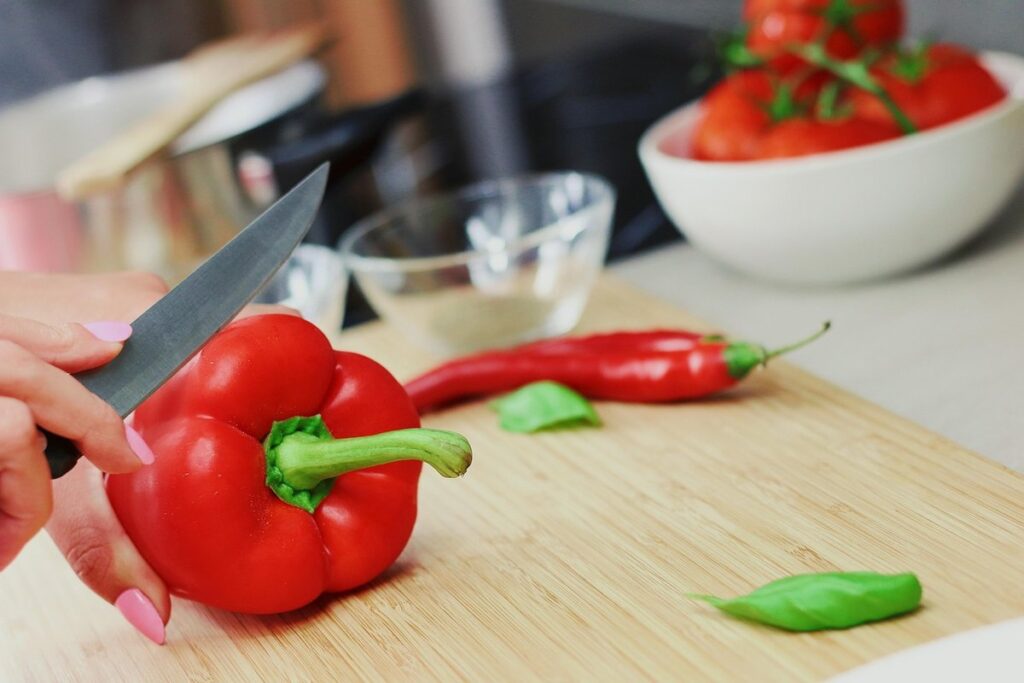
What are Red Peppers and Are They Safe for Chickens?
If you’re considering adding red peppers to your flock’s diet, let’s start by understanding what these colorful vegetables are and whether they’re safe for chickens.
Nutritional Value of Red Peppers for Chickens
Red peppers are an excellent addition to your chicken’s diet, providing a wealth of nutritional benefits that can enhance their overall health and well-being. One of the key advantages of red peppers is their high vitamin content. They are rich in vitamins A and C, as well as B6 and potassium, making them an ideal snack for chickens looking to boost their immune system.
In particular, the antioxidant properties of red peppers have been shown to protect against cell damage and inflammation in chickens. This can lead to a reduced risk of chronic diseases such as cancer and heart disease, which are becoming increasingly prevalent in backyard flocks.
To incorporate red peppers into your chicken’s diet, simply chop them up and add them to their feed or mix with other treats like fruits and vegetables. Start by introducing small amounts to prevent digestive upset, then gradually increase the serving size based on individual tolerance. A good rule of thumb is to limit daily intake to about 1-2 teaspoons per pound of body weight.
Potential Risks and Allergies to Red Peppers in Chickens
While red peppers can be a nutritious and tasty addition to your flock’s diet, it’s essential to be aware of the potential risks associated with feeding them to chickens. Some breeds may exhibit allergic reactions or digestive issues when consuming red peppers.
Chickens that are prone to respiratory problems, such as asthma or chronic bronchitis, may experience exacerbated symptoms after ingesting red peppers. The capsaicin present in these vegetables can irritate the lungs and airways of sensitive birds.
Additionally, some chickens may develop gastrointestinal upset, including diarrhea or vomiting, due to an inability to properly digest the capsaicin. This is often seen in young or older hens with compromised digestive systems.
If you decide to introduce red peppers into your flock’s diet, start by offering small amounts (about 1-2% of their total daily feed) and monitor your birds’ behavior closely for any adverse reactions. Watch for signs such as labored breathing, lethargy, or digestive issues. If you notice any of these symptoms, discontinue feeding red peppers immediately and consult with a veterinarian for guidance on how to proceed.
Can Chickens Digest Red Peppers?
Now that we’ve established that chickens can eat red peppers, let’s dive deeper into their digestive system and see how these spicy veggies affect them.
The Importance of pH Levels in Chicken Digestion
When it comes to understanding whether chickens can digest red peppers, we need to look beyond the peppers themselves and examine the intricacies of chicken digestion. Specifically, pH levels play a crucial role in this process.
You see, chickens have a unique digestive system that’s specifically adapted to break down plant-based foods like grains, fruits, and veggies. However, their digestive system works best within a certain pH range – typically between 4.0 and 6.5. This acidic environment helps to activate enzymes that facilitate the breakdown of nutrients.
Red peppers, with their high water content and slightly alkaline nature (pH around 7-8), can disrupt this delicate balance. If chickens consume large amounts or eat them frequently, it may lead to digestive issues like gassiness, bloating, or even organ damage in severe cases. To safely incorporate red peppers into your flock’s diet, consider the following: limit serving sizes, provide plenty of fresh water for hydration, and rotate pepper intake with other acidic-rich foods to maintain a balanced pH level.
This attention to detail will help you create a harmonious relationship between your chickens’ digestive system and their love for spicy treats!
How Red Peppers Affect Gut Health in Chickens
When red peppers are introduced to a chicken’s diet, they can have a significant impact on their gut health. On one hand, red peppers contain high amounts of antioxidants and fiber, which can help support the growth of beneficial bacteria in a chicken’s digestive system. This can lead to improved nutrient absorption, boosted immunity, and even enhanced egg yolk quality.
On the other hand, some chickens may experience an initial spike in gut pH levels due to the capsaicin content found in red peppers. If not managed properly, this increase in acidity can disrupt the balance of gut bacteria, potentially leading to digestive issues or even infections. To mitigate these risks, it’s essential to introduce red peppers gradually and in moderation. A good rule of thumb is to start with small amounts (about 1-2% of their daily diet) and monitor your chicken’s response closely.
By striking the right balance and allowing your chickens time to adapt, you can harness the potential benefits of red peppers while minimizing any negative effects on their gut health.
Feeding Red Peppers to Chickens: Tips and Precautions
When it comes to sharing your snacks with your flock, red peppers can be a tasty addition, but there are some essential tips to keep in mind before feeding them. Let’s dive into the details of safely offering red peppers to your chickens.
Introducing Red Peppers into Your Chicken’s Diet
When introducing red peppers into your chicken’s diet, it’s essential to do so gradually and in moderation. Start by mixing finely chopped red peppers with their regular feed for a few days, observing their behavior and digestive system for any signs of discomfort.
A general rule of thumb is to introduce new vegetables like red peppers in small amounts (about 10-15% of their daily diet) and gradually increase the proportion over time. This allows your chickens’ gut microbiome to adjust and reduces the risk of adverse reactions.
For example, if you’re feeding a flock of five hens, start by mixing 1/4 cup of chopped red peppers with their regular feed for a few days before increasing it to 1/2 cup or more as needed. Monitor your chickens’ droppings, energy levels, and egg production to ensure the introduction is well-tolerated.
As always, prioritize fresh water and a balanced diet when introducing new foods. Also, keep in mind that some chickens may have individual sensitivities, so be prepared to adjust accordingly.
Quantity and Frequency of Red Pepper Consumption in Chickens
When it comes to feeding red peppers to chickens, understanding the quantity and frequency is crucial. As a general rule, you can feed red peppers to your flock as an occasional treat, but not as a staple in their diet.
The recommended amount of red pepper consumption varies depending on the size and breed of your chicken. A good starting point is to offer about 1-2 teaspoons of chopped or sliced red pepper per pound of body weight per day. For example, if you have a small bantam hen weighing around 1 pound, she could safely eat up to 2 teaspoons of red pepper daily.
As for frequency, it’s best to limit red pepper feeding to no more than 2-3 times a week. This allows your chickens to enjoy the benefits without overdoing it and causing potential digestive issues. Also, be sure to introduce red peppers gradually into their diet to prevent any adverse reactions. Start with small amounts (about 1/4 teaspoon) and monitor your flock’s behavior for any signs of discomfort or stress.
Remember that individual tolerance may vary, so always keep a close eye on your chickens’ consumption and adjust accordingly.
Benefits of Red Peppers for Chickens: Egg Production, Health, and More
Adding red peppers to your chicken’s diet can have a significant impact on their overall health and productivity. Let’s explore some of the key benefits you can expect.
The Impact of Red Peppers on Chicken Egg Production
When it comes to red peppers and their impact on chicken egg production, there’s been some intriguing research worth exploring. Studies have shown that incorporating red peppers into a flock’s diet can have a positive correlation with increased egg production.
One key finding is that red peppers are rich in antioxidants, which help reduce oxidative stress and inflammation within the hen’s body. This can lead to improved overall health and, subsequently, enhanced reproductive performance. In fact, one study found that hens fed a diet supplemented with red peppers produced 10% more eggs per week compared to those without access to this nutrient.
Another benefit is the potential for improved calcium absorption in hens consuming red peppers. As we know, calcium is essential for strong eggshell production, and research suggests that the unique bioactive compounds present in red peppers may enhance the body’s ability to absorb this critical mineral.
To incorporate red peppers into your flock’s diet, start by adding small amounts (about 1-2% of their total feed) and monitor their response. You can also try mixing finely chopped red peppers with other fruits or vegetables to create a flavorful and nutritious treat for your hens.
Red Pepper’s Role in Supporting a Healthy Immune System in Chickens
As we’ve discussed the role of red peppers in boosting egg production and overall health in chickens, let’s dive deeper into their impact on the immune system. Red peppers are packed with antioxidants like vitamin C and beta-carotene, which play a crucial role in supporting a healthy immune system.
These compounds work by neutralizing free radicals that can cause oxidative stress and inflammation within the body. This is especially important for chickens, as they’re constantly exposed to environmental stressors and pathogens that can compromise their immune function. By consuming red peppers, you can help your flock’s immune system function more efficiently.
One of the key ways red peppers support immune health is by stimulating the production of white blood cells, which are responsible for fighting off infections. Additionally, the antioxidants in red peppers help to reduce inflammation and promote healing within the body. To incorporate red peppers into your flock’s diet, simply chop them up and add them to their meals or sprinkle them on top as a treat.
By making this simple addition to their feed, you can give your chickens an extra boost of immune support, helping them stay healthy and thriving all year round.
Can You Grow Your Own Red Peppers for Chicken Feed?
If you’re interested in supplementing your flock’s diet with homegrown red peppers, growing them yourself is definitely a possibility. In this section, we’ll explore how to do just that.
The Benefits of Growing Your Own Red Peppers
Growing your own red peppers for chicken feed can be a cost-effective and rewarding experience. One of the primary benefits is that you have complete control over the quality of the produce. When purchasing from stores, there’s always a risk of contamination or exposure to pesticides, which is not ideal for feeding your chickens.
By growing your own red peppers, you can ensure that they are free from any unwanted additives and are grown using sustainable practices. This means you can provide your birds with a nutritious and safe food source without breaking the bank.
Growing red peppers also allows you to harvest them at the peak of ripeness, which is essential for optimal nutritional value. Freshly picked red peppers have higher levels of vitamins A and C compared to store-bought ones that may be several days old.
To get started with growing your own red peppers, choose a sunny spot in your garden and plant seeds or seedlings in well-draining soil. With minimal maintenance and care, you can enjoy an abundance of crunchy, juicy red peppers for your chickens all year round.
Tips for Growing Red Peppers Specifically for Chickens
If you’re determined to grow red peppers specifically for your chickens’ feed, here are some essential tips to keep in mind. First and foremost, choose a variety of pepper that’s high in water content and has a sweet flavor profile, as these will be more appealing to your flock.
When planting, ensure the soil is well-draining and rich in organic matter, which will promote healthy growth. Red peppers require full sun, so select a spot that receives at least six hours of direct sunlight daily. Keep the plants consistently watered but not overwatered, as this can lead to fungal diseases.
To encourage maximum fruiting, provide your pepper plants with a trellis or cage for support. This will also help keep the peppers off the ground and reduce waste. Once the peppers are mature and ready to harvest, carefully pick them by hand to avoid damaging the plant.
By following these tips, you should be able to grow healthy and flavorful red peppers that your chickens will love munching on. Just remember to provide a balanced diet for your flock as well, incorporating other nutrient-rich foods alongside their favorite red peppers.
Conclusion: Making an Informed Decision about Feeding Red Peppers to Chickens
Now that you’ve weighed the pros and cons, it’s time to make a final decision on whether feeding red peppers to your chickens is right for you and your flock. Let’s summarize what we’ve learned so far.
Recap of Key Points and Considerations
When deciding whether to feed red peppers to your chickens, it’s essential to keep in mind the key points we’ve discussed. On one hand, red peppers can be a nutritious and healthy addition to your flock’s diet, providing vitamins A and C, as well as antioxidants that promote overall health. They also contain capsaicin, which has antimicrobial properties that can help prevent disease.
However, there are some considerations to keep in mind. Red peppers are relatively high in water content, which can lead to digestive issues if fed in excess. Additionally, some chickens may be sensitive to the capsaicin in red peppers, leading to discomfort or even diarrhea. To feed red peppers safely and effectively, make sure to introduce them gradually into your flock’s diet, starting with small amounts to monitor their response.
In terms of practical advice, consider the following: only offer red peppers as an occasional treat, rather than a regular part of their diet. Choose ripe, organic peppers whenever possible, and always remove seeds and membranes which can be difficult for chickens to digest.
Final Thoughts and Recommendations for Chicken Owners
In conclusion, as you’ve navigated through the complexities of feeding red peppers to chickens, it’s essential to take a step back and consider the bigger picture. If you’re a chicken owner looking for a nutritious and budget-friendly way to supplement their diet, incorporating small amounts of chopped red peppers can be a great option.
However, remember that moderation is key. Too much of any single food item can cause an imbalance in your flock’s diet. As with introducing any new food, start with small quantities (about 1-2% of their daily intake) and monitor your chickens’ behavior and stool quality closely. You may also want to consider combining red peppers with other nutrient-rich foods, such as leafy greens or sweet potatoes.
As you continue to experiment with different ingredients, keep a detailed record of what works best for your flock. This will not only help you refine their diet but also provide valuable insights for fellow chicken enthusiasts. With patience and observation, you’ll be able to create a customized feeding plan that supports the health and well-being of your beloved chickens.
Frequently Asked Questions (FAQs) about Feeding Red Peppers to Chickens
If you’re thinking of sharing red peppers with your flock, we’ve got answers to some common questions you may have about feeding them safely. Check out these frequently asked questions for peace of mind!
Common Misconceptions and Debunking Myths
When it comes to feeding red peppers to chickens, there are several common misconceptions and myths that have been circulating. Let’s debunk some of these myths to ensure you’re providing the best possible nutrition for your feathered friends.
One of the most prevalent myths is that red peppers are toxic to chickens. This couldn’t be further from the truth! In moderation, red peppers are a nutritious addition to your chicken’s diet, rich in vitamins A and C, as well as antioxidants like beta-carotene. However, it’s essential to note that excessive consumption can lead to stomach upset or even gout-like symptoms due to the high sugar content.
Another misconception is that chickens won’t be able to digest the seeds of red peppers. While it’s true that some birds may struggle with seed consumption, many breeds have no issue breaking down pepper seeds. In fact, some chicken owners swear by adding a small amount of red pepper seeds to their flock’s feed for added health benefits.
Some people also believe that feeding red peppers can lead to feather pecking or other abnormal behaviors in chickens. However, this is not supported by scientific evidence. It’s essential to remember that each bird is unique, and individual personalities play a significant role in determining behavior. A balanced diet, proper enrichment, and adequate socialization are far more influential factors than the inclusion of red peppers.
It’s also worth noting that some breeders claim red peppers can “heat up” your chicken’s eggs or meat. This myth stems from the fact that capsaicin, a compound found in chili peppers, can transfer to eggs through the laying process. However, this effect is minimal and not significant enough to have a noticeable impact on egg quality.
Ultimately, incorporating small amounts of red peppers into your flock’s diet can be beneficial when done correctly. Be sure to introduce them gradually, monitor your birds’ reactions, and balance with other nutrient-dense foods.
Frequently Asked Questions
Can I feed my chickens red peppers if they have respiratory issues?
Yes, it’s still possible to introduce red peppers into your flock’s diet if they have respiratory issues. However, consider the individual chicken’s health and adjust the quantity and frequency of red pepper consumption accordingly. Monitor their behavior and watch for any signs of discomfort or exacerbation of symptoms.
How do I ensure my chickens are digesting red peppers properly?
To ensure proper digestion, make sure to provide a balanced diet that includes a mix of vegetables, fruits, and grains. Red peppers can be given as a treat in moderation, but it’s essential to maintain the flock’s normal feeding routine. Monitor your chickens’ droppings for any signs of digestive issues.
Can I grow my own red peppers specifically for my chickens?
Yes, growing your own red peppers is a great idea! Choose a variety that is disease-resistant and suitable for your climate. Plant multiple pepper plants to ensure a continuous supply, and harvest the peppers when they’re ripe and ready to use. Consider using organic gardening practices to avoid any potential harm to your flock.
Are there any specific health benefits of red peppers for egg-laying hens?
Yes, red peppers are an excellent addition to the diet of egg-laying hens! The high vitamin content in red peppers can help support a healthy immune system and improve overall reproductive function. This can lead to increased egg production and better overall health.
Can I mix red pepper flakes with my chickens’ regular feed?
No, it’s not recommended to mix red pepper flakes directly into your flock’s regular feed. Instead, add sliced or chopped fresh peppers as an occasional treat in moderation. This will allow you to monitor their tolerance and reaction to the new food source.