
As a chicken owner, you’re likely always on the lookout for ways to give your feathered friends the best possible diet. And let’s be honest, who can blame them? Tomatoes are a staple in many human diets, and it’s only natural to wonder if they’re safe for our birds to eat too. But before you start dropping cherry tomatoes into their feeders, there are some things you should know about the benefits and risks of feeding tomatoes to chickens. Not only do tomatoes offer a boost of essential nutrients like vitamin C and potassium, but they can also be a tasty treat in moderation. However, as with anything new, it’s crucial to consider potential health concerns and best practices for safe consumption. In this article, we’ll delve into the world of can chickens eat tomatoes, exploring both the pros and cons to help you make informed decisions about your flock’s diet.
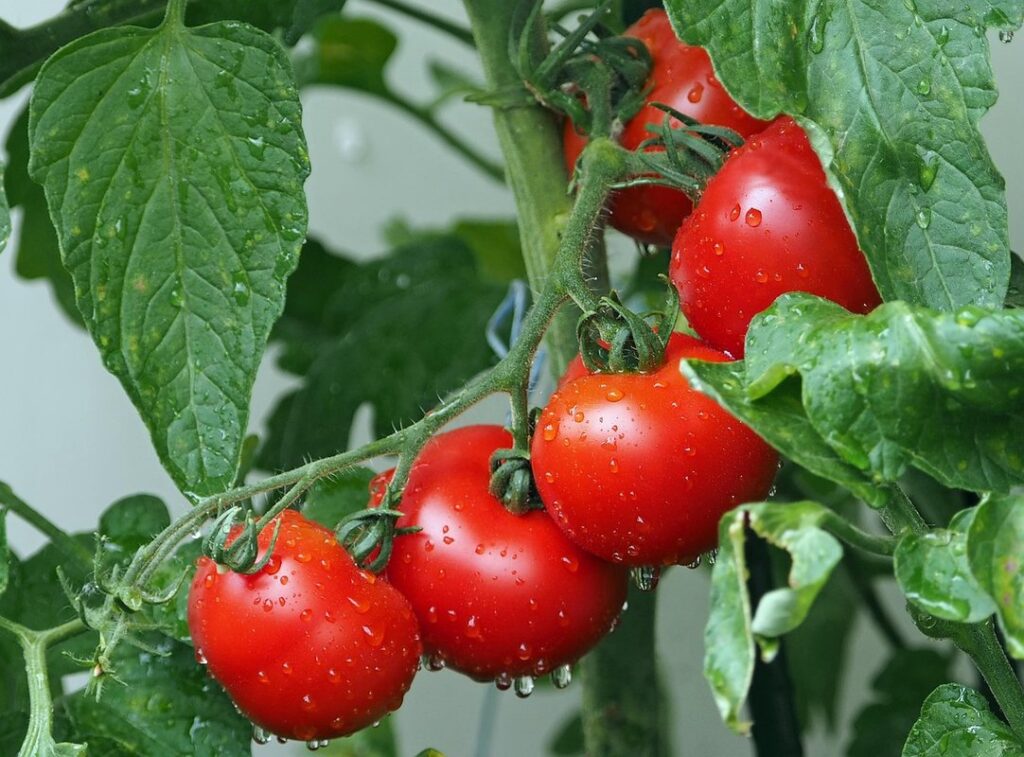
The Benefits and Risks of Feeding Tomatoes to Chickens
Feeding tomatoes to your flock can be a nutritious addition, but it’s essential to weigh the benefits against potential health risks. Let’s dive into what you need to know.
Nutritional Value of Tomatoes for Chickens
Tomatoes are an excellent addition to a chicken’s diet due to their impressive nutritional profile. One of the standout benefits is their high water content, making them a great source of hydration for your flock. A single medium-sized tomato can provide up to 95% of a chicken’s daily water needs. This is especially beneficial during hot summer months or when your chickens are engaged in strenuous activities.
Tomatoes are also rich in vitamin C, which plays a crucial role in immune function and overall health. Vitamin C helps to protect against diseases, promotes healthy skin, and supports the growth and repair of tissues. A 100-gram serving of tomato provides about 28 milligrams of vitamin C, making them an excellent natural source.
Lycopene, another key nutrient found in tomatoes, has been shown to have antioxidant properties that can help prevent cell damage and reduce inflammation. This is particularly beneficial for chickens as they age, helping to keep their joints and skin healthy.
To incorporate tomatoes into your chicken’s diet, simply chop or crush them and mix with their regular feed. You can also add fresh tomato slices to their coop or run for a fun and easy treat. A balanced and varied diet that includes tomatoes can have a significant impact on the overall health and well-being of your flock.
Potential Risks of Overfeeding Tomatoes
While tomatoes can be a nutritious and tasty treat for chickens, overfeeding them can lead to some serious issues. One of the main concerns is an imbalanced diet. Tomatoes are high in water content and acidity, which can throw off the delicate balance of electrolytes and nutrients in your chicken’s body. This can cause problems with their digestion, leading to diarrhea, vomiting, and even kidney damage if left unchecked.
Another potential risk of overfeeding tomatoes is the impact on calcium intake. While tomatoes do contain some calcium, they also have a high water content that can dilute the absorption of this essential mineral. If your chickens are relying too heavily on tomatoes for their calcium needs, it can lead to weakened bones and eggshell production issues down the line.
To avoid these risks, make sure to only offer tomatoes as an occasional treat, not a regular part of their diet. Stick to the recommended guidelines of 1-2 tomatoes per week per chicken, and choose ripe, juicy fruits that are free from any signs of spoilage or mold.
The Science Behind Chickens Eating Tomatoes
Let’s dive into the fascinating world of poultry nutrition and explore why chickens might be attracted to tomatoes, and what it means for their health. We’ll examine the science behind this curious behavior.
Tomato Composition and Digestibility
Tomatoes are a nutrient-rich food that can be a great treat for chickens when fed in moderation. A medium-sized tomato contains about 22 calories, with most of those coming from carbohydrates. Tomatoes are also a good source of fiber, containing both soluble and insoluble types.
The protein content of tomatoes is relatively low, making up only about 1 gram per medium-sized fruit. However, the essential amino acids present in tomatoes can still contribute to overall nutrition when combined with other food sources.
Fats make up less than 1% of a tomato’s composition, but they are rich in heart-healthy monounsaturated and polyunsaturated fatty acids. Enzymes like amylase and pectinase play key roles in breaking down the complex carbohydrates found in tomatoes. These enzymes help chickens digest the cell walls of plant-based foods, making essential nutrients more accessible.
When feeding tomatoes to your flock, be sure to chop them up into smaller pieces to aid digestion. This is especially important for younger or health-compromised birds that may struggle with eating whole fruits.
How Tomatoes Affect a Chicken’s Gut Health
When it comes to tomatoes and gut health, the relationship is more complex than you might think. Beneficial bacteria play a crucial role in maintaining a healthy gut microbiome, but tomatoes can have both positive and negative effects on this delicate balance.
Research suggests that the polyphenols present in tomatoes can act as prebiotics, feeding beneficial bacteria like Lactobacillus and Bifidobacterium, which are essential for optimal digestion. These compounds can also help regulate gut pH levels by inhibiting the growth of harmful pathogens. However, excessive consumption of tomatoes may disrupt this balance due to their high water content, potentially leading to an overgrowth of certain bacteria.
To ensure your flock benefits from tomatoes without compromising their gut health, it’s essential to introduce them in moderation as part of a balanced diet. A general rule of thumb is to provide 1-2 tomatoes per bird per week. You can also consider incorporating tomato-based supplements or adding a small amount of tomato powder to their feed to reap the benefits while minimizing potential drawbacks. Always monitor your flock’s response and adjust accordingly to maintain optimal gut health.
Feeding Tomatoes to Chickens: Best Practices
If you’re considering feeding tomatoes to your flock, it’s essential to know what types are safe and how to introduce them into their diet. This section will outline the best practices for incorporating tomatoes into your chickens’ meals.
Methods for Offering Tomatoes to Chickens
When offering tomatoes to your chickens, you have several methods to consider. Fresh tomatoes are an obvious choice and can be given as a treat or mixed into their regular feed. However, they must be ripe and free from green parts, which contain a toxic compound called solanine.
Another option is cooking the tomatoes, either by boiling or roasting them. This method breaks down some of the cell walls, making it easier for your chickens to digest the nutrients. Cooked tomatoes can also help make the fruit more palatable for picky eaters.
Juicing tomatoes is another way to offer them to your flock, but be cautious not to overdo it. Excessive juice consumption can lead to an imbalance of electrolytes in your chicken’s system. When juicing, use a fine-mesh strainer to remove seeds and excess pulp, which can cause digestive issues.
To ensure safe feeding practices, always wash the tomatoes thoroughly before offering them to your chickens. A general rule is to provide no more than 10% of their daily diet as treats, including tomatoes. Also, be aware that some breeds may have sensitivities or allergies to certain types of tomatoes, so monitor your flock’s reaction closely.
Recommended Daily Intake of Tomatoes
When it comes to feeding tomatoes to chickens, knowing their recommended daily intake is crucial. Factors like age, breed, and individual nutritional needs play a significant role in determining the right amount of tomatoes for your flock.
For young chicks, about 1-2% of their body weight in tomatoes per day is sufficient. This means if you have a chick that weighs 1 pound, they can safely eat up to 0.01-0.02 pounds of tomato per day. For adult chickens, the recommended intake is around 4-6% of their body weight in tomatoes per day.
However, individual nutritional needs must be taken into account. Some breeds, like Leghorns, are more prone to obesity and may require less tomato intake. On the other hand, some chickens with specific health conditions or nutritional deficiencies may benefit from a higher tomato consumption.
To determine your flock’s optimal tomato intake, consider monitoring their weight, egg production, and overall health. You can also consult with a veterinarian or poultry expert for personalized guidance.
Common Questions About Feeding Chickens Tomatoes
If you’re wondering if tomatoes are safe for your feathered friends to eat, and if they can be a healthy addition to their diet, we’ve got answers to these common questions. Keep reading for more on what to expect!
Can Baby Chicks Eat Tomatoes?
When it comes to feeding tomatoes to baby chicks, you’ll want to exercise some caution. While tomatoes are nutritious for chickens, they can be a choking hazard for young birds. Baby chicks typically begin eating solid foods around 18-21 days of age, and at this stage, their digestive system is still developing.
To introduce tomatoes into your baby chick’s diet safely, start by offering small amounts in moderation (about 1/4 teaspoon per chick) as part of a well-balanced starter feed. You can also try mixing finely chopped fresh tomatoes with the chick’s staple food to make mealtime more appealing.
However, it’s essential to avoid giving whole or large pieces of tomatoes, as they can easily get stuck in the chicks’ throats. Also, be aware that excessive tomato consumption may cause digestive issues due to their high water content and acidity levels.
As your baby chicks grow into pullets (young hens), you can gradually increase the amount of fresh tomatoes in their diet, but always maintain a balanced ratio between vegetables and grains.
Do Tomatoes Affect Egg Production or Quality?
When it comes to feeding tomatoes to chickens, one of the most common concerns is whether they affect egg production and quality. As a chicken owner, you want to ensure that your hens are laying healthy eggs while also providing them with nutritious food.
Research suggests that tomatoes can actually be beneficial for laying hens. The high water content in tomatoes helps keep hens hydrated, which is essential for maintaining their overall health and fertility. In addition, the antioxidants present in tomatoes may help reduce stress and inflammation in chickens, leading to healthier eggs.
In terms of egg quality, some studies have shown that tomato consumption can improve the color and texture of eggs. This is because tomatoes contain lycopene, an antioxidant that can increase the production of yolk pigments, resulting in a more vibrant orange-yellow color.
However, it’s essential to remember that moderation is key. Overconsumption of tomatoes can lead to an imbalance of certain nutrients in your hens’ diet, potentially affecting egg quality and quantity. A balanced diet that includes a variety of fruits and vegetables, along with their regular feed, will ensure that your chickens stay healthy and productive.
Health Concerns Associated with Feeding Tomatoes
While tomatoes are a nutritious treat for humans, feeding them to chickens can also pose some health risks that you should be aware of. Let’s examine these potential concerns together.
Potential Allergic Reactions
While rare, some chickens may be allergic to tomatoes, which can manifest in various symptoms. If you suspect an allergy, monitor your flock closely for signs such as excessive droppings, labored breathing, skin lesions, or lethargy after consuming tomato-based foods.
Symptoms of a tomato allergy in chickens can range from mild to severe. Mild cases may present with watery droppings, whereas more severe reactions can lead to full-blown anaphylaxis. If you notice any unusual behavior or symptoms, consult your veterinarian for guidance.
In the event of an allergic reaction, it’s essential to provide immediate care and treatment. Remove all tomato-based foods from your flock’s diet and administer a course of antibiotics if recommended by your veterinarian. In severe cases, anti-anaphylactic medications may be necessary.
To prevent potential allergies or reactions, introduce tomatoes gradually into your flock’s diet. Start with small amounts (about 1-2% of their total food intake) to gauge tolerance levels. Keep in mind that even healthy-looking chickens can develop an allergy over time, so vigilance is crucial.
Can Tomatoes Cause Intestinal Blockages?
Feeding whole or large pieces of tomato to chickens can indeed pose a risk to their health, particularly when it comes to intestinal blockages. The acidity and high water content in tomatoes make them difficult for chickens to digest, which can lead to an accumulation of undigested pulp and seeds in the intestines.
This is especially true if your chicken eats a large piece of tomato at one time, as it can swell up in their stomach and cause a blockage. According to some reports, feeding large amounts of tomatoes to chickens has resulted in serious health issues, including intestinal blockages that required surgical intervention.
To avoid this risk, it’s essential to chop or slice tomatoes into smaller pieces before serving them to your flock. This will allow the digestive system to break down the tomato more efficiently and reduce the likelihood of an intestinal blockage. Aim for small, manageable pieces that won’t cause a choke hazard in your chickens’ throats.
Remember to also introduce tomatoes gradually and in moderation as part of their balanced diet. A little caution and careful preparation can go a long way in keeping your chickens healthy and happy!
Conclusion: Making Informed Decisions About Feeding Chickens Tomatoes
In conclusion, it’s great that you’re taking the time to think carefully about feeding your chickens tomatoes. While they can be a nutritious treat in moderation, it’s essential to remember that too many tomatoes can cause an imbalance in their diet. To make informed decisions about feeding your flock, take note of how your chickens react to eating tomatoes – do they seem sluggish or lethargic after consumption? If so, it may be best to limit or avoid feeding them altogether. On the other hand, if you notice a marked improvement in egg production and overall health, then moderate tomato consumption might just be what they need. Keep an eye on your chickens’ individual needs and adjust their diet accordingly.
Frequently Asked Questions
What are the signs of tomato overfeeding in chickens?
Tomato overfeeding can lead to digestive issues, such as diarrhea or vomiting, in your flock. Be aware of these symptoms and adjust their diet accordingly. Limit the amount of tomatoes you offer, especially if they’re consuming a balanced commercial feed.
Can I give cooked tomatoes to my chickens instead of raw ones?
Yes, cooked tomatoes are still nutritious for chickens but may lose some water content during cooking. Cooking can also break down cell walls, making it easier for your birds to digest the nutrients.
How often should I offer fresh vegetables like tomatoes as a treat in my flock’s diet?
Vegetables like tomatoes should not make up more than 10% of your flock’s daily intake. Limit treats to once or twice a week and ensure their regular feed is well-balanced and nutrient-rich.
Can baby chicks eat raw tomato seeds and pulp, or are they toxic?
Baby chicks can safely consume small amounts of raw tomato seeds and pulp in moderation. However, avoid giving them excessive amounts, as this may lead to digestive issues.
How do I store tomatoes safely for my chickens to prevent spoilage and contamination?
Store fresh tomatoes in a cool, dry place, away from direct sunlight. Wash the tomatoes thoroughly before offering them to your flock to minimize the risk of bacterial contamination.
Can I grow cherry tomatoes specifically for my flock’s consumption?
Yes, growing cherry tomatoes is a great way to provide your birds with a consistent and nutrient-rich snack throughout the season. Consider companion planting with basil or mint to deter pests and enhance the flavor.