
If you’re a backyard chicken keeper, you’re likely always on the lookout for ways to improve your flock’s health and egg production. One superfood that’s gained popularity in recent years is kale – but can chickens eat kale safely? As it turns out, kale can be an excellent addition to a balanced diet for hens, providing essential vitamins and minerals like calcium, iron, and vitamin A.
In this article, we’ll explore the benefits of feeding kale to your flock, including how it can boost their immune systems and even increase egg production. We’ll also cover expert advice on preparation, highlighting the importance of proper cooking methods to ensure safety for your hens. Plus, we’ll touch on common issues to watch out for when introducing kale into your chickens’ diet. By the end of this post, you’ll know whether kale is right for your flock and how to incorporate it into their meals for optimal health benefits.
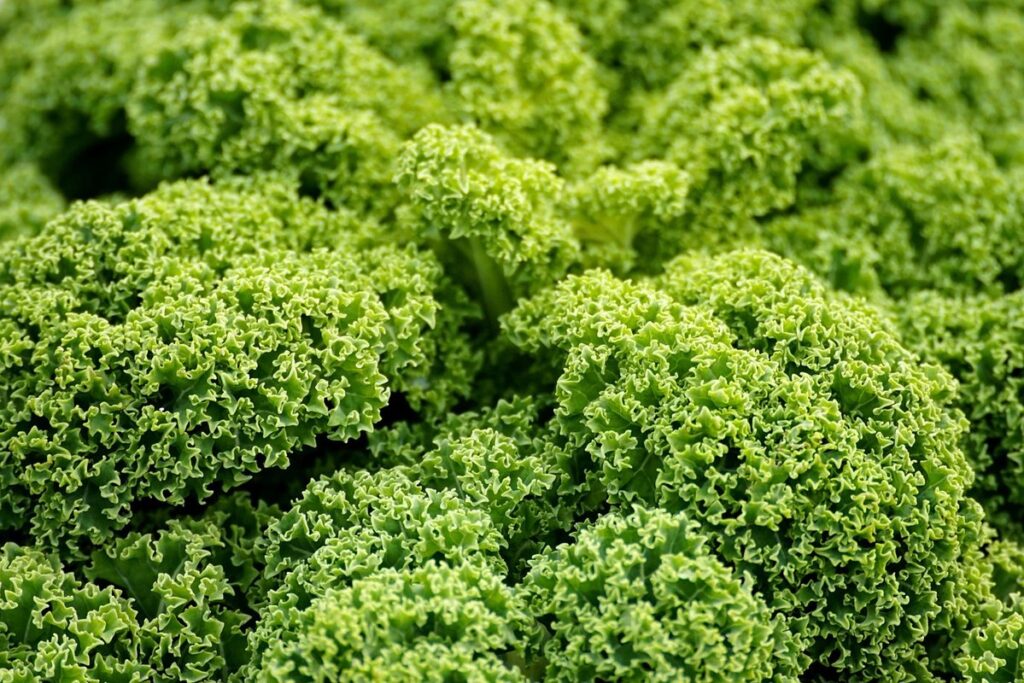
Benefits of Feeding Kale to Chickens
Feeding kale to your chickens can have a number of surprising benefits for their health and well-being. Let’s explore some of these advantages in more detail.
Nutritional Value of Kale for Chickens
Kale is an excellent addition to your flock’s diet, and its nutritional benefits are one of the main reasons why. This superfood is packed with vitamins A, C, and K, making it a powerhouse for overall health and well-being in chickens. Vitamin A helps maintain healthy vision, skin, and mucous membranes, while vitamin C supports immune function and iron levels. The high levels of vitamin K, on the other hand, are essential for blood clotting and bone health.
Kale is also rich in minerals like calcium and iron, which are crucial for strong eggshell production and red blood cell formation. Calcium, in particular, is vital for maintaining healthy bones and teeth, making it an excellent addition to a chicken’s diet. By incorporating kale into their meals, you can provide your flock with the nutrients they need to thrive.
When feeding kale to your chickens, be sure to introduce it gradually to prevent digestive upset. Start by mixing small amounts of finely chopped kale into their regular feed or offering it as a treat. This will allow them to adjust to the new food source and reap its nutritional benefits without any adverse effects.
How Kale Supports Egg Production
Feeding kale to your laying hens can have a significant impact on egg production. The nutrient-dense greens are rich in vitamins A, C, and K, as well as minerals like calcium and iron. These essential nutrients play a crucial role in supporting the health and productivity of your flock.
One of the most notable benefits of feeding kale to chickens is its effect on eggshell thickness. Calcium is an essential component of eggshell production, and kale is an excellent source of this mineral. When hens are fed a diet rich in calcium, their eggs will have thicker shells, making them less prone to cracking and breakage.
In addition to increased shell thickness, kale also has a positive impact on yolk color. The high levels of vitamin A and beta-carotene found in kale help to enhance the vibrant yellow color of egg yolks, giving your eggs a more appealing appearance.
To incorporate kale into your flock’s diet, try mixing it with their regular feed or using it as a supplement. Aim for about 1-2 cups of fresh kale per 10 birds daily. This will not only improve egg production but also promote overall health and well-being in your chickens.
Preparing Kale for Your Flock
Before you offer kale to your flock, it’s essential to prepare it in a way that makes it safe and nutritious for your chickens. Learn how to clean, chop, and serve kale to your feathered friends effectively.
Ways to Prepare Kale for Chickens
When it comes to preparing kale for your flock, proper preparation is key to ensure digestibility and maximum nutritional benefits. One of the most straightforward methods is chopping the kale leaves into bite-sized pieces. This allows your chickens to easily consume and digest the nutrients, reducing the risk of blockages or digestive issues.
Another effective way to prepare kale is through steaming. Steaming helps break down the cell walls in the leaves, making it easier for your chickens to access the nutrients. Simply chop the kale into smaller pieces and steam it for 3-5 minutes before offering it to your flock. Be sure to let it cool completely before serving.
You can also try juicing kale, but be cautious not to overdo it. Juice should make up no more than 10% of your chickens’ diet. It’s essential to balance juiced kale with other nutrient-rich foods to prevent an overload of certain vitamins and minerals. Always introduce new foods gradually to monitor your flock’s response.
Remember, the key is moderation and variety when feeding your chickens kale. By chopping, steaming, or juicing it properly, you can help ensure a healthy and balanced diet for your feathered friends.
Safety Considerations When Feeding Kale to Chickens
When feeding kale to your flock, it’s essential to consider potential safety concerns. One of the primary risks associated with kale is mold and bacterial contamination. These contaminants can produce mycotoxins, which can be toxic to chickens if ingested.
To minimize this risk, ensure you choose fresh, high-quality kale leaves for your flock. Look for signs of mold, such as white or greenish patches on the leaves. If you notice any mold, discard the affected leaves immediately. Regularly inspect the kale before serving it to your chickens and wash them thoroughly with clean water.
It’s also crucial to store kale properly to prevent contamination. Keep it in a sealed container or bag at a cool temperature (around 40°F) and consume within a few days of purchase. Don’t save leftover kale for too long, as this can lead to bacterial growth.
Before serving kale to your flock, make sure they have access to fresh water and adequate ventilation to help prevent health issues related to mold consumption.
Common Issues with Feeding Kale to Chickens
While kale is a nutritious treat for chickens, there are some common issues that can arise when feeding it to them. We’ll explore these potential problems below.
Gastrointestinal Upset in Chickens Fed Kale
When chickens are fed large amounts of kale, they can experience gastrointestinal upset. This is due to the high fiber and water content of kale, which can be difficult for their digestive system to process.
Diarrhea is one common issue that may arise when chickens overconsume kale. This is because the undigested fibers in kale can cause an imbalance in their gut bacteria, leading to loose stools. You may notice your chickens becoming lethargic or even refusing to eat if they’re experiencing diarrhea.
Another possible symptom of gastrointestinal upset in chickens fed excessive kale is lethargy. When their digestive system is working overtime to break down the high fiber content of kale, it can leave them feeling weak and sluggish.
To avoid these issues, make sure to introduce kale gradually into your chickens’ diet and limit their intake. A general rule of thumb is to provide no more than 1-2 tablespoons of chopped kale per chicken per day. This will allow you to gauge how well they tolerate the new food without causing any adverse reactions.
Kale Overload: What to Watch Out for
If you’re feeding kale to your flock regularly, it’s essential to watch out for signs of kale overload. A sudden change in appetite can be a sign that your chickens are overdoing it on the kale. If they’re no longer interested in their usual feed or treats, it may be because they’re getting too much green stuff.
Another indicator is a change in droppings. Healthy chicken poop should be well-formed and dark brown in color. However, if you notice pale, runny, or watery droppings, it could mean that your chickens are experiencing digestive issues due to kale overload. This is especially common when feeding excessive amounts of kale, as it can cause an imbalance of electrolytes.
Keep an eye on your flock’s overall health and adjust their kale intake accordingly. If you notice any unusual changes or behaviors, consult with a veterinarian for advice. A general rule of thumb is to limit kale to no more than 10% of your chickens’ daily diet. By monitoring their behavior and adjusting their feed, you can ensure they stay happy and healthy on their kale-filled days.
Tips for Incorporating Kale into Your Flock’s Diet
To ensure your chickens are getting the most nutritional benefits from kale, here are some practical tips to help you incorporate it into their diet safely and effectively.
Gradual Introduction to Kale
When introducing kale to your flock’s diet, it’s essential to do so gradually to prevent digestive upset. Chickens can be sensitive to sudden changes in their food intake, and a rapid introduction of kale can lead to discomfort, diarrhea, or even vomiting.
Start by adding small amounts of chopped kale to their existing feed, mixing it in thoroughly. Monitor your flock’s response closely, watching for any signs of distress such as lethargy, loss of appetite, or changes in droppings. Begin with a tiny amount, about 1-2% of their daily ration, and gradually increase the proportion over several days.
A good rule of thumb is to introduce kale over a period of 7-10 days, allowing your flock to adjust to its unique nutrients and fiber content. As you gradually increase the amount of kale in their diet, be sure to provide plenty of fresh water to help their digestive system process the new greens. By introducing kale slowly, you’ll minimize the risk of digestive upset and ensure a smooth transition for your flock to enjoy this nutritious addition to their diet.
Kale as a Supplement: How to Use It Effectively
When used as a supplement, kale can provide a concentrated dose of nutrients for your flock. However, it’s essential to remember that kale should not be relied upon as a primary food source. A balanced diet consisting of a mix of grains, proteins, and vegetables is still the best way to ensure your chickens are receiving all the necessary nutrients.
To use kale effectively as a supplement, start by adding it in small amounts to their regular feed. You can either chop the leaves finely and sprinkle them on top or blend them into a powder using a food processor. A good rule of thumb is to start with about 1-2% of their daily intake being kale.
For example, if your chickens eat 4 pounds of feed per day, you could add up to 2 ounces (28 grams) of chopped kale as a supplement. This will provide them with an extra boost of vitamins A, C, and K without overwhelming their digestive system.
Special Considerations for Different Chicken Breeds
When it comes to feeding kale to your feathered friends, some chicken breeds have unique needs and preferences. This is especially true for smaller or more sensitive birds.
Layer Breeds and Their Dietary Needs
As we discussed earlier, layer breeds are bred specifically for their egg-laying abilities. These chickens require a balanced diet that meets their high energy needs and supports their prolific egg production. Kale, being a nutrient-rich leafy green, can be a valuable addition to their diet. However, it’s essential to understand the specific dietary requirements of layer breeds and how kale fits into their nutritional needs.
Layer breeds typically require a diet rich in calcium, protein, and vitamins A and D3. They also need adequate energy to support their high egg production. Kale is an excellent source of calcium and vitamins A and K, making it a great addition to their diet. However, layer breeds may require additional sources of protein and other essential nutrients. When incorporating kale into the diet of layer breeds, make sure to balance it with other nutrient-rich foods.
In terms of amount, a good rule of thumb is to provide 1/4 cup of chopped kale per pound of chicken feed. This will not only add essential vitamins but also contribute to their overall health and well-being.
Heritage or Bantam Chickens: Unique Considerations
When it comes to heritage or bantam chickens, special considerations come into play when feeding kale. These smaller and often more delicate birds require a more tailored approach to ensure they’re getting the nutrients they need without overdoing it on the greens.
Heritage chickens, known for their unique characteristics and sometimes slower growth rates, may not be able to tolerate as much kale in their diet. A good rule of thumb is to start with small amounts – about 1-2 leaves per bird per day – and monitor their response. If you notice any adverse effects such as lethargy or digestive issues, it’s best to reduce the amount or introduce kale gradually.
Bantams, being smaller still, may require even more moderation when it comes to kale. Their high metabolism means they burn through nutrients quickly, so it’s essential to balance their diet accordingly. Consider incorporating other leafy greens like spinach or collard greens, which are lower in calcium and oxalates that can be problematic for these tiny birds.
Remember, every bird is different, so keep a close eye on your flock and adjust their kale intake accordingly.
Conclusion
So, you’ve learned all about feeding kale to your feathered friends and now it’s time to sum up the key takeaways from our little chat. Let’s wrap up!
Recap of Key Takeaways
When it comes to incorporating kale into your flock’s diet, there are several key takeaways to keep in mind. First and foremost, kale is a nutritious and healthy addition to a chicken’s meal plan. However, it’s essential to introduce it gradually and in moderation to prevent digestive issues.
As we discussed earlier, chickens have different nutritional needs than humans, and their digestive systems can’t handle too much of certain vegetables. Kale’s high water content and fiber levels make it a potential choking hazard if fed excessively.
To safely incorporate kale into your flock’s diet, start by mixing small amounts with their regular feed or offering it as a treat. You can also try adding other leafy greens like spinach or collard greens to create a balanced mix. Remember to always provide fresh water and ensure your chickens have access to a diverse range of food sources.
In conclusion, kale can be a healthy addition to your flock’s diet when done correctly. By following these guidelines and being mindful of your chickens’ unique needs, you can help keep them happy, healthy, and thriving.
Final Thoughts on Feeding Kale to Chickens
As you consider adding kale to your flock’s diet, it’s essential to weigh the benefits against potential drawbacks. While kale is a nutrient-rich superfood for humans, its effects on chickens can be more nuanced. On one hand, feeding kale to your chickens can provide a valuable boost of vitamins A, C, and K, as well as minerals like calcium and iron. These nutrients are particularly important for supporting healthy eggshell production and overall chick development.
However, it’s also crucial to consider the potential risks associated with overfeeding kale. Consuming excessive amounts of oxalic acid, found in high quantities in some kale varieties, can lead to kidney damage or other health issues. To mitigate this risk, introduce kale in moderation (about 10% of your flock’s total diet) and ensure they have access to a balanced commercial feed as their primary source of nutrition.
Before making any changes to your flock’s diet, consult with a veterinarian or poultry expert for personalized advice tailored to your specific situation.
Frequently Asked Questions
Can chickens eat kale raw, or do I need to cook it first?
Yes, chickens can eat raw kale, but cooking it may make the nutrients more accessible for them. If you choose to feed raw kale, chop it finely to prevent digestive issues. Cooking kale, on the other hand, will help break down cell walls and release more of its valuable vitamins.
What’s a good ratio of kale to regular feed for my flock?
The ideal ratio may vary depending on your chickens’ age, breed, and dietary needs. A general rule of thumb is to start with 10-20% of their daily feed as kale. Monitor your flock’s response and adjust accordingly. Be cautious not to overdo it, as excessive kale consumption can lead to gastrointestinal upset.
Can I mix kale into my chickens’ grit or oyster shells?
While you can certainly try mixing kale into these supplements, the best approach is to offer them fresh kale leaves as a treat. Kale has a strong flavor that might be unappealing when mixed with other feed. Instead, provide kale leaves on their own, allowing your flock to forage and enjoy it.
How often should I rotate kale in my flock’s diet?
Rotate kale every 1-2 weeks to prevent overexposure and maintain variety. This will also help prevent gastrointestinal upset caused by long-term consumption of the same foods. Mix kale with other leafy greens or vegetables to keep your flock’s diet interesting and nutritious.
Can baby chicks eat kale, or should I wait until they’re older?
Baby chicks can indeed benefit from small amounts of finely chopped kale. However, ensure that it’s only a tiny portion (about 1-2% of their daily feed) as their digestive system is still developing. As they grow and mature, you can gradually increase the amount of kale in their diet to support their growth and health.